Cat Fur Types: What Kinds Are There and What Do They Do?

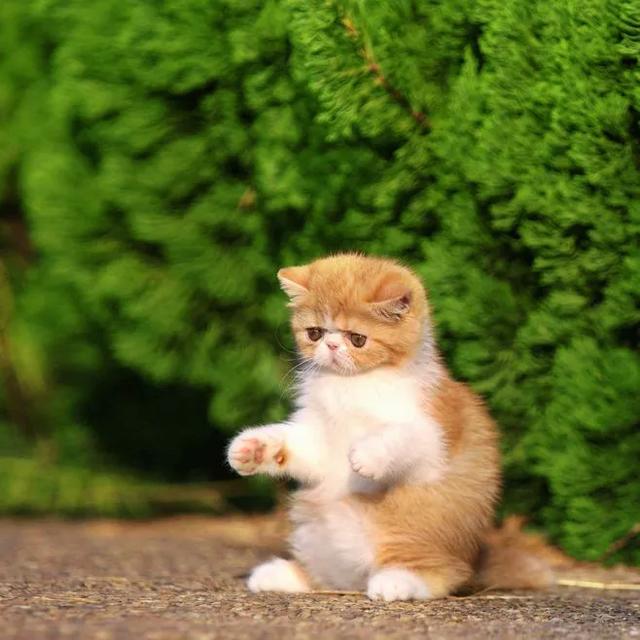
Many cat owners like cats, mainly because they like their fluffy, soft fur. This fur provides a significant amount of protection for the cat's skin, helping the cat resist the cold, and also gives cat owners a warm mini blanket on cold nights.
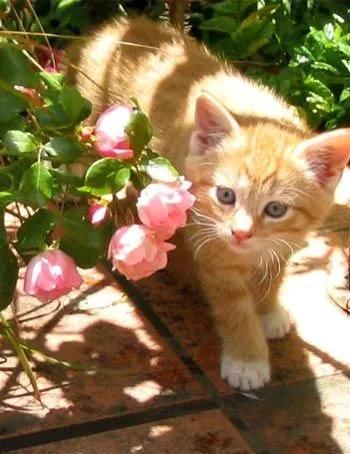
Cat fur covers the entire cat's body. In our eyes, it's like a thick layer of fur, but in reality, cat fur is also classified.
Most cats have four types of fur, namely, undercoat, guard hair, topcoat and whiskers.
These hairs are composed of different textures, silently performing their tasks. They've woven a unique and exclusive outfit for the adorable cat.
Undercoat
The undercoat is the fur closest to the skin, it's the softest and finest, and doesn't make the skin feel strange, it also provides warmth.
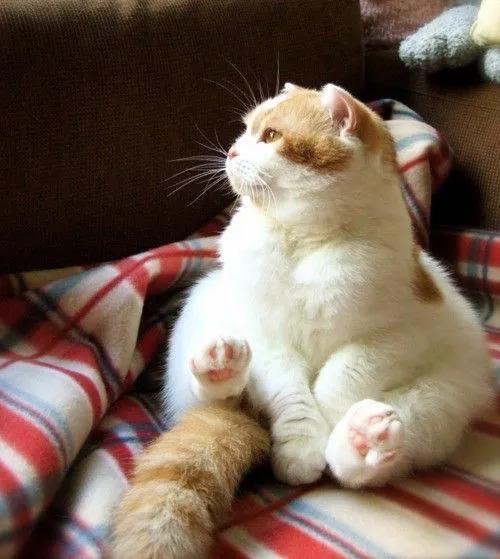
The undercoat's protective and warming effects are not only due to its density, but also to its shape. The undercoat is not straight hair, but has a slight wave-like shape, which prevents the temperature inside the hair from being easily affected by external temperatures.
Guard Hair
Guard hair is located in the middle of the cat's fur, it is between the undercoat and the topcoat. Protection and insulation are the functions of guard hair. Unlike the undercoat, it is made of finer ends and a fluffy tip.
Guard hair can be further divided into three categories: bottom guard hair, guard hair and top guard hair.
Topcoat
The topcoat is at the top layer, which is the fur we can see directly. Its main function is protection, so it's the longest and thickest of the three types of hair, the straightest of the three, and in a uniform thinning state. It isolates most dust and bacteria, and the middle layer of guard hair filters the undercoat and the skin below it from external influences.
Whiskers
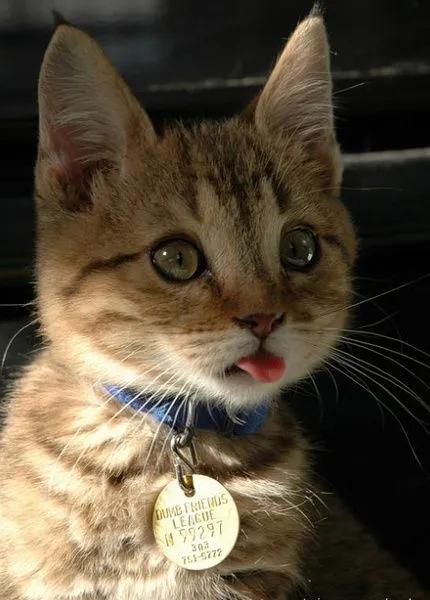
When we mention whiskers, eight out of ten images that come to mind are the whiskers that grow on the cheeks. Whiskers play a great role in the cat's stability. As a tactile hair, whiskers are different from undercoat, guard hair and topcoat.
In terms of texture, whiskers are tough and enlarged. In terms of quantity, the number of whiskers is not as widespread as other hairs, only growing in key locations, and these key locations are not just the cheeks, but also the top of the chin, above the eyes and the wrist joints of the hands and feet.
Due to different breeds, cat fur can also vary. For example, in feral cats, the undercoat is the most abundant, long-haired cats have longer topcoats than other breeds, and hairless cats only have some undercoats, without the protection of guard hair and topcoat, so many cat owners choose to dress them up.
Go and feel your cat's fur now!