Honey Badger Falls Asleep After Snake Bite? That Nap Could Be Its Last
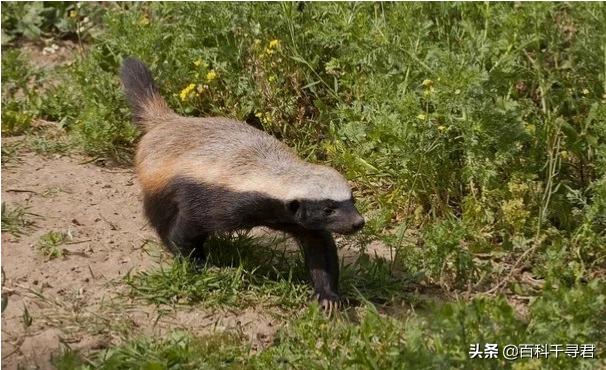
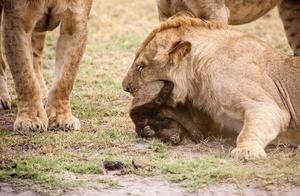
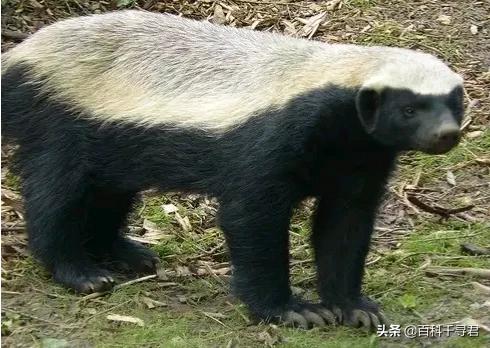
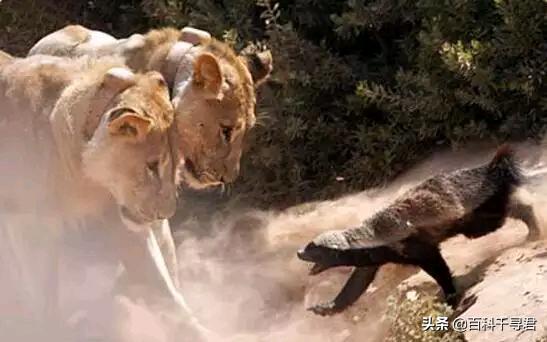
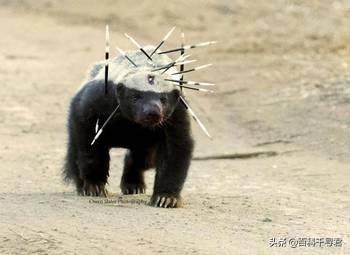
The famous 'net red' badger, whose real name is meihuiban (honey badger), is a nocturnal animal belonging to the (mustelid) family, distributed in Africa, Asia, and North America. It weighs only about 15 kilograms, is stout in body, and has white fur on its back, resulting in its nickname 'flat-head badger'.On the internet, meihuiban has many followers, but most of them are misled by online jokes. Because meihuiban's stories have been greatly exaggerated on the internet. Many people don't know the truth and follow along praising meihuiban. For example, 'meihuiban digs holes to attack lions' 'it falls asleep after being bitten by a venomous snake' 'no matter what venomous snake meihuiban faces, it's just a different flavor of spicy jerky' These statements can only be seen as jokes and should not be taken seriously.
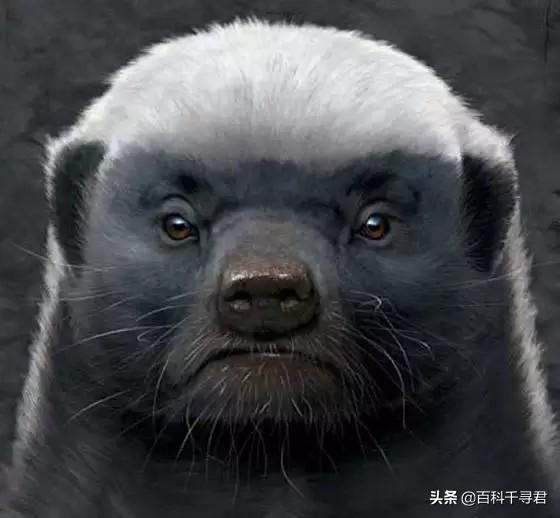
Today, let's talk about meihuiban's resistance to snake venom.
Let's start with the conclusion: meihuiban has a certain resistance to the venom of snakes in its habitat. Once it exceeds this range, it cannot withstand it. Secondly, meihuiban's thick and dense fur can effectively resist the piercing of venomous snake fangs. Chemical defense plus physical defense is meihuiban'scapital for eating snakes.

There are hundreds of species of venomous snakes in the world, with different sizes, toxicity levels, and venom types. No animal can be immune to all snake venoms. Meihuiban's stories have been exaggerated to varying degrees on the internet.
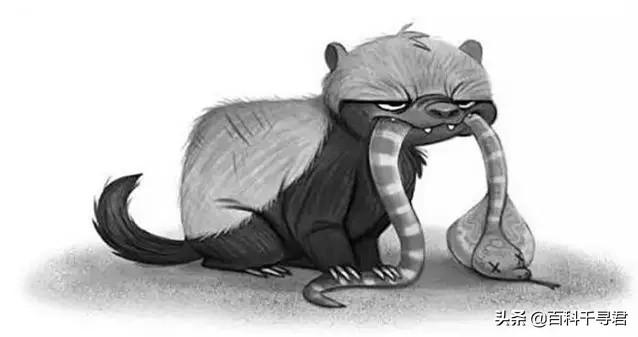
Meihuiban's resistance to snake venom is comparable to that of weasels, wild boars, hedgehogs, and the Mozambique spitting cobra.
Meihuiban consumes about 25% of its diet as snakes, therefore it has a certain resistance to snakes in its habitat. This is the result of co-evolution. Simply put, snakes that cannot resist meihuiban have been eliminated.
According to experiments conducted by the University of Minnesota:Meihuiban's muscles have mutations that allow it to resist the binding of neurotoxins, evolving the ability to not combine with neurotoxins. The snakes used in the experiment wereprimarily composed of α-neurotoxic acetylcholine receptor. Meihuiban, wild boars, weasels, hedgehogs, and the Mozambique spitting cobra's nAChR receptors do not bind to this toxin, so α-neurotoxic toxin is largely ineffective.
Meihuiban and hedgehogs can also neutralize metalloproteinases, the main component of hemorrhagic toxins.That is, meihuiban has resistance to neurotoxins and hemorrhagic toxins, but its resistance is limited. Meihuiban can withstand up to 100mg of venom in a single dose, which is a very small amount, and only a few venomous snakes can inject this amount of venom at once.In the documentary, meihuiban fell unconscious after being bitten by a snake because the dose injected had approached its resistance limit. Meihuiban was exerting all its effort to suppress the toxin.
As mentioned before, meihuiban has physical defense in addition to chemical defense. Physical defense refers to meihuiban's thick and hard fur, which can be erected to resist the piercing of venomous snake fangs and also resist the tearing of lions and leopards.
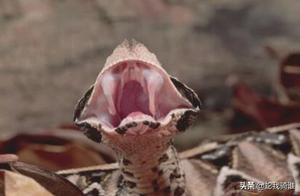
Because the venomous snake's venomous fangs are generally small and fragile, and the longest venomous fang of the cobra is 4.98cm, the venomous fang of the cobra is usually less than 1cm, even the 5-meter-long king cobra, its venomous fang is only 1.5cm. Most venomous snakes cannot pierce meihuiban's fur. Meihuiban is also rarely bitten by venomous snakes on the flesh.
The danger of venomous snakes depends on four indicators: toxicity, venom type, injection dose, and fang length. Toxicity can compensate for the lack of injection dose. Meihuiban's area has many venomous snakes with strong toxicity, but the injection dose and fang length are not many, so it has a 'show off' effect.As mentioned before, meihuiban's resistance to snake venom is comparable to that of weasels, wild boars, hedgehogs, and the Mozambique spitting cobra, which is the result of co-evolution. Because they all eat snakes. Meihuiban indeed has some resistance to snake venom, but it cannot withstand exceeding its resistance range, and it only has resistance to snakes in its habitat.
The North American ground squirrel,The most venomous resistance known in nature is the North American ground squirrel and the Siberian chipmunk. They can resist the venom of all venomous snakes in their region, but they cannot withstand super-doses.
The ground squirrel and the Siberian chipmunk are animals living in North America. They injected Asian Indian cobra and Chinese cobra with a small dose of snake venom, and the ground squirrel died within 30-45 minutes. When injecting the African golden cobra and the cobra with a small dose of venom, the ground squirrel died within 1-24 hours, indicating that the ground squirrel cannot 'cross-regional resistance'.Resistance to snake venom is far stronger than that of meihuiban, but the North American ground squirrel also cannot resist the venom of snakes in other regions. Meihuiban also cannot.
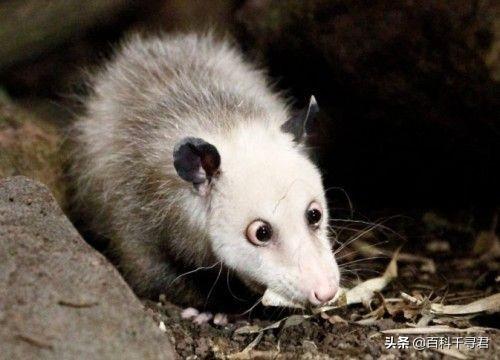
Therefore, resistance to snake venom is only for dealing with snakes in its survival area, and it cannot deal with snakes in other areas.
Let's summarize:Meihuiban has a certain resistance to the venom of snakes in its habitat, and its fur can resist the tearing of venomous snakes. Chemical defense plus physical defense is meihuiban's safeguard for eating snakes. Meihuiban's resistance to venom is not the strongest, don't exaggerate meihuiban's strength.
30-451-24“”