6 Key Factors for Pet Hair Loss: Veterinary Physician Xie Peijin Says: Non-Spotting Shedding Beware of Endocrine Disorders

Hair loss is related to certain breeds, such as Shiba Inu, which is prone to shedding. (Photo / East TV Pet Cloud Store)
Written by / Dr. Phoebe Xie, Dr. Cheng-lun Chen
Illustration / East TV Pet Cloud Store
Pet shedding is a normal phenomenon, especially during seasonal shedding, when the amount of shedding is larger. Regularly brushing and cleaning bedding can help maintain skin breathability and health. Regarding skincare, give your dog plenty of omega-3 (fish oil) daily to help alleviate shedding.
If you notice the following skin conditions, here's how to handle them at home:
One, Food Allergy:Have you recently changed your dog's food? Chronic food allergies typically take 1-2 weeks to manifest symptoms. After eliminating the allergenic food for about 1-2 weeks, the skin condition will improve.
Two, Shampoo Allergy:Shampoos, or softeners for pet clothes and bedding, can all cause skin problems for pets.
▼Dr. Phoebe Xie stated that the humidity of the environment can also affect pet skin problems. (Photo / East TV Pet Cloud Store)
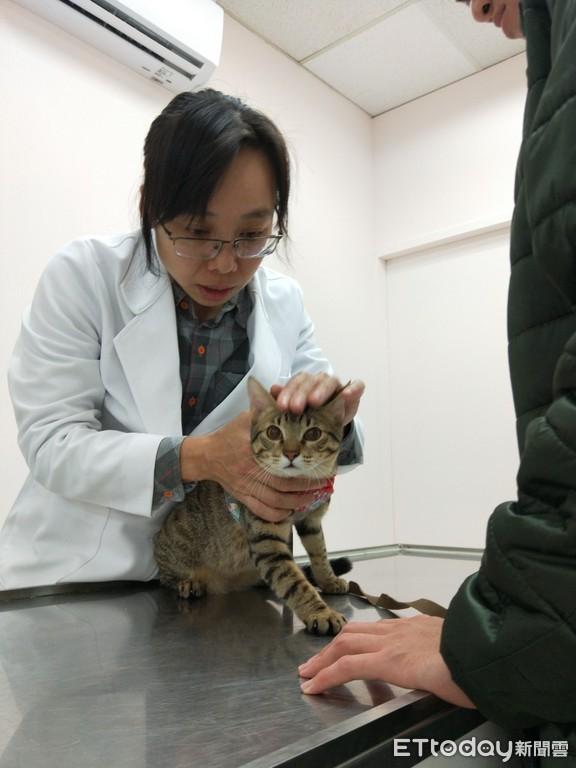
Three, Humidity:Try to raise the bedding with partitions or nets, and wash pet clothes and bedding twice a week. This can help slow down skin problems.
Four, Flea and Tick Bites:Often causes acute, moist skin lesions; pets will be itchy and may even bleed when scratching. Immediate medical attention is needed. Take regular flea and tick prevention medication.
Five, Besides skin diseases themselves, many systemic diseases (such as endocrine disorders) can also cause hair loss symptoms.The two situations of hair loss are slightly different.
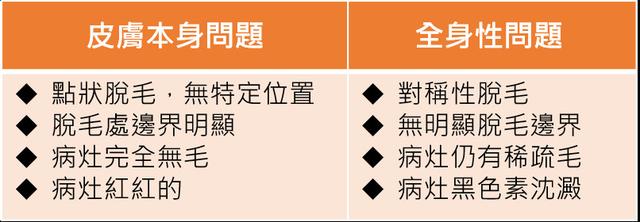
Illustration / Dr. Phoebe Xie compiled
Six, Some breeds with coarse hair naturally shed more; some breeds with a silk-like feel shed less. As long as the dog is not scratching, with no redness or scales, there is no need to be too anxious.