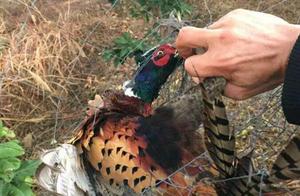
Why Animals Have Breeding Seasons, and Humans Don't?
wink
Today let's talk about why animals have breeding seasons, and humans don't.
What causes breeding seasons?
Throughout Earth's history, scarcity has always accompanied every species. This is because animals are heterotrophs, meaning they cannot synthesize energy themselves, and they need to obtain it from plants. However, plant numbers are limited, and plant growth is influenced by factors such as water, temperature, and nutrients. Even in the same region, the amount of energy available from plants can vary seasonally.
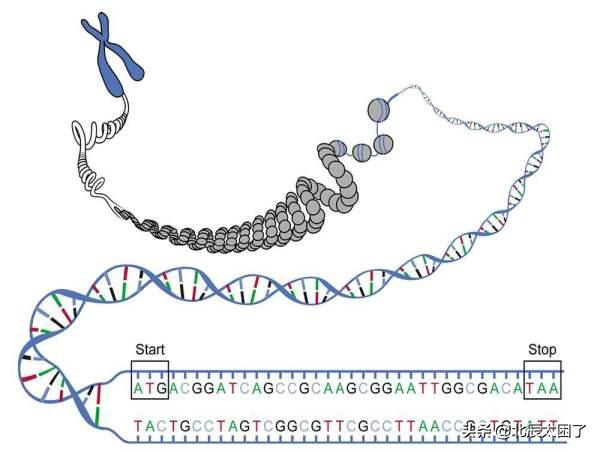
During periods of warmer temperatures, plant growth tends to accelerate, providing more energy. Therefore, if young animals are born during these seasons, their survival rates will significantly increase.
However, we know that most animals are without self-awareness, so in the early stages of biological evolution, most animals didn't have seasonal breeding patterns.
Only when food was scarce did the lack of food cause a significant drop in offspring survival rates. Some lucky offspring were born during periods of abundant food, resulting in higher survival rates.
Over time, after a ruthless selection by nature, the genes of those who thrived in periods of abundant food were selected, which is the basis of breeding seasons.
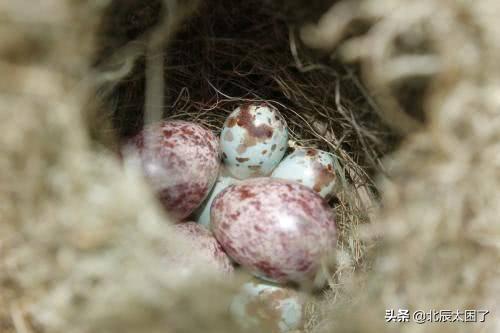
Besides food, factors such as predator numbers and temperature also influence animal breeding seasons. For example, some insects breed in the autumn because many migratory birds fly south during that time.
Although breeding seasons can increase the survival rate of animal offspring, not all animals have breeding seasons.
Why don't animals have breeding seasons?
If a species doesn't have a breeding season, it only means that the survival rate of its offspring is not significantly different across different seasons. For example, humans.
According to the mainstream view, humans originated in East Africa. At that time, Africa was very hot, and humans are omnivores, so they could collect different foods in different seasons. They ate carrion, so humans' energy sources were relatively stable.
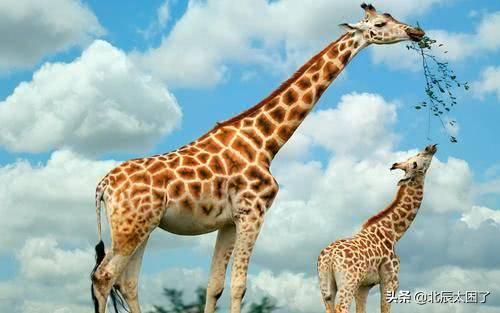
Furthermore, human predators didn't migrate with the seasons, so human infants' survival rates were not significantly different across seasons, which resulted in the natural selection of human breeding seasons being less pronounced. Therefore, animals without breeding seasons exist on Earth, such as giraffes.
Natural selection and evolution.
For humans, the question of 'why are we alive?' might have countless answers. Believing that we live to pursue dreams and achieve our values.
We believe we can make our own life choices, but some basic things are still controlled by genes, such as pregnancy and childbirth.
From a rational perspective, breeding offspring isn't a cost-effective thing. Most animals' young need to follow their mothers for a period to learn survival skills. However, once children grow up, they may leave their parents' care forever.
Since this is the case, why do animals still breed?
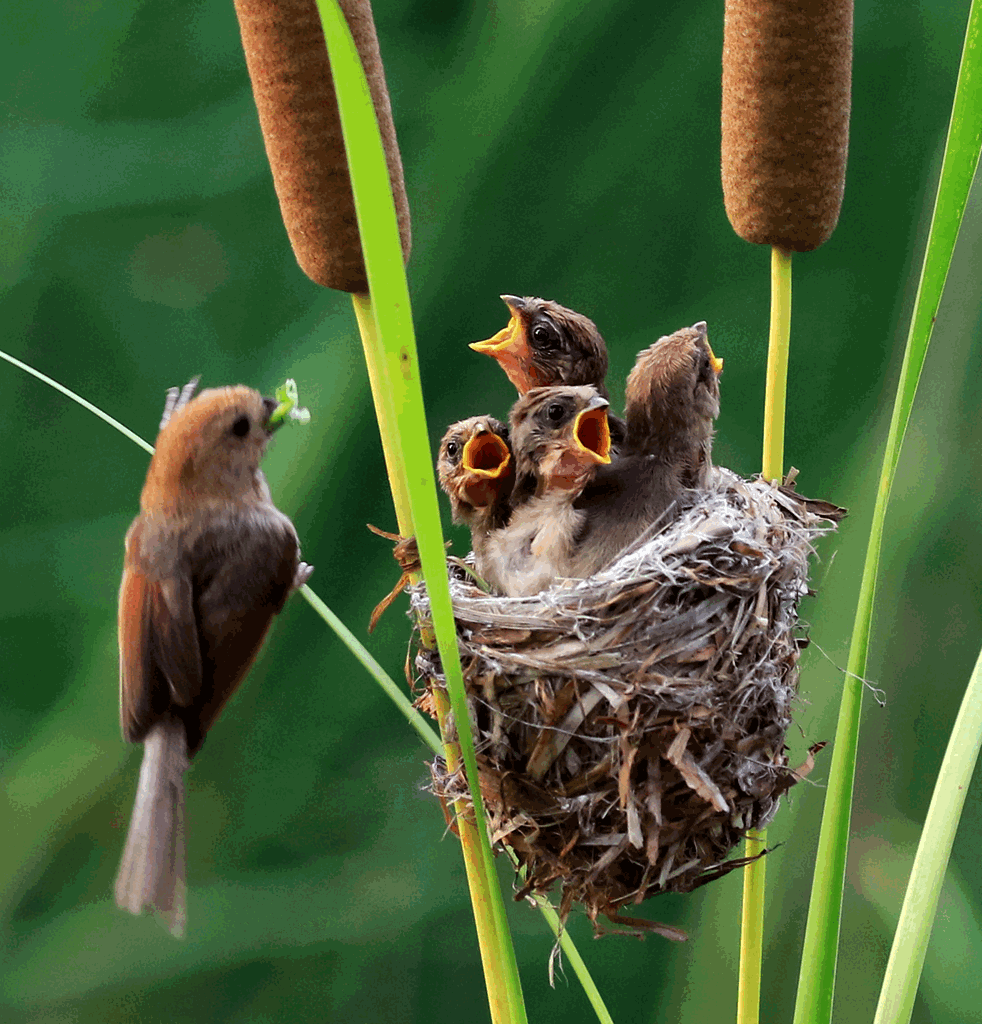
It's because genes want to be passed down. For genes, animals are just tools for them to use.
If a gene can help a species breed better, that gene will continue to be passed down. If a gene cannot help a species breed better, that gene may be eliminated.
For example, testosterone can enhance male attractiveness, making men look stronger and more masculine, which helps men attract women. However, excessive testosterone can lead to premature aging or death in men. Dwarf gene, although it doesn't make men stronger, studies have found that dwarfs have a lower cancer rate, and generally live longer.
Even though the dwarf gene makes men live longer, it cannot help species to breed better, so this gene is difficult to pass on, while the testosterone gene can help men breed offspring better, so it's favored by natural selection and passed down through generations of species.
From a genetic perspective, genes that help species breed better are 'longer-lasting' than genes that don't help species breed better.

Similarly, genes that increase the survival rate of animal offspring are 'longer-lasting' than genes that don't help animal offspring improve survival rates.
This is how, through the selection of the environment, genes of one generation after another of species are selected, and species continue to evolve. Some species go extinct because their internal genes cannot adapt to the environment, such as dinosaurs. Some species' genes are preserved because they can adapt to the environment, such as all the living organisms on Earth today.
Summary
The natural environment selects some genes that adapt to the environment, eliminating genes that are harmful to survival or reproduction. Breeding season genes are also selected by natural selection, and this is the fundamental logic driving biological evolution.
I'm North Star, feel free to follow me!