Dog’s Self-Immune Diseases: Classification, Causes, and Prevention

To understand dog's own immune diseases, we should first have a general understanding of what the immune system is and how it works.
The immune system is an incredibly complex yet astonishing system composed of white blood cells, antibodies, and other substances. All of these substances work together, depending on each other, to fight infection and reject foreign proteins. It's like an army patrolling, protecting the body from 'invasion' by foreign substances.
Different body organs and tissues play different roles in self-defense.
- The liver and kidneys are responsible for filtering blood toxins and waste products.
- The skin is the first line of defense against bacteria and other environmental threats.
- The blood carries antibodies, oxygen, and nutrients to where they are needed to fight infection.
- After the battle is over, the spleen filters the blood, trapping any foreign material that wasn't killed by the body's 'army.' The lymphatic system cleans and nourishes cells and tissues, and 'delivers' the 'immune army' to body parts that the blood cannot effectively reach.
What are dog's own immune diseases?
Dog's autoimmune diseases are characterized by one or more parts of the immune system becoming overly active, the immune system loses its ability to distinguish 'self' from 'non-self'.
In other words, the system cannot differentiate between certain proteins as being part of the dog's own body or organs, or as coming from the outside.
As a result, 'errors' occur—the immune system produces antibodies that attack and destroy the body's cells and organs, rather than producing antibodies to protect the body against foreign proteins, such as bacteria and viruses.
Autoimmune diseases can be limited to a single organ, area, or the whole animal.
Here are some dog's autoimmune diseases which are caused by overly active immune system:
- Endocrine autoimmune diseases (such as autoimmune thyroiditis, diabetes, Addison's disease).
- Skin autoimmune diseases (such as pemphigus, systemic lupus erythematosus).
- Blood autoimmune diseases (such as autoimmune hemolytic anemia, leukemia).
- Eye autoimmune diseases (such as dry eye syndrome, uveitis).
- Digestive autoimmune diseases (such as inflammatory bowel disease).
- Joint diseases (such as rheumatoid arthritis).
- Allergies (highly sensitive immune systems).
Some autoimmune diseases (such as AIHA, Addison's disease) are more serious (potentially life-threatening) and require stricter treatment.
Causes of dog's autoimmune diseases
The exact cause of dog's autoimmune diseases is not yet clear. However, some factors that contribute to the development of autoimmune diseases in dogs seem to be:
1, Genetics
Certain breeds are more prone to certain autoimmune diseases. For example, German shepherds are more likely to develop systemic lupus erythematosus compared to other breeds. Therefore, many veterinarians believe that genes are a factor in the development of certain types of autoimmune diseases.
2, Over-immunization

Some veterinarians believe that over-vaccinating can overstimulate the immune system. This can lead to the development of autoimmune diseases in dogs.
3, Certain drugs
Certain drugs, such as antibiotics and corticosteroids, can alter the appearance of certain cells, making them appear 'foreign.' This can trigger an immune response.
4, Toxins
Some veterinarians also believe that environmental toxins trigger autoimmune diseases in dogs. In addition, food preservatives such as ethoxyquin (an antioxidant commonly found in dog food) can also be a culprit.
Symptoms of autoimmune diseases

Autoimmune diseases, according to their target organs and/or body systems, have many different symptoms.
Diagnosis is difficult because most symptoms resemble other conditions. If you suspect your dog has an immune disease, it is important to take your dog to see a veterinarian for appropriate examination.
Some symptoms reported in dogs before diagnosis include:
Any blood in the feces
- Lethargy, depression
- Weakness and inability to move
- Skin damage and ulcers
- Nasal, oral, and anal abnormalities
- Joint stiffness, lameness
- Anemia
- Seizures
- Loss of appetite
- Body odor
- Weight gain (if the thyroid is affected).
- Natural therapies for dog's autoimmune diseases
Herbs, vitamins, and other natural supplements can be used to support the immune system.
Before affecting the immune system with natural supplements, we need to have a correct diagnosis of immune-related issues.
For autoimmune diseases caused by overly active immune systems, rather than further stimulating the immune system with herbs or supplements, it is better to use supplements to calm or balance the system.
1, Phytosterols and sterols for dog's autoimmune diseases
Natural supplements that are helpful for dog's autoimmune diseases are phytosterols and sterols, which are found in all fruits, vegetables, nuts, and seeds. These plant nutrients have many unique health benefits that can calm an overly active immune system.
2, Antioxidant treatments for autoimmune diseases
Antioxidants help strengthen the immune system because they are free radical scavengers. They help reduce oxidative stress without directly stimulating an immune response.
Specific antioxidants that are effective for certain autoimmune diseases include—Lecithin, selenium, vitamin A, C, D, E, coenzyme Q10, green tea, and whole-body enzymes.
3, Feeding dog's autoimmune diseases
Establish a habit of feeding your dog a natural, balanced, and minimally processed diet that is rich in antioxidants and bioflavonoids to help strengthen and balance its immune system.
For dogs with autoimmune diseases, a good diet should be natural, balanced, and minimally processed. It should include:
High-quality animal proteins (such as chicken, fish, turkey).
- Food without artificial preservatives, colors, and additives.
- Food that the dog is not allergic to (common allergens include corn, soy, wheat).
- Vegetables (such as broccoli, bell peppers, spinach), colorful fruits (such as blueberries, strawberries, papaya). You can also sprinkle some cooking herbs (such as thyme, rosemary, oregano, ginger) on the dog's food.
- 4, Herbs for treating autoimmune diseases
Finally, if your dog has an autoimmune disease, you can also consider using herbs to balance its immune system.
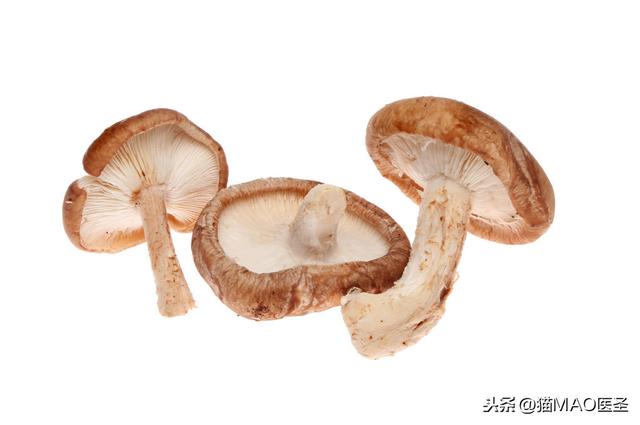
Good herbs include alfalfa, dandelion, and mushrooms (such as cordyceps, shiitake mushrooms). Additionally, milk thistle is beneficial.
Prevention of dog's autoimmune diseases
Veterinarians believe that a healthy immune system, and thus preventing autoimmune diseases, is a natural, nutrient-rich diet, and supplements that support or balance the immune system.
Some basic supplements that are effective when made a part of every dog's daily diet, including:
Essential fatty acids
- EFAs are good for skin and also good for the gut. Since skin and the digestive system are the first line of defense of the immune system, appropriate supplementation of EFAs is important for helping dogs with autoimmune diseases.
Digestive enzymes and probiotics
- These supplements (digestive enzymes and probiotics) are essential, as they help with food digestion and absorption.
Furthermore, probiotics help maintain a healthy balance of gut flora.
It is also important to reduce stress in the dog, as stress weakens the immune system.
- Eliminating environmental toxins and pollutants is also important for preventing dog's autoimmune diseases.
- Since chemical insecticides can damage the dog's immune system, it is best to use natural flea/tick control and natural products.
- /