Wild Leopard Abandoned by Mother, Adopted by Lion, Tragic End After 29 Days
Domesticated animals and pets sometimes exhibit strange interspecies 'adoption' behaviors, such as dogs caring for cats, and gorillas acting as 'nurses' for baby tigers. However, such situations are rare in the wild, especially between species that compete for resources. But in India, a fully grown Asian lion adopted a young Indian leopard as a 'mother'.
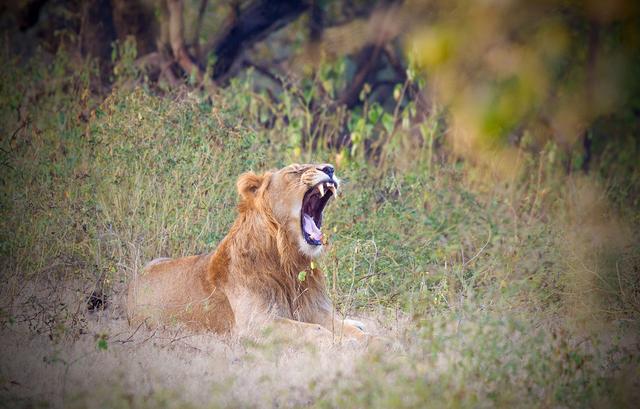
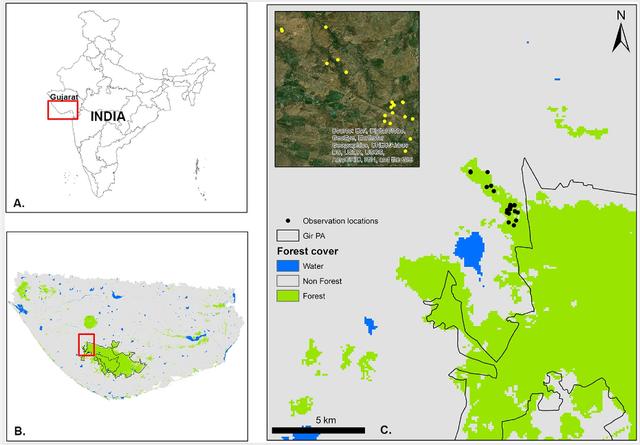
The incident took place in the Gir National Park in India, where the vegetation is mainly semi-arid deciduous forest. Both Asian lions (Panthera leo persica) and Indian leopards (Panthera pardus fusca) live here, and as endangered animals, Asian lions currently have only around 300 individuals, so they are particularly valued. Researchers have been tracking every Asian lion in Gir National Park, which is how this story of a lion adopting a leopard cub was discovered.
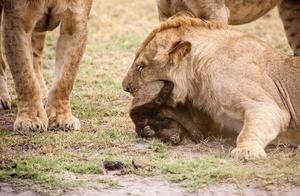
The young leopard was about two months old when researchers first discovered it, and it was following its mother and two lion cubs. Generally, young leopards are considered ideal prey for Asian lions, who would attack solitary leopards to get a delicious meal. However, this female lion did not eat the young leopard; instead, for the next two and a half months (29 days), she appeared with her two cubs and the young leopard, and they lived together harmoniously, the young leopard suckled from the lioness’s milk, and the lioness shared her catches with her cubs and the young leopard; the three cubs of similar age played and wrestled together... until one day, the young leopard died by a water pond. Researchers admitted that people were expecting a heartwarming story, but reality always prevails.
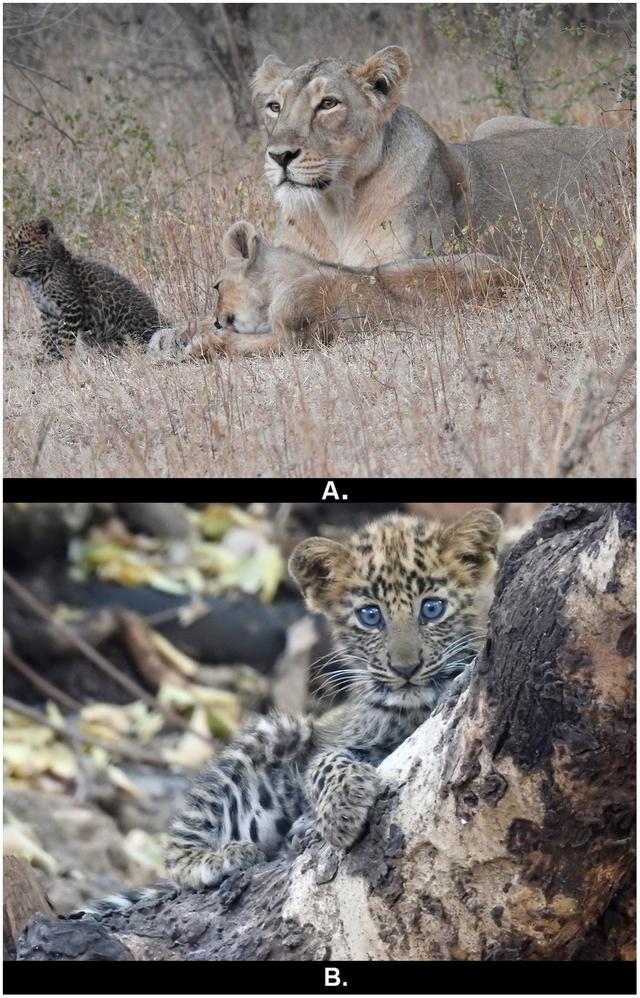
The young leopard’s death was not caused by the lioness; there were no signs of injury, but it died from a congenital disease. From the available footage, the female leopard had been sighted in the area a few days before the young leopard met the lioness. It is believed that this was the young leopard’s mother. However, the young leopard’s congenital disease led to its abandonment. Shortly after being abandoned, the lioness appeared.
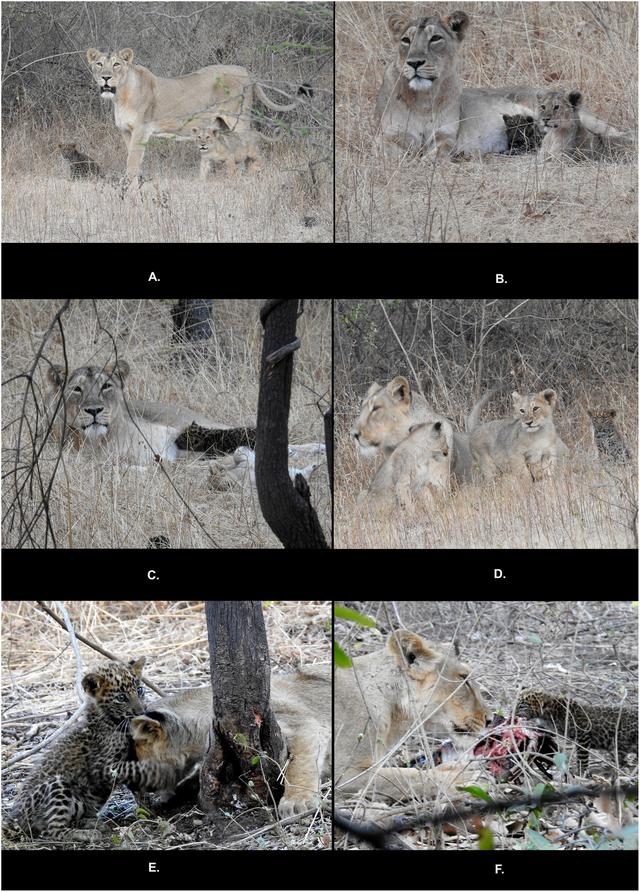
The lioness may have adopted the abandoned young leopard due to her own experience. This lioness was about 5 to 6 years old and was the mother of two lion cubs. She was also in the process of lactation, and two years earlier, this lioness had experienced the loss of her two cubs, who died shortly after birth. Maternal hormones may have prompted her to adopt the young leopard.
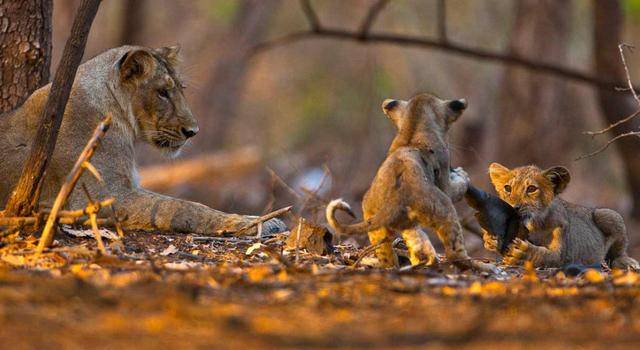
Furthermore, the Asian lion population has a unique characteristic: adult male Asian lions generally do not live with groups; they typically appear only when reproducing, so female Asian lions and male Asian lions are almost isolated in their lives. In addition, female Asian lions will live independently with their cubs for about two years after giving birth, so the young leopard was not threatened by other Asian lions.
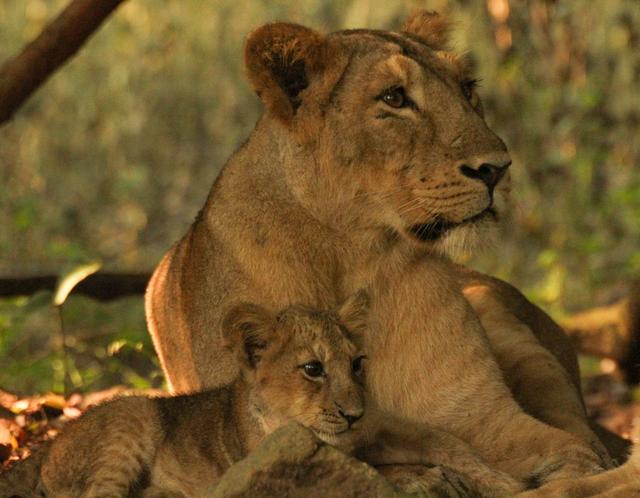
In conclusion, the Asian lion’s adoption of the young leopard is a very rare event. Researchers said that even if the young leopard didn't die, its ‘mother-child’ relationship with the lioness might not last long; once it communicated with other members of the Asian lion population, the young leopard would be in danger. Also, given the competitive relationship between Asian lions and Indian leopards for survival space, resources, and food, it is impossible to predict the young leopard’s relationship with Asian lions after it grows up. Unfortunately, the young leopard has died, otherwise this would have been an event worth paying attention to.