Large-Scale Animal Deaths in Peruvian Coast and African Grasslands, and Humans are Attempting Remedial Measures
Approximately 10,000 years ago, when humans established the first settled communities, the world around them – both land and sea – was teeming with life. Over successive generations, this idyllic paradise nurtured our ever-developing civilization. However, within less than 100 years, everything changed. In the past 50 years, the numbers of wild animals have decreased by an average of 60%, marking the first time in human history that natural stability is no longer a given. Yet nature is resilient, and its abundance remains. With our help, the Earth can recover.
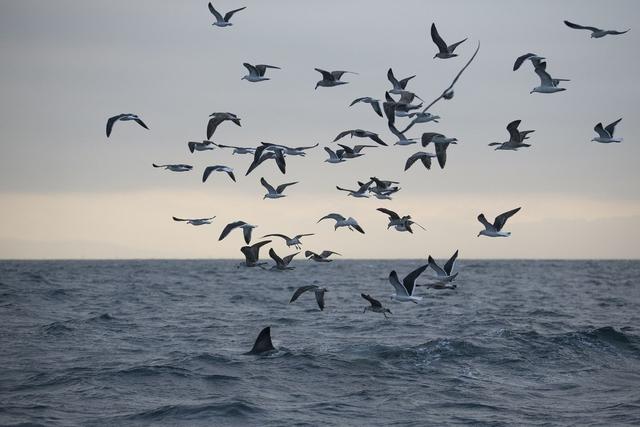
In some places, wildlife still exists in astonishing numbers. Along the Peruvian coast, millions of seabirds gather. They come here to breed, and every morning, the birds leave their nesting grounds to fish in the Earth's most bountiful oceans. Here, 5 million seabirds undertake a daily migration. Large flocks of gannets and sardines seek something: anchovies. Gannets launch a carpet-bombing attack on the fish shoals. More and more birds join the feeding frenzy. Huge congregations exist here, because the Humboldt current, a powerful ocean current, sweeps across the ocean from the South Pole, bringing rich nutrients from the depths of the sea. Ninety percent of marine life lives in the shallow seas close to the coast, far from the majority of the ocean, which is a blue desert. But even these distant seas can be enriched by unexpected connections to the land. Some deserts are hundreds of kilometers from the sea, providing sustenance for life. Every year, winds carry 20 billion tons of dust into the sky. At least a quarter of this dust eventually falls on the sea, providing the nutrients needed by microorganisms. These microorganisms form the base of the marine food chain.
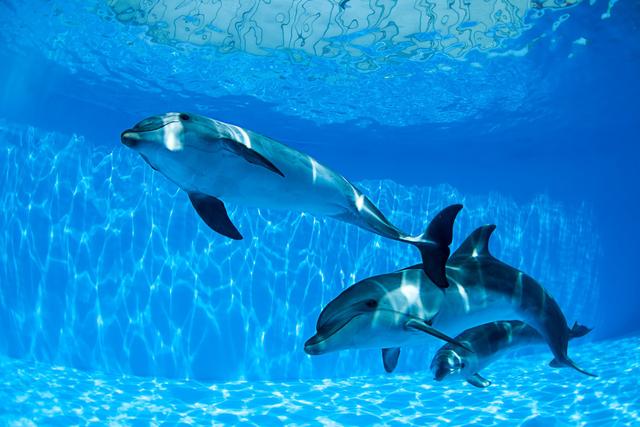
The marine dolphin searches for wealth in the vast ocean. A school of sardines finds a school of plankton, which feeds on the microscopic plants floating in the sea. And the sardines themselves are food for dolphins, who drive the sardines to the surface, entering the hunting grounds of seabirds. These are the water birds, whose wings, normally allowing them to soar through the air, now allow them to dive six meters below the water. The fish above are attacked by birds, while dolphins pursue them below. After 20 minutes of a feast, the aerial and sea hunters alike have eaten their fill.
Our planet's stability depends on the interconnectedness of different habitats. The water evaporated from the sea condenses into huge clouds. These clouds eventually release rain, but the life-giving rain does not distribute evenly across the land.
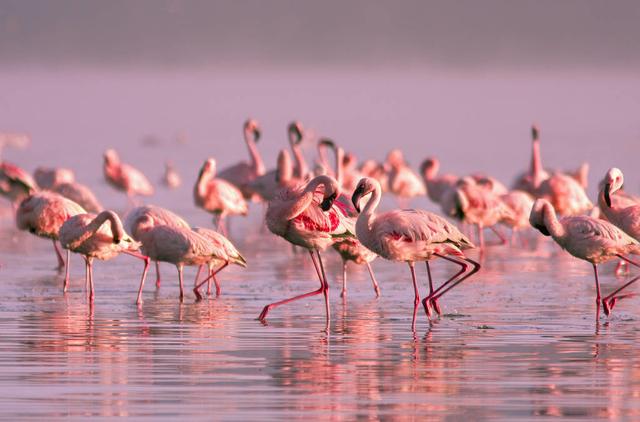
This massive salt lake in Africa is a relic of an ancient lake, now completely dried up, like an oven. There are few places on Earth that are less suited to life than this. Several narrow paths, left by animals searching for water, are futile footprints. But occasionally, the entire landscape changes: a heavy rain falls in the salt lake, triggering some unknown signal. A flock of flamingos flies in from thousands of kilometers away, feeding on algae that they ingest in spore form from the dust. But more importantly, the flamingos breed here. Perfect conditions may occur only once in ten years. The birds build nests on small islands away from the coast, building mounds of mud to place their eggs on. The height of the nest is slightly cooler than the ground level. The water around it is so salty that even predators dare not approach. So the nests are safe. Thirty days later, thousands of baby birds begin to hatch. But there is no shade here, and the water around the island has already dried up, so the last-born chicks enter a desperate world. No matter how, the growing birds must find water to drink, and they cannot fly yet, so they must follow some adult birds. They may walk 50 kilometers, and some will be left behind. Salt has already solidified around their legs. Despite the difficulties, most of the baby birds eventually reached places with water after several days of walking. This was the end of a long journey. But this was only due to the irregularity of the rain, which subjected the flamingos to their first ordeal. If the rain could be more predictable and more certain, life would be more prosperous.
If you're interested in nature and enjoy the above content, join our circle!