Can Cute Raccoons Even Eat? Deadly Viruses Exist in Claws and Feces
When talking about raccoons, many people's first reaction is that they loved to eat dry noodles as children, so raccoons are also called 'Dry Noodles King'.
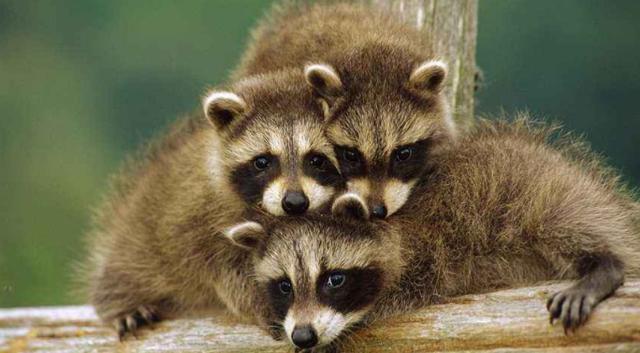
Raccoons originated in North America, accustomed to using their front paws to hunt and grab food, often putting the captured food in water to wash off the sand. This is where they get their name 'Raccoon'. They use their front paws almost as flexible as monkeys, which is rare among animals, making them look very cute and endearing, so they are very popular.
Under the influence of many media marketing, they have been shaped into harmless animal images, so many friends when they see raccoons, they will unleash their playful hearts and always want to touch them, but this behavior is very dangerous.

Our pets, such as cats and dogs, have gradually evolved into lovable creatures after thousands of years of domestication, but raccoons are not, raccoons are wild animals and are not friendly, they will invade people's homes and kill domestic pets as food. In addition, raccoons are major carriers of rabies, which is very dangerous, so don't think that rabies only exists in dogs.
Due to the need for predation, their front paws are very sharp, and once they cut your skin, the rabies they carry can easily enter your body through the wound if you don't get vaccinated or treat it in time, which will cause serious consequences.
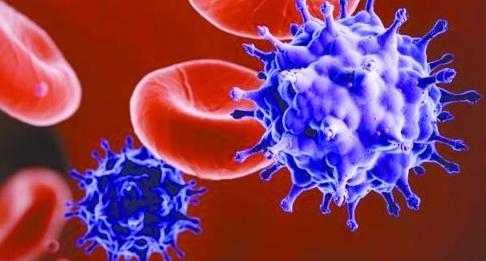
What's even more deadly is the bacteria in raccoon feces. Raccoon feces contain spirochetes that can cause renal failure and meningitis, as well as raccoon roundworms that can drill into people's brains and eyes.
Most worryingly, almost all raccoons carry raccoon roundworms. Unlike the roundworms carried by cats and dogs, raccoon roundworms are much more ferocious. The larvae of raccoon roundworms can continue to develop in the intermediate host, and the larvae that drill into the brain can grow to 2 to 3 millimeters, leaving channels in the brain, causing massive brain necrosis, and finally leading to neurological sequelae or death.
What's even more dangerous is that raccoon roundworms can be transmitted by inhalation. Even if the feces are cleared, places contaminated with raccoon feces may still contain raccoon roundworms for a long time.
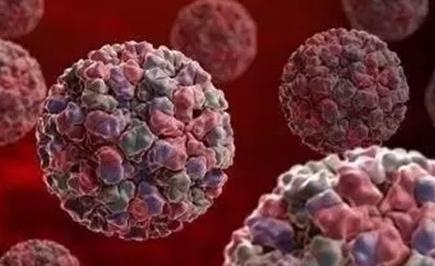
So don't look at wild animals with human preferences, and you must never touch wild raccoons. In addition, you must be careful when handling raccoon feces.
Friends, how do you view the issue of eating wild meat? Feel free to leave a comment below and share your life experience.