What is Cutaneous Myositis? Although it is not common, it can affect a dog's quality of life.
Cutaneous myositis is not as common as other dog diseases, but it is also an overlooked and serious disease that affects certain breeds of dogs' skin and muscles. Understanding this disease can help dogs receive early treatment, so that dogs with cutaneous myositis can recover quickly and reduce pain.

What is cutaneous myositis?
Cutaneous myositis is considered a hereditary or inherited disease, but there is currently no complete understanding of it. However, experts believe it is an immune-mediated disease that can affect dogs' muscles and skin. It also causes various symptoms, with skin damage being the most common. Cutaneous myositis appears to be more common in puppies than in adult dogs.

Symptoms of canine cutaneous myositis
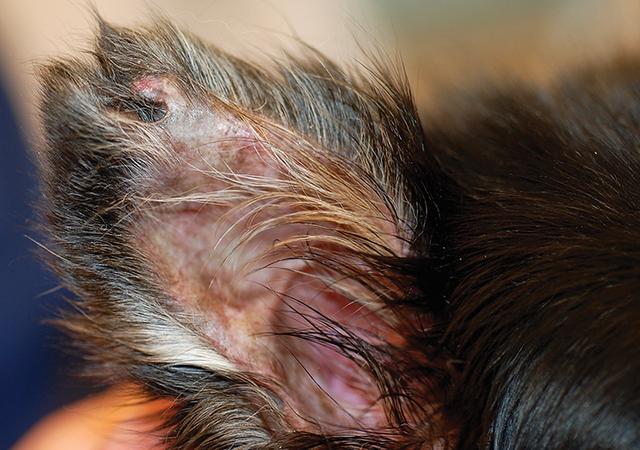
The symptoms of cutaneous myositis involve skin and muscles. The most common manifestations are hard nodules and inflammation in the face or ears. Skin damage can be painful, bleeding, and may appear only on the face or spread throughout the body, but the severity of the disease varies from dog to dog. In the early stages of cutaneous myositis, owners may see sores on their dogs' faces, but this symptom is also easily overlooked and may not be noticed. As cutaneous myositis continues to develop, some puppies' muscles will decrease, making them feel weak and prone to sleepiness, or even due to the appearance of giant esophagus, they have difficulty swallowing. Some dogs with an enlarged esophagus need to eat while sitting, otherwise they cannot keep food in their bodies. When muscle weakness appears on dogs, facial paralysis, muscle stiffness, and walking difficulties will follow.
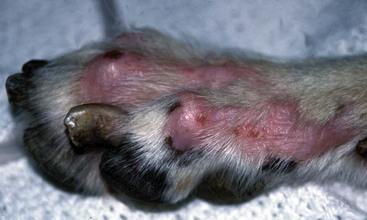
Adult dogs rarely develop cutaneous myositis, so it is mainly a puppy disease. Symptoms may appear as early as 7 weeks of age, but are usually seen at 6 months of age.
Symptoms:Abnormal hair loss, hardened skin, ulcerous lesions, damage to the face, ears, eyes, and tail tips, muscle atrophy, enlarged esophagus.
Causes of cutaneous myositis
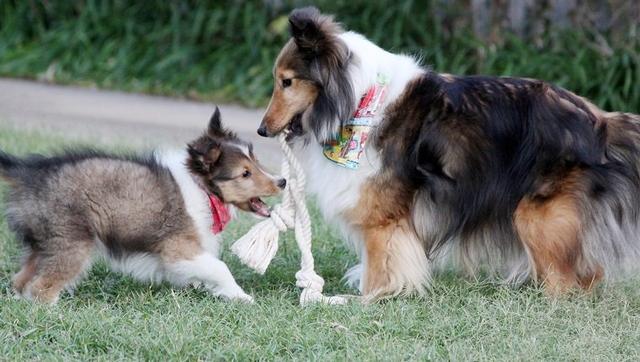
The causes of cutaneous myositis have not yet been fully studied, but we know that it is a hereditary disease, which is inherited between dogs, and there is a clear family tendency. This means that if one dog has cutaneous myositis, it is likely to be inherited by its offspring. Some studies also suspect that vaccinations, ultraviolet irradiation, and other environmental factors can affect dogs' immune systems, leading to cutaneous myositis. Humans also suffer from cutaneous myositis, and we find that the situation of cutaneous myositis in humans and dogs is very similar.

Treatment
Dogs with cutaneous myositis are highly dependent on symptomatic treatment. This hereditary disease currently has no cure, so our goal is to allow dogs to maintain comfort for as long as possible and reduce pain. Drugs and vitamins used to treat cutaneous myositis can be very expensive, and caring for dogs requires a lot of time and effort.
Colchicine, Vitamin E, Sulfazalumide, and Cyclosporine are commonly used to treat cutaneous myositis. Avoiding ultraviolet irradiation and other activities that may further damage the skin are also important. When bathing dogs, special shampoos should be used, and feeding also needs to be done in a special way.

How to prevent cutaneous myositis
Genetic testing can be used to test the probability of a dog developing cutaneous myositis. Selective breeding is the best way to prevent cutaneous myositis in susceptible breeds. Dogs that have been diagnosed with cutaneous myositis and their first-degree relatives should not continue to reproduce in order to reduce the possibility of hereditary cutaneous myositis.

When a dog is diagnosed with this disease, it may change many things, but as its owner, you should not give up or abandon it, even if it cannot be raised, you should handle it properly.