Deep-Fried or Barbecued Locusts: Juicy Meat, Delicious Like Shrimp, Taste to Know
Estimated to number over 3.6 billion locusts, originating from countries such as Kenya, Somalia, and Ethiopia, they moved and flew over, successfully landing in South Asian countries like India and Pakistan, following the sea breezes of the Indian Ocean.

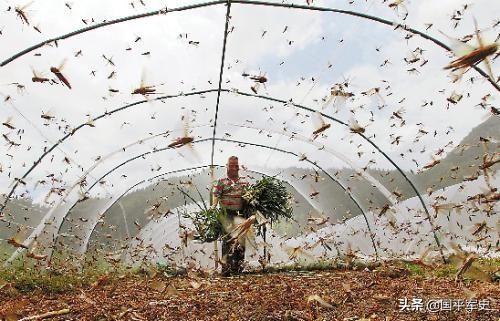
Dense swarms of insects swept across the fields, devouring all the crops, and local farmers wept bitterly. This season's harvest will be completely lost. Ugly and hideous locusts!
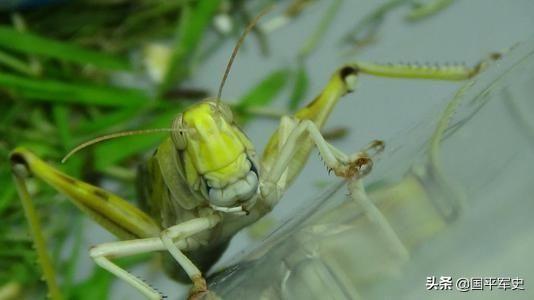
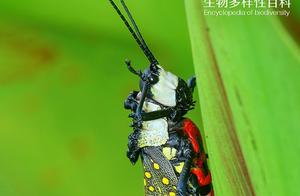
According to the knowledge from Sogou Encyclopedia, locusts, also known as grasshoppers, there are more than 10,000 species worldwide, over 1,000 species in China, distributed in tropical and temperate grasslands and deserts.
Locusts are typically green, gray, brown, or dark brown in color, with large heads and short antennae. Their forewings are hard and extend laterally like saddles. They are extremely resilient and can explode in large numbers during severe droughts, posing a disaster to nature and humans.

Due to their herbivorous nature, locusts prefer to eat succulent leaves such as cabbage, sweet potatoes, and bitter melon, as well as other crops in the fields. Therefore, locusts are a pest, especially for farmers, but a delicacy for foodies.

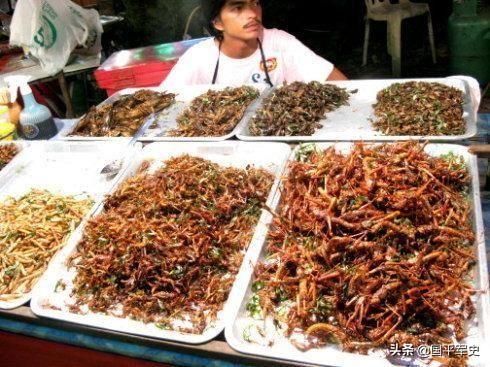
At the food festival held in Hangzhou, the content pushers had tasted deep-fried locusts or barbecued locusts, with a beer, which was a delicious treat. Deep-fried locusts, with a sprinkling of starch, are golden and dry after frying, combined with sesame oil and chili spices, creating a tempting aroma. The crisp texture with a hint of grain fragrance.
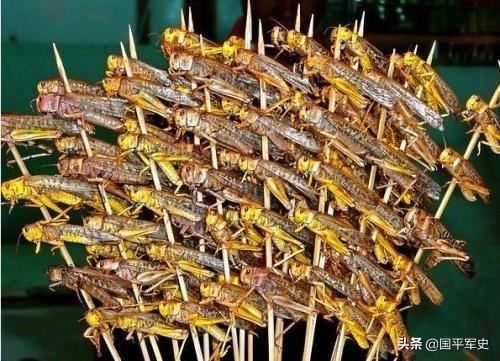
Eating grilled locusts, skewered on a bamboo stick and slowly roasted over a fire, with edible oil brushed on the locusts. The roasted locusts are crispy on the outside and tender on the inside, sprinkled with salt, sesame, MSG, cumin powder, and chili powder. Those standing nearby, smelling the aroma, were drooling. As we know, the taste of locusts is delicious, like shrimp, or even better than shrimp.
Scientifically, locusts contain less fat and cholesterol than meat, making them an ideal food for obese, hypertensive, and cardiovascular disease patients.
In addition, locusts have water, protein, vitamins, minerals, and carbohydrates, especially chitin, which is considered a treasure for humans in the 21st century and may be the ideal food for humans in space in the future.