The Daily Life of the Black-winged Sandpiper
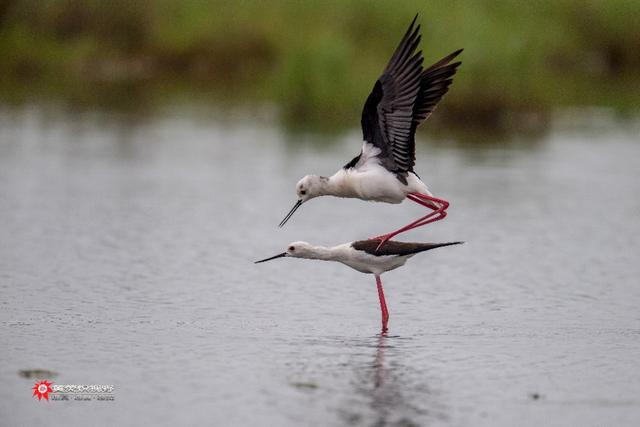
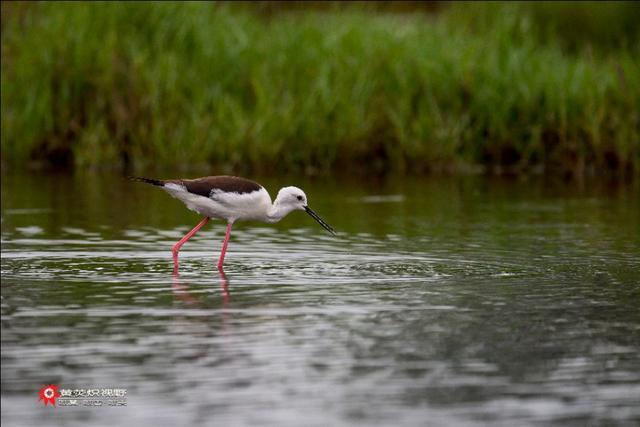
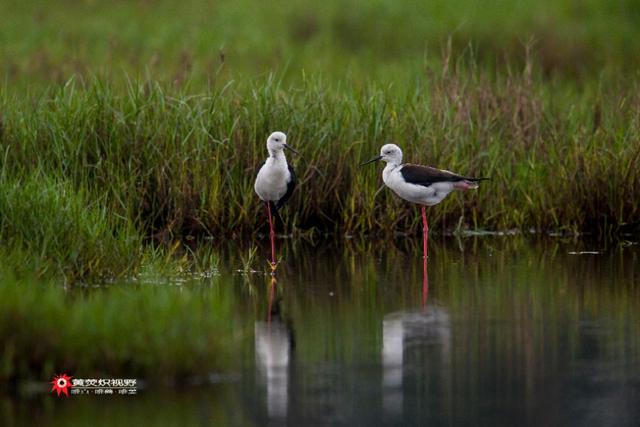
Black-winged Gull (scientific name: Himantopus himantopus), is a shorebird of the sandpiper family, Long-legged. The body length is about 37 cm. The characteristic is a slender black beak, two wings black, body feathers white, long legs are pink. The back of the neck has black. It lives in open plains, grasslands, lakes, shallow ponds and marshes.
On April 9th, I drove to Jiya Town, Tiandangcun, just to specialize in photographing this Black-winged Gull!
Bird enthusiasts in Zhanjiang know that there is a secluded pond in Tiandangcun, where a group of Black-winged Gulls live year-round.
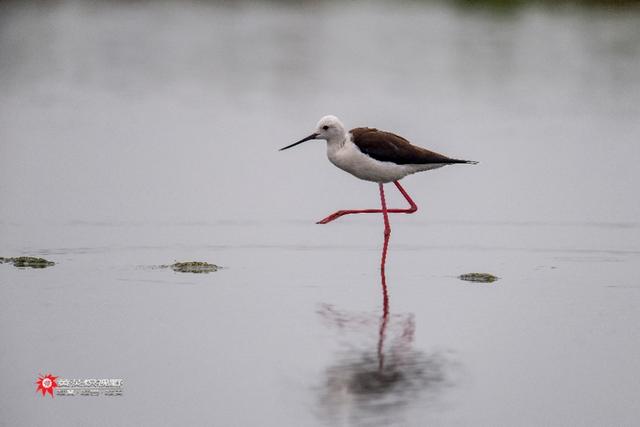
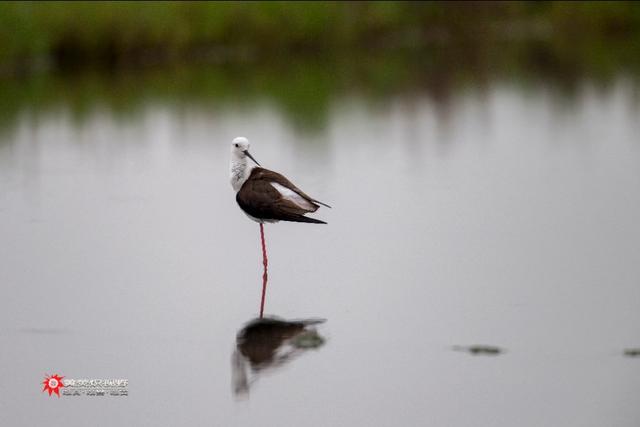
The daily activity of Long-legged Gull is actually quite monotonous, always digging and foraging, occasionally flying, and occasionally mating for a few seconds, or standing on one leg to rest.
Photographing Black-winged Gull has a certain difficulty. Its wings are black, and its body is white. Overexposure makes the body lose details; if underexposed, the wings become a mass of black. Especially the eyes are small, it's hard to capture the light in the eyes.
I sat and waited by the pond for a whole day, unconsciously taking over 3,000 photos. That night, I sorted through the photos and planned to present them in three chapters: foraging, flying, and mating.
Let's take a look at the foraging scene first:
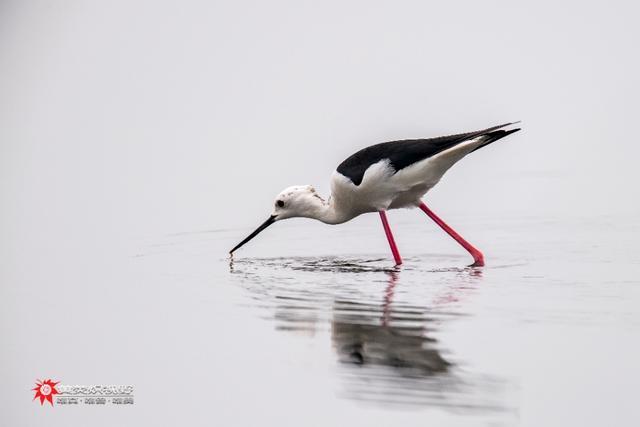
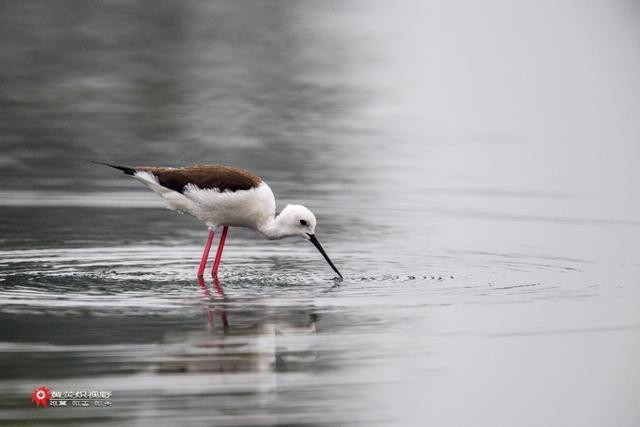
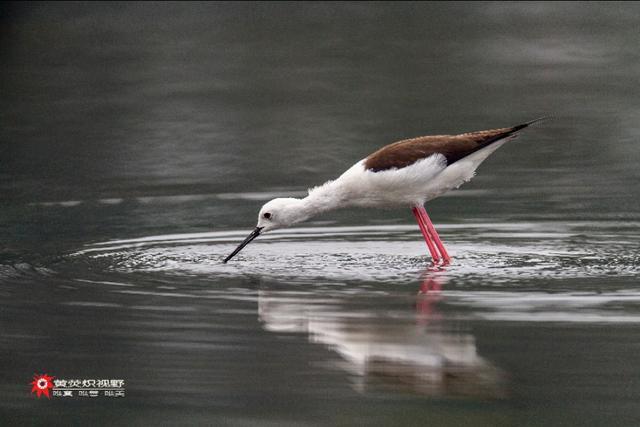
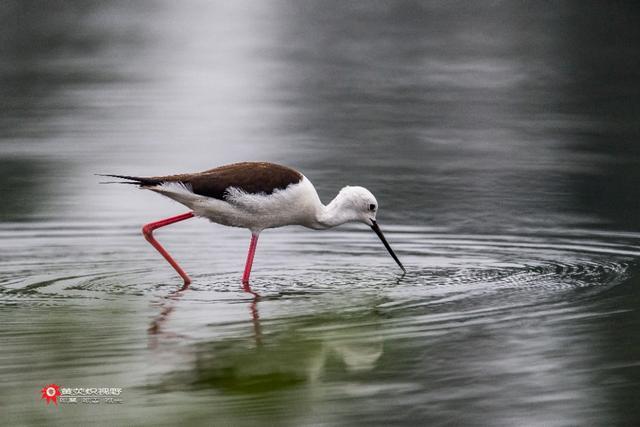
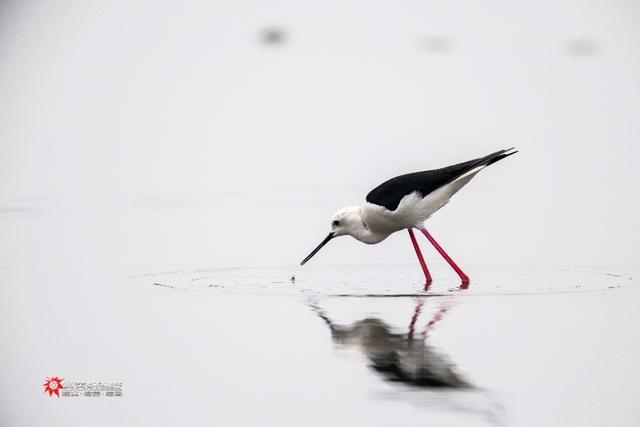
Let's take a look at their mating scene:
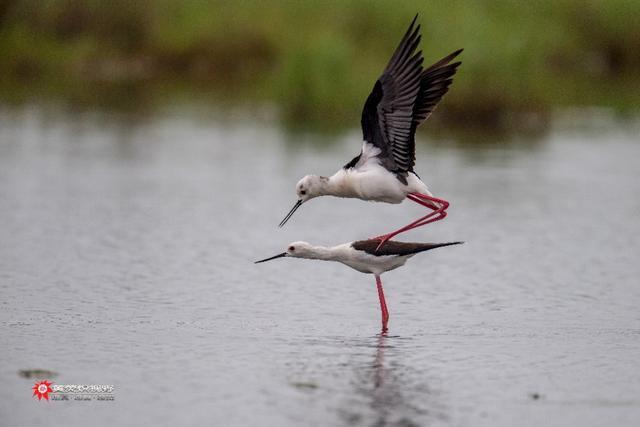
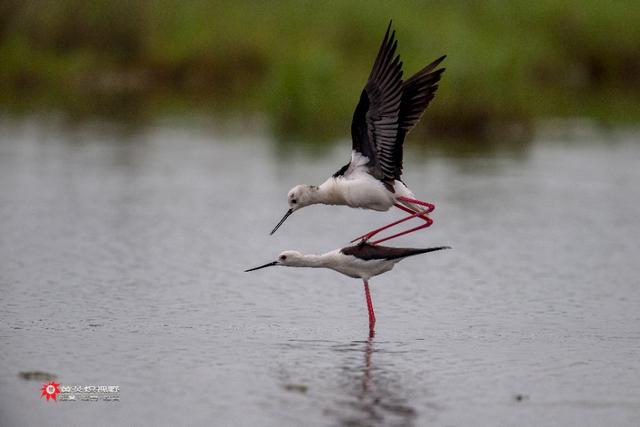
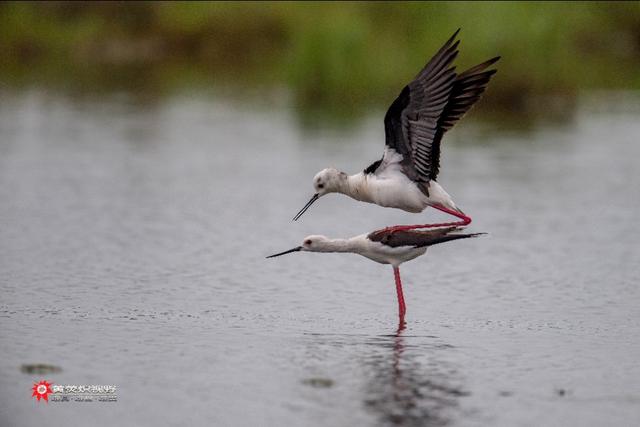
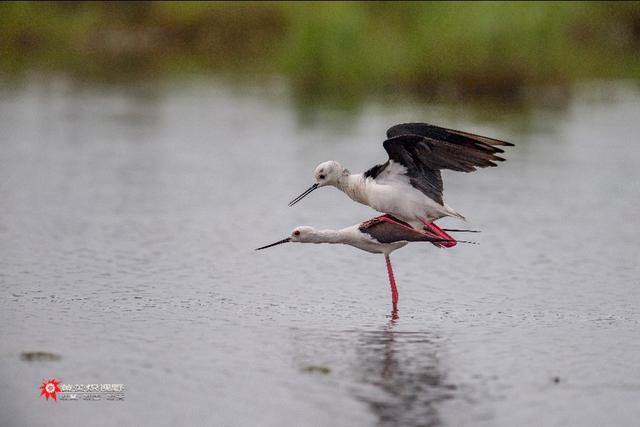
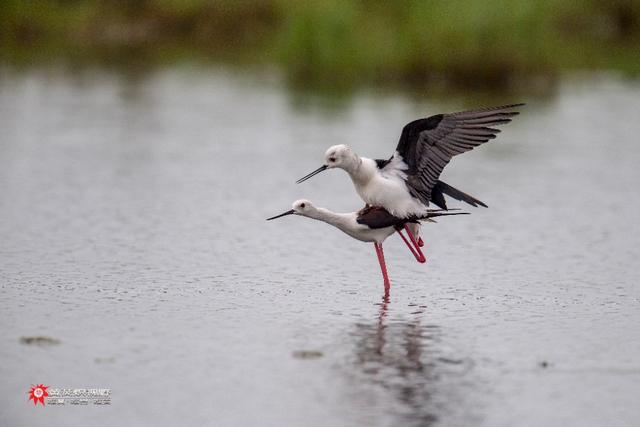
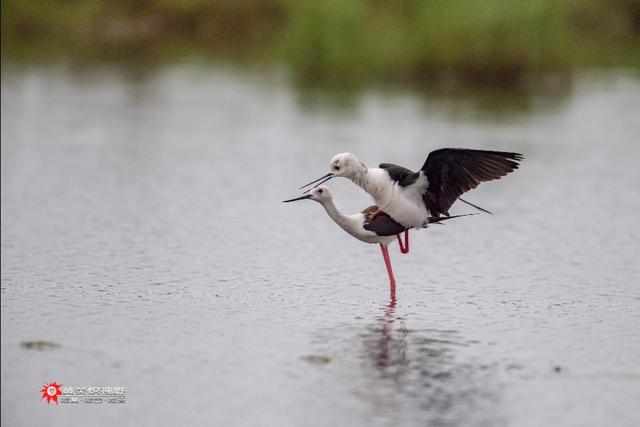
With careful observation, you will find that Black-winged Gull has a precursor when mating. They have relatively fixed courtship behaviors. First, they approach each other, then the male gull will circle the female gull, splashing water to tease, if the female gull agrees, it will stand steady, stretch its neck, and tense its body, waiting for the male gull to step on its back. After the male gull jumps onto the back, it will gradually lower its tail according to the six diagrams, completing the mating action. After finishing, they will stick their necks together and cuddle for a moment before parting ways...
Now, let's admire the flying prowess of Black-winged Gull:
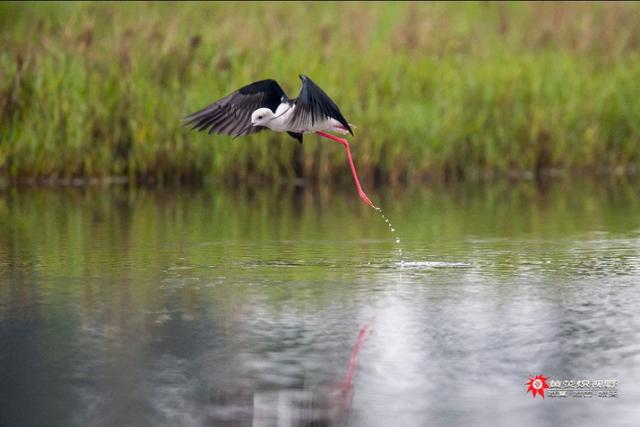
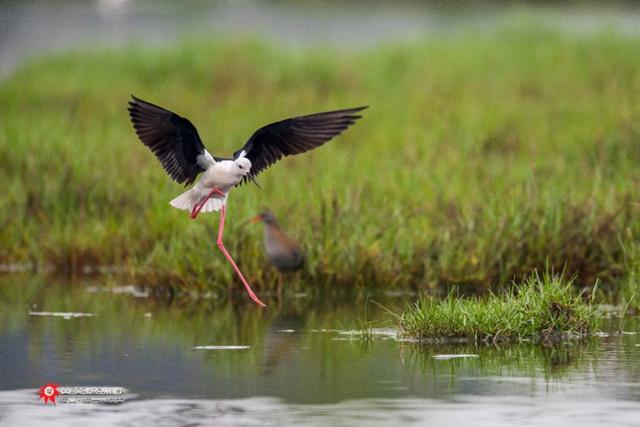
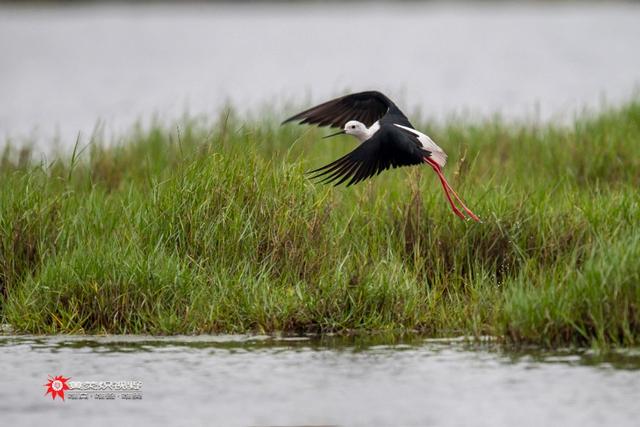
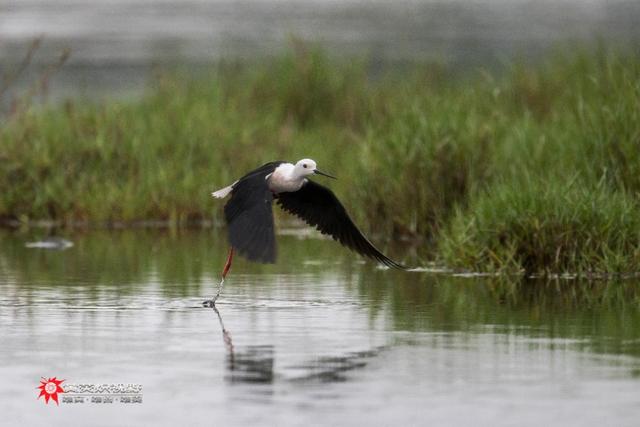
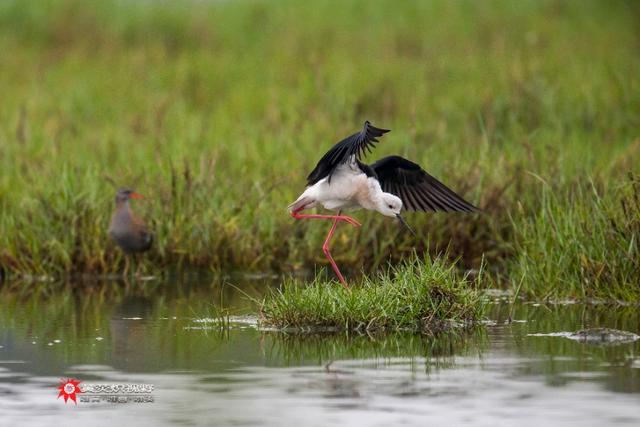
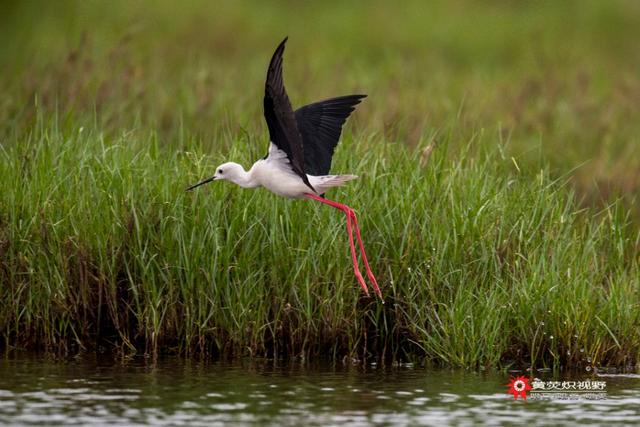
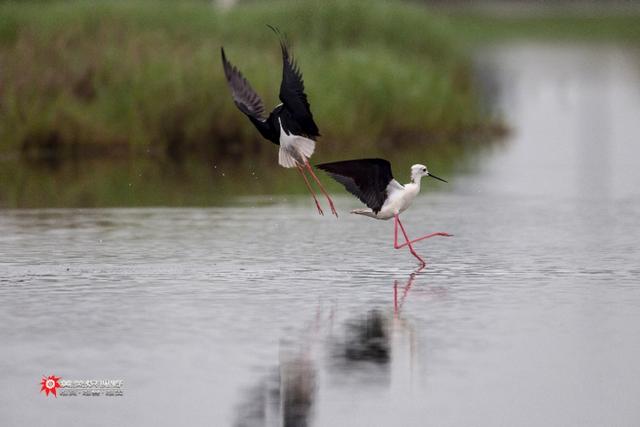
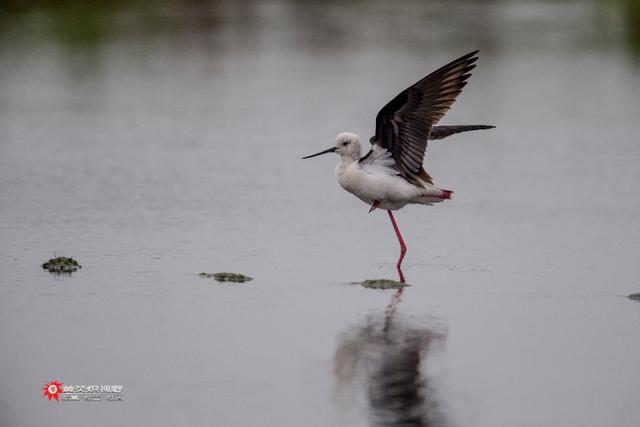
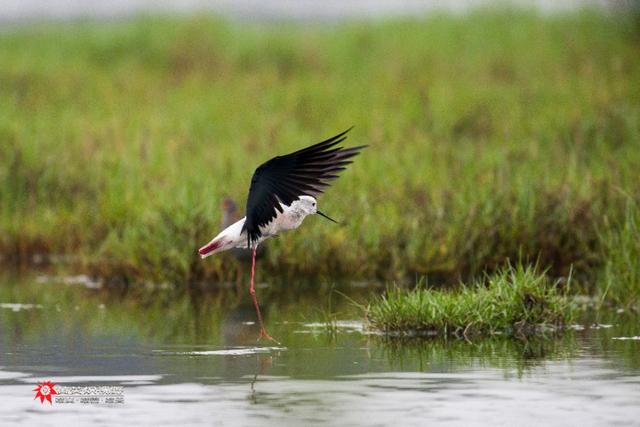
I found that Black-winged Gull's flying is difficult to photograph, mainly because it’s not beautiful. It’s not beautiful when it doesn’t fly, after all, its head is small, its eyes are small, and its legs are particularly long, which always feels disharmonious. But genes are like this, it's a result of win-lose selection.
Thinking about it, this appearance also has reasonable places. If its legs are not long, how can it forage in deep water?
There are, and they are all reasonable.
Okay?
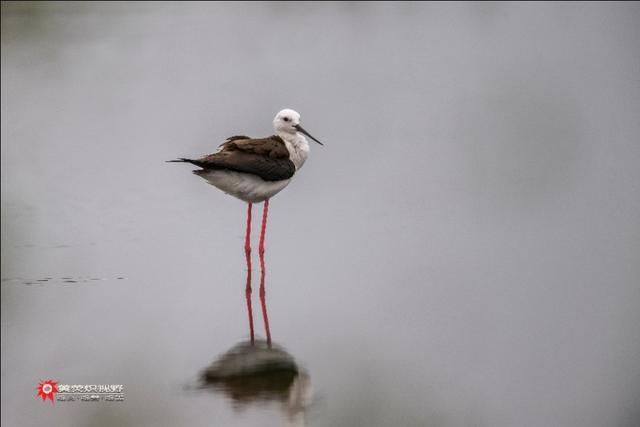
Finally, I want to show you the scene of it resting.
After eating, after being tired, it rests alone with one foot, for a moment:
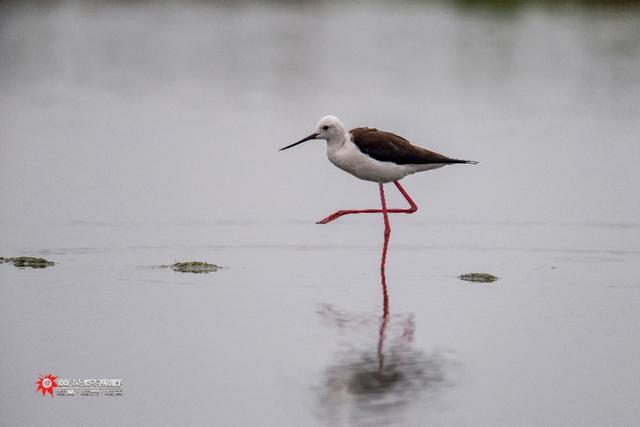
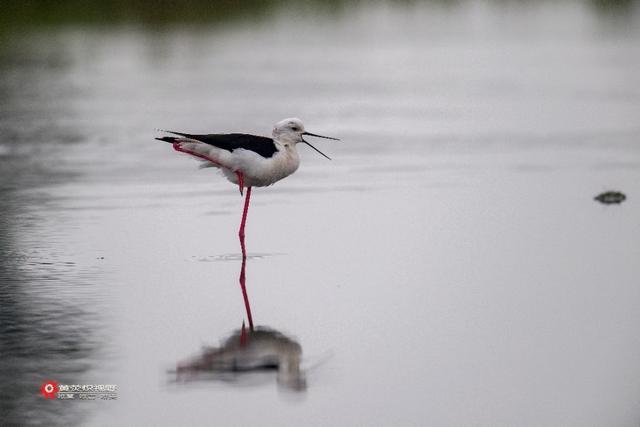
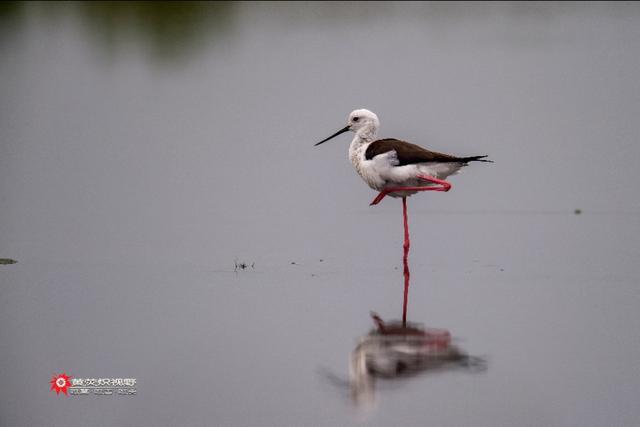
Thus, I think I have described the daily life of Black-winged Gull in detail.
I hope you will love and protect it based on your understanding.
Thank you!