6 Methods to Check if Your Dog is Sick - Practical and Useful for Dog Owners
For dog owners, many people don't know if their dogs have problems. Why do they not know if they have problems? Because many dogs will have certain diseases and symptoms, but they won't show up during normal times, and if you don't observe carefully, you will definitely not find them. When the symptoms erupt, they are more serious.
Today we introduce 6 kinds of methods to determine whether our dogs have problems through general checks. Because for our own pets, many people pay a lot of attention and hope to raise them better. Through these 6 kinds of check methods, we hope to discover some important symptoms.
Through general checks, we can understand whether our dogs have diseases and symptoms, and can also discover some important symptoms. This is of significance for further checks, such as systematic checks, auxiliary checks, or special checks. The general checks we mentioned include external checks, hair checks and skin checks. Secondly, we will introduce the examination of visceral mucous membranes, such as body temperature, breathing, pulse, etc. These methods will all be introduced.
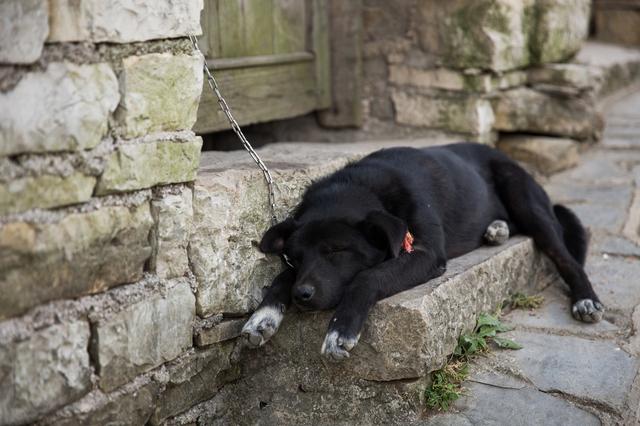
External appearance check.
How to check the actual situation of the dog, first we need to check and understand its external situation, focusing on its mental state, nutritional condition, development and physique, posture and walking state. Because external checks can identify some basic and fundamental diseases, which are beneficial for our raising methods.
Mental stateThe mental state is a very important indicator of a dog's health. A healthy dog is alert and responsive, with bright eyes and a friendly greeting when seen by the owner. These are normal symptoms. However, when a dog has a disease, mental abnormalities may manifest as inhibition or excitement. When the dog is inhibited, it mainly manifests as listlessness, with no energy in its eyes, movement is slow and unresponsive to calls. It is sluggish and lethargic, and has a sluggish reaction to its surroundings, and in severe cases, it may fall into a coma or sleep. When the dog is excited, it may be frightened, anxious, or even disregard collisions, spinning in circles, barking frantically, or even have seizures and attack other people and animals.
Nutritional conditionJudging whether it is normal growth, mainly based on the muscles, subcutaneous fat and hair gloss, etc. We generally divide nutrition into three categories: good, medium and poor. A dog with good nutrition has full muscles, bones are not exposed, its hair is smooth and its skin is elastic. A malnourished dog has a thin body, bones are exposed, ribs can be seen, hair is coarse and not shiny, and skin elasticity is low. The dog in the middle category is between the two.
Development and physique
Development and physique problems can also prove whether our dogs are healthy and their physical development is in accordance with their age and breed. Strong muscles, strong physique, if the body is small and the body development is not consistent with age and breed, such as the most obvious appearance, the head, neck, trunk and limbs are not proportional, this is called physical deformity.Posture and walking state
Healthy dogs walk naturally, move flexibly and coordinately. When someone approaches, it will immediately stand up and react quickly. It looks light and graceful. When the dog is sick, its posture and gait are abnormal. Sometimes standing is unnatural or unstable, unable to stand or walk incoordinately. Hair and skin check
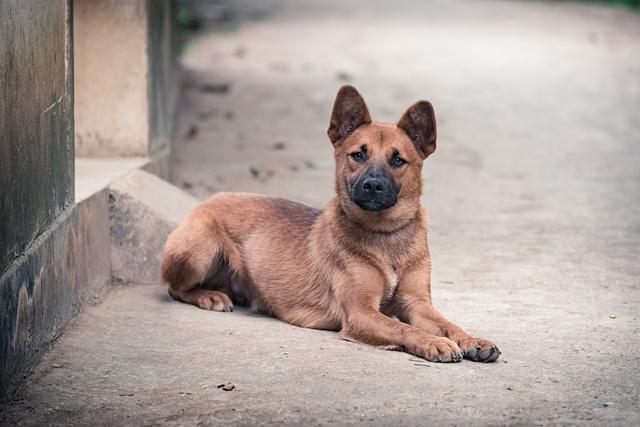
After completing the external check, if no other problems are found, we can preliminarily judge that the dog is healthy. Then we need to conduct a check on hair and skin.
Hair and skin status is one of the signs of a dog's health. Skin check includes skin temperature, humidity, elasticity, odor, color, swelling, ulcers, papules, blisters, tumors and dandruff. The main point is to analyze the length and density of hair in relation to the breed, but the most important thing is that there is no hair loss. If there is hair loss, there will be other problems or diseases.
Visceral mucous membrane check
What is a visceral mucous membrane check? It means checking the places where we can see the mucous membranes, to see if we can identify any problems. For example, the conjunctiva of the eyes, the mucous membrane of the nose, the mucous membrane of the mouth and the mucous membrane of the genitals. We mainly check the conjunctiva.
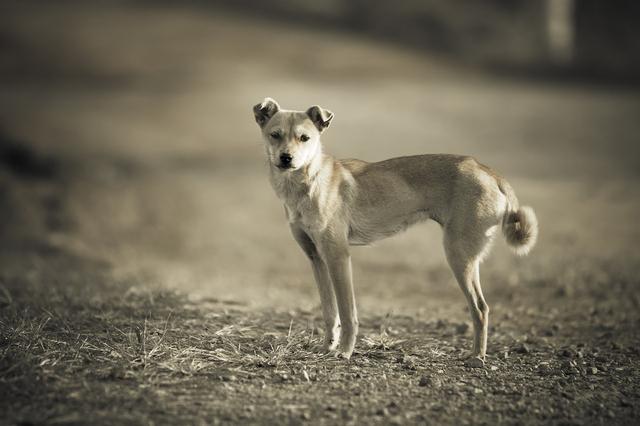
When checking the mucosa, we mainly observe its color changes, swelling, ulcers and secretions, as well as other properties. A healthy dog has pink conjunctiva. When observing the conjunctiva, it should be compared with the natural light to see if it is affected by swelling or changes, and whether there are secretions such as white, yellow, itchy, or red, dry, or festering. When checking the eyes, we need to pay attention to the eye ball and cornea pupil state.
Body temperature measurement
Body temperature measurement is the most common examination project for dogs with diseases. Many diseases are accompanied by changes in body temperature.
How to measure a dog's temperature, many people don't know. Usually insert the thermometer into the anus, wait 3~5 minutes and then take it out to see the temperature. Now you can use electronic thermometers, which only take 10 seconds to accurately check for problems. The normal body temperature of a dog is 37.5~38.5 degrees. A dog's body temperature may be higher, up to 39 degrees.
When measuring a dog's body temperature, it must be measured multiple times, once in the morning and once in the afternoon. Record the temperature curve. According to the body temperature curve, you can diagnose the disease.
Pulse check
Where to check the pulse of a dog? Can be palpated on the inner side of the back leg and inner side of the thigh. When palpating the pulse, a healthy dog's heartbeat is 70~120 times per minute. A dog's heart rate may be higher, up to 100 times per minute.
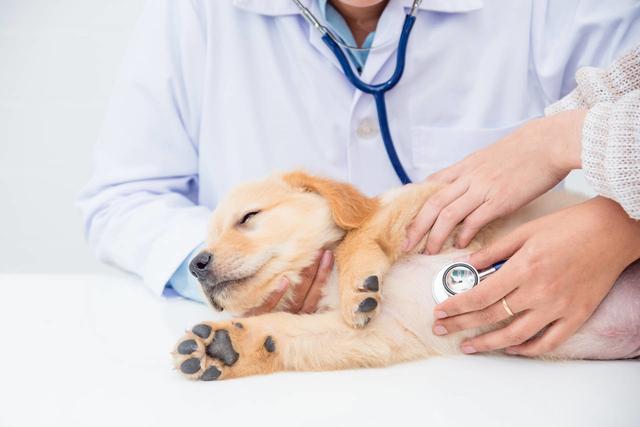
If the pulse is too weak, you can't feel it, it's likely that the dog has a problem.
However, when checking the pulse, first determine whether it is over-exercised or excited, and it may cause the pulse to change.
Breathing measurement
Generally, many people use breathing to measure whether a dog is healthy. Because when it's quiet, the dog's breathing is stable and not very big. In winter, we can observe the exhaled air current.
A healthy dog's breathing is about 30 times per minute. When it's hot or excited, its breathing frequency will increase. Compared with a big dog, the breathing frequency is also different. It is important to note that if the dog is pregnant, its breathing will also change, so pay attention to observe the breathing frequency.
Generally, in many diseases, body temperature, pulse and breathing frequency will change. And these three things are related to each other. So when we look at the dog's specific problem, we need to quietly record it, so that we can quickly judge whether there is a problem and treat it quickly.
The above is the general check of the dog. Don't know if it can help you. If you like us, please click to follow. Our headline will update more dog knowledge and sharing.