Drought, Pollution, Climate Deterioration… Platypus May Decline by 70% in 50 Years
Life's Report Special Correspondent Yu Ting
Due to drought, land clearing, pollution, and the construction of large dams, the Australian endemic animal, the platypus, has disappeared from 40% of its historical habitat range along the east coast. If the worsening predictions of climate change are taken into account, the number of this duck-billed, egg-laying mammal could decline by 73% by 2070.
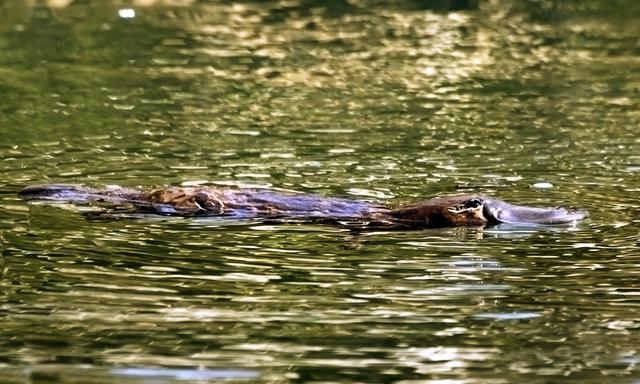
Currently, the International Union for Conservation of Nature has listed the platypus as 'Near Threatened'. Drought has had the biggest impact on this animal, with some ponds having dried up or become filled with mud, and the remaining ponds being used by wild horses, wild pigs, and livestock. In some platypus corpses found, their bellies were empty, and they were all infected with bacteria such as dysentery. Australian University of New South Wales scientists say that the long-term effects of reduced rainfall and high temperatures on river systems have also worsened the animal's situation.
According to surveys, the total platypus population has declined by 50% since Europe colonized Australia two centuries ago. Researchers say it is urgent to conduct a nationwide risk assessment of the platypus to analyze the conservation status of this species. ▲