Which Animals Share Similarities with Human Behavior? Magpies Not Only Mourn the Dead but Also Hold Funerals
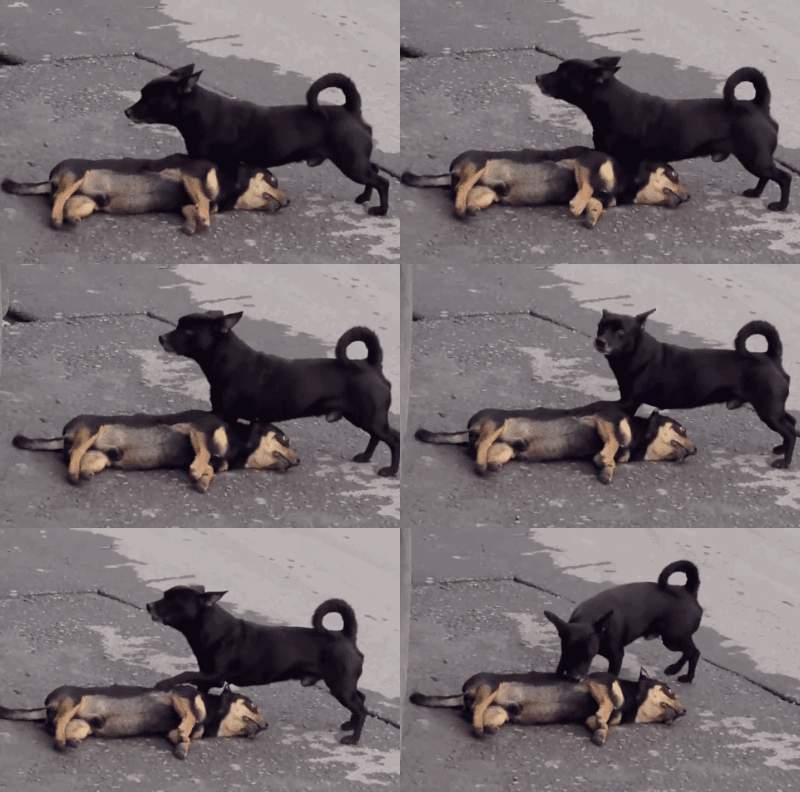
People have always believed that animals also experience joy, anger, and sadness, and will feel sad just like us.
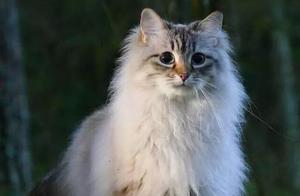
Dogs mourn their owners and mourn their companions; cats get sad when they don't get their food on time, because their owners like to sleep in on Saturdays. Chimpanzees, a primate species, exhibit this more noticeably; they can mourn just like we do. After one member of a group dies, the others will stop eating for several days, normally lively ones will become silent, and they will stare at the body for a long time.
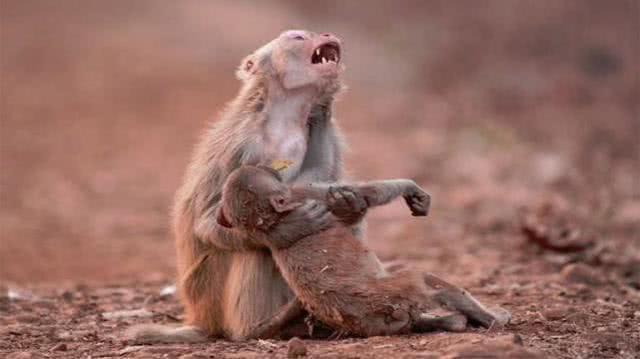
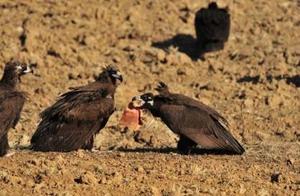
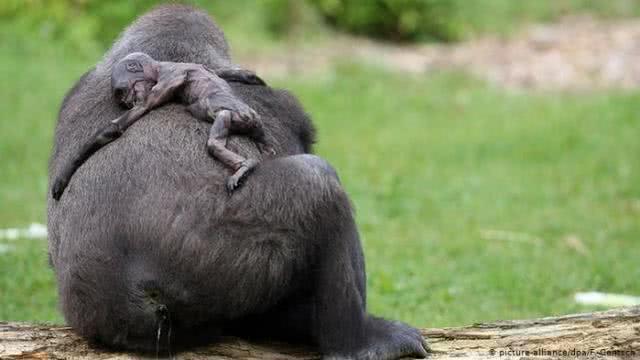
Scientists believe that many animals, especially mammals and birds, will grieve for deceased members. The human-specific practice of burying the dead or holding funerals is something that most animals cannot do.
However, there are exceptions, such as magpies.
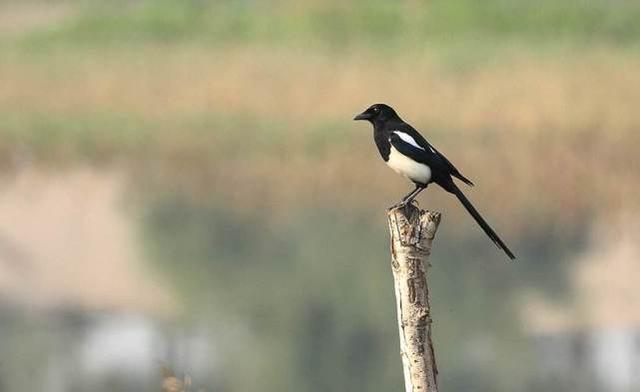
Magpies are a relatively common bird species, distributed widely. Besides Antarctica, Oceania, Africa, and South America, they are found throughout the world.
Magpies also have 'lucky' connotations in folklore, believed to bring good news. The idiom '' (xi zhao mei pao) is the best example, and there are many legends about magpies.
Magpies are not only auspicious, but also beneficial birds. At least 80% of their food consists of pests, therefore, they are helpful to agriculture. Even magpie meat can be used medicinally to treat chronic illnesses.
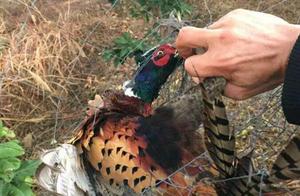
Nevertheless, magpies cannot be captured arbitrarily. In 2000, magpies were listed as a national protected beneficial terrestrial wild animal.
Even the unassuming magpie holds a funeral.
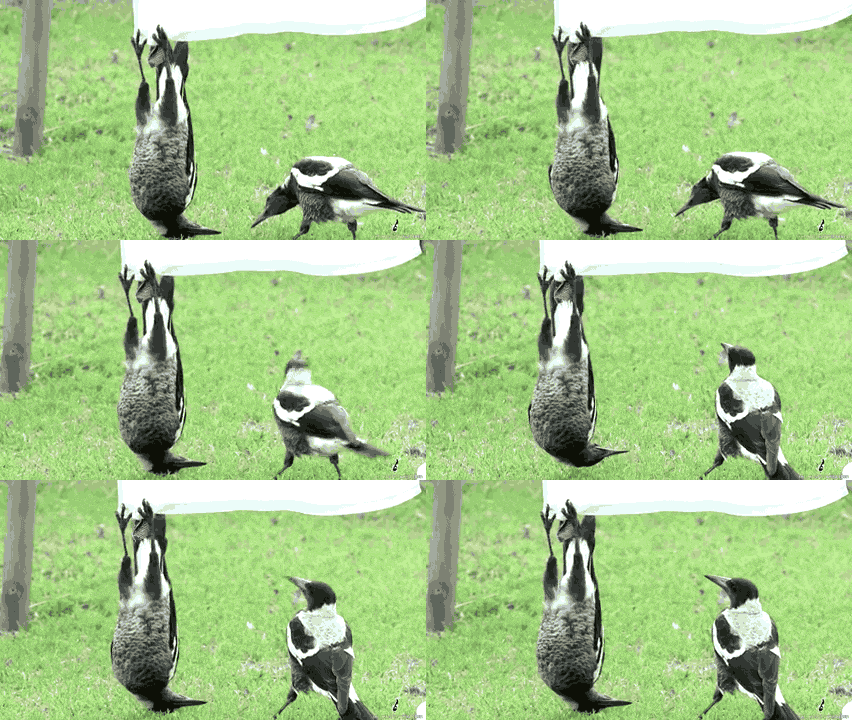
According to reports, the behaviors observed in magpies appear not only to be sadness but also a memorial ceremony.
When a magpie comes into contact with the body of another magpie, it may approach, carefully peck at the body, as if to say, 'Wake up! Wake up!' trying to confirm if it is still alive.
If the body doesn't respond, the magpie will fly away, and after a few minutes, it will bring back some grass and place it next to the body.
Researchers have observed that multiple birds do this, and other magpies will join this special funeral, each bird bringing its own grass, and then staying by the body before flying away.
Finally
Due to our inability to be the eyewitnesses, this is also a matter of opinion.
Regarding the magpie's behavior of bringing grass, is it a funeral or just a normal behavior? What do you think?