Weaponry in the Animal Kingdom
- All living organisms on Earth are carbon-based, and all carbon-based organisms share a common trait – they are flammable.

- Besides, the most flammable component of animals is fat, which is extremely valuable in nature and considered a 'strategic reserve resource,' so it wouldn't be sprayed around carelessly.
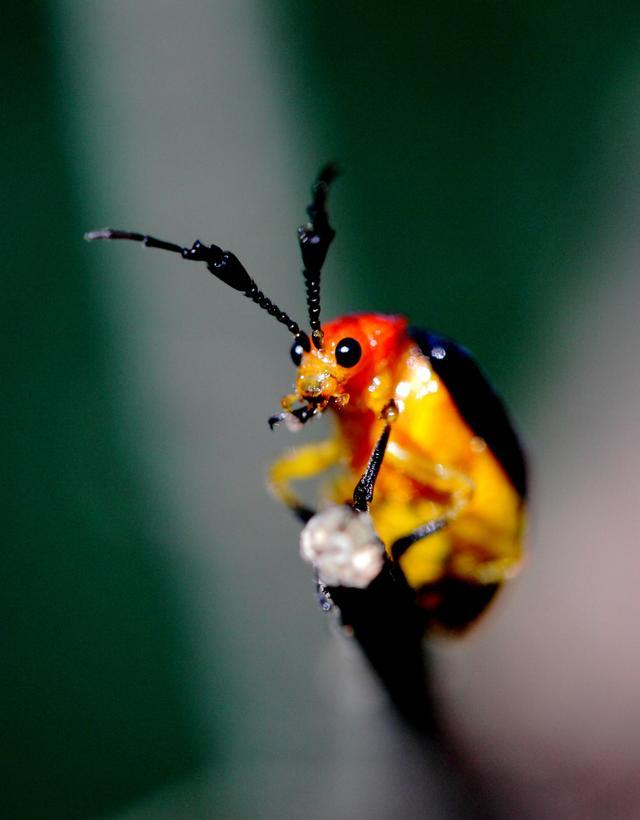
- It doesn't directly shoot fire, but there's one animal that uses heat as an attack method, which is the tiny 'Cannon Step Armor' beetle. I think its attack method is even more ruthless than direct fire.
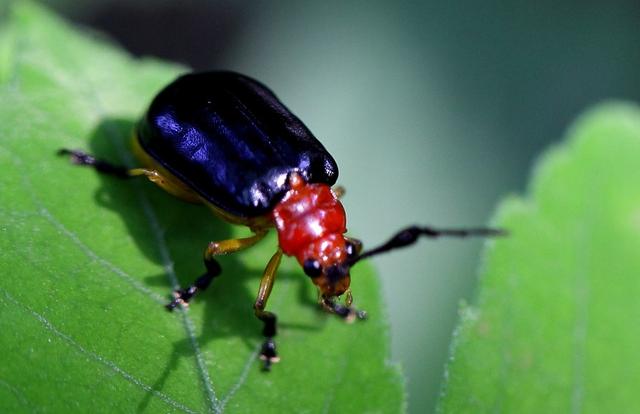
- Fig: Cannon Step Armor.
The Cannon Step Armor's secret technique.
- Cannon Step Armor, aptly named. Despite its length of only one centimeter, it has a 'short-range cannon' mounted at its tail.
- When threatened, the Cannon Step Armor remains stationary, turns its tail to 'aim' at the enemy, and then explodes, spraying high-temperature, foul-smelling, corrosive liquid (superheated steam) at a frequency of 500 to 1000 times per second.
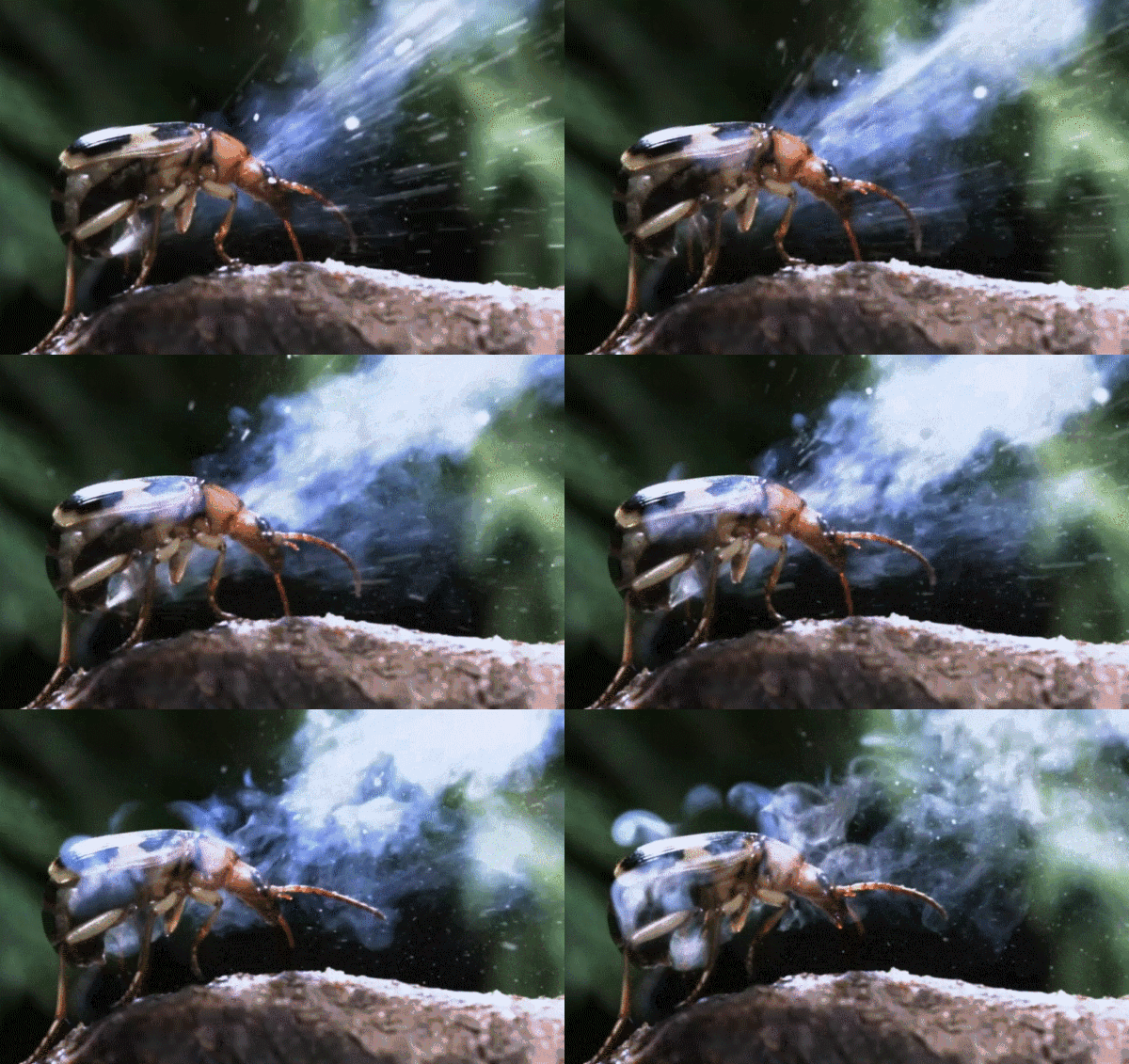
- Fig: Cannon Step Armor in action.
- High heat, acid, and corrosion – these three attacks combined, aren't they more deadly than fire?
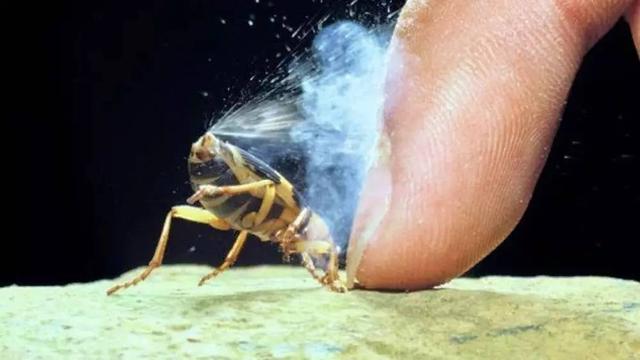
- How do they shoot? And how do they avoid being harmed or cooked by their own corrosive liquid?
- The Cannon Step Armor's 'cannon' consists of three parts: two independent 'fuel tanks' and a 'reaction chamber.' In normal times, the two tanks store hydrogen peroxide and para-phenylene, respectively, and they are virtually invisible and at room temperature, with little corrosiveness. Once these two substances enter the 'reaction chamber,' they react violently, generating corrosive, superheated steam spray (some scholars believe that the two substances are constantly mixed in the reaction chamber and require the Cannon Step Armor to secrete a catalyst to cause an explosion).
Fig: It's pretty cute, isn't it?
- They don't get harmed because most of the chemical reaction occurs outside the Cannon Step Armor's body (on the enemy's body), and the Cannon Step Armor also has sufficient protection. Its abdominal 'reaction chamber' and tail-end nozzle are thick – much thicker than its dorsal elytra, which can resist the high temperature and pressure caused by chemical reactions. In addition, its outer exoskeleton is 'enhanced,' thick and dense, so even a small amount of liquid sprayed onto itself will not cause damage.
- Observations show that a Cannon Step Armor can continuously 'fire' 20 times at intervals of two or three seconds, with a full supply of ammunition! A Gatling gun, 20 boxes of bullets, you can't provoke it!
- “”——“”
- “”2020……
Was this article helpful?