Could Chinese Domestic Cats Survive in Africa?
Actually, there are domestic cats in Africa, and a small part of the cats separated from the wild cats existed as early as 130,000 years ago, evolved into African wildcats, and have been living until now. So, wildcats can survive on the African grasslands.
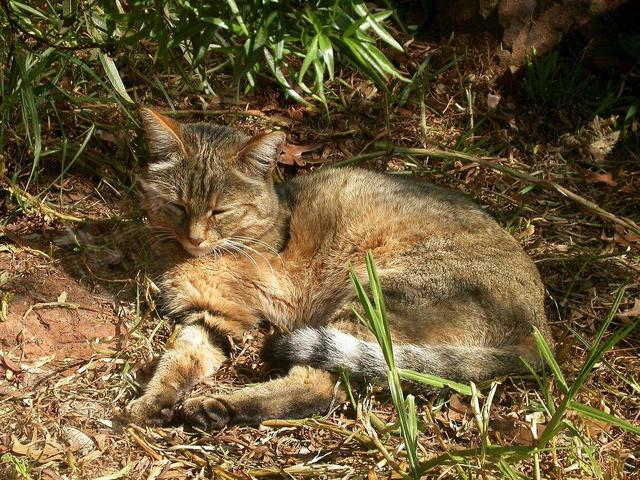
If you put Chinese domestic cats into Africa, would they survive?
This problem can actually help us understand when a species moves away from its habitat and enters a new environment whether it can survive. The key to survival depends on three factors: energy, predators, and the environment.
The factor of energy
For all living beings to survive, there must be a stable and sustainable source of energy
This is crucial for Chinese wild cats as well.Chinese domestic cats are also feline animals

Felines have a reduced ability to taste sweet because they lack the genes that allow them to taste sweetness, so they only eat meat.For wildcats, the main food is small mammals, but they also often prey on birds, reptiles, amphibians, and insects, with a wide range of food sources.Although the African climate has dry and rainy seasons, small mammals rarely migrate during the dry season, so the energy for wildcats is relatively stable.
However, Chinese domestic cats want to survive long-term in Africa, they need to compete with African wildcats for energy, African wildcats are about the same size as Chinese domestic cats, but they have more experience in wild survival, and they are likely to find prey more easily.
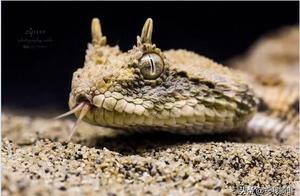
In addition, some large carnivorous birds and snakes also exist with some energy competition, which further shows that Chinese domestic cats want to live in African grasslands, it is difficult.
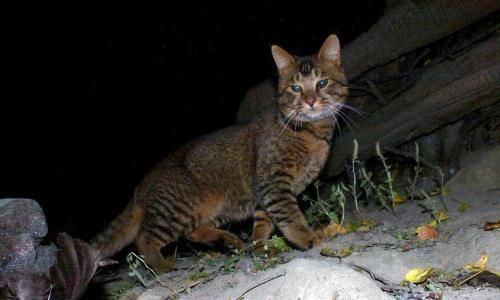
Predator factor
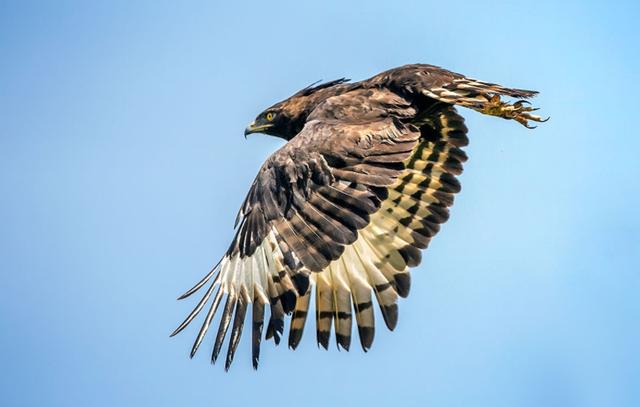
Cats have few predators, but there are some in the African grasslands. Some large carnivorous birds not only compete with them for energy but also directly threaten their numbers.
For example: African eagles, they not only hunt rabbits, chickens, and rodents, but also capture cats, occasionally eat small birds and fish. Therefore, even if wildcats can survive in Africa, they will not become invasive species.
However, Australian feral cats became invasive species because wildcats existed. Because wildcats did not pay much attention to the agile and fast rabbits in Australia, they went to eat the clumsy birds in Australia.
Due to the lack of large carnivorous animals in Australia, Australian birds are not very agile, so they are easily caught by wildcats. Local people once organized the elimination of wildcats to protect the environment, but they were opposed by cat lovers. Nevertheless, even in some villages, cats are not welcome species, and once the owner does not take care of their cats, others have the right to eliminate them.
Environmental factor
Once a species leaves its original habitat, it faces
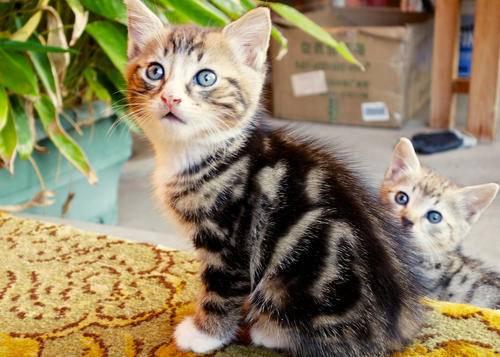
Local environmental constraints
For example, snakes that live in warm areas cannot live in cold areas; bears that live in polar regions also show abnormal reactions in warmer areas.Currently, cats have a strong ability to adapt, except for extremely cold places, cats are distributed almost all over the world, so cats can survive in Africa as well.Biological invasion
In fact, no matter what cat is placed on the African grasslands, it will not have a significant impact on the African grasslands, because there are already cats in the African food chain.
Biological invasion refers to a species that does not originally exist in a place, when this species suddenly enters the food chain, if it can adapt to the environment and there are no predators, it will cause a serious impact on the environment.
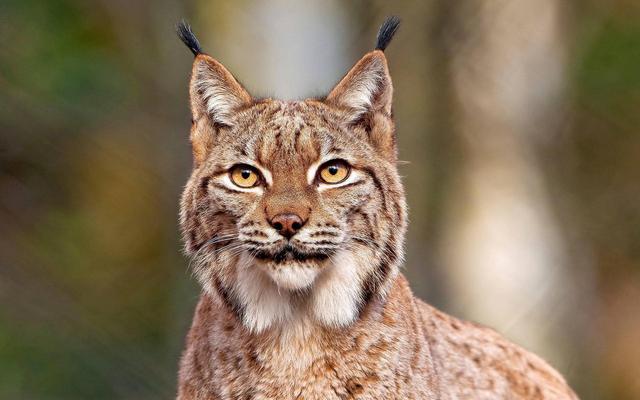
For example, rabbits in China are affected by predators such as lynx and eagles, and their numbers have not changed much. However, without the predators of rabbits in Australia, plus rabbits can adapt to the Australian environment, so rabbits have become uncontrolled in Australia and become invasive species.

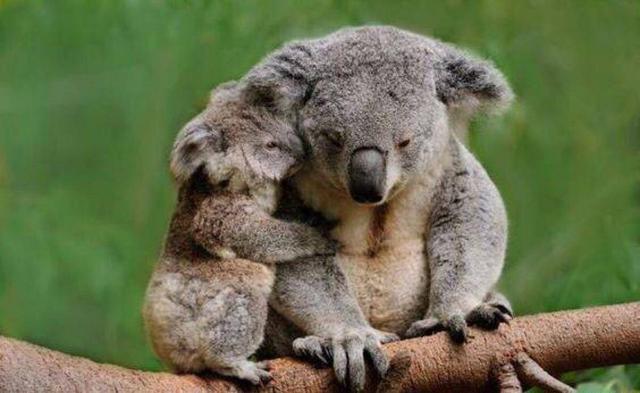
But if Australian koalas come to China, they will not become invasive species. Firstly, koalas only eat eucalyptus leaves, and there are few eucalyptus forests in China, so
Koalas' energy source is limited
Once the number of koalas reaches the amount that the eucalyptus forest can bear, the koala population in that area will face food competition, and the living beings that lose the competition may die.In addition, koalas are slow to move and easily caught by large carnivorous animals such as wolves. This means that the number of koalas is limited by energy and also limited by predators. Therefore, koalas will not pose a threat to other regions if they leave their original food chain.There are many similar cases of koalas, so it's not necessarily that a species that leaves its original food chain will become an invasive species.
Summary
To judge whether a species can survive in a foreign environment, you need to judge whether there is food, predators, and whether the local environment is suitable for the survival of the species.