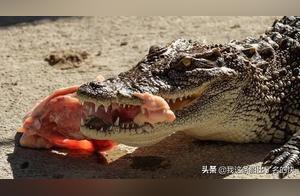
Outbreak Strikes! An Invisible Killer Turns Africa's Paradise into a 'Hippopotamus Graveyard'
In August 2004, patrolling personnel in Queen Elizabeth National Park in Africa discovered several abnormally dead hippopotamus carcasses, and investigators soon intervened. These hippopotamus carcasses were highly decomposed, and investigators felt uneasy because they couldn't find the cause of death.
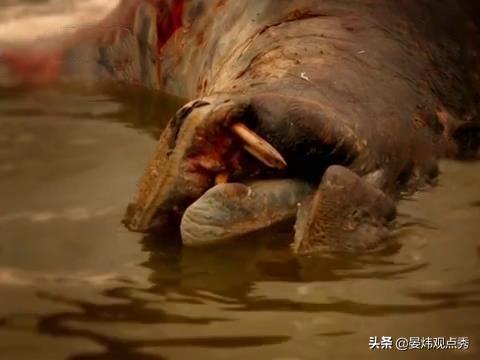
In the following days, more hippopotamus carcasses appeared, and some carcasses floated to the shore where people lived, following the water flow. Hippos are the most dangerous large animals in Africa, and fights often occur among hippo groups due to territory or mating rights. However, these deaths were not due to internal fights.

Large numbers of hippos died, and local villagers were happy because hippo meat was a delicious delicacy on local tables. Locals believed that hippo meat had the effect of promoting fertility, and hippopotamus teeth were also expensive on the black market, which led investigators to believe that the hippos were being hunted. However, the results still didn't match.

Investigators also considered the possibility of heavy metal poisoning, but water quality samples ruled out this hypothesis. At this time, the number of deaths was still rising, considering its contagiousness, and local residents were still eating hippo meat, so Uganda upgraded the event to a national event. A doctor named Risto Haya-Ning was dispatched to investigate, and he has worked in Africa for 25 years. He considered that a microbial infection was the true cause.

Anthrax is the oldest and deadliest bacteria known to humans. Anthrax bacteria exist in a spore form that is almost impossible to destroy. These bacteria can remain dormant in the soil for up to 60 years and can withstand drought, heat, and cold. There are three ways for anthrax spores to spread, including touch, inhalation, or ingestion. If a creature touches them, they will reproduce around the wound or scratch, forming a central black ulcer. If inhaled, anthrax spores will quickly infect the lungs and produce toxins, and the mortality rate of anthrax patients is 90%.
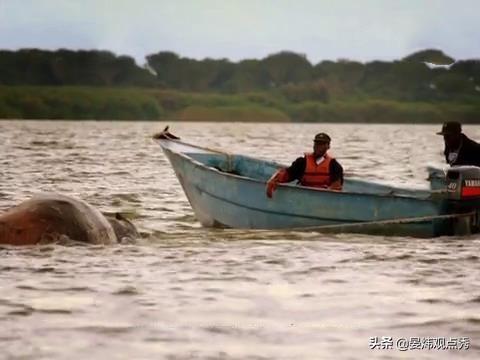
However, the event in Uganda was peculiar because only hippos were affected, and no other animals were affected. The question was, where did the pathogen come from?
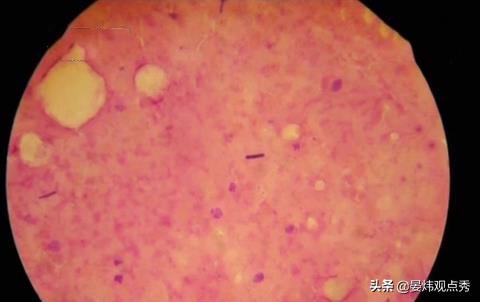
Investigators performed an autopsy on an infected hippo and sent the collected biological samples to the laboratory.

The answer was revealed: anthrax. Risto's guess was correct. In just 42 days, the culprit that caused the death of two hundred hippos was anthrax. The government immediately ordered a ban on residents eating hippo meat and drawing water from the water where hippos died, but it was too late, and in a nearby village, some villagers showed symptoms of infection and quickly died.

Researchers then quickly had to answer why this anthrax spread among hippos. The reason was shocking. By observation, it was found that hippos that were thought to only eat grass inexplicably began to eat meat, and they ate the meat of their own kind. Anthrax spread through the soil and infected the hippos, and after the host died, other hippos devoured its corpse, which allowed the virus to spread through food. Only hippos and humans ate hippo meat, so this pathogen was only transmitted between these two species.

Finally, all infected animals were processed, and residents were forbidden from eating hippo meat. The plague ended, and it took less than a year to cause the death of 360 hippos.