Agricultural Landscapes in the Forty Scenic Spots of Yiming Garden

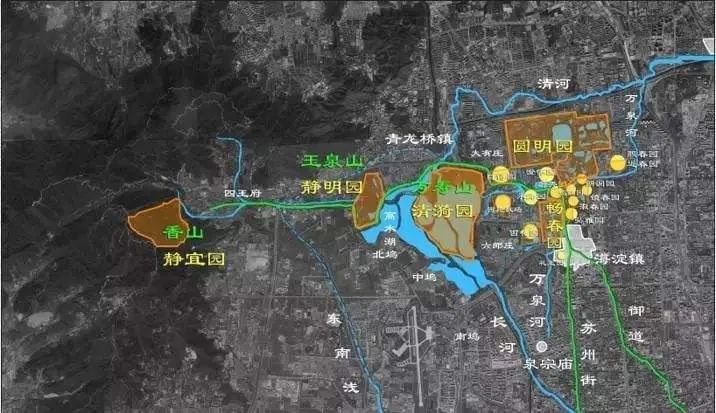
The Qing Dynasty's Three Hills and Five Gardens are renowned for their exquisite landscape design. Agriculture, as the foundation of the feudal society, was also a crucial component of the industrial system within the Three Hills and Five Gardens. Within these gardens, crops were not only a royal resource but also an element of the landscape composition.
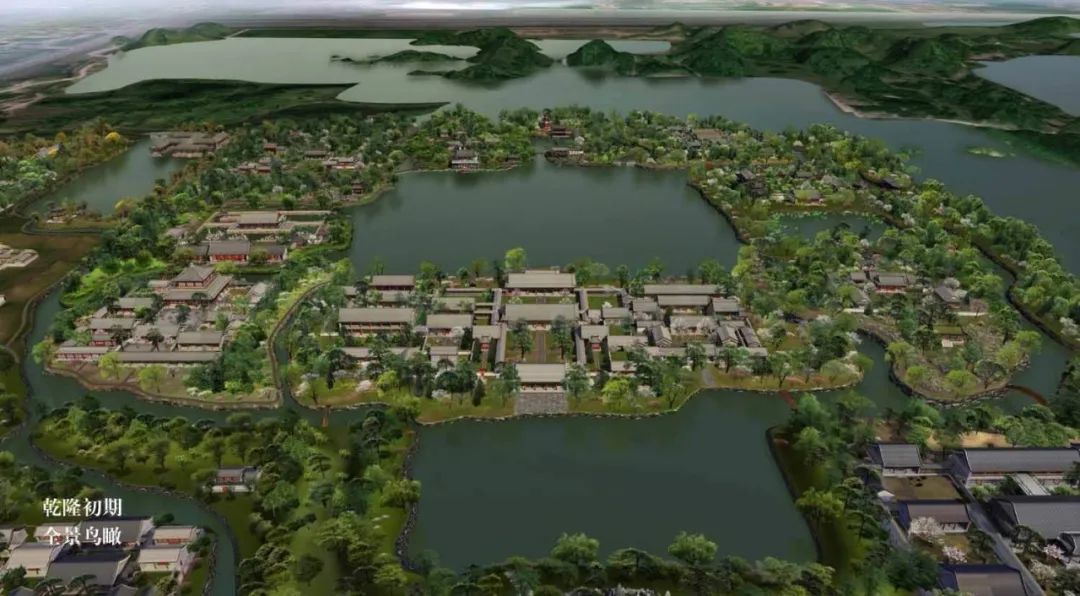
Qing Dynasty Imperial Overview of the entire Yuanming Garden
Among the forty scenic spots in Yuanming Garden, those related to agriculture accounted for four, representing about ten percent. The Purple Green Mountain House East Side's Shunmu Tian, Duo Jazhen, Beiyuan Shan Village, Shui Mosinger, and Dapo Ningjing were arranged north of Yuanming Garden's north side.
Located east of the Purple Green Mountain House in Yuanming Garden, 'Fengle Xu', 'Xuepu', and 'Shunmu Tian' platforms are all related to agriculture.
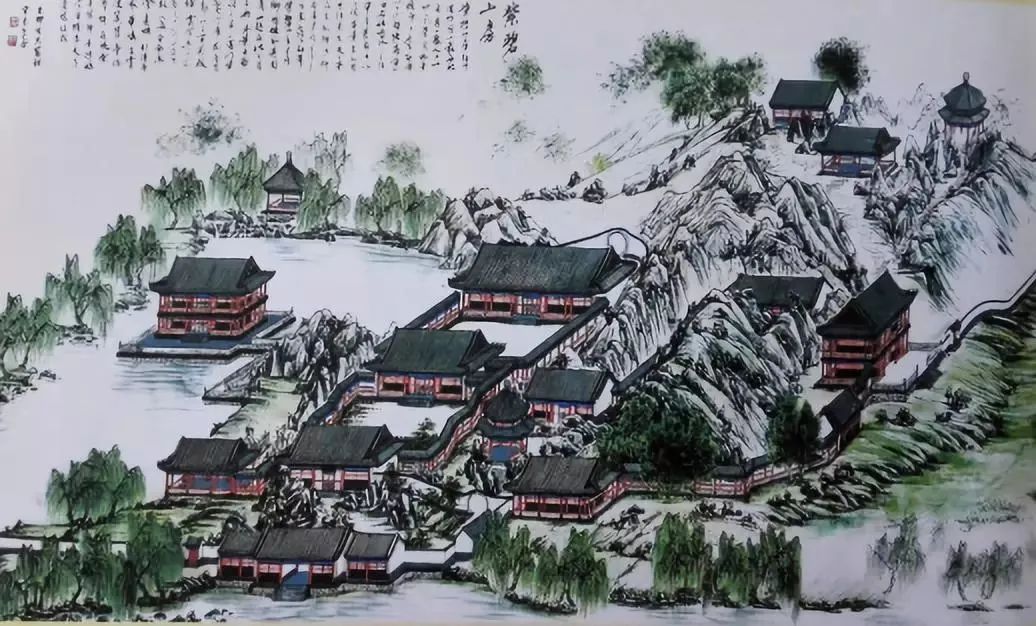
During the Yongzheng reign, the emperor wrote 'Fengle Xu View of Rice Fields' which states: 'Create rice paddies in the royal garden's vacant space, and the benevolent emperor inscribed the plaque to show the later generations.'
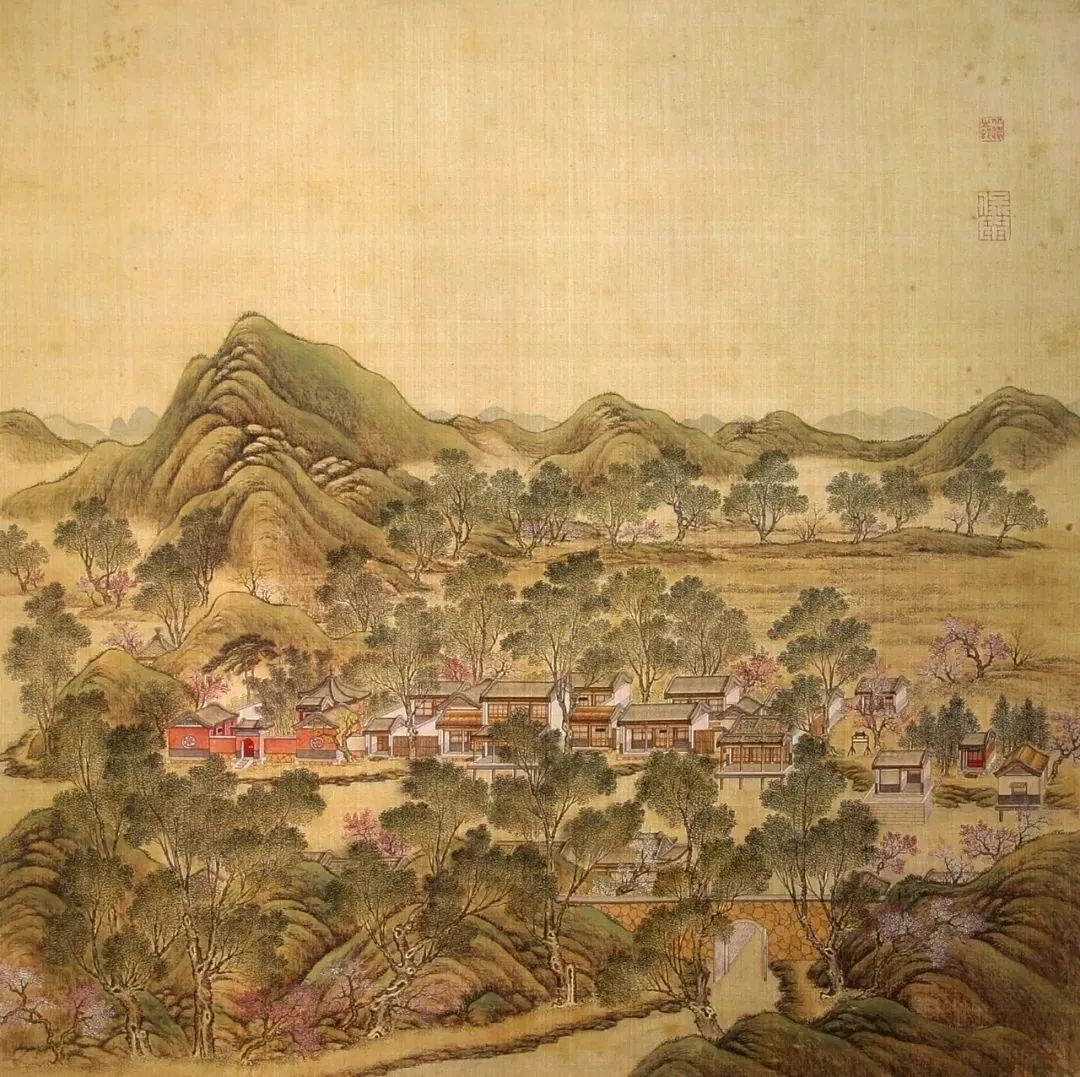
Yuanming Garden Purple Green Mountain House Ruins'Xuepu' is located on the north side of the Purple Green Mountain House, and it is where various fruits and vegetables are planted. Emperor Qianlong wrote: 'There's a vacant land in the north village, plant trees and still cultivate the arts sparsely.' The Purple Green Mountain House's east side features a spacious platform called 'Shunmu Tian,' which is open and connected in all directions. Every summer and autumn, the emperor would rest and observe the scenery here. The surrounding area is filled with fragrant fruits and vegetables, creating a pastoral atmosphere.Yuanming Garden Duo Jazhen Scenic Area
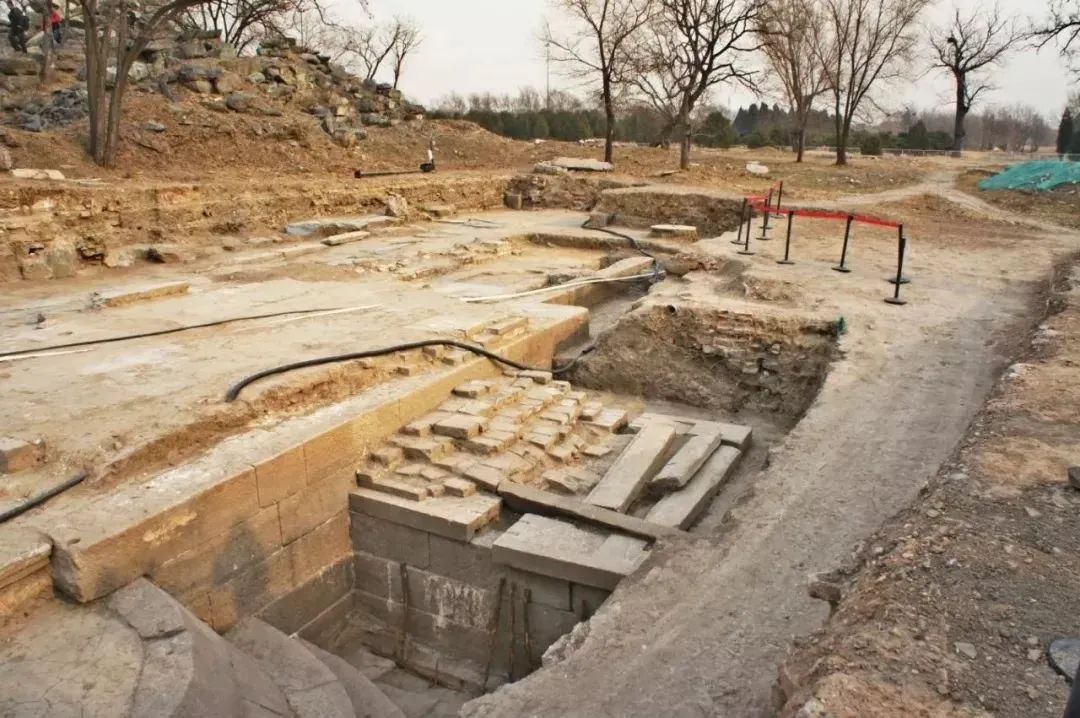
The most prominent agricultural cultural scenic area in Yuanming Garden is 'Duo Jazhen.'
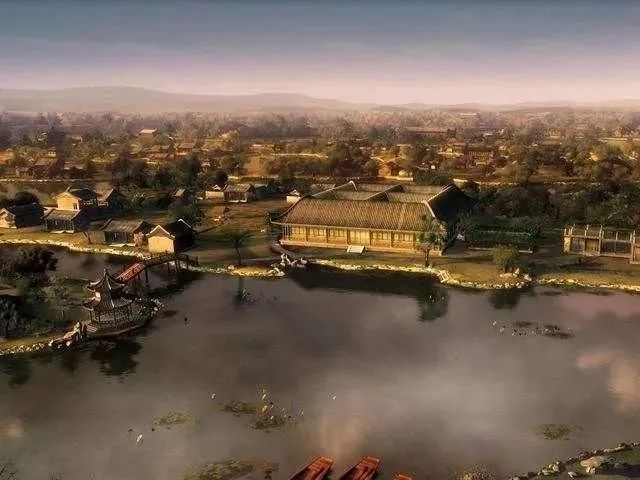
“'Duo Jazhen' is located north of Yuanming Garden, inside the inner walls. The halls and pavilions are surrounded by streams and rivers, with rice paddies and lotus ponds densely packed. At the beginning of summer, farmers are busy in the fields, presenting a rural landscape. The emperor would rest and observe agricultural practices here.Yuanming Garden Shui Mosinger Scenic Area
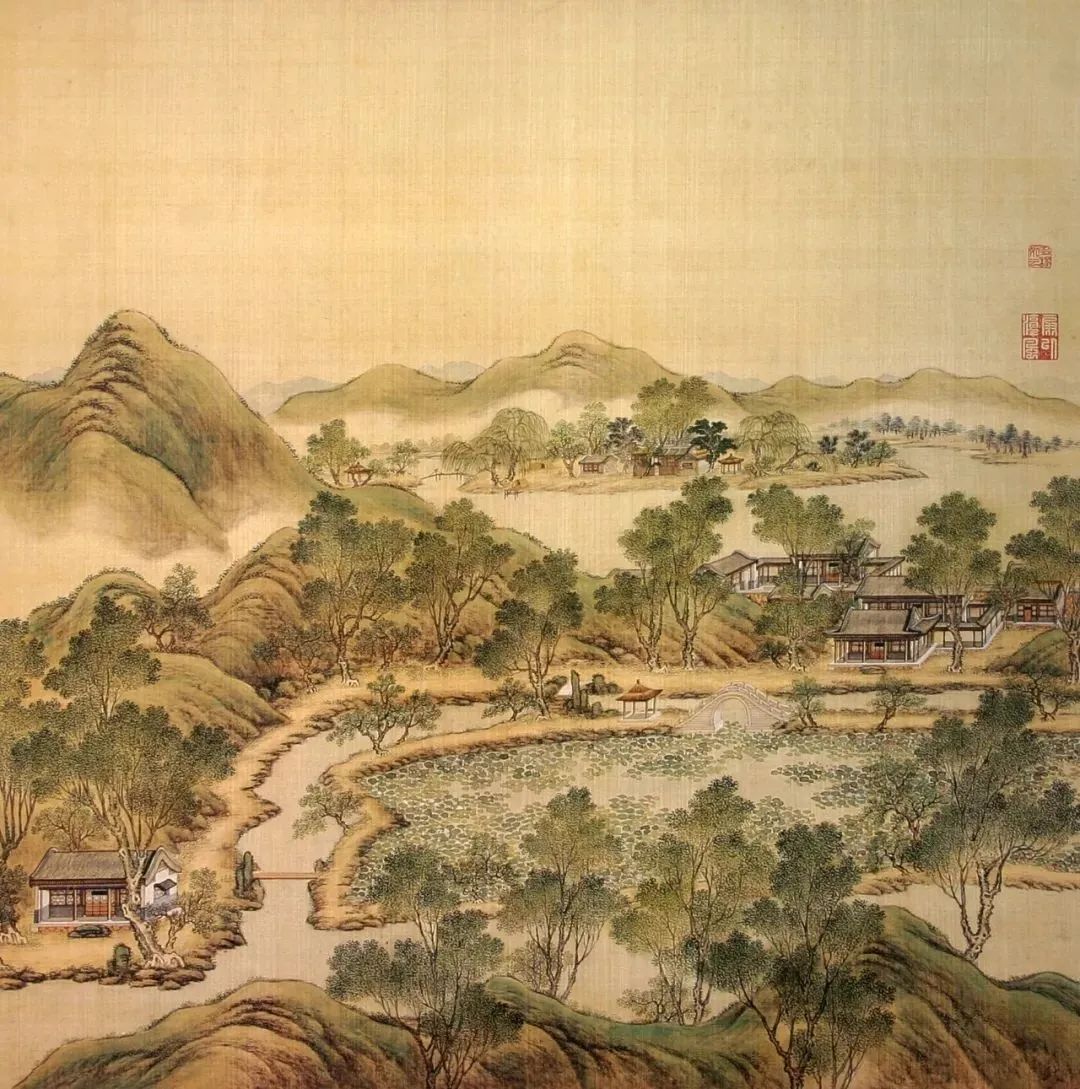
'Shui Mosinger' is also located in the north of Yuanming Garden, and the halls are built on the heights. The halls are surrounded by streams and rivers, with rice paddies adjacent to them. There are also mulberry and hemp trees planted along the shore, which is a place for weaving and farming in Yuanming Garden. During the Yongzheng reign, the emperor wrote: 'Rice and hemp greet the green windows, mulberry and hemp grow on the ground. The stars in the eaves observe the weaving, and the river borders the fields.'
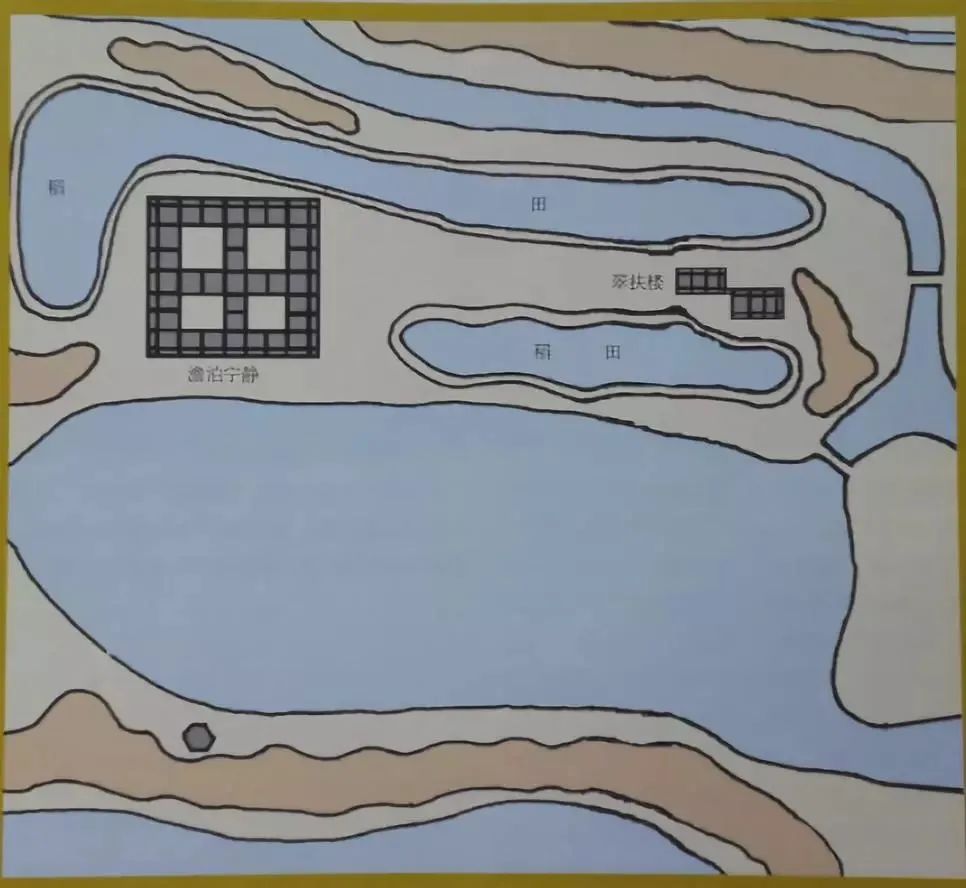
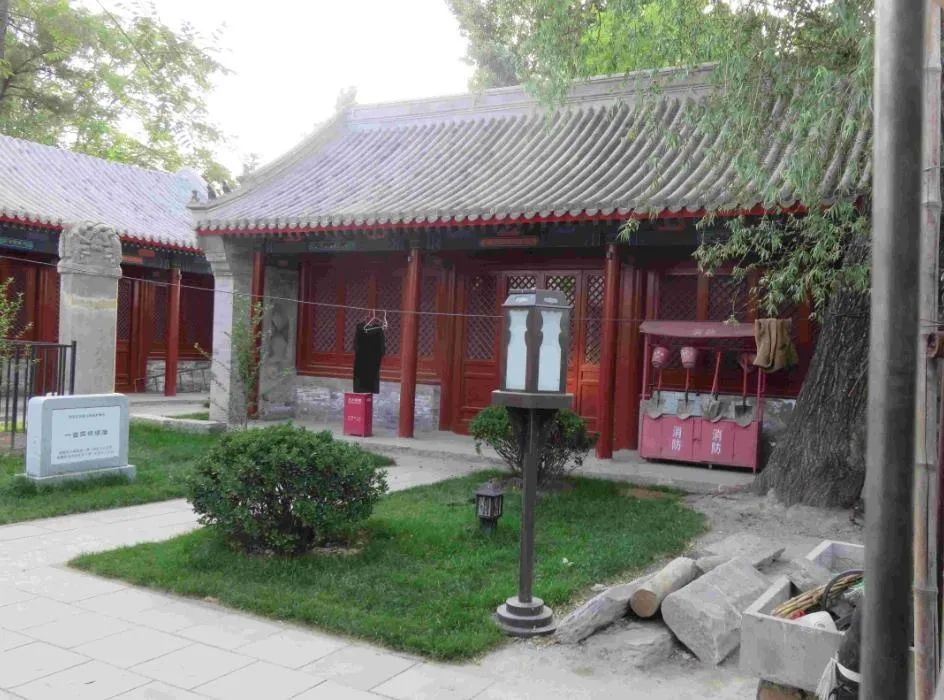
Yuanming Garden Dapo Ningjing Restored Scenic AreaFrom the architectural perspective, the building most representative of agricultural culture is 'Dapo Ningjing' within 'Dapo Ningjing,' and the 'Jiazi Fang' (field enclosure) is also the most striking feature. The builder skillfully used architectural techniques to build a hall shaped like a 'field' with a square in the middle and a cross-shaped connection, forming a continuous square enclosure with houses, and surrounded by corridors.Yuanming Garden Beiyuan Shan Village Scenic AreaFurthermore, there is 'Yi Mu Yuan' (One Acre Garden) located on the west side of the main gate of Yuanming Garden. 'Yi Mu Yuan''s south side has a temple, and after the temple is a cross-shaped field enclosure and vegetable garden, presenting a rural landscape. This is also the emperor's 'field cultivation site.' The emperor built the agricultural site beside the imperial court, demonstrating the importance he attached to agriculture.Three Hills and Five Gardens Overview
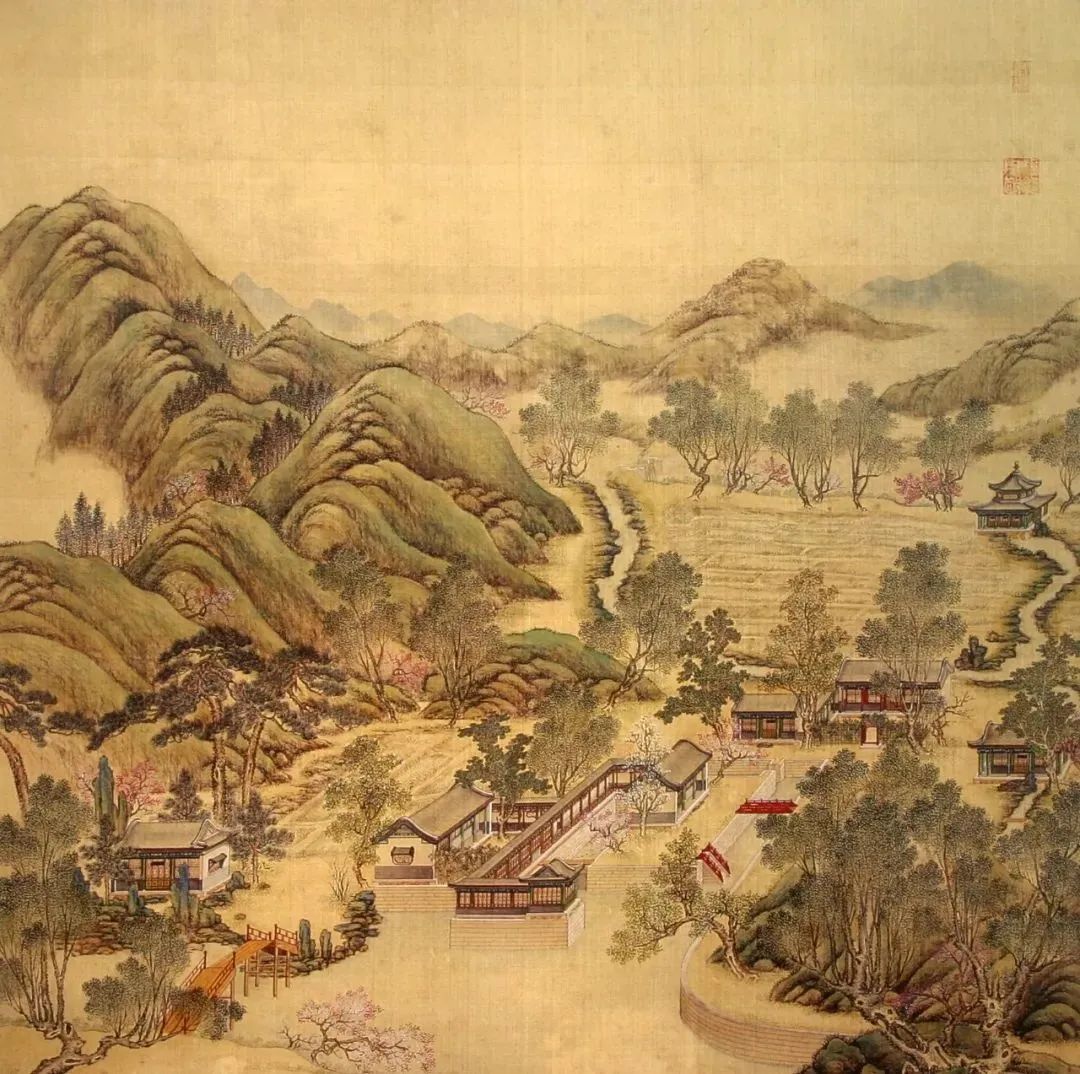
The agricultural landscape and garden landscape in the Three Hills and Five Gardens are intertwined and complementary, combined with the emperor's emphasis on agriculture, not only formed a unique planting style, but also created a distinctive agricultural landscape spot within the garden, which has been continued until the Republic of China period.
“”
“”“”“”
“”“”“”
“”“”