In Yangzhou, a Garden Named ‘Ge Yuan’ Became a Tourist Attraction
Hangzhou is renowned for its lake scenery, Suzhou for its markets, and Yangzhou for its gardens. The three stand together, without distinction.
When it comes to gardens, Suzhou is often the first name that comes to mind. However, historically, Yangzhou gardens were once the best in the world. Due to the fact that Yangzhou salt merchants became incredibly wealthy, they had the financial resources to build lavish gardens.
Yangzhou's gardens are quite different from those in Suzhou, appearing more grand and larger in scale. The most historically significant, well-preserved, and artistically valuable garden is undoubtedly 'Ge Yuan,' located in the northeastern corner of Yangzhou's Guangrao District.Ge Yuan was expanded upon the site of 'Shou Zhi Yuan' during the Qing Dynasty's Jiaqing reign, built on the ruins of an earlier garden. Though not large, it exemplifies the ingenuity of its creator.Hearing the name 'Ge Yuan' for the first time, one finds it quite peculiar – a garden named after bamboo?
Upon entering the courtyard, the abundance of bamboo immediately reveals the secret. Bamboo has long been a favorite subject of ancient Chinese scholars, considered a symbol of integrity and refinement.
'Ge Yuan Records' states: 'Within the garden, the pools and pavilions are serene, with the sound of water and music, and ten thousand bamboo stalks are planted, hence the name 'Ge Yuan.'
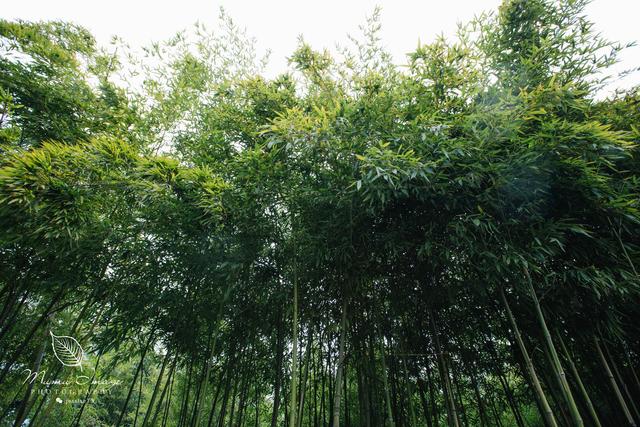
The tour guide explains that 'Ge' represents half a bamboo stalk, hence the name. Were Yangzhou gardens truly 'planting ten thousand bamboo stalks,' as the legend claims? These very questions have become a fascinating attraction for visitors. Ge Yuan is undeniably a garden established by bamboo, with an incredible variety of bamboo species, effectively a 'bamboo museum.' Wandering through the dense bamboo grove, with a gentle breeze and the absence of musical instruments, there is a sense of tranquility.
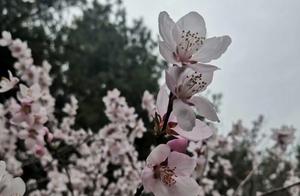
'Ge Yuan' isn't just about lush green bamboo; within the depths of the bamboo forest, there are also clusters of winter-blooming plum blossoms, fragrant and resilient in the cold.
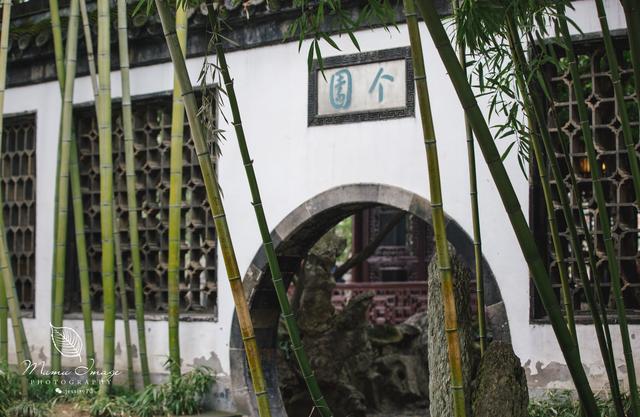
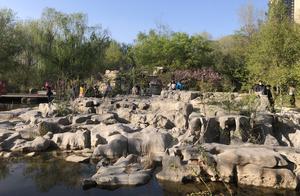
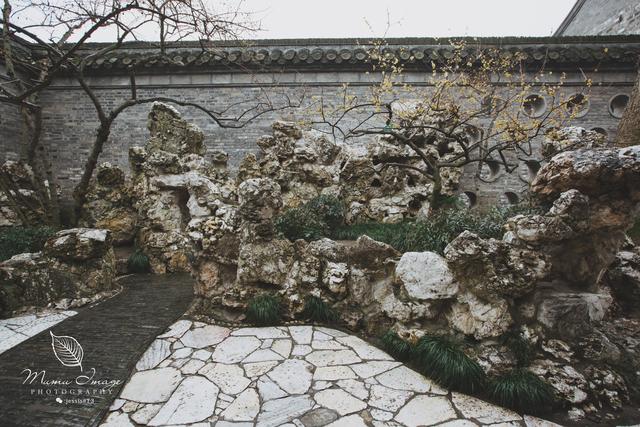
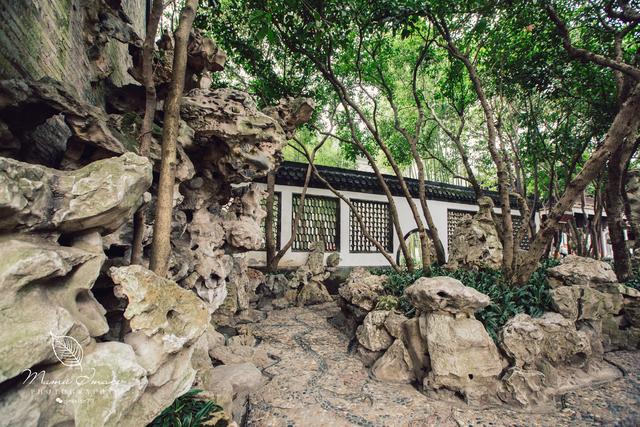
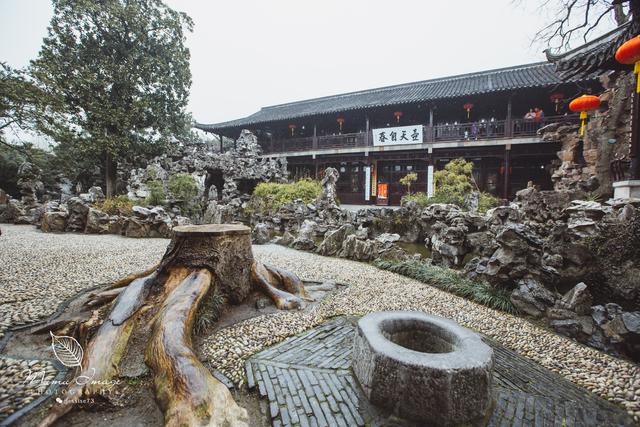
The entire structure of 'Ge Yuan' is meticulously arranged, with four distinct rockeries, pavilions, and towers, demonstrating the creator's ingenious design and careful planning. Historically, Chinese garden design often involved one rock, one stone, and one mountain. 'Ge Yuan' achieves this within a relatively small space, in a Yangzhou where there are neither rocks nor mountains, utilizing various types of stone, including 'zun' stone, 'hu' stone, 'huang' stone, and 'xuan' stone, stacked into four distinct rockeries – 'Spring, Summer, Autumn, and Winter.'
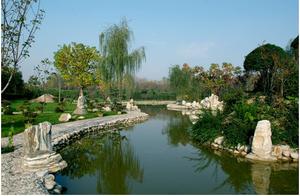
The central garden is the most interesting part of the landscape, with a carefully arranged water pool divided by the rockeries, surrounded by a myriad of intricately shaped Taizhou stones, further showcasing the ingenuity of the garden's design. The winding pathways within the rockeries and the scenery framed by stone caves are impressive displays of clever ideas.
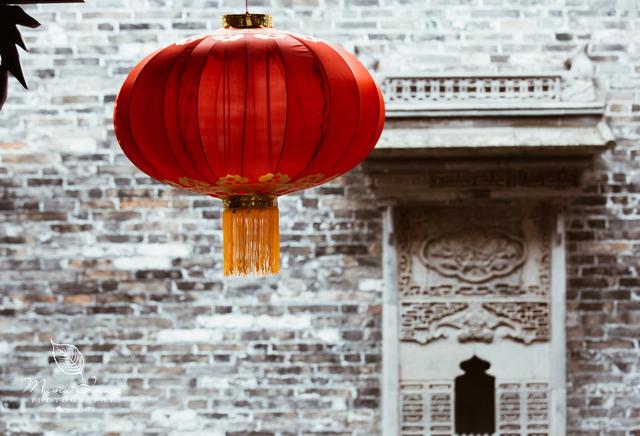
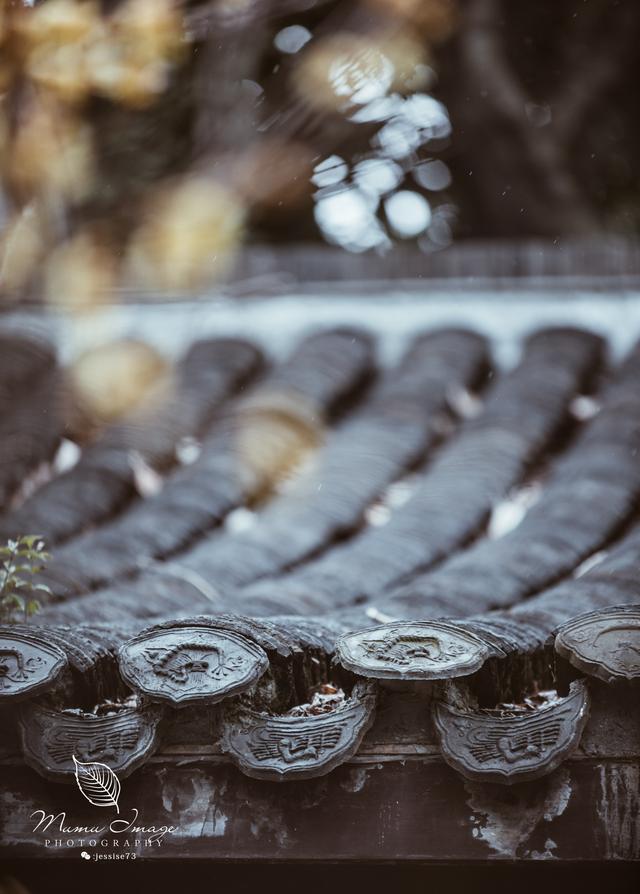
'Ge Yuan' evokes a sense of Beijing influence, with its buildings being sturdy and well-ordered. It's said that during the Qing Dynasty, emperors frequently visited Yangzhou, and salt merchants built these gardens to please the emperor's tastes.
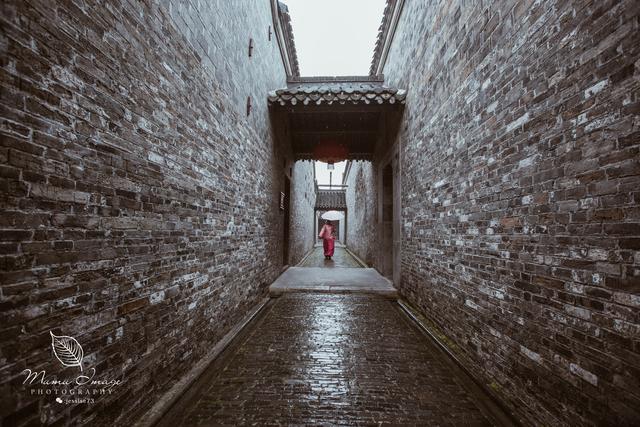
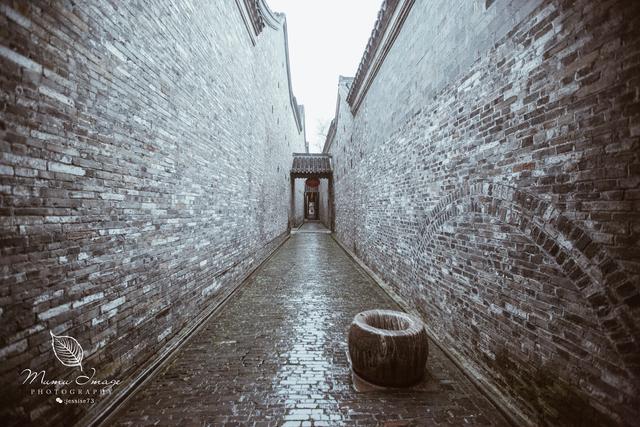
The southern section of 'Ge Yuan' is a residential area, with three courtyard sections – a long, narrow alleyway between east, middle, and west – transporting one through time, though not overly elaborate or luxurious, it still reflects the prosperity of the salt merchant family.
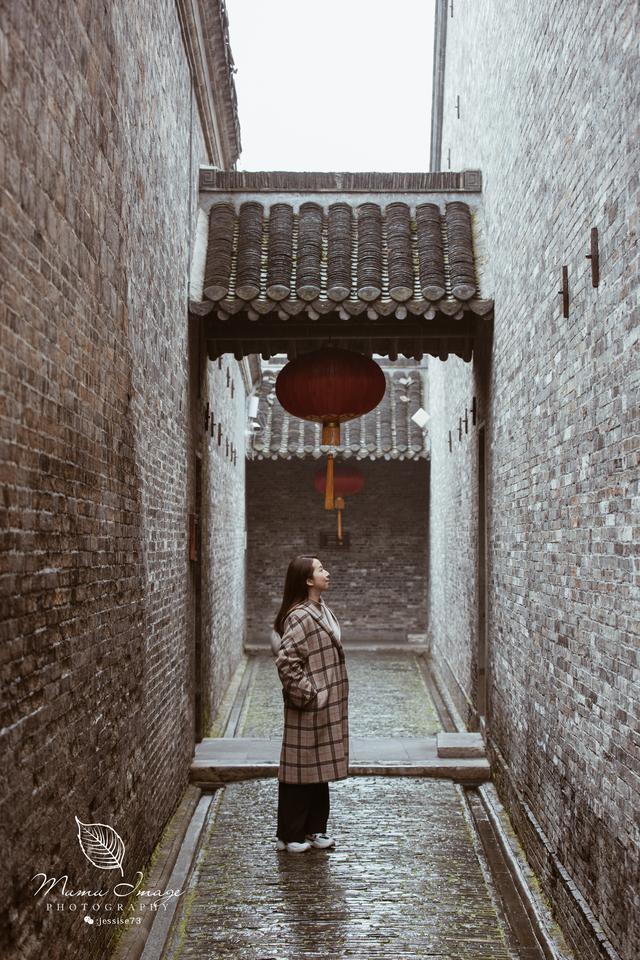
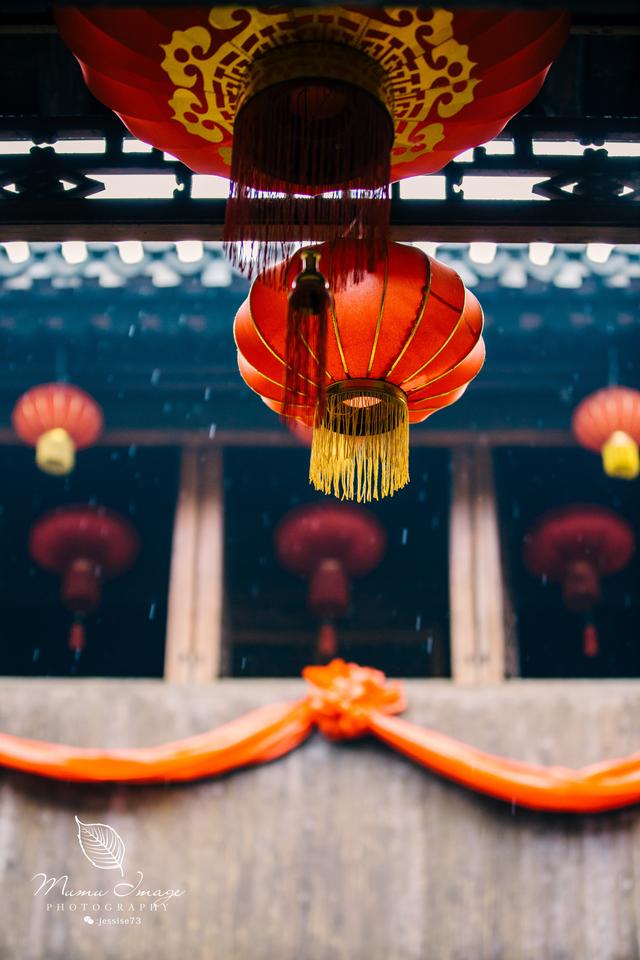
The sky was overcast, and a light rain fell continuously, lending the garden a distinctly Jiangnan rainy aesthetic. In March, one can experience both fireworks and drizzle in Yangzhou.
I'm Yi Yue Mo Mo, a young woman born in a small town in Jiangsu Province.
I love to pursue my dreams and travel, taking me further and further away.
We are all just fleeting guests in this vast world.
If we've come this far, we should leave something behind.
At least we can prove we were here.
This is Yi Yue Mo Mo's travel view, welcome to follow ForeverYi Yue Mo Mo
Forever