Gansu Tourism | Baihejiang Panda Forest Honey – A Gift from the National Nature Reserve
Original Title: Baihejiang Panda Forest Honey, a Gift from the National Nature Reserve
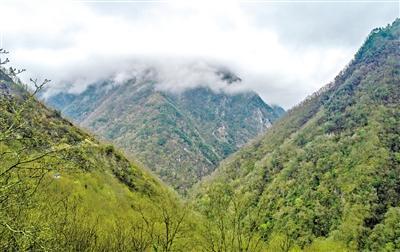
Beehive Approaches the Core Area of the Protection Zone
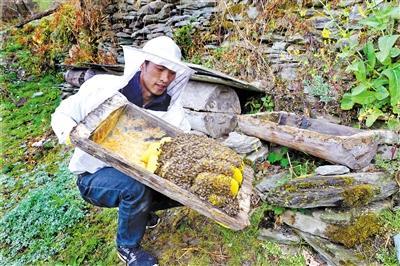
Beekeeper Inspects Beehive
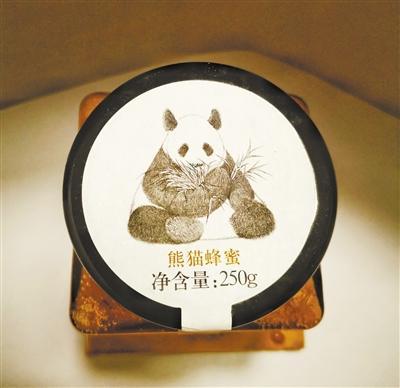
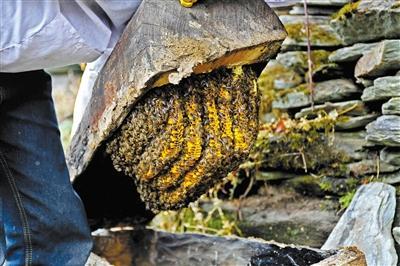
Panda Forest Honey – Original Honey. All photos in this edition were taken by reporter Tiexi Tan
Giant Pandas; China's 'National Treasure'; Panda Forest Honey is not produced by giant pandas, but comes from the giant panda protection zones. There are three central state-administered national-level giant panda nature reserves in China, namely Wolong in Sichuan, Foping in Shaanxi, and Baihejiang in Gansu
These reserves implement the strictest ecological protection measures, and any non-green and non-environmentally friendly behavior is prohibited. It is precisely these strict measures that have resulted in the production of a unique, green organic honey – Panda Forest Honey – at Liu Jiping's management station under the jurisdiction of the Jianxin Village in Baihejiang National Panda Nature Reserve
Jianxin Village is one of the closest villages to the core area of Baihejiang National Panda Nature Reserve. Previously, local villagers relied mainly on digging medicinal herbs for a living, but this practice caused significant ecological damage. In recent years, the protection zone has encouraged local villagers to raise bees for prosperity as a way to solve their sustainable development, and local villagers have gradually realized that ecology is 'gold and silver'—abandoning the practice of digging medicinal herbs for a living and instead raising honey, which not only opened up a path to prosperity for local villagers, but also brought a positive cycle to the protection zone's ecosystem
The bee species used for Panda Forest Honey is a local wild Chinese honey bee species, adapted to the local environment, strong and resistant to disease, and also the best pollinator of the forest vegetation, with a foraging radius of 1 to 3 kilometers. Therefore, the beehives are built in forests more than 3 kilometers away from human settlements, and the honey sources come from the natural wild flowers deep in the reserve's valleys
Honey harvesting uses ancient methods, with only one harvest per autumn, and more than 30% of the original honey is left for the bee colonies to overwinter. The original honey is not mixed with any artificial sugar syrup, to avoid damaging the activity and nutrients after subsequent heating
On March 29th, the reporter traveled from Bikou Town by off-road vehicle, then entered the remote mountainous area after more than 2 hours of driving, and immediately felt the richness of the species here. Mist swirled through the coniferous-mixed forests, and seasonal wildflowers were visible in the mountains, and various types of birds passed through the line of sight
During the journey, the paved road gradually disappeared, the road became more rugged and muddy, the reporter then hiked into beekeeper Zhou Xuquan's beehive, here the trees were shaded, with springs and clear water under the rocks. Dozens of beehives were mostly old-fashioned 'tube-barrel' style, which is a wooden tube with a core that has been hollowed out, then reassembled, this beehive may not have raised more bees than modern square beehives, but it is the traditional bee hive used in the Longnan region
Under the notice board of the beehive, there are various flowcharts and operation diagrams, which can be used to trace the original honey to each beekeeper
Reporter Huang Peng