One of Spain's Oldest Bullrings, Birthplace of Modern Bullfighting, Where Hemingway Came to Witness It
Hemingway's Private Escape Town, and specifically a white town built on a cliffside. Have you ever been there? Hemingway once said: 'If you want to go to Spain for a honeymoon or to elope with someone, Ronda is the most suitable place, with all cities visible at a glance, full of romantic scenery… If you don't succeed in a honeymoon or elopement in Ronda, it's best to go to Paris, find a new lover.' I think Ronda is indeed a fascinating place.
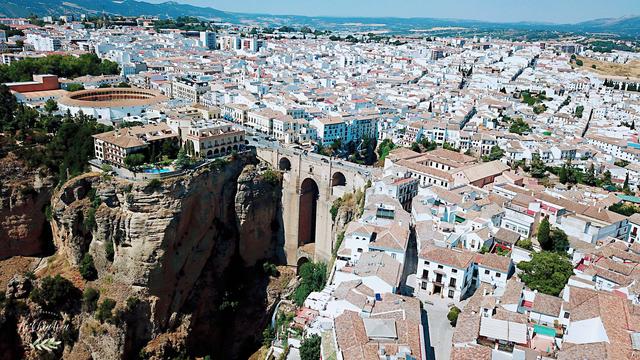
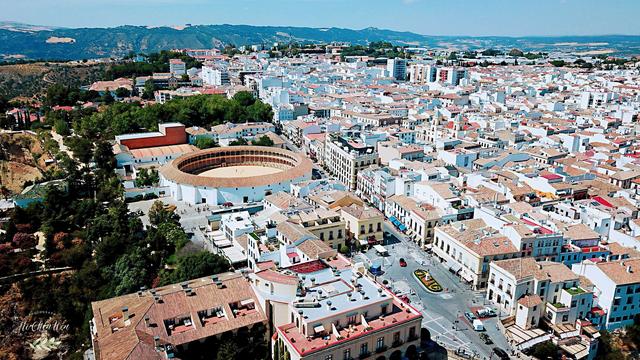
Ronda Bullring is a classic bullfighting arena in Spain, not only the birthplace of Spanish bullfighting culture, but also a pilgrimage site for bullfighters. The current Spanish bullfighting style was born in this arena. This circular building can accommodate five thousand spectators and is lined with 136 Tuscan-style, heavy stone pillars, which creates a sense of historical weight. Built in 1785, it took six years to complete, and it has a history of two hundred years. To deeply understand a nation, you must understand their culture.
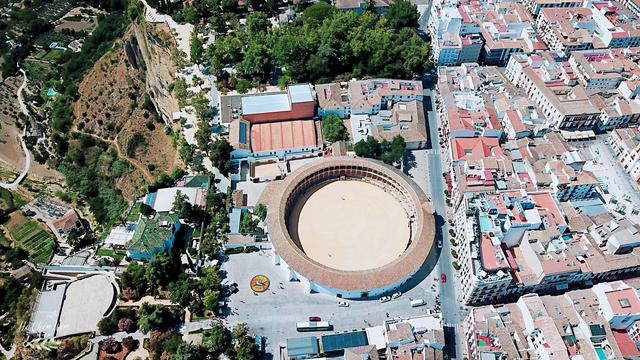
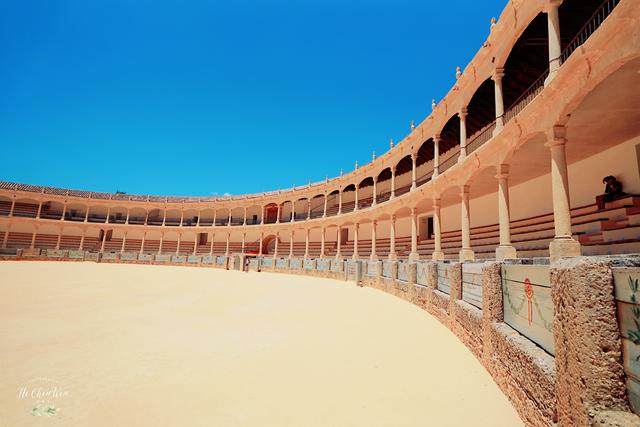
Two major bullfighting families emerged from here, including many legendary bullfighters. It is said that famous writer Hemingway traveled thousands of miles just to witness the bullfighters' performances. When you come to Ronda Bullring, you must go in to visit and feel the atmosphere of bullfighting. The exterior looks simple and circular, with two floors and a sandy floor around it, which can accommodate 5000 people at once. There are souvenir shops nearby, with good quality and reasonable prices, which you can consider to buy gifts for friends.
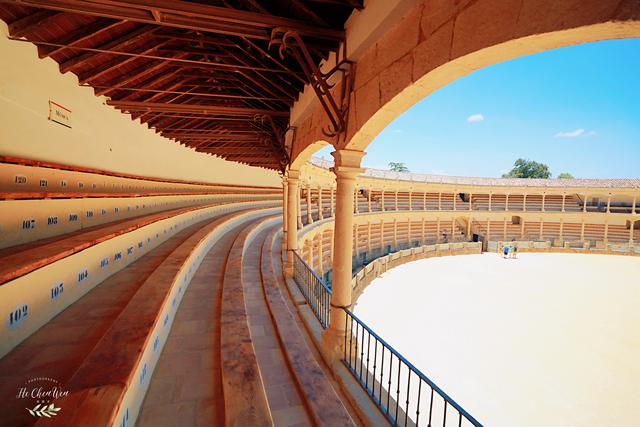
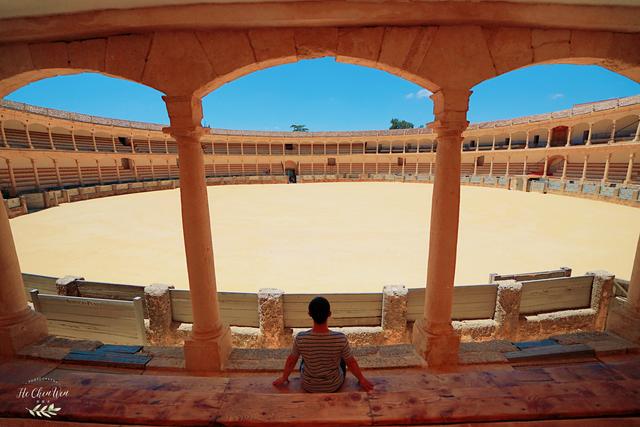
Famous bullfighters in Spanish bullfighting history, such as Pedro Romero and Antonio Ordonez, have fought with bulls here. In the past, bullfighting was an exclusive activity for the nobility. Noblemen participated in bullfighting by riding horses. It wasn't until a commoner, whose fighting skills were poor, was overturned by a bull and faced death, that a commoner rushed into the arena and waved his hat to drive the bull away. This action not only saved the noblemen's lives but also opened a new era of bullfighters fighting on horseback.
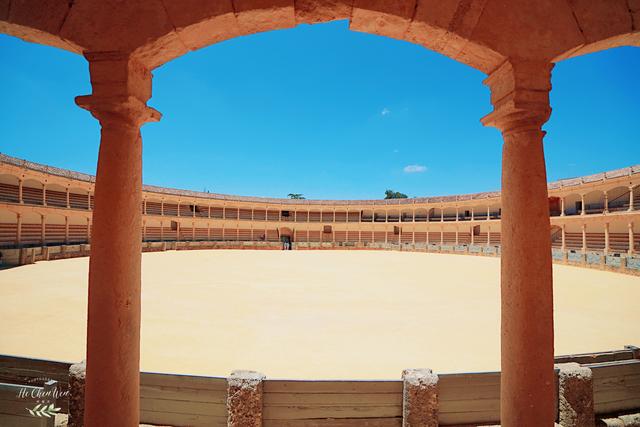
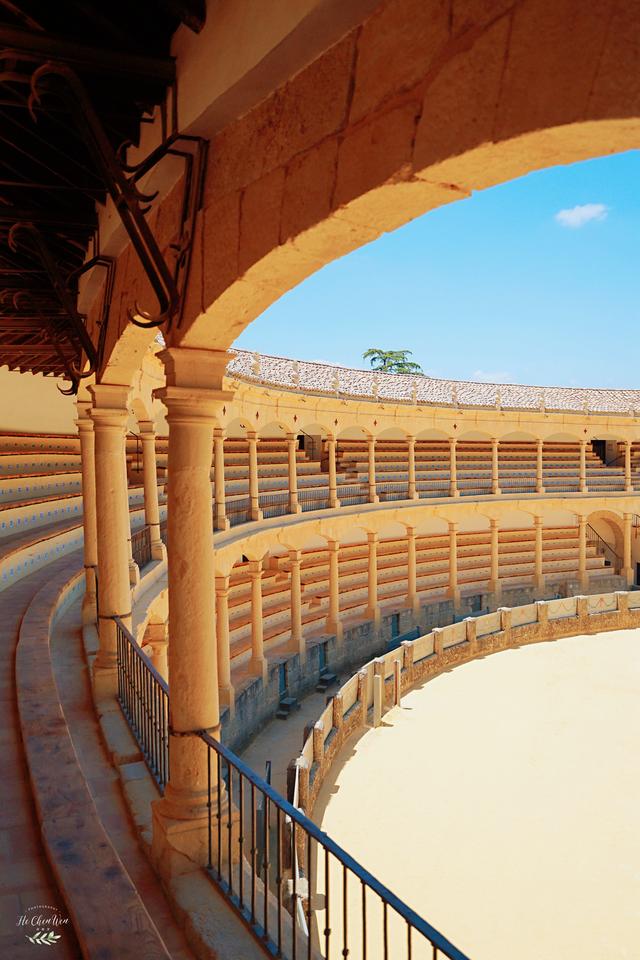
Bullfighting originated as a sacrifice to gods, later developed into a competitive bull show. Nowadays, Spanish people are very enthusiastic about this sport, and it has developed into more than 300 bullrings, with a capacity of 2.5 people at most. The Spanish regard bullfighting as a noble art.
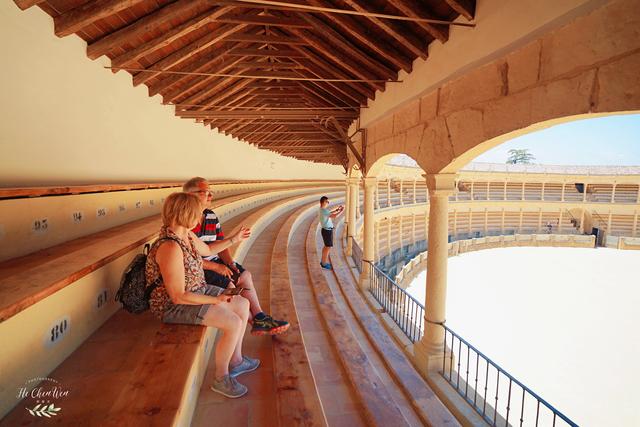
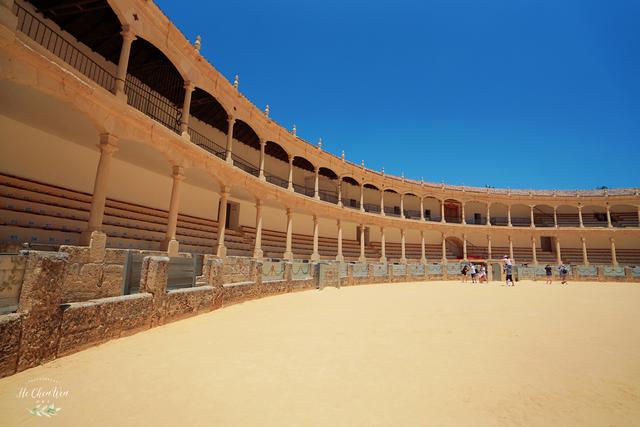
The bullfighting season in Spain is usually from March to November, typically held on Thursdays and Sundays. On those days, there are crowds of people, and families come to watch. Everyone is fully focused and closely watches the bullfighters' every move, admiring this brave person's challenge. If you come to Spain, you must not miss it!
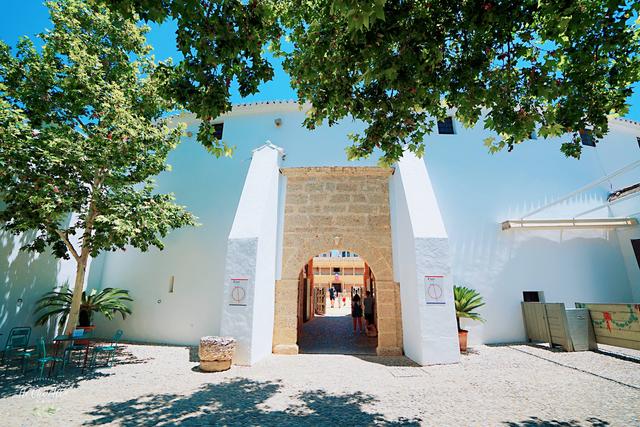
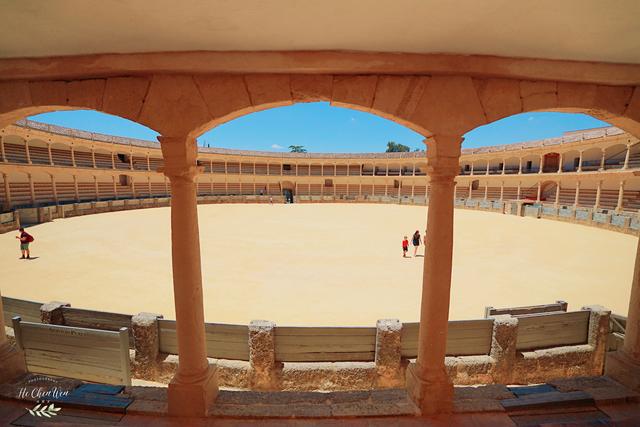
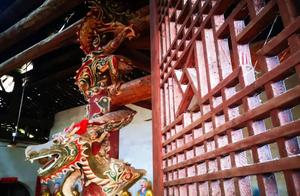
In the museum attached to the bullring, people can also see the bullfighting clothes worn by the famous bullfighter Antonio Ordonez, which Hemingway appreciated. In order to maintain this 'historic site', bullfighting competitions are only held here on special festivals, but tourists can buy tickets to enter.
Small Tips:
1. You can taste and enjoy steaks around Ronda Bullring, the taste is not bad. Some steaks are killed and delivered to nearby restaurants after bullfighting.
2. Transportation strategy:
Ronda has developed public transportation, with many buses and coaches arriving in the town from Barcelona and Madrid every day.
There are also train stations and bus stations in the town north of it, only a 10-minute walk from the town center, which is very convenient.
Self-driving is also allowed, but parking is not very convenient.
After arriving in the town of Ronda, you can walk 5 minutes to reach the Puente Nuevo bridge.
3. Opening hours:
10:00-18:00 (January 1st-February 29th, November 1st-December 31st) Monday-Sunday
10:00-19:00 (March 1st-March 31st, October 1st-October 31st) Monday-Sunday
10:00-20:00 (April 1st-September 30th) Monday-Sunday
tips: except for the bullfighting day in September every year, open all year.
8+9.5