5G Era Tourism: A World of Possibilities?
Every technological breakthrough brings about profound social changes.
For example, when 4G appeared, we never expected it to spawn mobile payments and the sharing economy, allowing shared bicycles, shared cars, and Didi to become integrated into our lives. The ability to shop anytime, anywhere, watch videos on mobile devices, and big data understanding us better than ourselves have become commonplace.
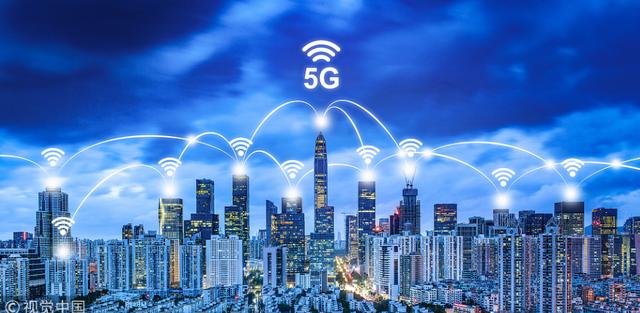
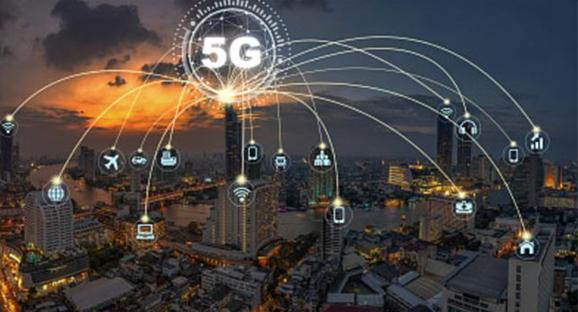
With 5G as the upgrade of 4G, its average network speed can reach about 10Gbps, which is determined by its wide bandwidth, wide links, and low latency. It will undoubtedly drive the comprehensive mobility and digitalization of the entire society, bringing disruptive changes to all industries, including tourism.
How will 5G empower tourism?
First, create truly immersive travel experiences
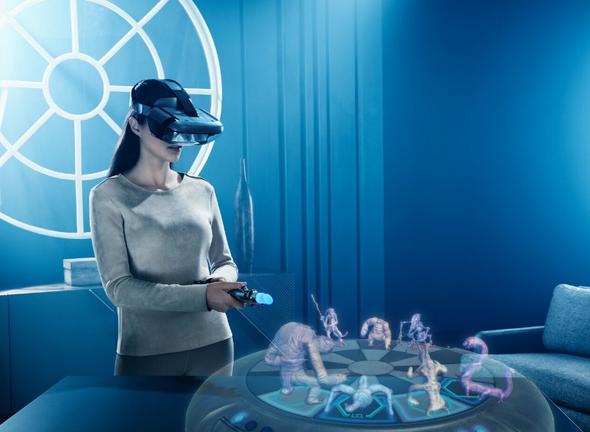
When I put on VR glasses, I feel like I'm on a cable car, gazing at the majestic and towering mountains, thrilling rafting and waterfalls. It's no different from being on a real cable car.
Precise Travel
'Seeing' travel photos and 'fake' photos have been criticized. 5G technology will be a strong heart for precise travel. Drones can transmit landscapes to databases in real-time, and tourists can experience scenic spots, hotels, and cities they are planning to visit in a realistic way before traveling, judging whether they meet their expectations. Travel agencies can use tourist portraits and business models to precisely match potential tourists, providing personalized services. Clearly and transparent consumption, which will truly become possible with this technology support. Fun Experience
Museums and cultural centers are important links for inheriting history, but because of their large venues, long tour times, and high cultural requirements, they have always been the domain of niche tourists. 5G combined with indoor positioning technology, with real-time edge computing and VR technology combined, can not only reproduce the grandeur of history, but also create dynamic images for modern people to enjoy, and with 5G technology, fun and entertaining exhibitions can be created for all ages, promoting cultural dissemination. Second, enhance scenic area service capabilities
Data modeling and analysis
5G will greatly improve data processing and cloud computing applications, and through short-term data processing on nearby devices. Through long-term and large-scale data analysis, build data management models, improve scenic area management efficiency. Scenic monitoring and warning
5G's reliability and low latency will enable the launch of appointment systems, real-time passenger flow monitoring, and improve the timeliness of emergency command. By building risk assessment models and using AI technology, it can improve the effective management of peak passenger flow in scenic areas. Tourists can get an appointment and go to other places to play, and return to the cable car, cruise ship, or other experience items at the appointed time, without queuing, and enjoy freely. Third, multi-media social sharing
In the 5G era, social content will shift from text, images, and short videos to 720°VR interactive videos and 8K high-definition panoramic videos, which will be more vivid. Tourists no longer need to operate themselves, the scenic area can automatically generate travel notes during the tourist's visit, and when the tourist leaves, they can share it in real-time to major online platforms, which is vivid and has publicity value.
These places are already taking root
Now, 5G+VR panoramic live broadcasts, 5G+AR smart eyes, 5G+AI travel services, and 5G+multi-media social sharing are already happening in many scenic areas.
·Huangshan Scenic Area
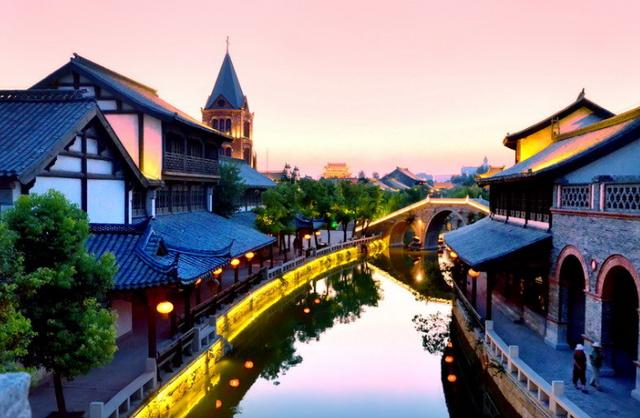
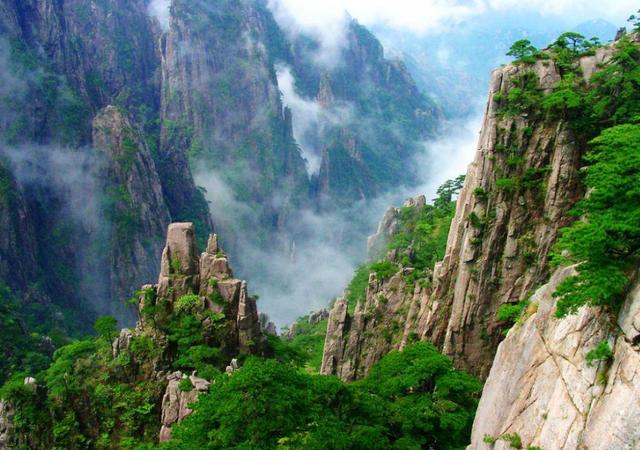
5G+VR panoramic live broadcasts, the network download speed is 10 times that of 4G, remote viewing images are clear, fluent and stable, without leaving home, you can 360° admire the beauty of Huangshan.
·Red Flag Ridge - Panoramic Travel Notes
Red Flag Ridge has laid out 5G+AI travel assistant, which can automatically create travel notes based on the photos and videos taken by tourists. Tourists can get it when they leave the scenic area and share it to major online platforms with one-click.
·Three Gorges Dam - Relieve queuing pressure
The Three Gorges Dam is a must-visit attraction for tourists in Chongqing. Now, the scenic area has installed 5G network, and the cable car bottom has a camera that can transmit panoramic images in VR form to the experience area. Tourists can simply wait for VR glasses, just like being on the cable car, enjoying the scenery on both sides of the Yangtze River, and enjoying the shock brought by the real-time holographic projection video.
·Taierzhuang - Precise Navigation and Quick Clearance
Taierzhuang Ancient City in Shandong Province has laid out 5G test network coverage and technical verification, greatly improving the intelligent data analysis and research capacity of passenger flow peaks, and realized real-time passenger and vehicle scheduling. Tourists can pass quickly through facial recognition without tedious manual ticketing.
·Hotel
Smart hotels can use 5G technology to introduce robots, folding boats, movies, cloud computers, cloud games and other series of services, improve the fun.
New Future Foretold
5G4G5G5G