Daily View: ‘Wuxia Zhangjiajie’ | The Secrets of Ba Da Gang (Eighteen Peaks) Are Here
Located in the northern border of Zhangjiajie City,County, Hunan Province, the Eighteen Peaks National Nature Reserve was established in 1986 and approved by the State Council. Its main protection objects are subtropical vegetation and rare animals and plants. The altitude ranges from 346 meters to 2003 meters, composed of three forest areas: Doupengshan,, and Tianpingshan, with a total area of 4.49 square kilometers.
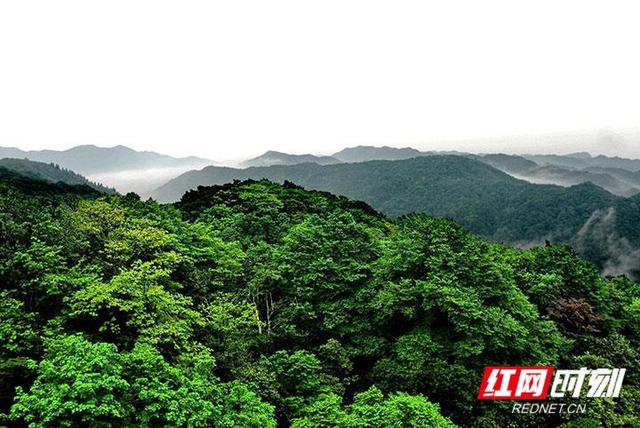
The nature reserve has 216 genera and 2408 species of higher plants, of which 7 are Grade I protected plants and 32 are Grade II protected plants. Ten genera and 30 species of Eighteen Peaks-specific plants are included. Plants such as Zhu Lan, Stone Bean Orchid, and 52 species are listed in the Convention on International Trade in Endangered Wild Fauna and Flora. There are more than 1000 medicinal plants.
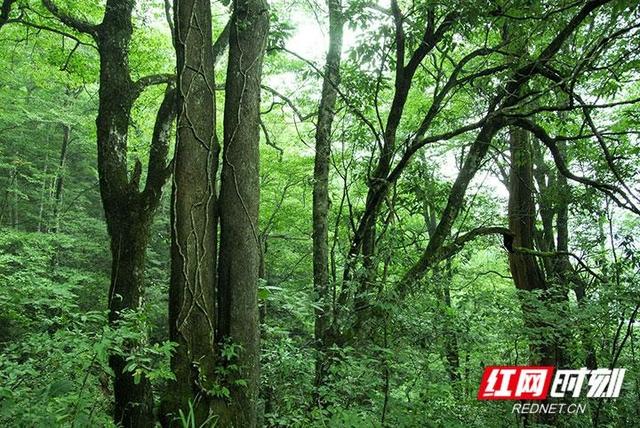
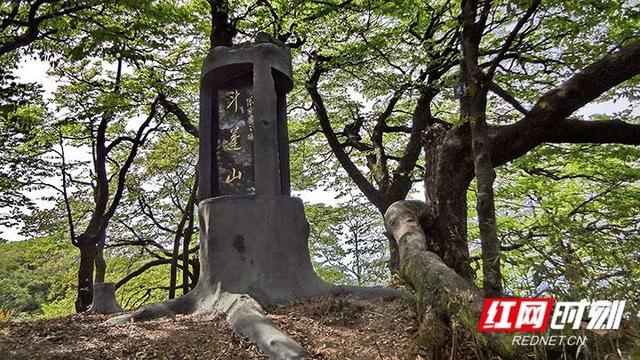
The topography of Eighteen Peaks is complex, with mountains intersecting, a temperate climate and abundant rainfall. Due to the small influence of Quaternary ice ages and little human disturbance in history, typical Central Subtropical Evergreen Broadleaf Forests are distributed in the area, preserving a large number of plant species, reaching up to 3000 species. It is a conservation center for ancient plants such as Pear Chestnut, Green Money Tree, and Water Qing Tree, especially with Beech as the dominant species forming patch mixtures, forming rare plant communities.
Vertebrate animals include 150 species, including Water Deer, Sumatran Serow, White-crowned Long-tailed Pheasant, and Red-necked Gazelle, which are national key protected animals.
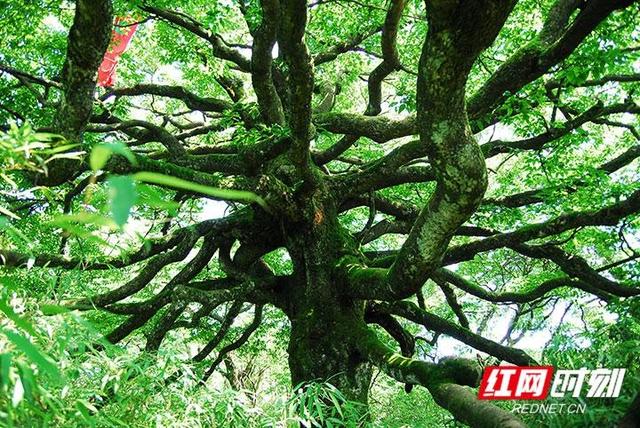
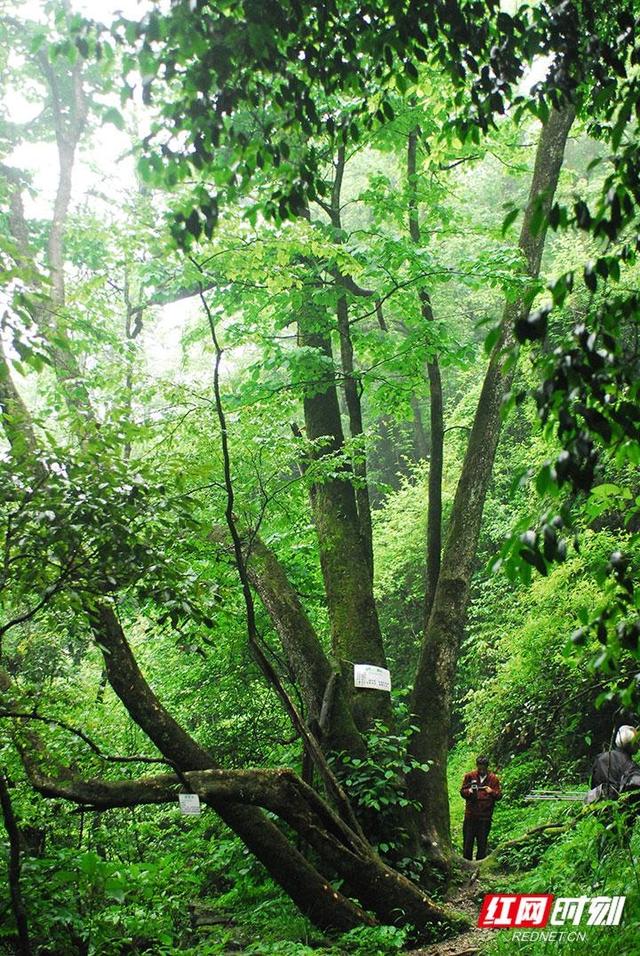
It possesses a complete forest ecosystem, with its animal and plant taxonomy combining ancient Chinese endemic species and modern taxonomic components, with both old and new elements, north-south inheritance, and rich animal and plant resources. There are 7500 species of biological species, of which 4377 have been identified and recorded, including 312 vertebrate animals, 1179 insects (62 new records for Hunan, 33 new records for China), 504 ferns (16 new records for Hunan), 1996 seed plants, and 386 fungi (38 new records for Hunan).
Eighteen Peaks Nature Reserve is the main source of the Lixia River and Qingjiang River systems of Hunan Province, with an annual water conservation of 10 billion cubic meters, providing water sources for more than 30 million people in over 20 counties in Hunan and Hubei.
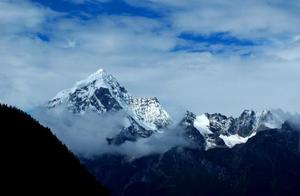
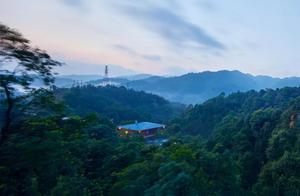
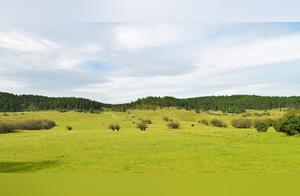
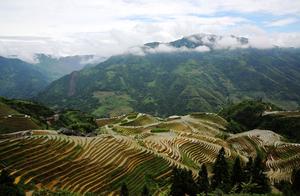
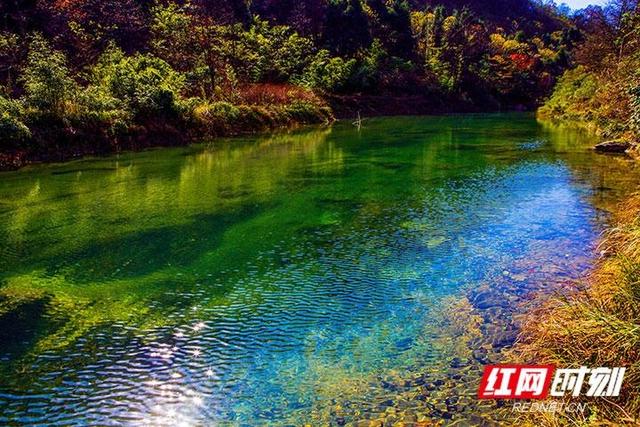
It is also a rich tourism resource, being the main scenic area of Zhangjiajie ecological tourism. Entering the forest is like stepping into a majestic and mysterious geographical treasure, and it's like reading a magnificent landscape book. Mountains rise and fall, peaks emerge, 40+ mountain ranges intersect, 599 peaks are scattered, with strong rock cutting, and a unique geographical environment, which breeds rich landscapes. There are continuous forests, layered mountains, waterfalls and mysterious caves, as well as sunrise, rain, clouds, mist, sunset, snowfields, and other meteorological landscapes, as well as vibrant animal and plant landscapes, forming spring flowers, summer scenery, autumn red leaves, winter ice hangings, and distinctive four-season themes.
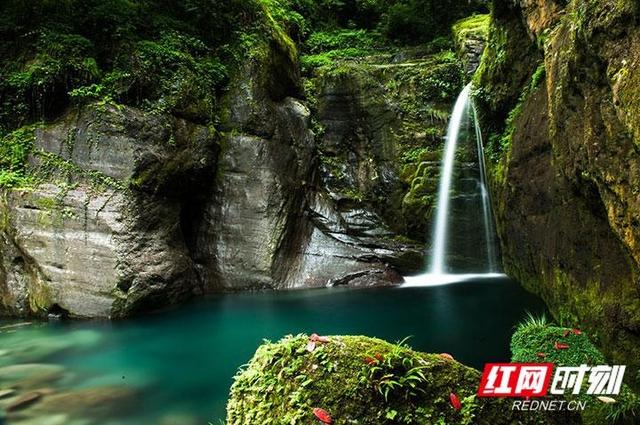
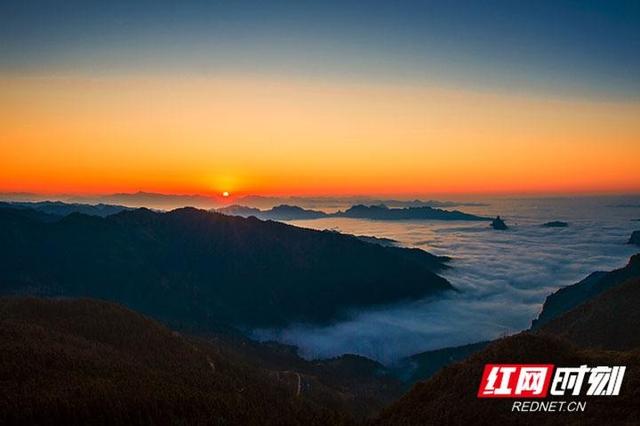
Photography: Lu Chenghu, Li Weijue
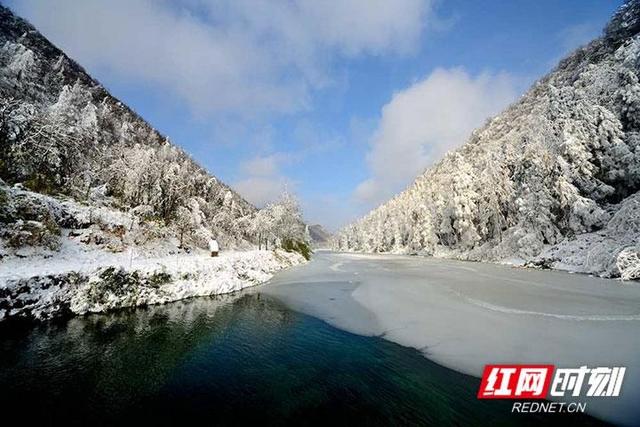
Source: Rednet Zhangjiajie Station
Copyright belongs to the original authors, respect the original authors.