Over a Thousand Years Ago, Magnificent Temples, More Famous Than Angkor Wat, One of India’s Most Renowned World Heritage Sites
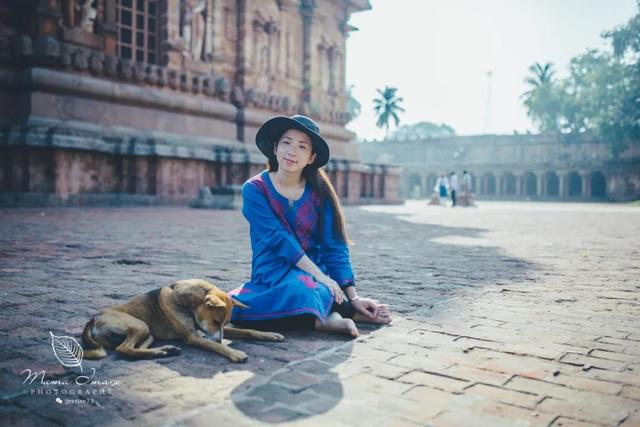
Tanjore, also known as Thanjavur, is a city in the Tamil Nadu district of India, located on the southern bank of the Cauvery River. It was once the capital of the Chola dynasty. Today, it retains magnificent temples from a thousand years ago, one of India's most renowned World Heritage Sites.
Brihadeeshwara Temple
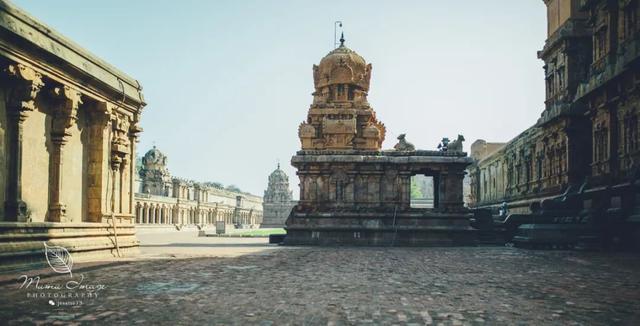
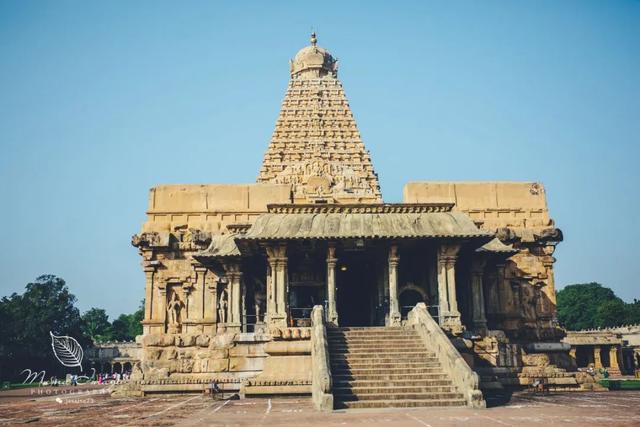
The Brihadeeshwara Temple was built in the early 11th century, dedicated to the god Shiva, and took seven years to construct. The Brihadeeshwara Temple is a classic example of Chola dynasty temple architecture in South India and Southeast Asia, and was listed as a World Heritage Site in 1987. The temple courtyard measures 250 meters long and 125 meters wide, making it the largest temple ever built in India at one time, and still one of the largest temples in India today.
In 1838, a British explorer stumbled upon a group of beautiful temples in the jungles of India, after enduring many hardships. They turned out to be the lost Chola temples of India's erotic temples, one of India's greatest kings – Raja Raja I (reigned 985-1014) built them. The stone used to build the temple was more than twice the amount used to build the Great Pyramid of Giza, and accumulated over the centuries, Raja Raja's temple grew larger and larger, said to be able to hold 200 Taj Mahals.
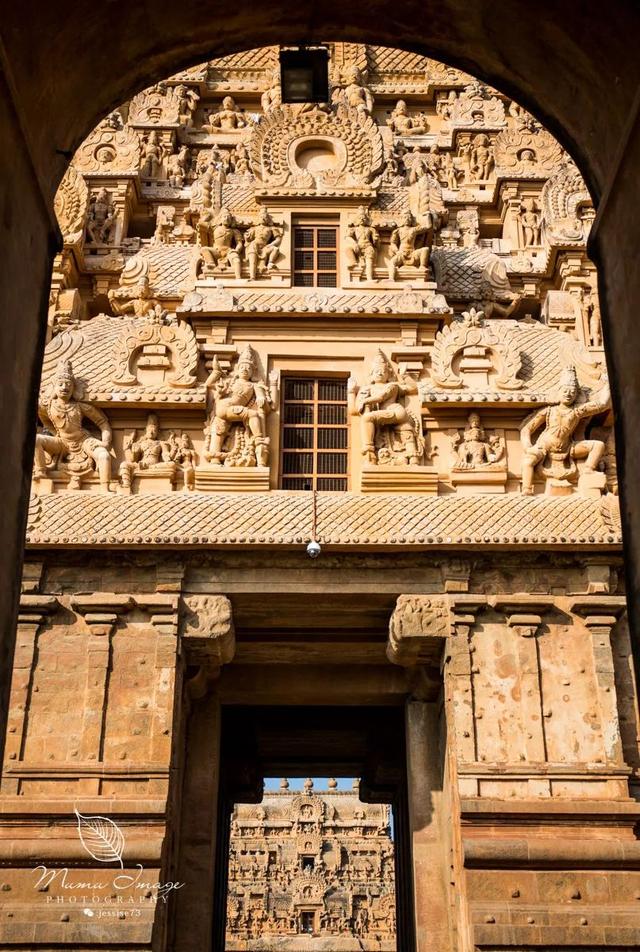
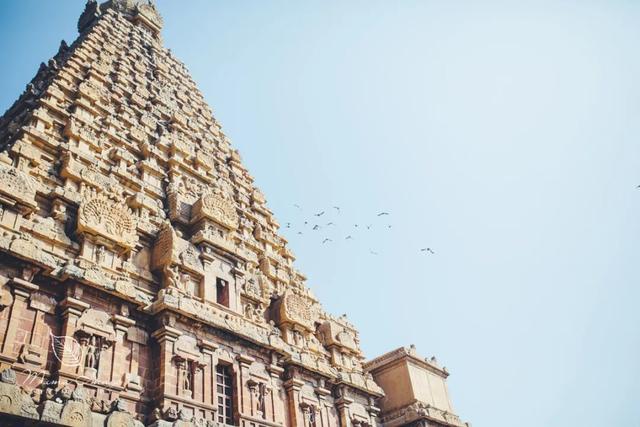
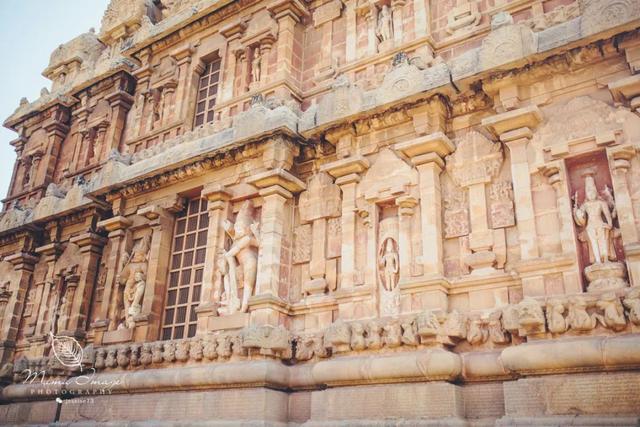
Entering the temple involves several gates, this is the top detail of the first gate.
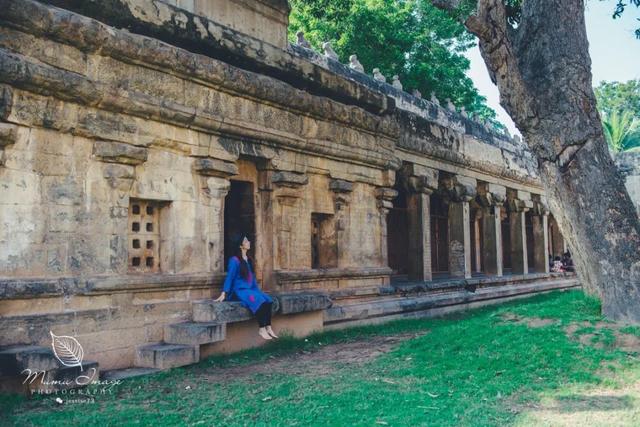
The doors of the temple are intricately carved and very ornate. Large guardian figures are carved on either side of the gates. Inside the temple are the Nandhi Hall, two spacious prayer halls, the antaraveda, and the Vimana, all built on a north-south axis.
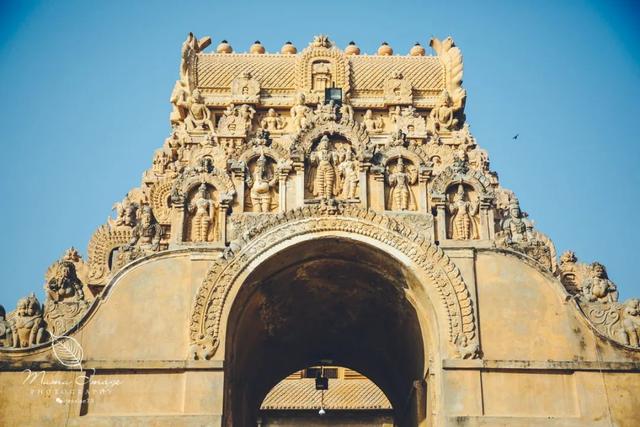
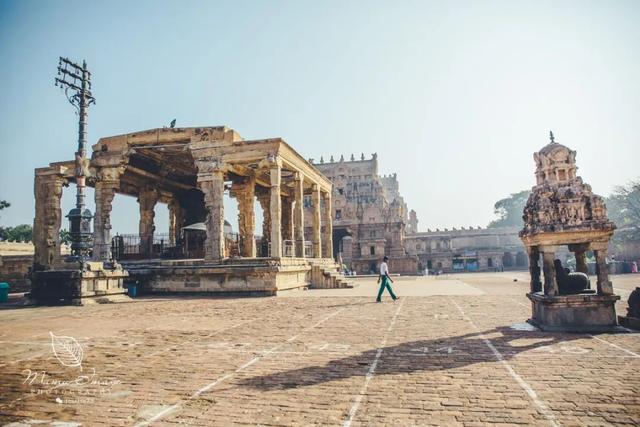
This is the second gate, and there are gates like this one after one another. There are three tall arched gates like this. You don't need to buy a ticket to enter.
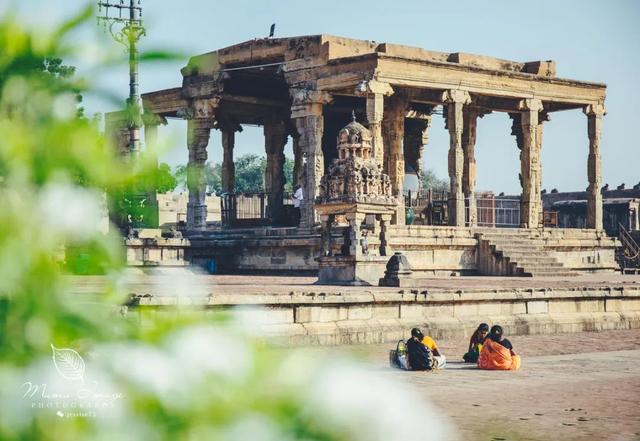
The courtyards of each gate are surrounded by corridors, and outside they are enclosed by brick walls forming squares of about 350 meters on each side.
The Chola kingdom was called 'Jataka' in Chinese history, and it was recorded in the Tang Dynasty's 'West Route Records' as 'The Tathagata appeared here long ago, and taught profound methods.'
The Jataka kingdom was the first strong kingdom in the South China Sea during the Northern Song Dynasty, and it conquered territories from Sri Lanka to the mainland of Central and Southeast Asia and even Indonesia, while also spreading Hinduism. Therefore, many Southeast Asian countries today have buildings with a similar style as a legacy.
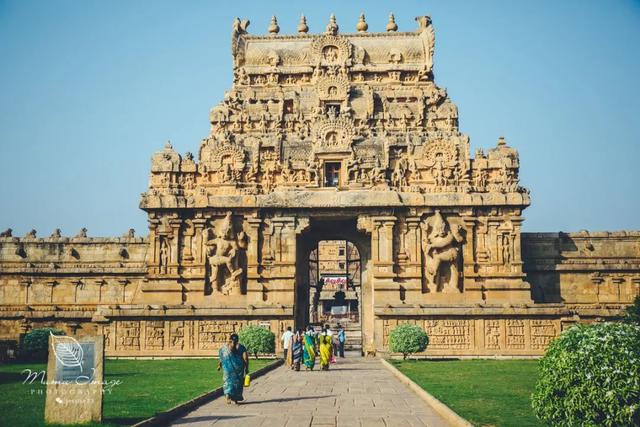
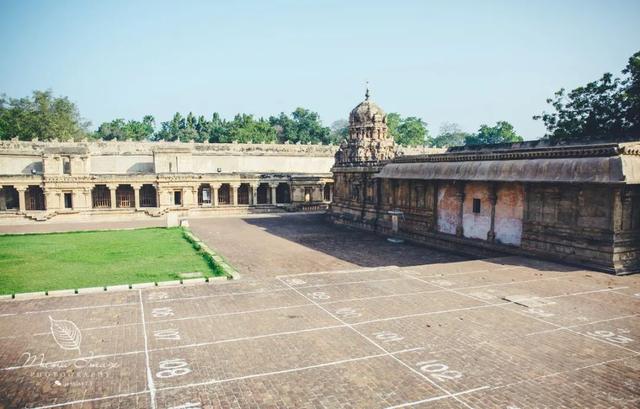
Doesn't this building look like Angkor Wat?
The Chola dynasty liked to build large stone buildings, building six or seven hundred-meter-high towers and then intricately carving them.
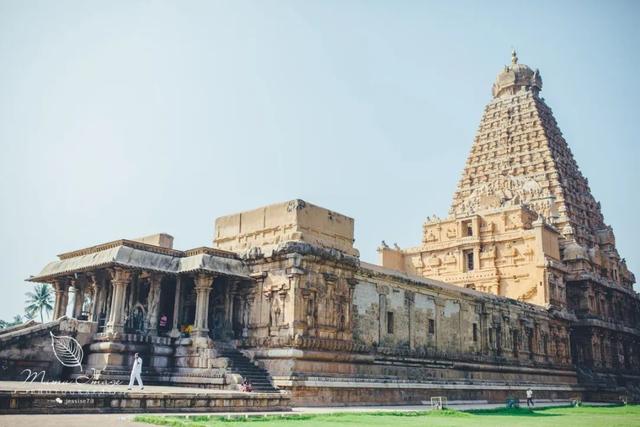
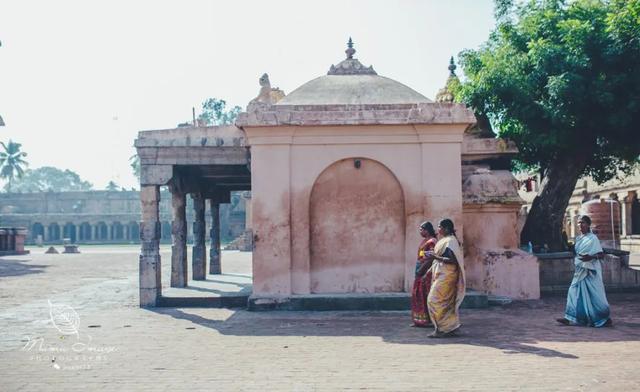
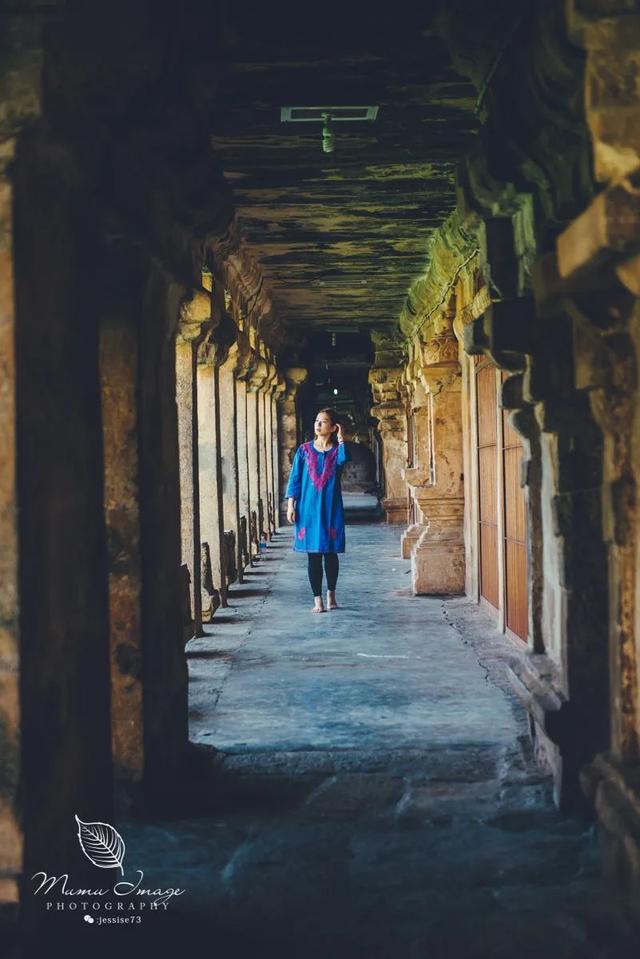
This style was spread to Cambodia, where it flourished because the stone in Southern India was harder than that in Cambodia, which is softer and easier to carve, so the craftsmanship of the Chola dynasty created a world wonder in Cambodia – Angkor Wat.
The temple is a 13-story pagoda tower made entirely of hard granite, and in just a few years, the craftsmen excavated more than 10,000 tons of granite from a quarry 50 miles away, weighing up to 40 tons, and placed it on the top.
It took a long time to figure out how the 40-ton rocks were installed on the tower. This mystery was not solved until recently. The copper-plated roof decoration was placed by Raja Raja I himself. According to inscriptions, this is what he did.
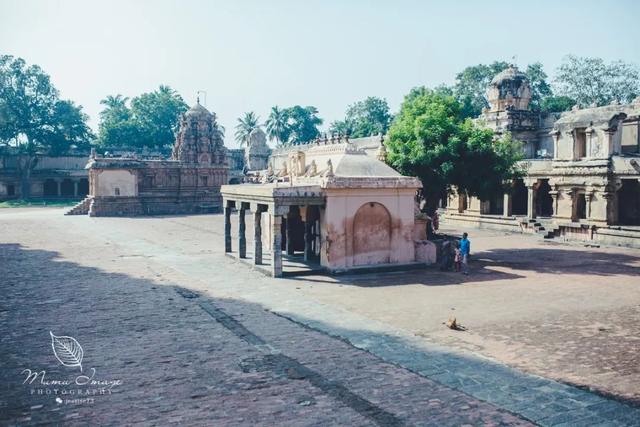
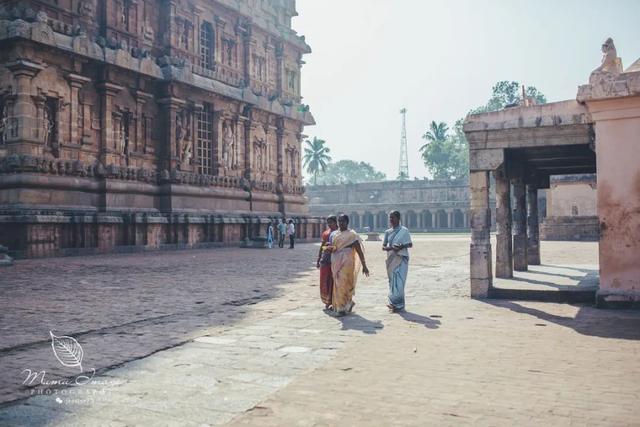
Inside the temple is a statue of Shiva, the god, about 4 meters high, carved from black basalt. Raja Raja was one of India's most authoritative kings, so he built the largest male reproductive statue to demonstrate his strength and authority. There are also shrines with 'Lingas' in the side chambers.
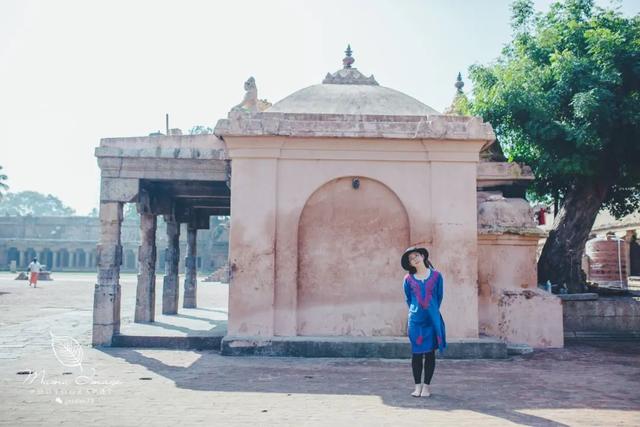
The great temple of the Chola dynasty, there are three of them near Tanjore, all of them are magnificent, belong to the same world heritage site. This is the third temple. The largest one is in Tanjore city, which is the temple where the Chola king worshipped most frequently.
The buildings of the same period in China are similar to the Northern Song Dynasty, now only a few remains, such as the Xing Xing Temple in Jingde, when the imperial palace and the Grand Palace were all destroyed. So stone buildings are indeed easier to preserve.
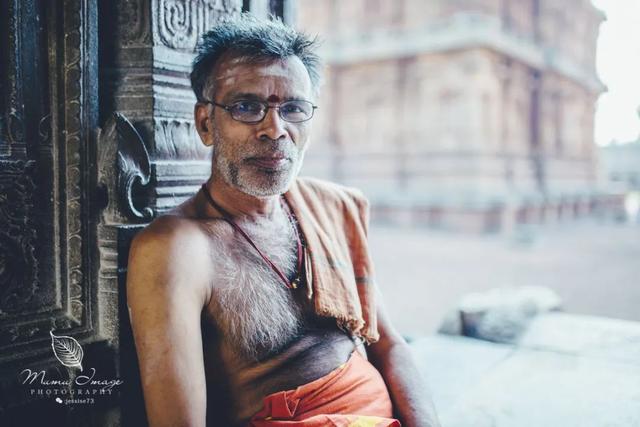
This temple is still used for pilgrimage, so on the World Heritage list, its name is 'Living Chola Temple'.
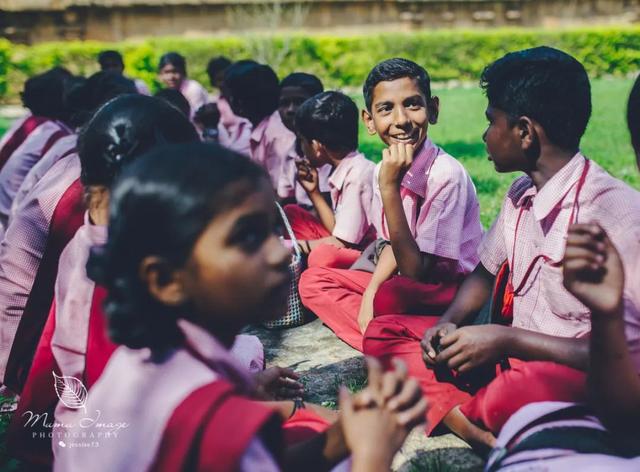
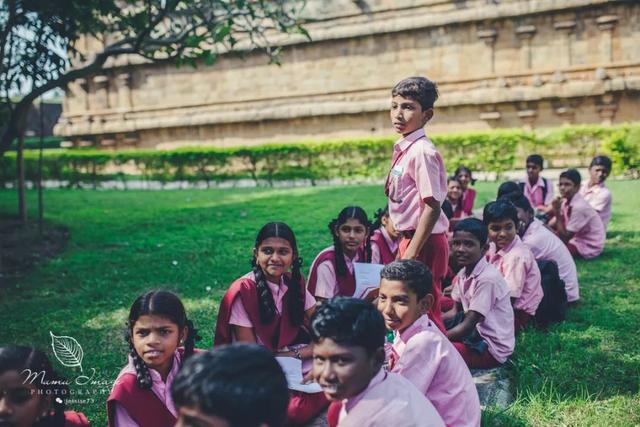
As the sun sets, when leaving, we met a group of elementary school students, one boy's eyes shone brightly, with a thoughtful look.
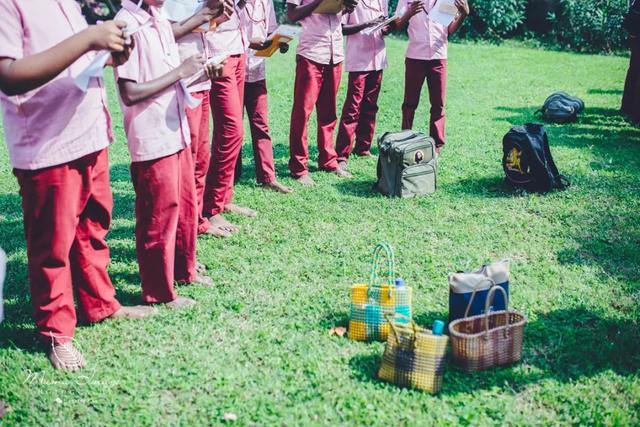
Unexpectedly, their school uniforms were like this. Such a stylish boy must come from a higher class in India.
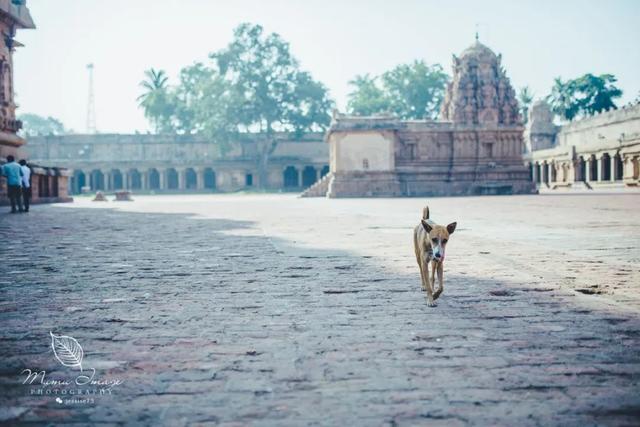
Tanjore, when leaving, we are a little regretful
I have a good impression of this city

I like the grand architecture and the unique human culture
They have met my expectations