The Eastern Starting Point of the Great Wall, a Wonder of China, Now Known as Shanhaiguang
This is the end of the mountain, this is the end of the sea, between the mountains and the sea is a majestic pass, this is Shanhaiguang.
The Great Wall is one of the greatest constructions in human architectural history. Any epic adjective used for the Great Wall is appropriate. The Great Wall has a deep and unshakable sentiment for the Chinese people.
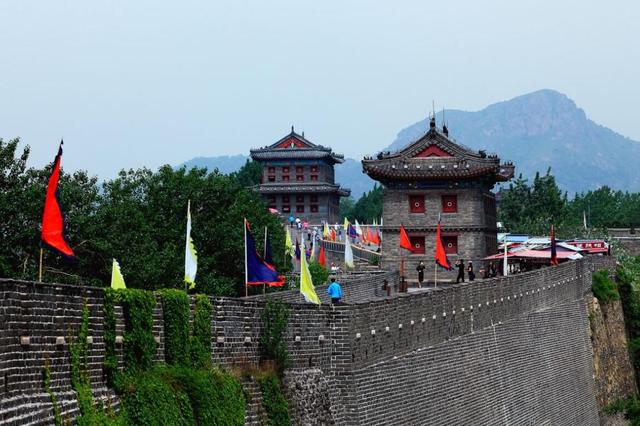
Qinhuangdao is a brilliant pearl on the coast of China. The city is situated on the mountains and by the sea, with beautiful scenery. Mountains, seas, and passes form a unique and beautiful landscape painting. Visiting Qinhuangdao, Shanhaiguang is a must-visit place.
Some people have made a rough estimate: if only the bricks and earth used in the existing Great Wall were used to build a wall 2 meters thick and 4 meters high, it could circle the Earth many times.
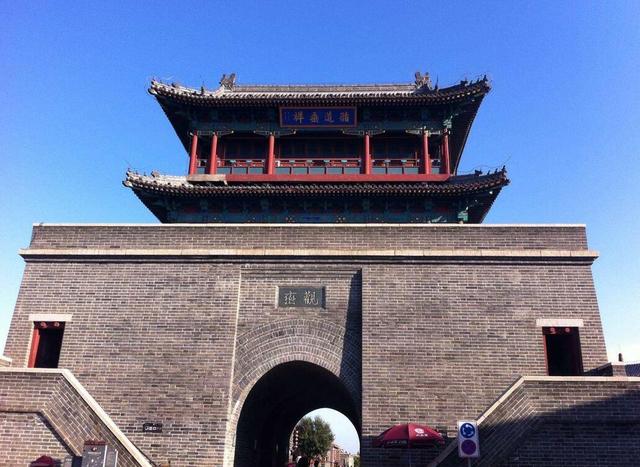
The name Shanhaiguang is very grand, so here it can accommodate mountains and sea, can accommodate heaven and earth, naturally can also accommodate the Qin Emperor who built the Great Wall and the weeping Meng Jiangnu.
Shanhaiguang is traditionally known as 'The Two Capitals's Keys Without Parallel, The First Pass of The Great Wall'. The historical Shanhaiguang formed a complete Great Wall defense system, a magnificent finale in ancient military architecture. Nowadays, there are more than 150 historic and cultural sites within the 1.5 square kilometers of Shanhaiguang Ancient City (Pass and East Luo City), including many national treasures.
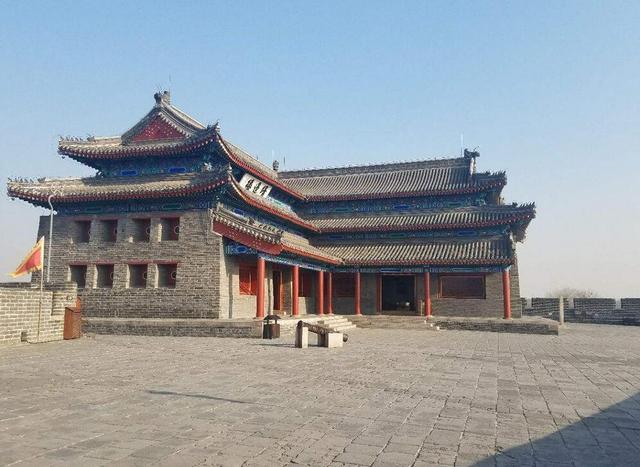
Shanhaiguang is not only a militarily important pass, but also a gateway for two distinctive cultures. Anyone who comes to Shanhaiguang, whether entering or leaving, will have such thoughts. The only difference is whether they are entering or leaving the pass.
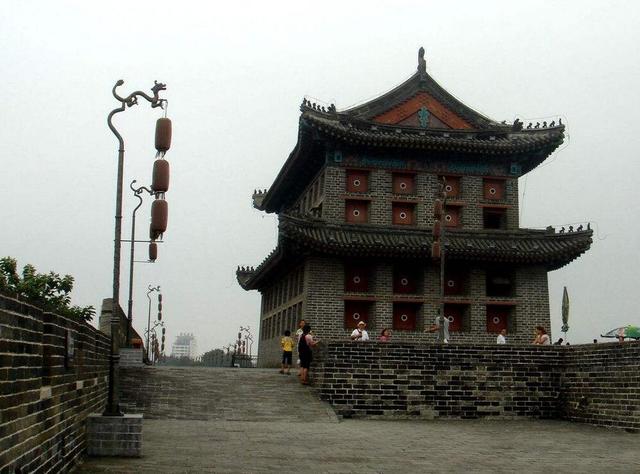
Standing at Shanhaiguang, you cannot see Ningyuan City, nor can you see Ju Zhou, Hua Dao and Ling He. Back then, the Ming Dynasty was in turmoil and precarious, and it alone managed to hold it together. Yuan Chongyu, a former scholar, stepped forward at a critical moment, single-handedly fortifying Ningyuan, bolstering Ju Zhou, supporting Beijing, and assisting Beijing, sacrificing everything for the Ming Dynasty until his death, ultimately dying at the crossroads 'cut and lashed'
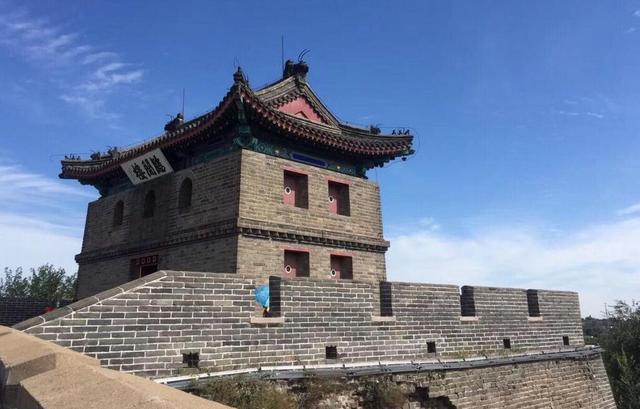
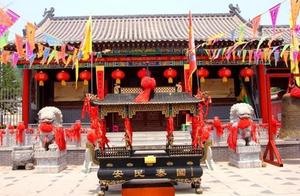
I saw many ancient buildings inside the city. There were fortifications and food processing areas, two soldiers' canteens and stables, and soldiers' dormitories. Seeing them, I felt like I was witnessing the production and life conditions of the city back then. I was immersed in my imagination.
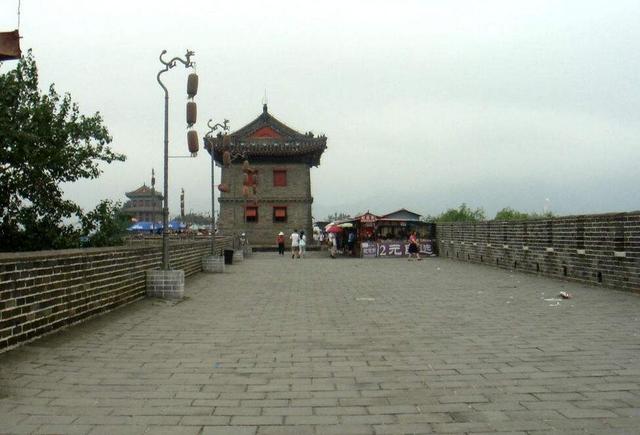
Shanhaiguang Scenic Area boasts a rich collection of historic sites and scenic landscapes, with pleasant climate, and is a famous historical and cultural ancient city and tourist resort. In 2000, Shanhaiguang Scenic Area was rated as the first-class tourist area. In 2001, the State Council formally listed Shanhaiguang District of Qinhuangdao as a National Historic and Cultural City – Shanhaiguang Tourism Scenic Area, with the Great Wall as the main line, forming six scenic districts: 'Old Dragon's Head', 'Meng Jiangnu Temple', 'Horn Mountain', 'The First Pass', 'Long Life Mountain', 'Yan Ce Lake', all open to domestic and foreign tourists.
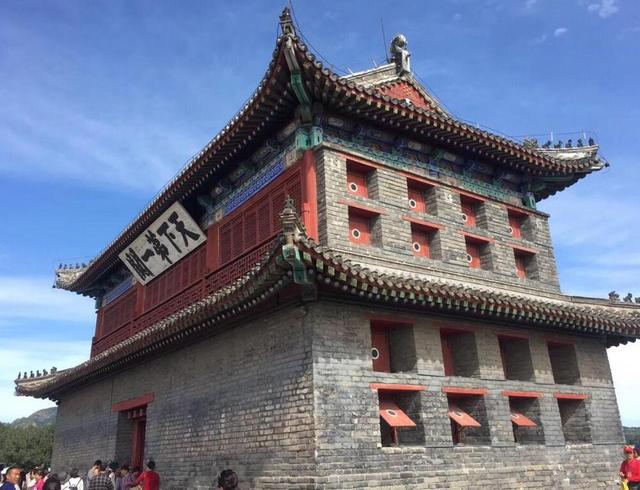
It is like a giant dragon, winding through deserts and grasslands, circling on mountains, and walking along the Yellow River and the Bohai Sea. From its construction to its completion, it has a history of more than 2000 years. The existing Great Wall is mostly from the Ming Dynasty (more than 600 kilometers) built on the basis of previous construction, starting from Shanhaiguang and ending at Jiayu Pass.
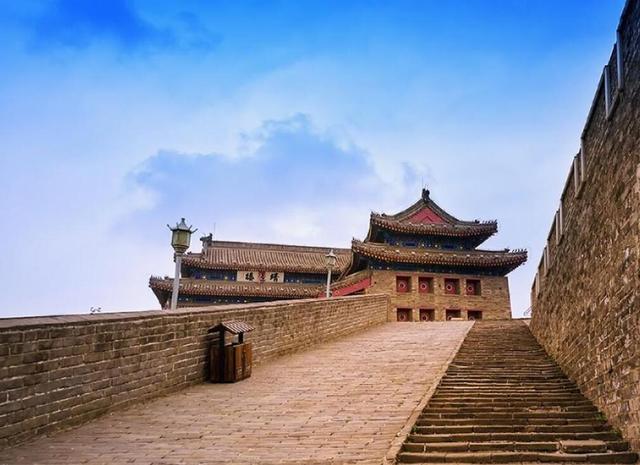
'The pass is as strong as iron, and now I take my first step. 'The ancient Shanhaiguang still stands majestically, although it has become a historical relic, its majestic and dignified history inspires the will and patriotism of the Chinese people. We will always have the spirit of the Chinese people to resist foreign enemies.
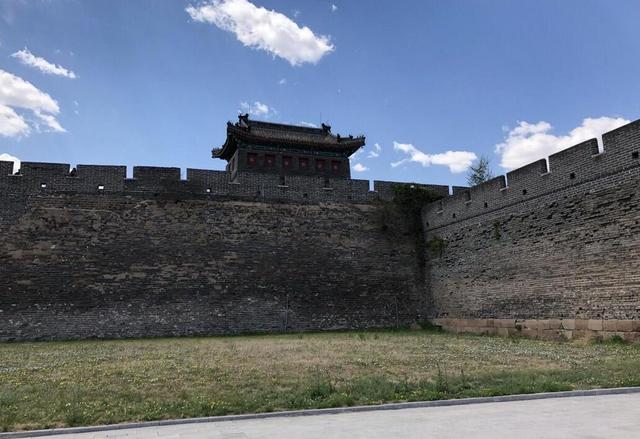
I don't know what Li Zicheng and Wu Sangui thought as they fought on a single stone in Shanhaiguang, or how the Eight Banner cavalry led by Dorluge entered without the Nurhaci and Hong Taiji failing to capture, Li Zicheng, Wu Sangui and Dorluge, the three most powerful men of that era, thought when they saw Shanhaiguang.
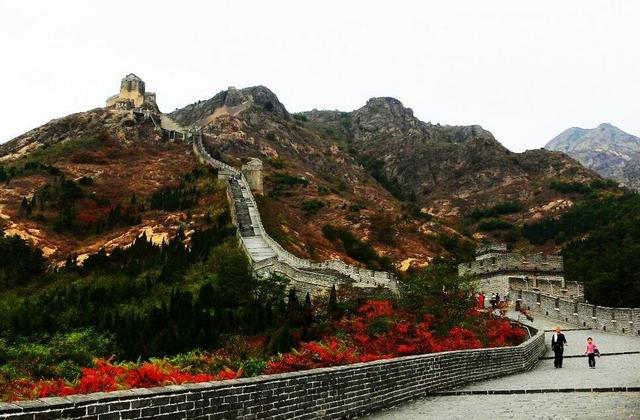
The pass still stands, the past is gone, the sky is as clean as a wash, with a white cloud drifting across.
The economy depends on circulation, and civilization needs collision and fusion. Systems should follow trends. Open the borders, embrace all rivers, this is why the Tang and Song dynasties flourished; closing the borders and rigid systems led to the decline of the Great Qing Dynasty. This is the historical lesson left by the Silk Road.