China and the Province with the Most Bordering Provinces, the Qin Empire Established Here, and Xi'an Became a World-Famous Capital of the Han and Tang Dynasties
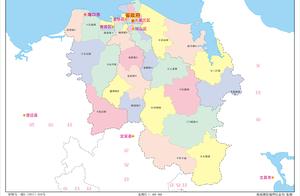
China is vast and abundant in resources, with each province offering unique tourism opportunities. Shaanxi Province is particularly special, bordering eight other provinces, cities, and autonomous regions – Sichuan Province, Chongqing Municipality, Ningxia Hui Autonomous Region, Inner Mongolia Autonomous Region, Henan Province, Hubei Province, Gansu Province, and Shanxi Province. Shaanxi is one of the cradles of the Central Plain Civilization, where the Qin Empire was established by Qin Shi Huang, and the Han and Tang Dynasties were also founded, with Xi'an (formerly Chang'an) serving as the imperial capital of both dynasties, a vibrant metropolis comparable to Rome.
Shaanxi boasts numerous tourist destinations, with the most distinctive cities being the ancient capital of Xi'an, Weinan City, and Baoji City.
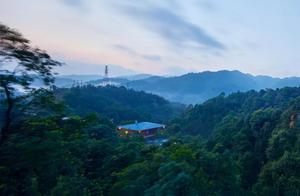
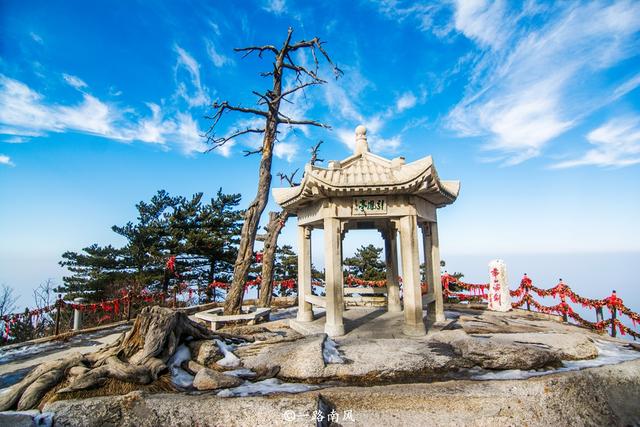
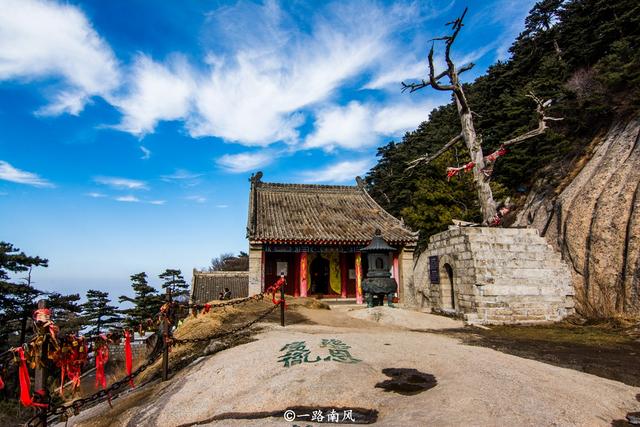
Mount Hua, known as ‘China’s First Dangerous Mountain’, is located in Weinan Hua Yin.
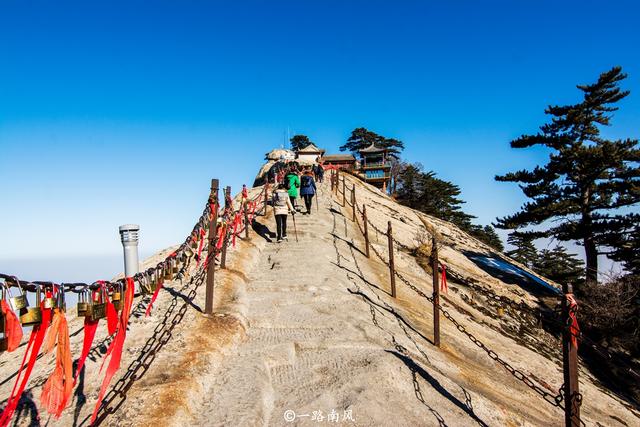
Just how perilous is Mount Hua?
Ancient Chinese people often said, ‘Mount Hua – One Path’, referring to the mountain’s steep and challenging slopes, where some angles reached ninety degrees, making climbing extremely difficult. Because of its incredible danger, few literati ever achieved the summit, resulting in few famous works. In that era, simply climbing Mount Hua was considered an adventure, and many of the mountaineers were skilled herbalists.
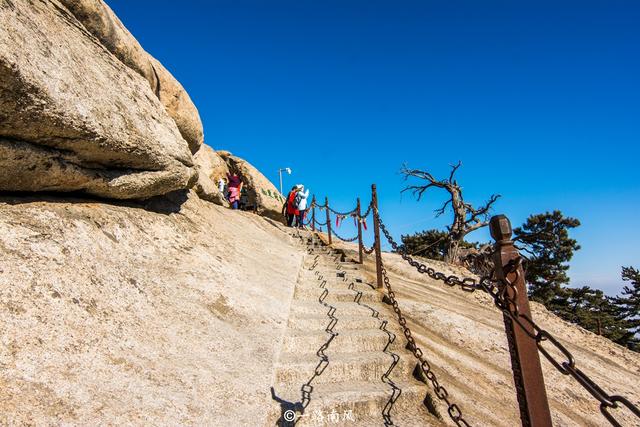
Today, Mount Hua remains a challenging climb, but with the cable car, tourists can generally return on the same day without seeing the sunrise.
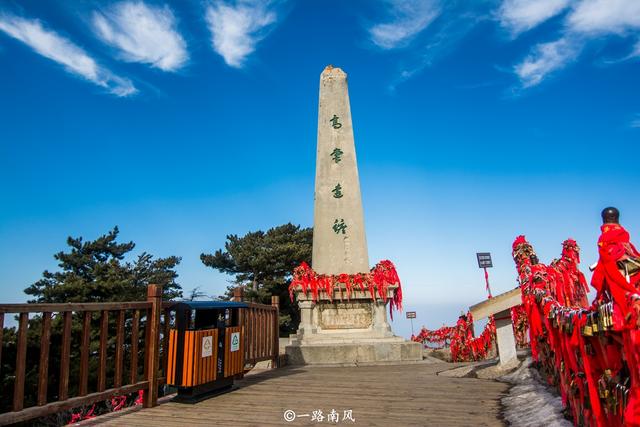
Riding the cable car up and down the mountain saves time and avoids a large section of the steep climbing trail. Sitting in the cable car, with a ‘ten-thousand-foot abyss’ below, some tourists still feel nervous, but the mountain’s ‘ten-thousand peaks and ravines’ are still quite scenic.
Mount Hua is the origin of Chinese civilization, and ‘Hua’ in Chinese refers to Mount Hua.
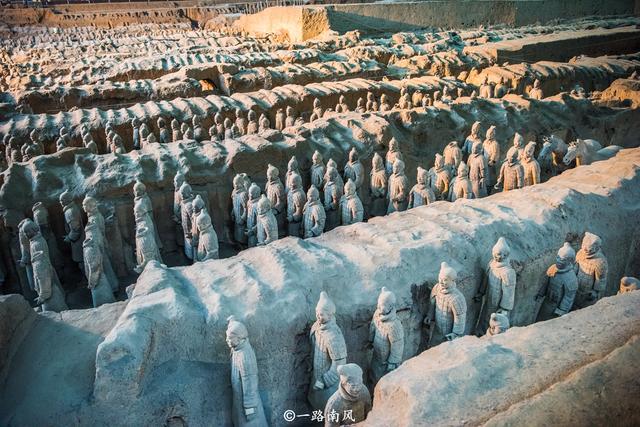
Shaanxi’s most visited city is Xi'an, the provincial capital and the province’s economic, cultural, and transportation center.
Historically, thirteen dynasties were established in Xi'an, including the Qin and Han dynasties, whose palaces are now dilapidated, but the Tang Dynasty's Heyang Palace (Huaqing Palace) in Lintong is still preserved, and in the late 1990s, farmers discovered the Qin Emperor’s terracotta army in Lintong.
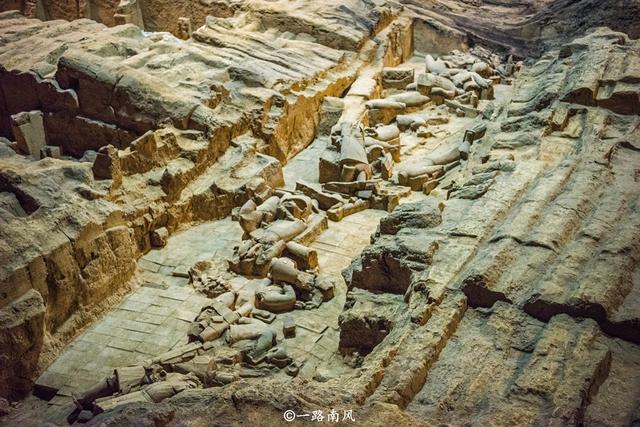
These massive, world-renowned tombs and the vast number of terracotta warriors and artifacts are admired by tourists from around the world.
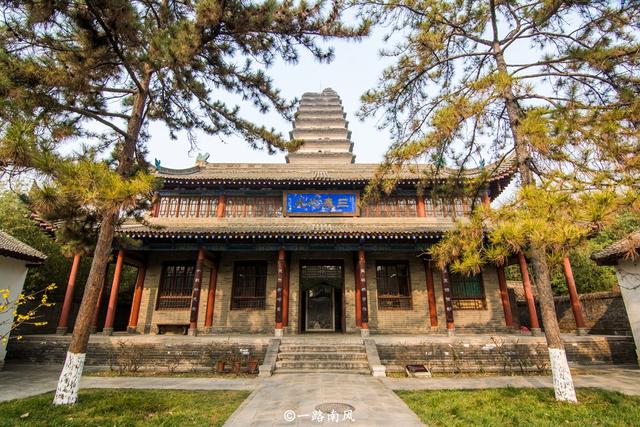
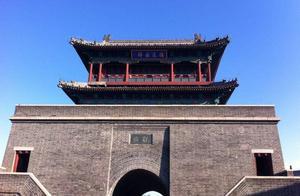
From the Qin Empire to the Tang Dynasty, Xi'an has always been the central city of China, and even though subsequent dynasties established capitals elsewhere, its charm remains undeniable. Major landmarks within Xi'an include the Daizang Temple and Xiaozang Temple built during the Tang Dynasty, as well as the clock and bell towers built during the Ming Dynasty, which are now major landmarks and tourist attractions.
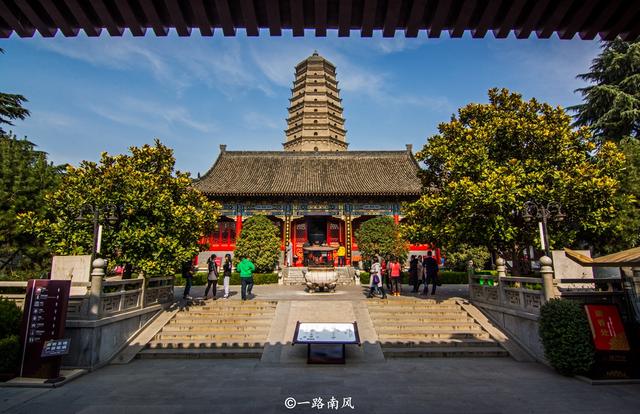
Leaving Xi'an, we arrive in Baoji City, home to China’s oldest temple – Famen Temple.
The core scenic area of Famen Temple is a distance from the main entrance, and this temple, built during the Eastern Han Dynasty, has a history of over 1900 years. Besides the buildings' Tang Dynasty style, there is also a palace underneath the real treasure tower open for visitors to explore.