Dali Ancient City: Tourists Often Rush to Buy Local Products, Ignoring the City's Unique Scenery
There is a landscape called Dali. In ',' Dali, let go of the pressure and desires of the city, and enjoy a long-lost travel time; go to the Dali coast to find a coffee shop that suits oneself, with a book and a cup of coffee, quietly enjoying the unique slow-travel time; go to the Dali Ancient City, walk through the blue-stone street, measuring the ancient alleys with feet;
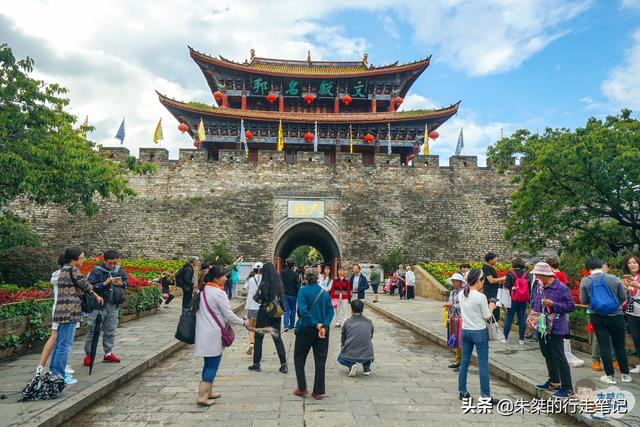
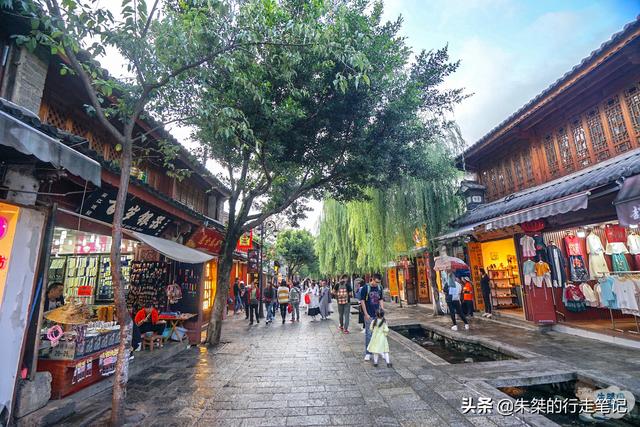
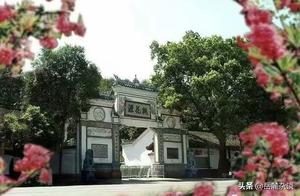
The Dali Ancient City is located at the foot of the, 13 kilometers from the lower city of Dali. The Dali Ancient City was built in the 15th year of the Hongwu reign of the Ming Dynasty, and has a history of more than 600 years. It still retains the original appearance of the ancient city and is one of the first 24 historical and cultural cities in China. The geographical location of the Dali Ancient City is the most poetic place among the historical and cultural cities in China, surrounded by '' representing the beautiful scenery of Dali. It faces the to the east, leans against the to the west, and has beautiful and picturesque natural scenery.
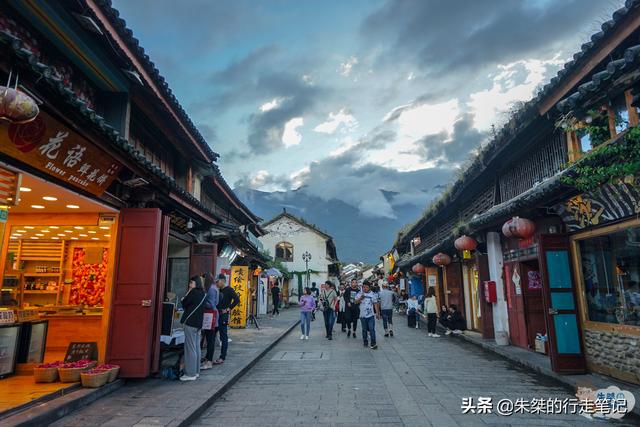
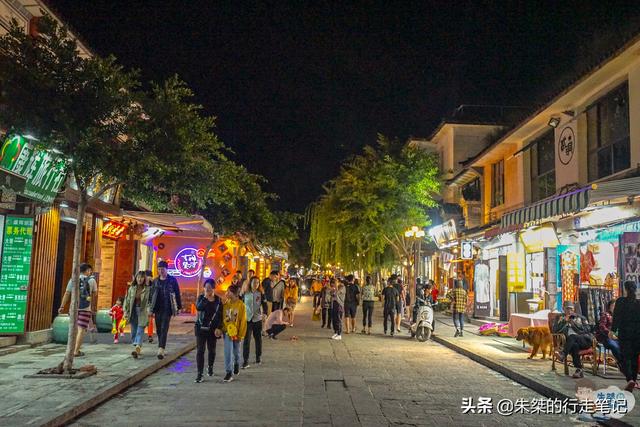
The Dali Ancient City has been the political, economic, and cultural center of Yunnan for 500 years between the Tang and Song dynasties. It has successively established two local governments of Nanzhao and Dali Kingdom. Therefore, the scale of the Dali Ancient City is incomparable to other ancient cities in Yunnan. Within the city's square circle of twelve miles, the city wall is 7.5 meters high and 6 meters thick, with four city gates in the east, west, south, and north, with city towers. Outside the city walls there is a moat, which was rebuilt many times during the Qing Dynasty. Inside the city, the city maintains a typical chessboard structure, with three streets to the north and south, and six streets to the east and west, with the city center leaning to the west, and the north-south axis is not the common central axis, forming a western-heavy eastern-light city layout. The north and south city gates are symmetrical, but the east and west city gates are staggered, adopting the principle of 'east, west, north, south do not take the middle' in White architecture.
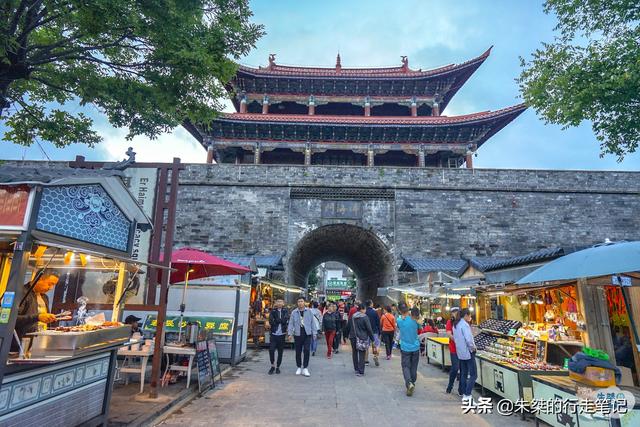
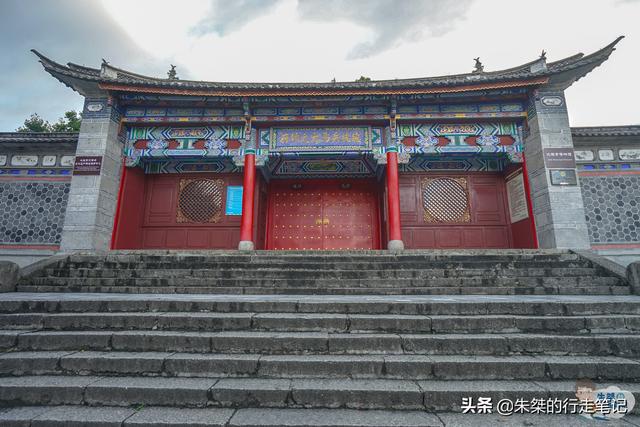
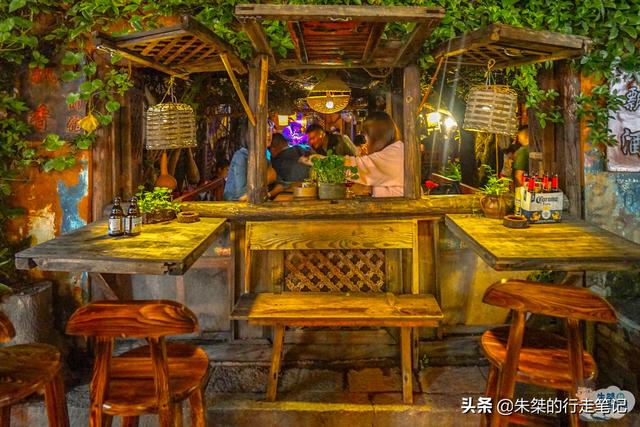
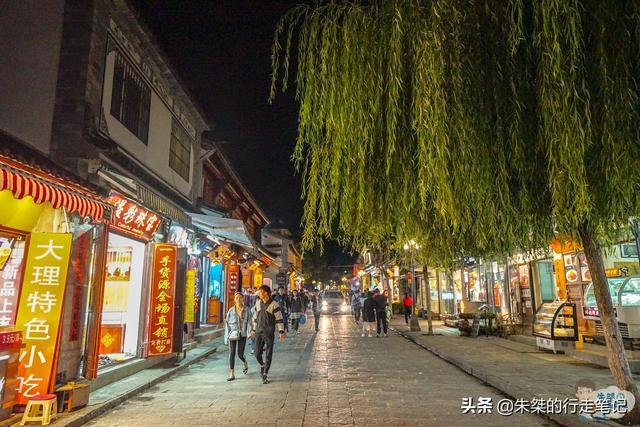
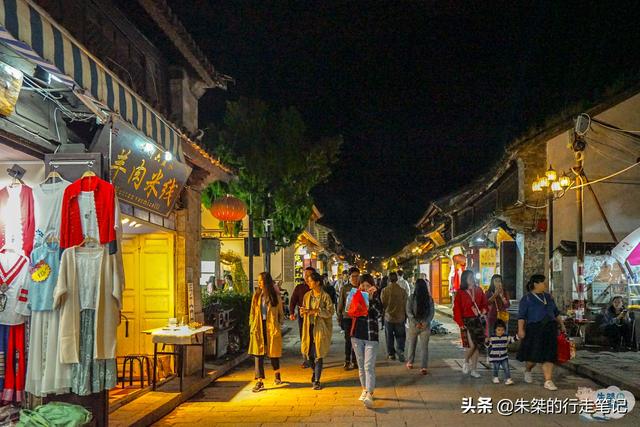
The thick city walls separated the city inside and outside the city into two worlds. Inside the city gates is the lower city of Dali's administrative center, where there is a busy street with a constant flow of vehicles and people, a prosperous and lively scene. There is a street that runs through the north and south, with various shops specializing in selling Dali silver jewelry, dyeing, weaving, and clothing, and local White restaurants with characteristic flavors. However, the Dali Ancient City seems no longer as rustic and elegant as before, with shops lining both sides of the street, mostly tourist shops seen in other ancient cities, and tourists no longer come to Dali to find a pleasant experience, but are attracted by the noisy commercial atmosphere and choose different Dali specialties.
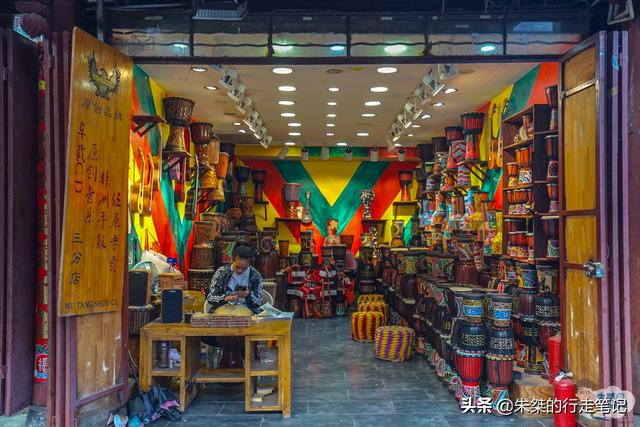
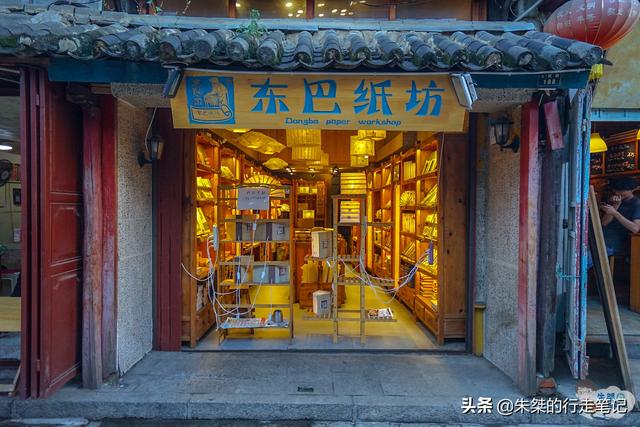
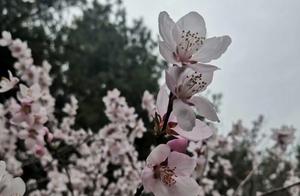
We should actually spend more time in the Dali Ancient City. If you walk through the city's four city gates, you will find that the city's city wall layout is chessboard-shaped, with three streets to the north and south and six streets to the east and west. You can get close to these ancient White residences and smell the fragrance of flowers and grass in the air. The original residents of Dali, regardless of wealth or poverty, will cultivate flowers and grass in their courtyards, which has become a traditional custom. Every household has a garden of different sizes, whether it's a rare Dali mountain tea or hibiscus, or the common Yunnan jasmine, all blooming in the most beautiful state, and the fragrance of flowers fills the air, 'every household has flowing water, every household grows flowers'.
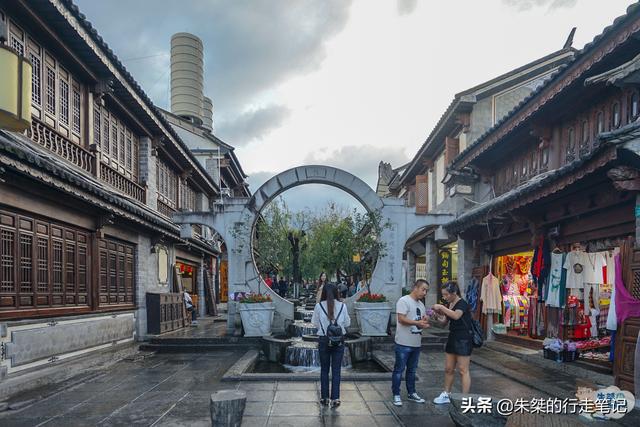
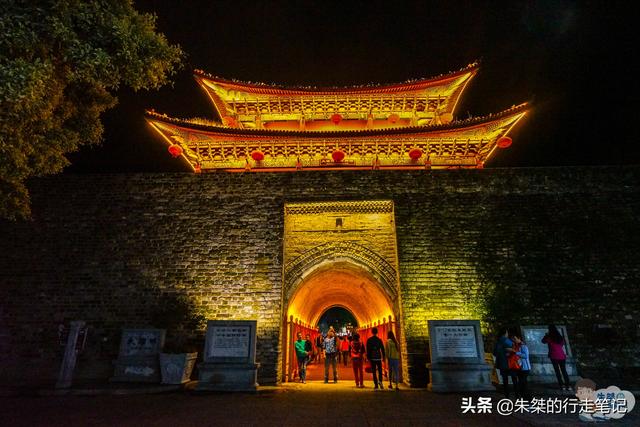
'Is it not satisfied with life, has not smiled for a long time and doesn't know why, if you are not happy and don't like this place, why not go west to Dali', a song by '' makes Dali a place longed for by many to release their minds. Of course, the Dali Ancient City has become increasingly commercialized, and most tourists, especially those following the tour group, rush and rush, so they spend their time buying Dali specialties and miss the unique scenery of Dali. However, if you have enough time or a heartfelt search, you will still find the Dali Ancient City, just that its rustic and quiet beauty needs you to look for it with heart, not to miss it by passing through.
“”