Comprehensive Guide to Pu-er Tea Production Areas and Flavor Profiles
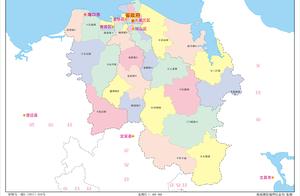
Puer City, also known as Simao, is a municipal city in Yunnan Province, located in southern Yunnan, with 1 district and 9 counties. On January 21, 2007, Simao City was renamed Puer City. Puer City is located in southern Yunnan, east of Honghe and Yuxi, south of Xishuangbanna, northwest of Linxi, and north of Dali and Chuxiong. Puer City has a total area of more than 40,000 square kilometers, which is the largest city in Yunnan Province. The area is characterized by undulating mountains, with 98.3% of the area being mountainous. Due to its location near the Tropic of Cancer, and the influence of altitude, it has a distinct vertical climate. The altitude of Puer City ranges from 317 to 3370 meters, and its climate features are influenced by subtropical monsoon climate. Most areas in Puer City have frost-free winters and summers without oppressive heat, earning it the reputation of ‘Green Pearl’ and ‘Natural Oxygen Bar’. The average annual temperature in Puer City is 15℃—20.3℃, and the frost-free period is more than 315 days, with an annual rainfall of 1100—2780mm and a negative ion content of more than 7 levels.
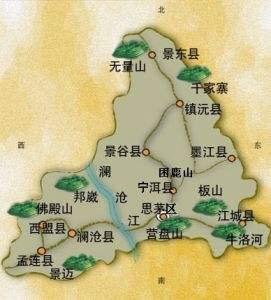
There are nearly 80,000 mu of ancient wild tea tree clusters, with two ancient tea tree trees, the 2700-year-old and 2500-year-old ‘Tea King’ trees in Qianxian, Zha township, and two ancient wild tea trees with ages of over 1,000 years in Luoshan and Banshan, Puer County; there is a thousand-year-old wild tea tree in Xingxing, Jinggui County, and a transition of over a thousand years in Bangwei, Lancang County, and Jingmai and Mangjing villages have world-renowned thousand-year-cultivated ancient tea gardens. From ancient tea tree cultivation area and old tea tree number, Puer City far exceeds Xishuangbanna.
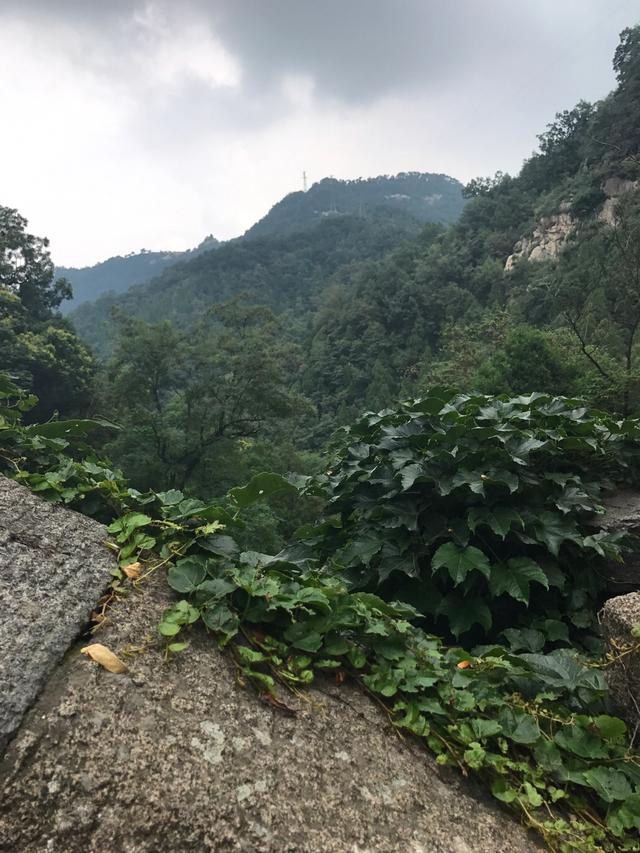
Puer tea, represented by the tea gardens in Jingmai Mountain, is characterized by a slightly bitter and astringent taste, prominent fragrance, and strong mountain air.
Menghai County is located in the southwest of Yunnan Province, in the western part of Xishuangbanna Dai Autonomous Prefecture, east of Hongjiangkou City, northeast of Simao City, northwest of Lancang County, and west and south of bordering Myanmar. The border line is 146.6 kilometers long, with east-west width of 77 kilometers and north-south width of 115 kilometers. The area is 5511 square kilometers, with mountainous area accounting for 93.45% and basin area accounting for 6.55%. It is connected to Laos in the east and south, and borders Myanmar in the west and south, and is adjacent to Jinghong City, the capital of Xishuangbanna Dai Autonomous Prefecture, and adjacent to Cangcheng County, Ha Ni Autonomous Prefecture, Jiangcheng, with unique regional advantages.
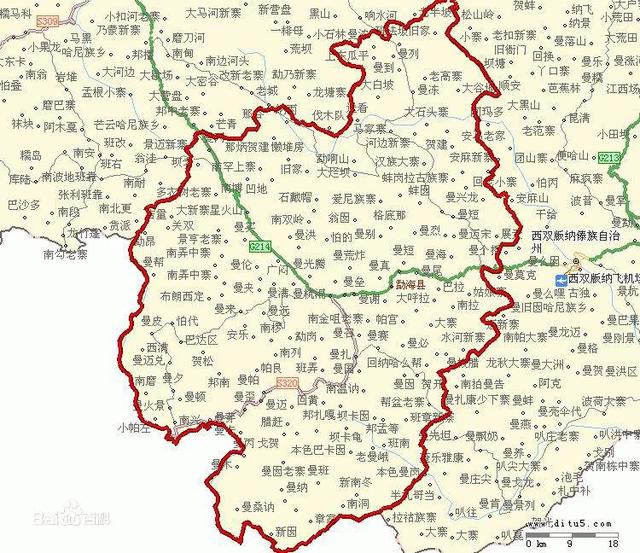
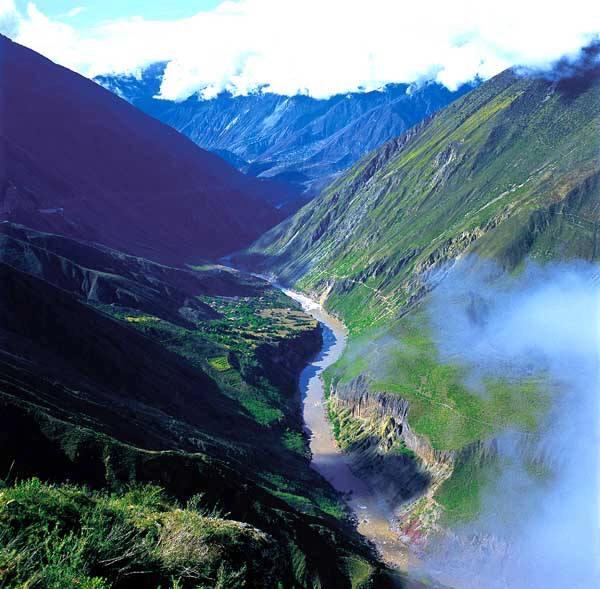
Menghai County is famous both domestically and abroad as the ‘home’ and ‘earliest origin’ of ‘Puer Tea’ and China’s earliest tea-producing land, with the 1700-year-old ‘Tea King’ trees and a vast number of ancient tea trees. Menghai tea is characterized by thick tea quality, full tea juice, and astringency, except for some small-leaf varieties, with obvious bitterness; ancient tea trees have obvious forest flavor and mountain air.
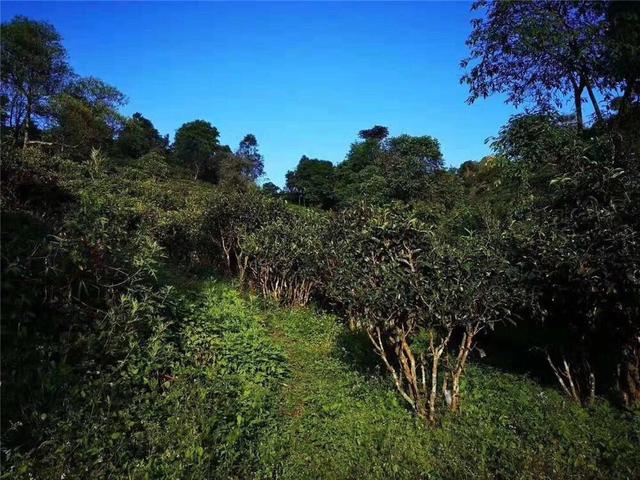
This is inseparable from the climate and natural environment of the Lancang River basin. Menghai tea area has a lower temperature and stronger sunlight, which leads to a higher content of tea polyphenols and catechins, resulting in obvious bitterness. The ‘barbarity’ of Banchan and the ‘bitterness’ of Lao Mande are directly related to this.
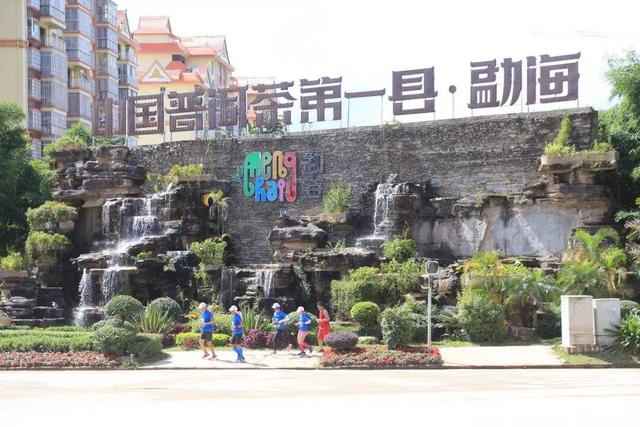
It is worth mentioning that Menghai is the best place for dried tea fermentation technology and the most complete fermentation equipment, which can be said to be the birthplace of dried Puer tea. Menghai is also the place where Puer tea was first produced.
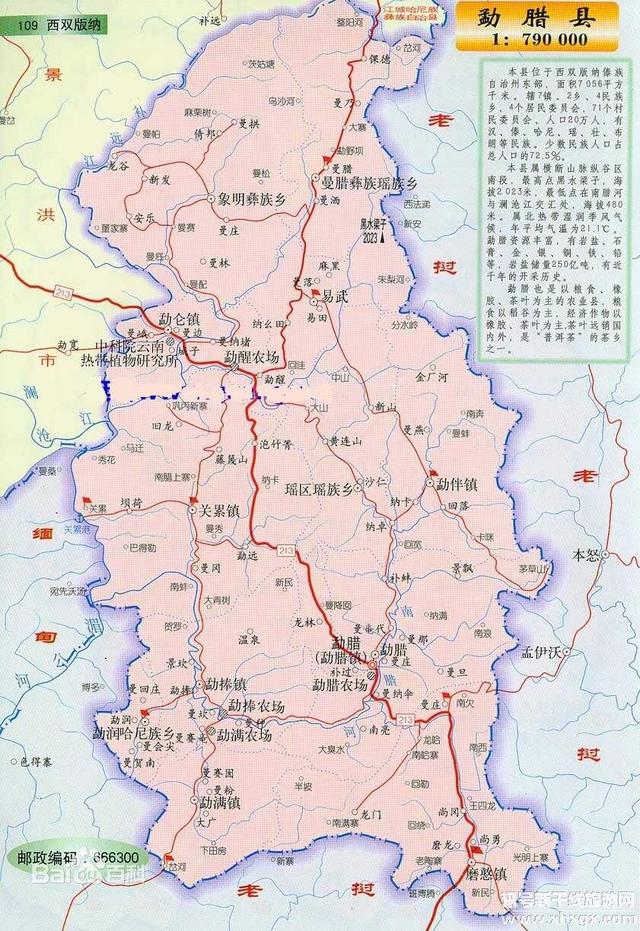
Mengla County is one of the counties under the administration of Xishuangbanna Dai Autonomous Prefecture in Yunnan Province. The county is located in the south-east of Xishuangbanna Dai Autonomous Prefecture, with a total area of 7056 square kilometers. Mengla County is located in the south-east of Xishuangbanna Dai Autonomous Prefecture, bordering Hongjiangkou City to the east and south, adjacent to Lancang County to the northwest, and adjacent to Jinghong City, the capital of Xishuangbanna Dai Autonomous Prefecture, to the north. The county's total area is 6860.84 square kilometers, with 95.63% of the area being mountainous and 4.37% of the area being basin areas (valleys). It is connected to Laos in the east and south, and borders Myanmar in the west and south, and is adjacent to Jinghong City, Ha Ni Autonomous Prefecture, Jiangcheng, with unique regional advantages.
Mengla County has a superior natural environment, located south of the Tropic of Cancer, belongs to the Yunnan low-latitude plateau mountain monsoon climate, with abundant water resources, and one of the three counties in Yunnan Province with the highest humidity (the other two are Pingshan and Ma); the annual rainfall is 1486.5 mm, and the average daily sunshine hours are about 1984.1 hours, which is about 1984.1 hours. Puer tea tree species are all wild large-leaf tea, and Mengla County is unique to it. There are many ancient tea gardens in Mengla County, and the quality of tea is generally good, characterized by golden color, light astringency and good fragrance, sweet taste in the soup, smooth and thick soup, good aftertaste, and fast aging.
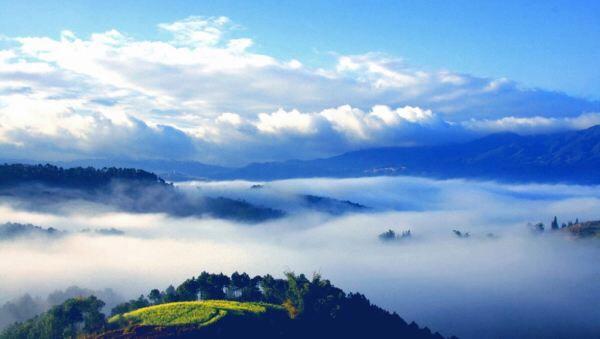
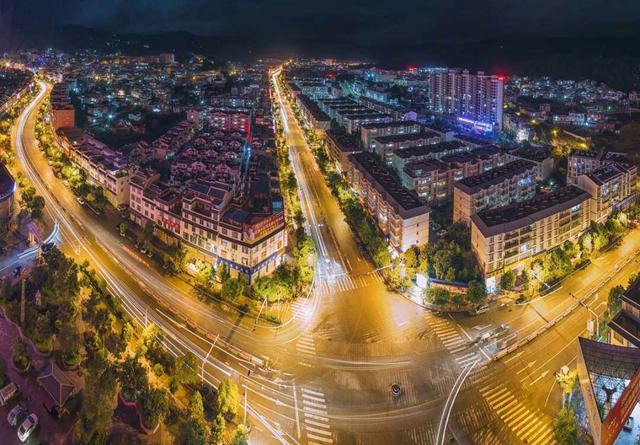
Lin Cang, a municipal city in Yunnan Province, is located in the southwest of Yunnan Province, east of Puer City, north of Dali, and west of Bashizi. It is located between the Lancang River and the Nujiang River, named for its connection to the Lancang River. Lin Cang is located in the south of the Yunnan Transverse Valley, belongs to the Yunnan low-latitude plateau monsoon climate, with abundant water resources, and is the birthplace of Yunnan red tea, large-leaf tea, green tea, and China’s largest red tea production base and Puer tea raw material base.
Lin Cang is the birthplace of the Yi andva culture, inhabited by 23 ethnic groups, and has been honored as one of China’s Ten Best Green Cities, China’s Chuni Town, and China’s Most Suitable City for Living. It is characterized by abundant sunshine, abundant rainfall, four seasons with little difference, summer without oppressive heat, winter without severe cold, distinct wet and dry seasons, and abundant rainfall.
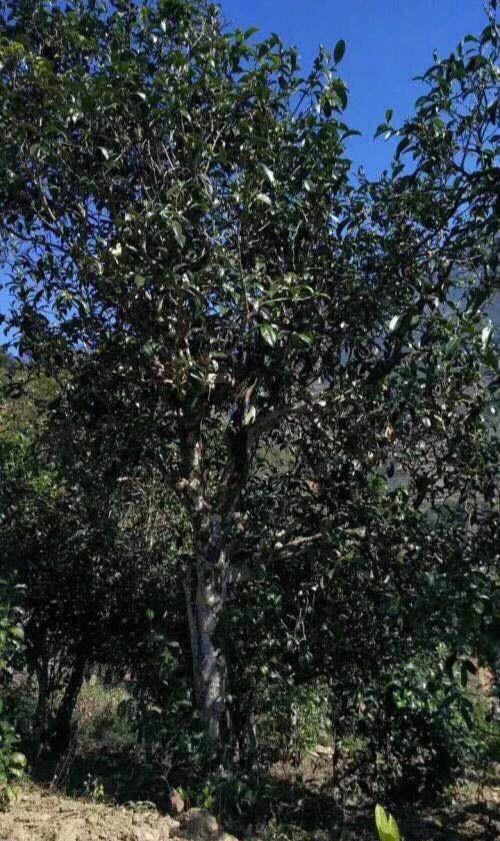
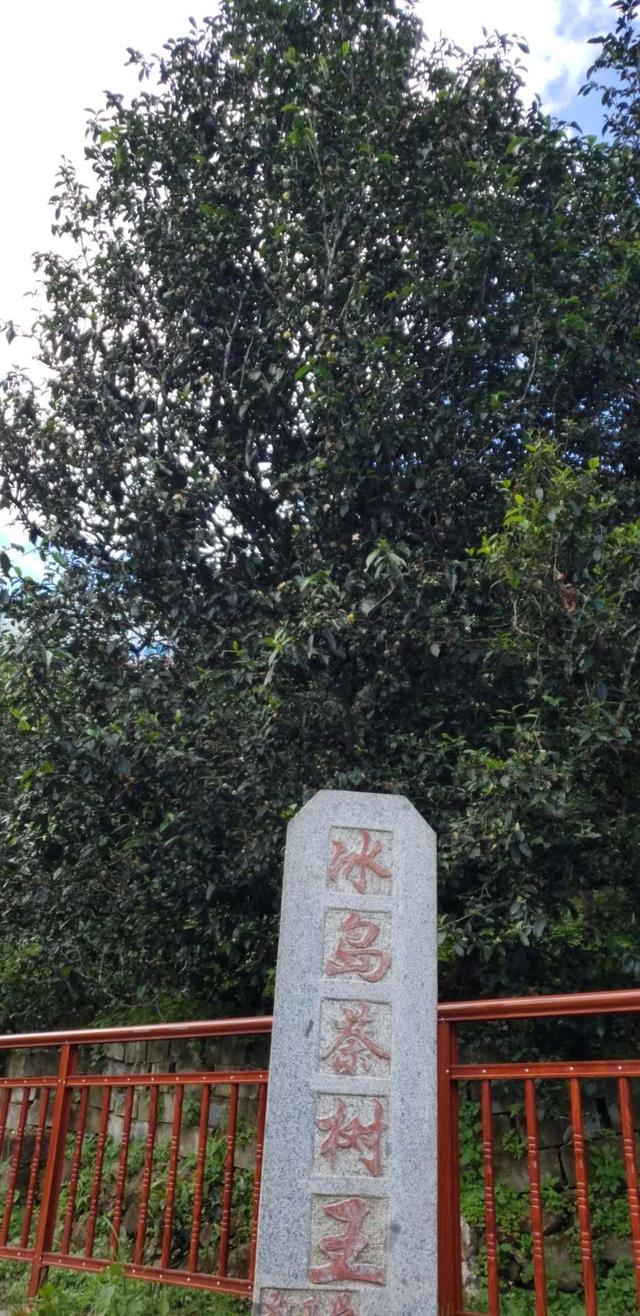
Lin Cang tea is characterized by distinct climatic features, and different tea varieties in different tea mountains have different characteristics. Among them, Lin Cang Mengku large-leaf Puer tea is the most famous. Lin Cang tea tastes slightly astringent, but the degree of astringency is not significant, with thicker tea juice, better aftertaste, and a quicker aging speed. In terms of fragrance, astringency, and bubble-aging resistance, Mengku large-leaf tea tree is unique to Lin Cang, with famous production areas of Bingzuo, Xigu and Qing.
23
17.3℃31735792017501894.12261.6
Was this article helpful?