Entering Mount Hua - The Chess Pavilion: The Path of the Falcon's Turn, Unshakably Standing on the Cliff
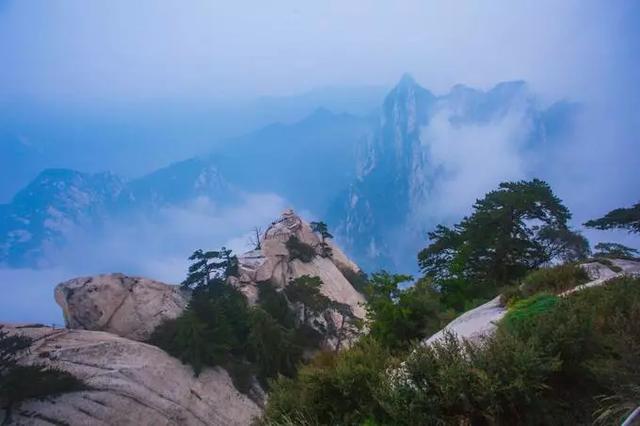
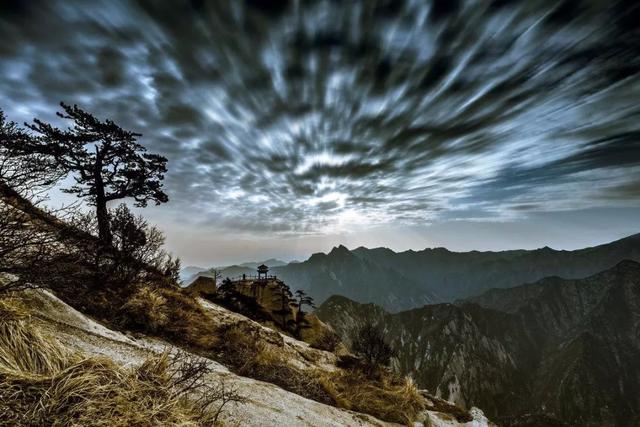
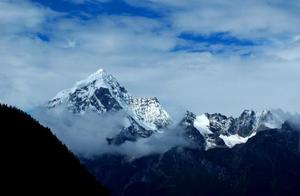
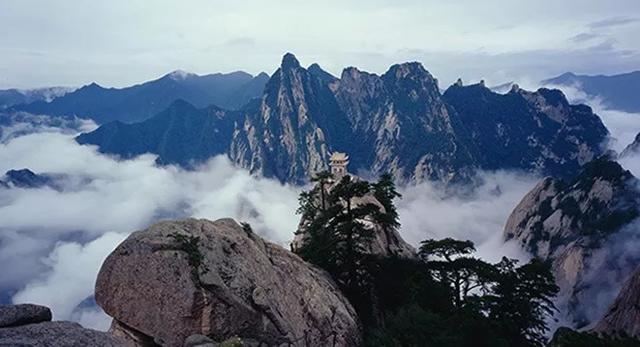
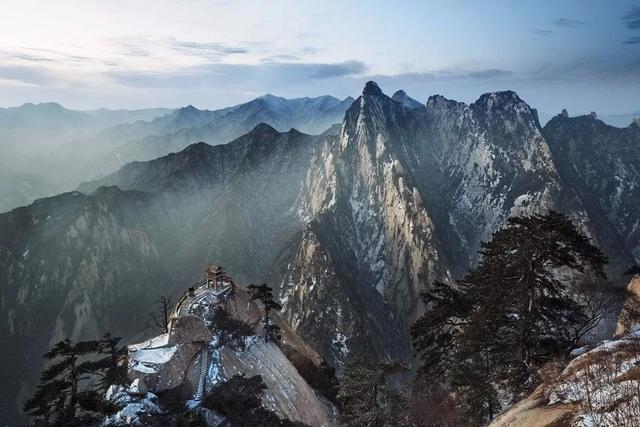
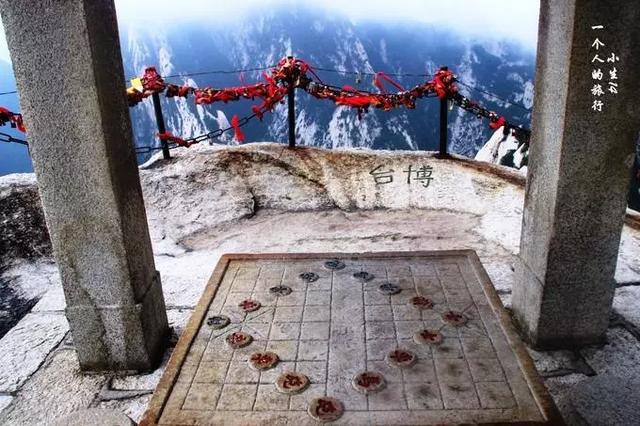
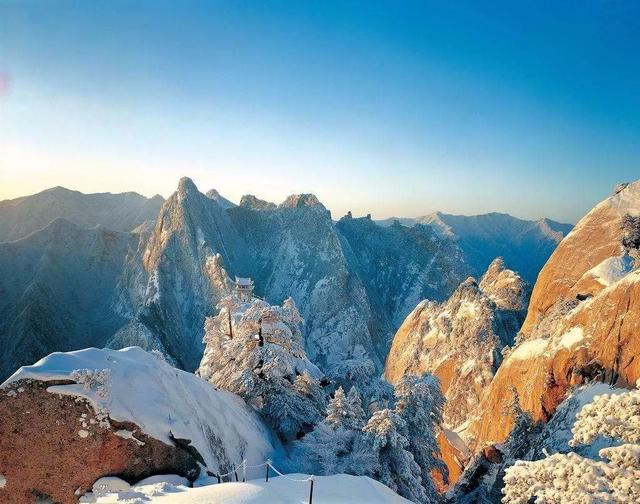
There is a solitary peak on the southeast side of Mount Hua, with a flat summit that has been carved and shaped by subsequent generations into a terrace, known as Bo-tai. The terrace is approximately several square meters, with three sides facing ravines, and connected to the eastern peak with a single-knife-shaped mountain back. In cloudy and misty weather, it appears like an offshore fairy island, appearing and disappearing intermittently, which is very magical. Hua Mountain's famous perilous route, 'Ezi Fen Shen', is the indispensable path to the Bo-tai from the eastern peak.

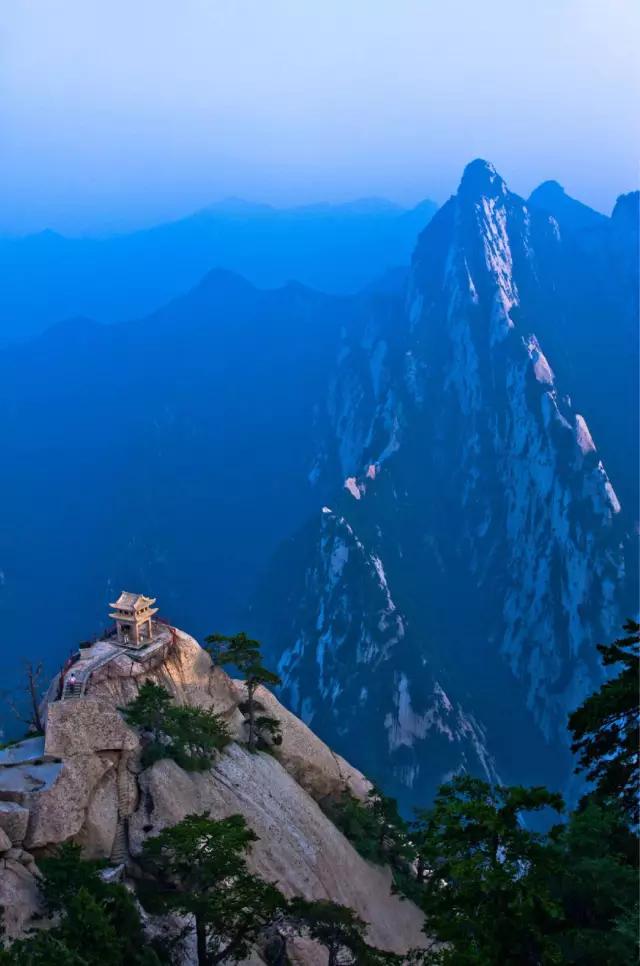
Ezi Fen Shen is the path to Bo-tai, carved on a precarious, overhanging cliff. Looking down, you only see a vertical iron chain, no path, visitors must press against the wall, grasp the iron chain tightly with both hands, and use their toes to explore stone nests, alternately descending. Several steps require one to turn their body like a falcon to pass through, hence the name.
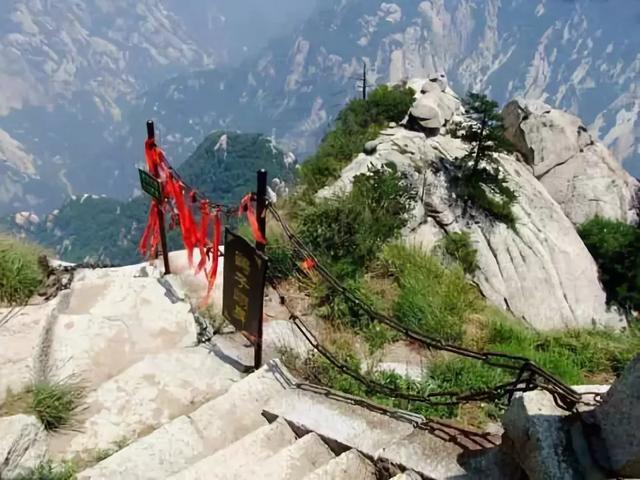
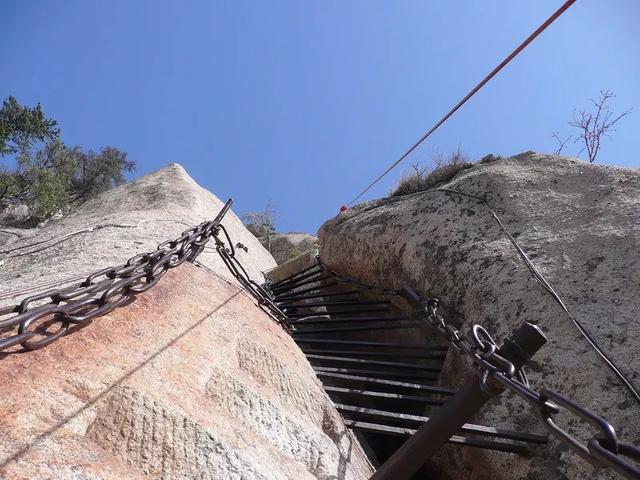
From a superficial perspective, Ezi Fen Shen's visual impact is far less dramatic than Long Kong Stack Road. However, once you go further, you realize its difficulty far exceeds that of Long Kong Stack Road. Firstly, it involves descending, with both the sides and below being vertically sheer cliffs; secondly, several steps have inward-sloping footpoints (greater than 90 degrees), with no view of the footpoints, and the distance between the footpoints is large; thirdly, the iron chain is loose, swaying, and difficult to hold firmly. Passing Ezi Fen Shen requires full cooperation of hands, eyes, feet, and knees, and one must be fully focused and cannot afford to be lax.
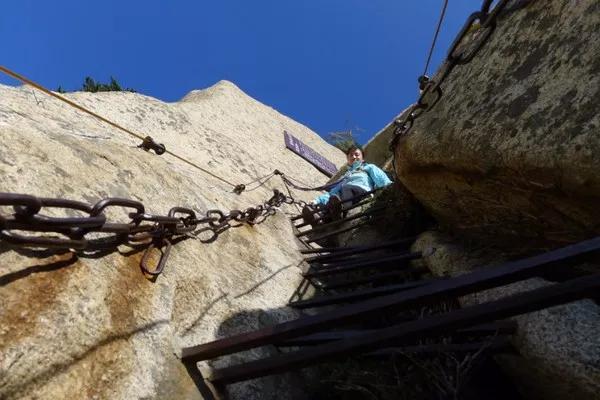
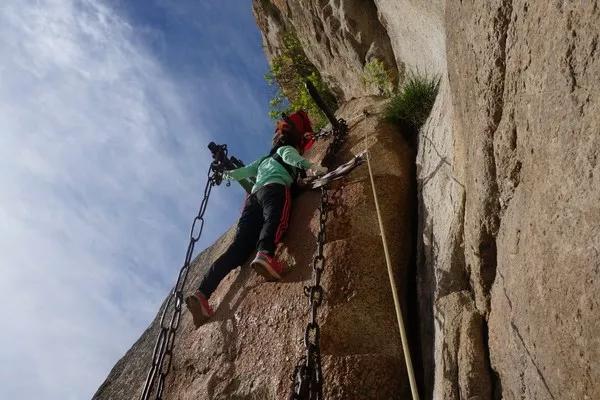
After walking through Ezi Fen Shen, you can see our today's protagonist, the Chess Pavilion.
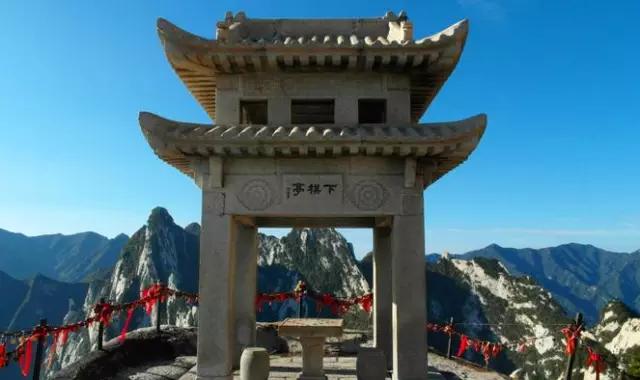
There are many folk legends recorded in the historical records and annals about Bo-tai. Han Feizi records that Qin Zhao Xiangwang ordered Shang Gu Tie to climb Mount Hua with a ladder, to make pine needles into Bo-arrows, eight feet long and eight inches in circumference, and to engrave stone inscriptions with the words 'King and Heaven God Play Here.'
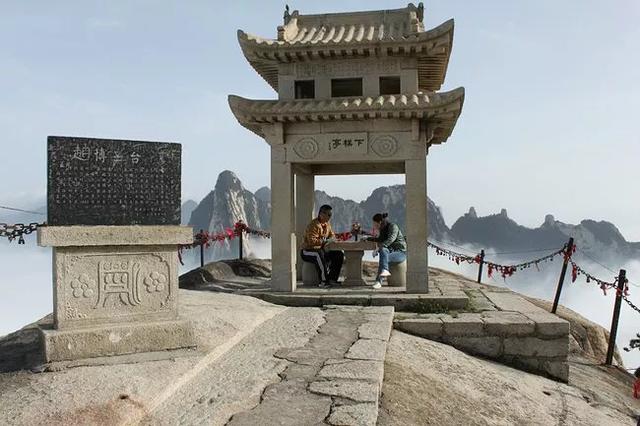
Shenxian Zhuan recounts that Wei Shuqing warned his son about how to live his life on Bo-tai, advising him not to pursue wealth and fame, and not to serve in the court. His son listened to his father's advice and withdrew to cultivate in seclusion, without seeking official positions, and he eventually became a god.
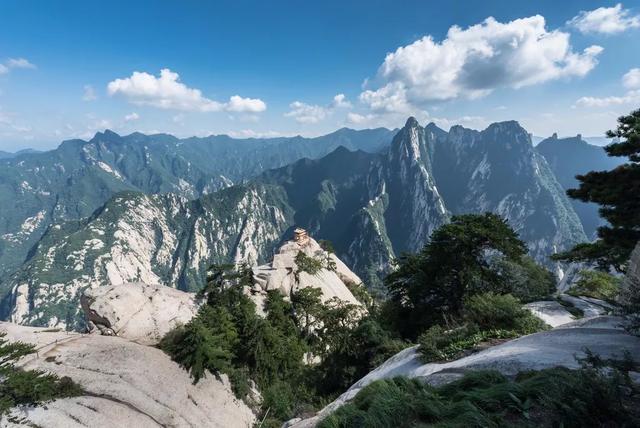
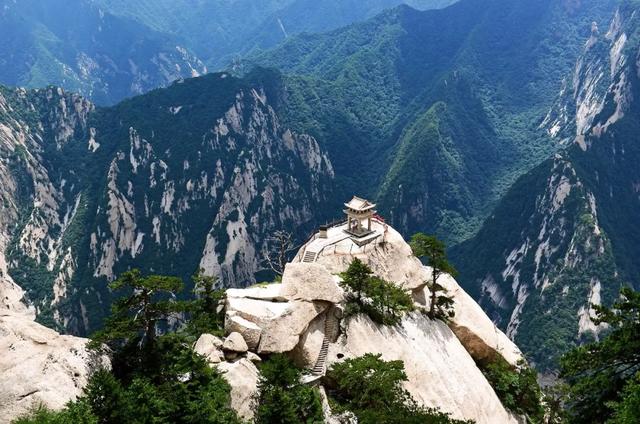
It is also said that Zhao Kuangyin, the first emperor of the Song Dynasty, played chess with Chen Lao Zu at Bo-tai when he was not yet in power, and bet Hua Mountain as the stakes. He lost the game, and lost Hua Mountain to Chen, leaving behind a Zhao Kuangyin anecdote about selling Hua Mountain.
From ancient times to the present
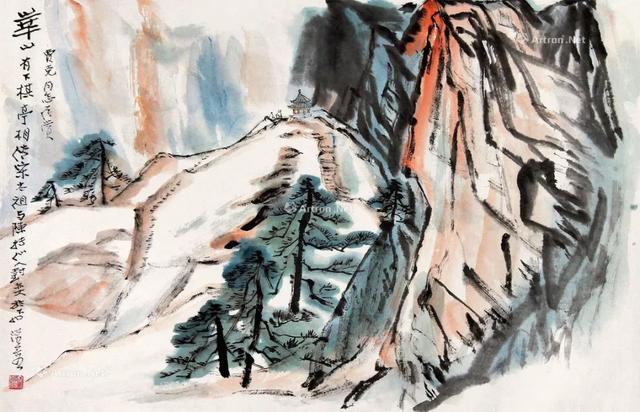
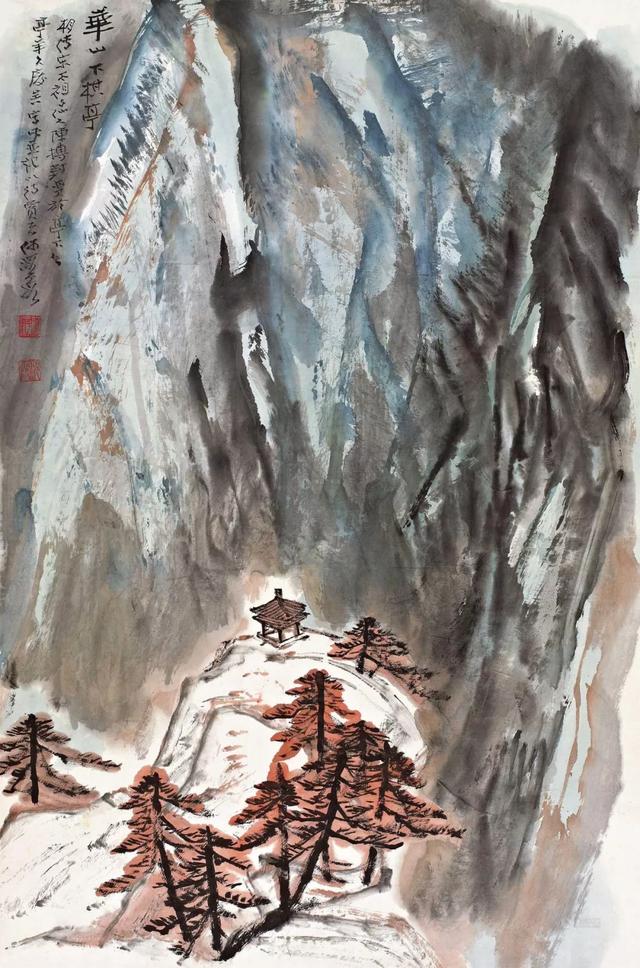
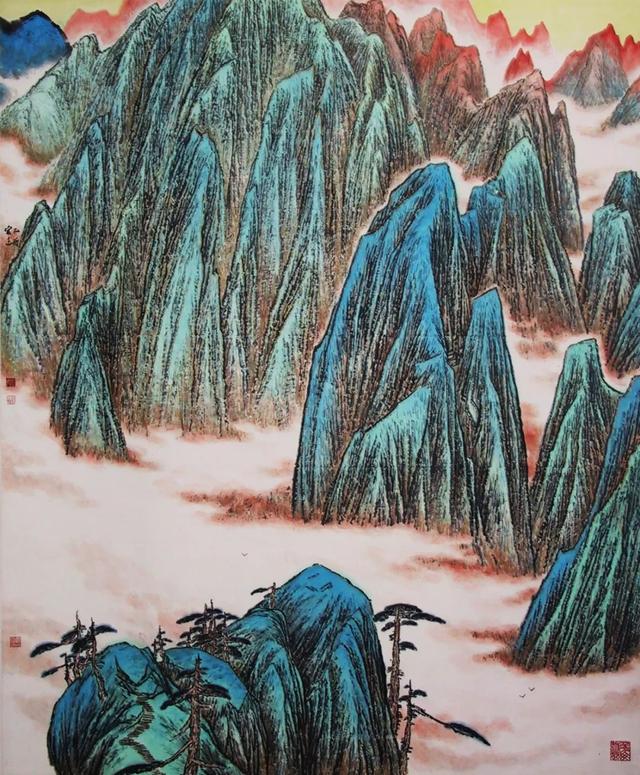
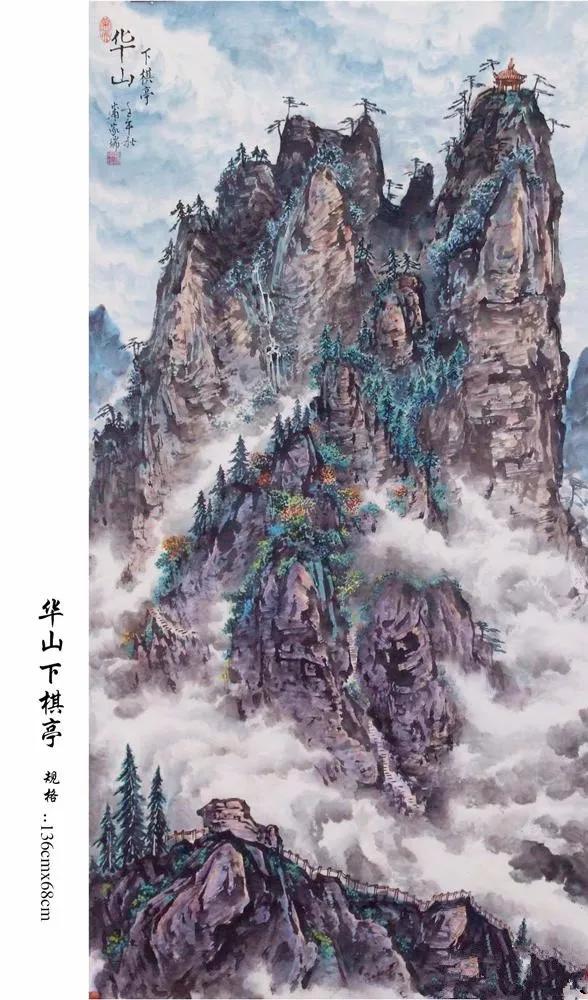
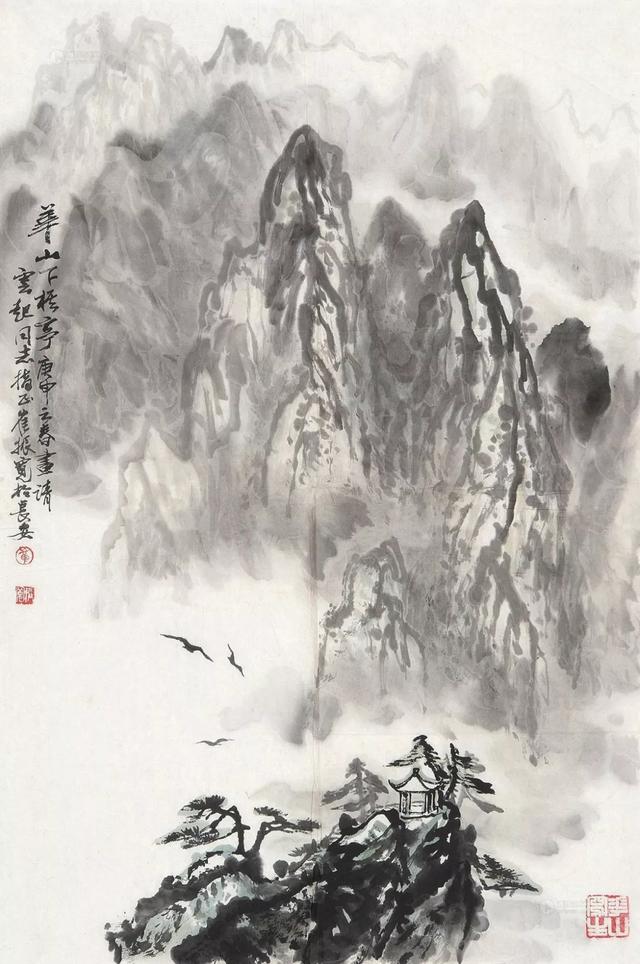
Adventurers exploring Hua Mountain have also showcased their artistic talents
Depicting their own interpretations of the magnificent Hua Mountain and the ethereal Chess Pavilion.
A mountain is famous not for its height, but for the presence of immortals
Hua Mountain has always had various myths and legends.
Perhaps you have been here, but you know little about his stories
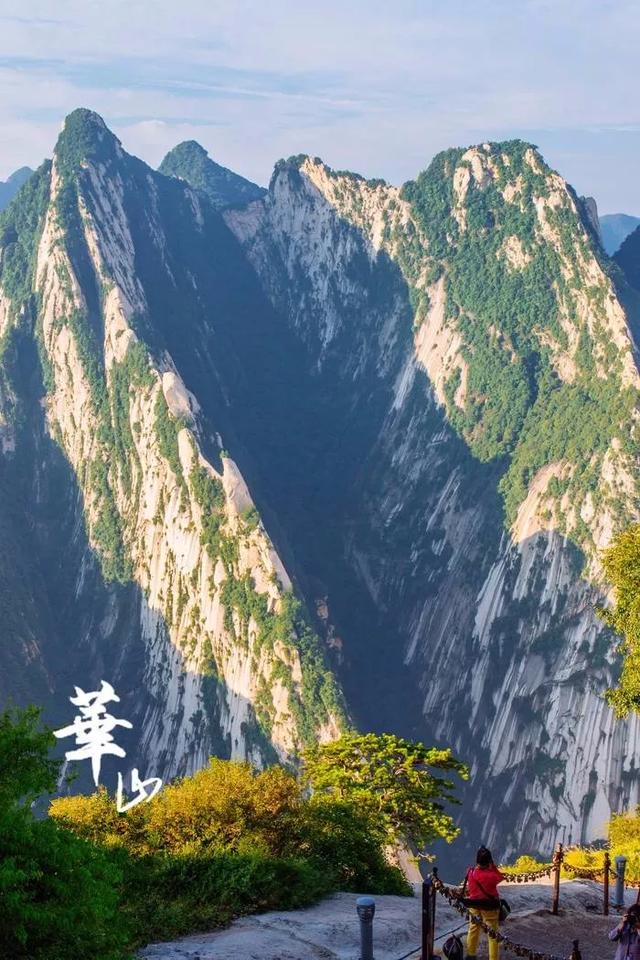
The following, the editor will gradually
Tell the stories of the various attractions of Hua Mountain
Let's understand this mountain withBone-essence and cloud-likespirit