The name of Lozha originates from its location at the foot of the Himalayas.
The county of Lozha is located in the south of Tibet, at the foot of the Himalayas, and is one of the county borders of Tibet. Lozha is named because it is located at the foot of the Himalayas. During the Tubu period, it was one of the approximately 100 magistrates of Yagu.
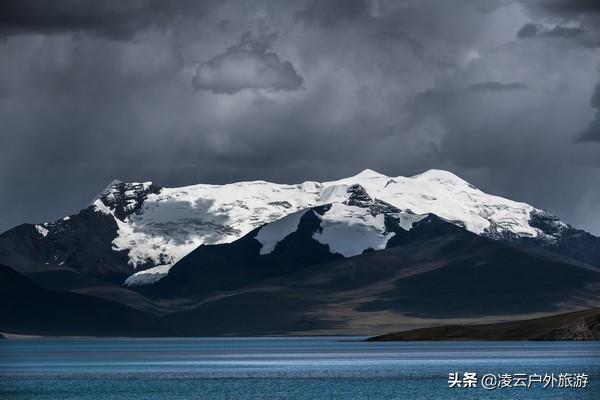
Pu Mo Yongtso
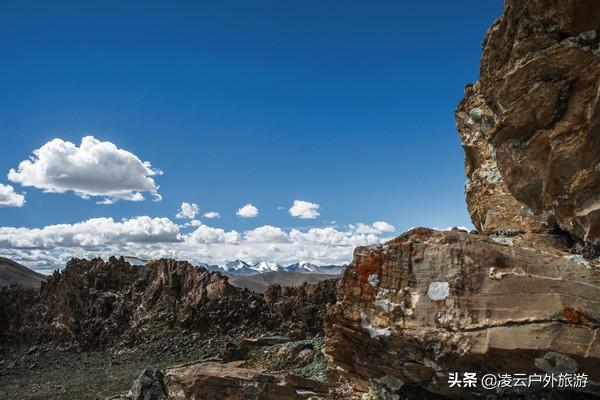
◉Lozha's natural landscapes are unique, with the ethereal and beautiful Pu Mo Yongtso, the towering Letian Gorge Waterfall reaching a thousand meters, the Kuragangri peak, the highest peak in the Shanmiao region and a famous domestic mountain climbing point, and subtropical primitive forests with characteristics.
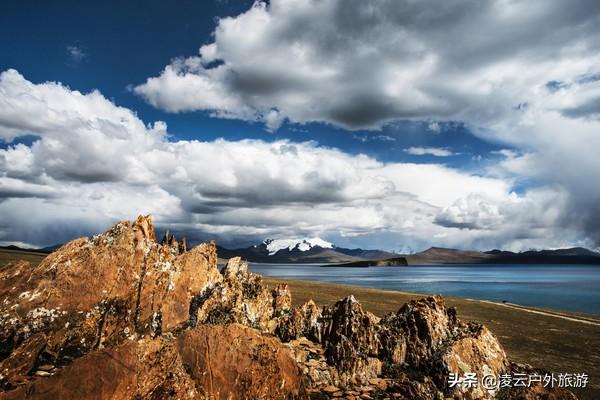
Pu Mo Yongtso
◉The small island in the center of the lake has not yet welcomed the summer residents, the Arctic terns and black-bellied spoonbills have not yet flown here to lay eggs. In summer, the island is densely covered with eggs, and a single Arctic tern can hatch seven or eight chicks, while the clear and transparent lake water has spotted trout swimming freely.
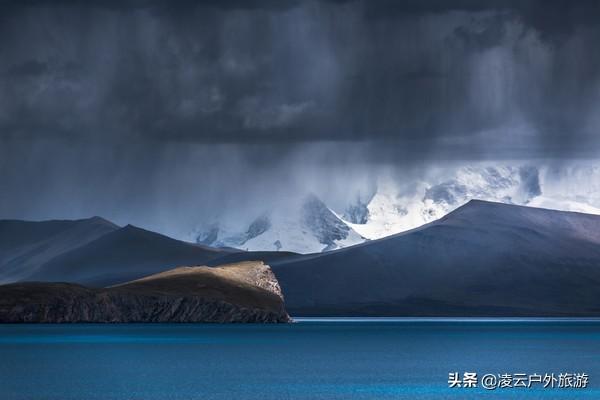
Pu Mo Yongtso
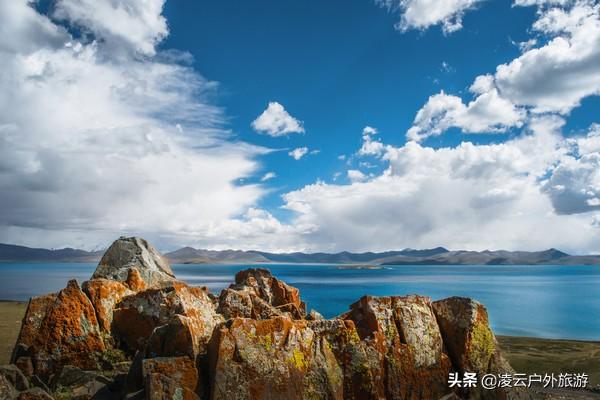
◉After hiking to the top of a high mountain, you can overlook Pu Mo Yongtso. The shoreline of Pu Mo Yongtso is 94 kilometers long, the largest freshwater lake in Kham.
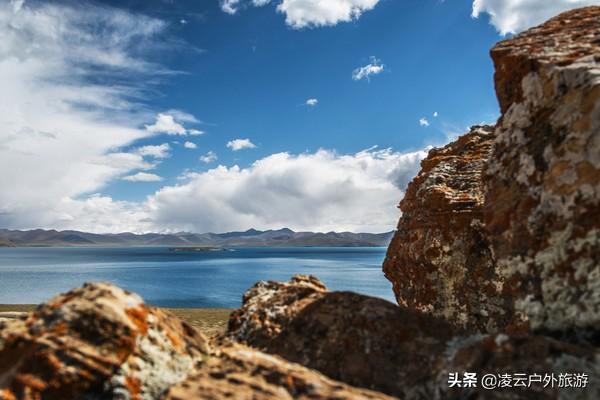
Pu Mo Yongtso
◉From Wulangzha, first drive along S307 line towards, about 8.5 kilometers, then turn onto the Wangluogong road towards Lozha. After about 22 kilometers, you will arrive at Dilong Town, which is also a larger town on the banks of the Yellow River Lake. Continue driving for about 56 kilometers, and you will arrive at Pu Mo Yongtso.
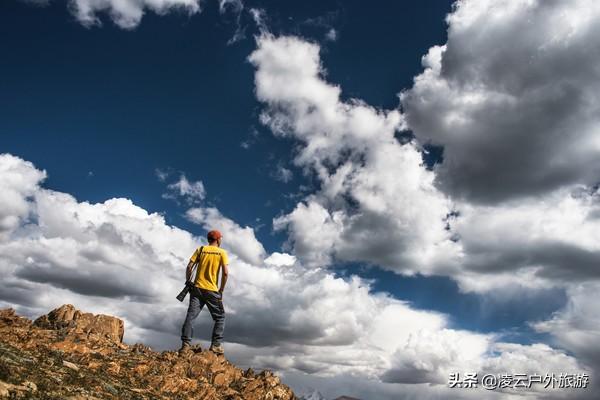
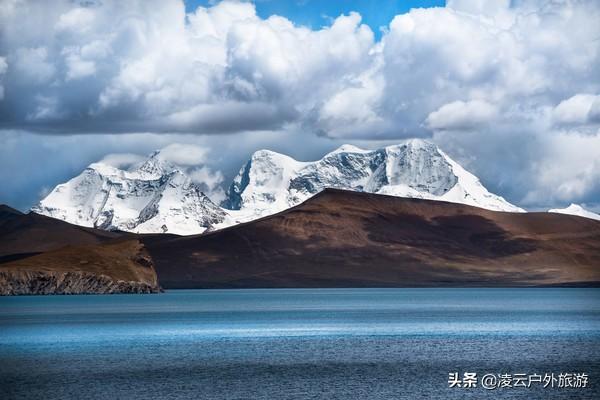
◉Three stone islands in the northeastern part of the lake, all of which are not very large. The islands are like giant turtles, quietly guarding this 'little girl'. Legend has it that the lake was once blessed by the Panchen Erdenie, resulting in a sacred atmosphere. There is abundant vegetation and lush grass on the lakeside, and the lake's water source mainly comes from precipitation and snow and ice melt runoff, with six larger rivers flowing into the lake. Although Pu Mo Yongtso is not far from Lhasa, it is rarely visited, and the lakeside is endless grasslands and continuous snow mountains, and in it, there is a sense of paradise.
Pu Mo Yongtso
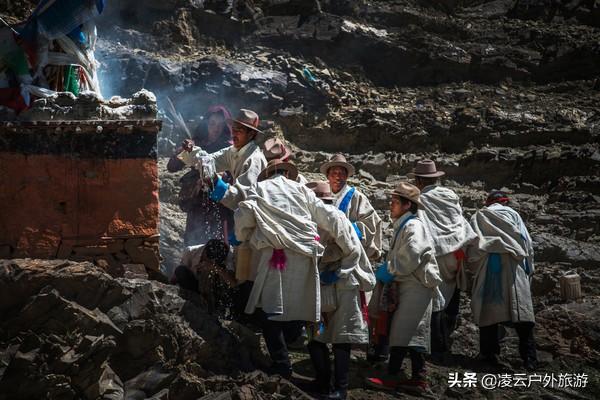
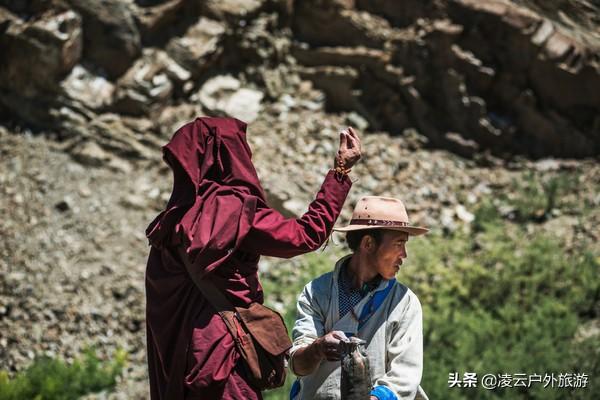
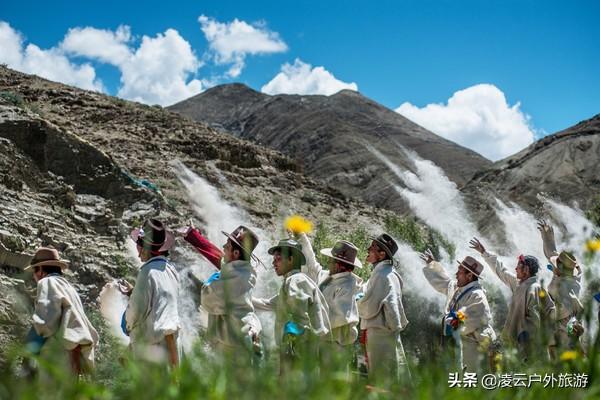
◉Encountering villagers participating in the Wanguo Festival to pray for good fortune. They all wore extremely formal and magnificent traditional costumes, carried textbooks wrapped in beautiful flowers and brocade, held barley seedlings and colorful money flags, and walked in the dazzling sunlight.
◉The Wanguo Festival originated in the late 5th century under the Tubu King Bode Gongjian, to ensure food supply, he asked the Buddha for guidance. The Buddha instructed the farmers to circle around the fields before the harvest and entertain the gods through dance, so the heavens would grant a good harvest.
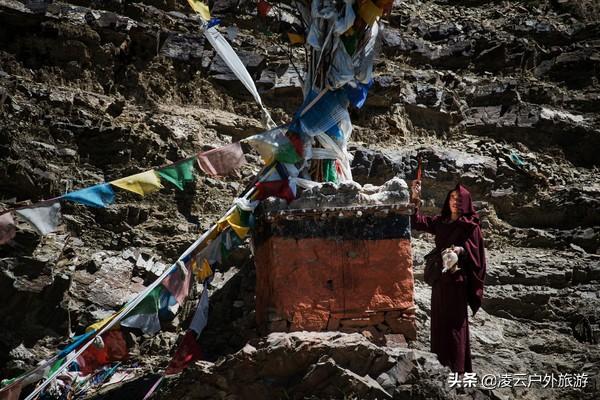
◉The ceremony is usually led by monks holding incense burners and raising banners, leading the villagers of the original village to circle around the land before placing various grains and ears of grain in the granaries and altars to pray for good weather, rain and abundant harvests.
◉The Wanguo Festival has a history of more than 1500 years and is popular in Lhasa, Kirti and Nyingrib in Tibet. The time is between the seventh and eighth months of the Tibetan calendar, the specific date varies depending on the agricultural season in each place, generally held in the two days before the barley is yellow and harvested.
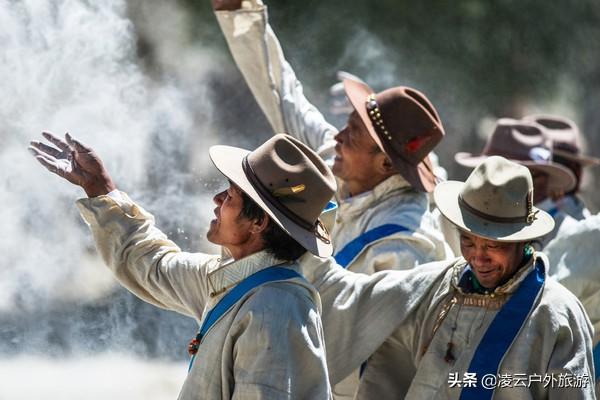
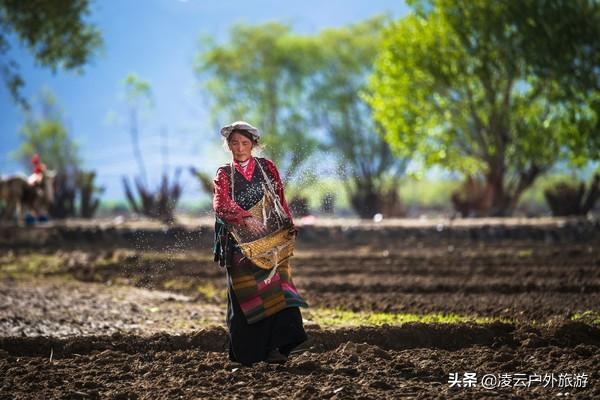
◉The villagers throw barley high into the air, and the auspicious smoke covers everyone.
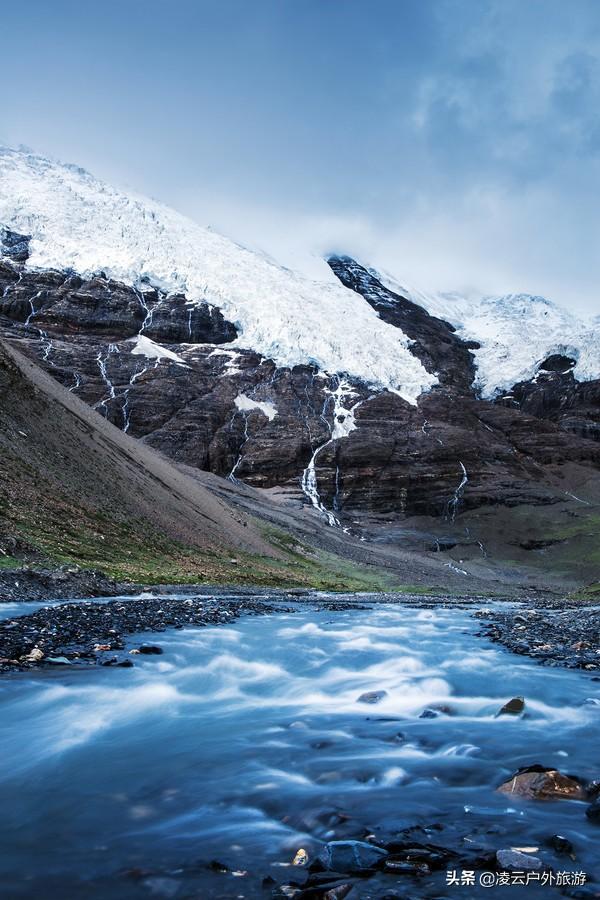
◉The Karola Glacier lies on the south slope of the Nyinggang Sanshan Snow Mountain. Its ice body is blue-green and emits a cool light, and it has rolled down rocks and sand, creating a magnificent silhouette.
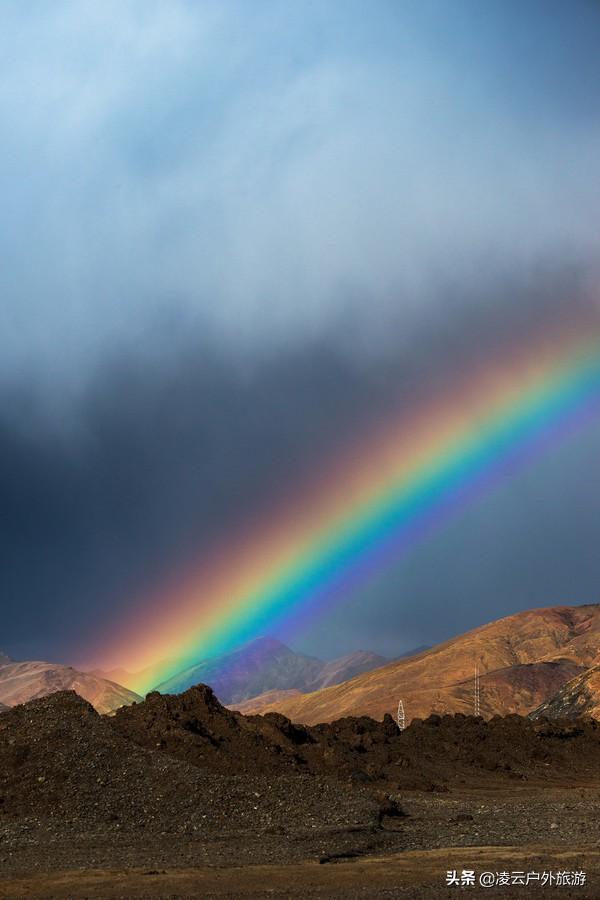
◉Outside the rain-covered windows, a rainbow rose from the sky.
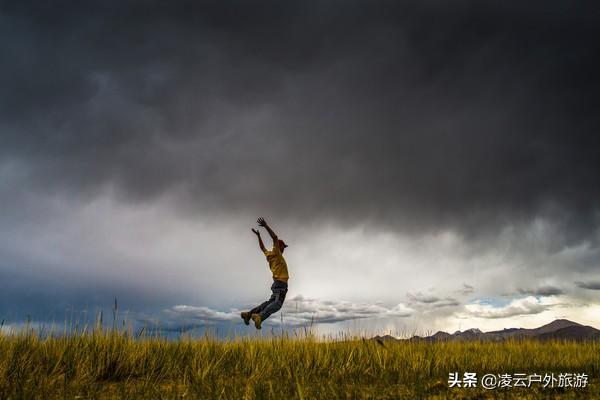
◉Parking spaces, let's take a selfie. Remembering GALA's dream-inspired childhood: Keep running, with the pride of a child, let life's brilliance not insist on not seeing, it's better to burn out rather than languish, one day it will sprout again…
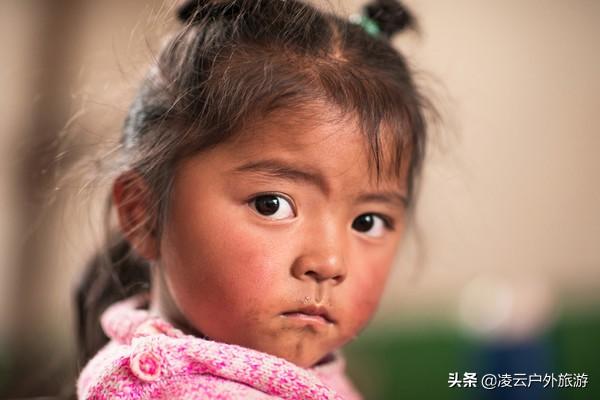
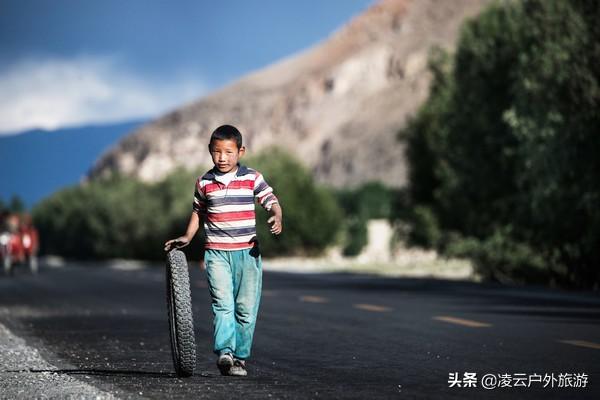
◉About half way, encountered a girl, she is simple and shy, with a pair of innocent big eyes.
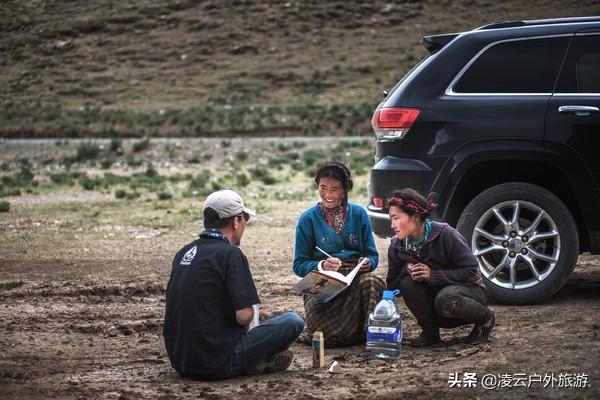
◉When stopped for speed limits, encountered herders returning from grazing. Language barriers cannot be obstacles, smiling and painting are the most effective communication.
◉When I was five years old, my mother told me that the key to life is happiness. After going to school, people asked me what I wanted to do when I grew up, and I said I wanted to be a happy person. They said I misunderstood the question, and I told them they misunderstood life.
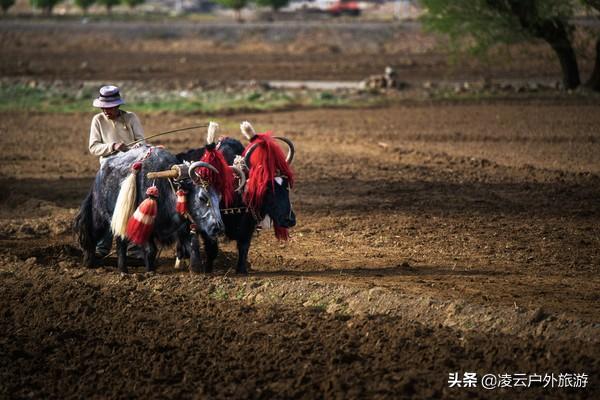
◉Preserving food is probably what 'humanity's respect for food' means, because of the existence of food, we can continue to live, ◉If you don't respect food and this land, it is impossible to get the blessing of the gods.
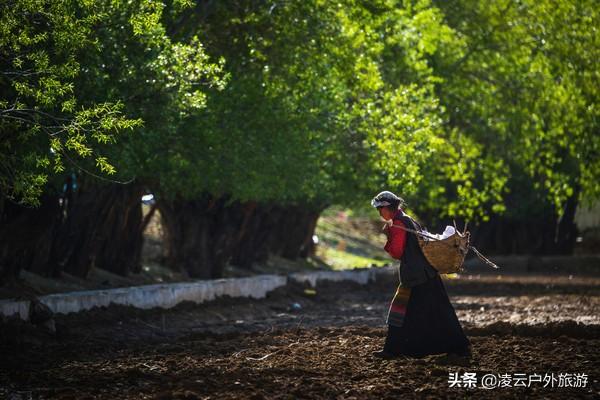
◉ is called the 'granary of Tibet'. Here you can deeply feel the years of life, the frost of farmers, and the sincere, true and deep love for the land.
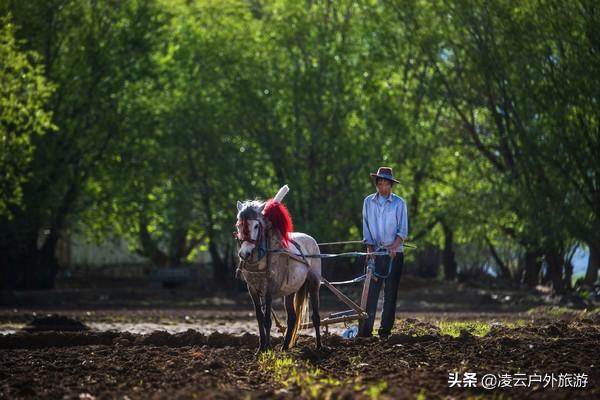
◉Ancient beliefs have fostered Tibetan farmers' farming customs. Hanging red objects on cattle is the most common, which is considered a sacred thing. They dye the white tails of cattle red and hang them on the yoke as decorations to pray for good weather, rain and abundant harvests, and this custom is still visible in rural areas today.
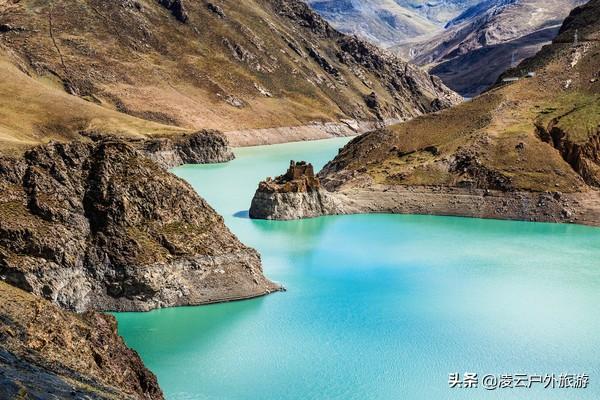
◉I don't know whether it's because of the climate or other reasons, the water level of the Laisha Reservoir has dropped. The old castle's lower part is the former water level line.
◉
◉
◉
◉