Wangye Mansion of the Four Zanats Banner
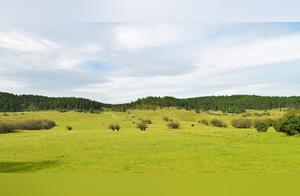
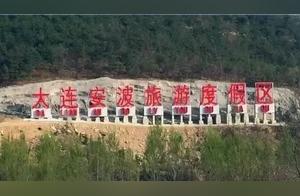
Shuizi Jiahu, TianTang Grassland, Tourist Resort – These are the well-known cultural symbols of Ulaanhot City, Four Zanats Banner. Repeated visits to the Wangye Mansion deepened my understanding of the rich historical and cultural heritage of Dörbert.
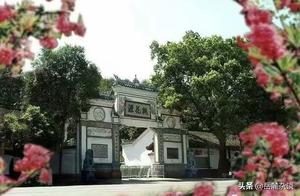
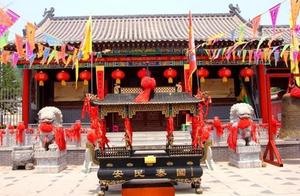
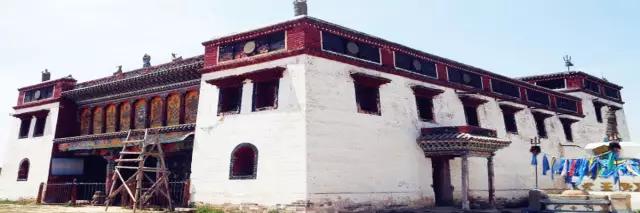
The Wangye Mansion is located 24 kilometers northeast of the Northeast of Ulaan Hua Zhen, Four Zanats Banner, Chagan Pulige Su Mountain, adjacent to the road leading to Gengetala Grassland. The Wangye Mansion was built in the 31st year of the Qing Dynasty (1905) by the Zanats Prince Le Wan Ao Ri Bu, comprising the Zanats Manor and the Palace, as well as the courtyards, covering an area of over 10,000 square meters. The architecture is primarily Han-style brick and tile, with elaborate carvings on the pillars and ceilings. In the 4th year of the 34th year of the Qing Dynasty (1908), the Wangye Mansion’s Temple was also built, consisting of two unique shrines made of Tibetan-style structures and containing relics. It is ancient and elegant, with a distinct charm.
Upon entering the Wangye Mansion, the first thing you see is a towering ancient tree with lush foliage and hanging blue hats. According to the elders, this ancient tree is at least a hundred years old. Despite the vicissitudes of time, it still stands tall and straight, witnessing over a century of the Wangye Mansion’s storms and changes. In the center of the courtyard stands a bronze statue of Hashal, the younger brother of Genghis Khan, sculpted in a seated posture. Hashal, from a young age, accompanied Genghis Khan in battle, contributing to the unification of the Mongols and the establishment of the Mongol Empire. He was known as ‘the God Archer’, renowned for his accuracy and courage, and he would fall to the string. Standing before the Hashal statue, you can almost see Hashal drawing his bow and arrow.
Looking up, there are carvings on the lintel of the Wangye Mansion depicting stories of filial piety, loyalty to the lord, and archery. According to historical records, the Dörbert Mongols, as descendants of Hashal and their subordinate tribes, led by the four sons of the first 15th generation of Hashal’s successor, Nooyan Tai, established the Four Zanats Banner in the areas of Hulunbeier and Waiming’anling, and migrated to Ulaanhot grasslands, now with a history of over 300 years. The Four Zanats Tribe, as a subordinate tribe of the Genghis Khan’s younger brother Hashal, was an important branch of the Mongolian Alu Tribe during the Qing Dynasty. Its history is full of legends. It still retains distinctive folk customs.
The Four Zanats Banner was managed by 15 generations of Wangye. Historically, the Dörbert Mongols held the highest level among all banners in Ulaanhot, and the Wangye was given the title of Prince and maintained an important position. The original Ulaanhot Banner’s Chiefs were all appointed by the Wangye of the Four Zanats Banner, so the site of the Four Zanats Banner’s four-banner six-flag assembly was located within the Four Zanats Banner, and the unique assembly () and commemorative iron pillars were constructed, forming an important assembly and meeting culture ritual system, attracting many domestic and foreign travelers and explorers. The world-renowned explorer Sven Hedin visited the Wangye Mansion in 1932 and left extremely precious photos with the then Wangye.
Spending time here, images of the vicissitudes of the Four Zanats Banner’s history kept flashing through my mind. I could truly feel that the Wangye Mansion, after 300 years, had become a physical carrier of the history of Dörbert and an important imprint of Ulaanhot City, with unique historical and cultural value, worthy of preservation and protection by future generations.
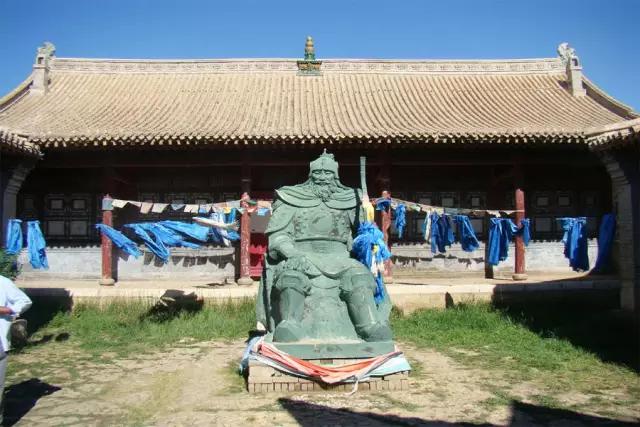
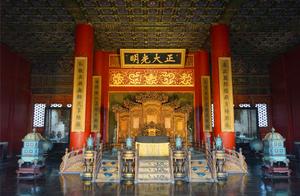
The front hall of the mansion was used for the Wangye to manage and work, while the back hall was used for the Wangye and his consort to reside.
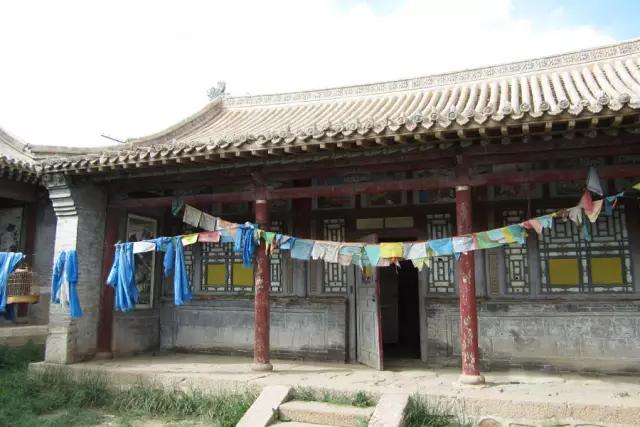
The Wangye Mansion’s foundation is made of brick-in-brick mortise-and-tenon structure, with slate roof, brick-wood structure, with Qing Dynasty red-columned corridor and carving-decorated building characteristics.
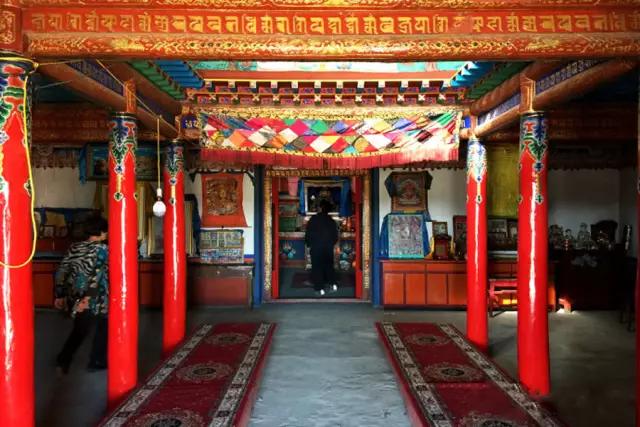
The Wangye Mansion was built and managed by three generations of Wangye for 44 years.
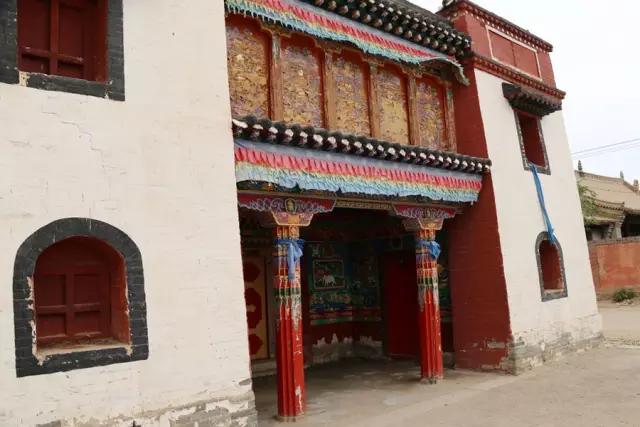
A temple was built on the right side of the Wangye Mansion. From then on, Lamas and monks flocked to the Wangye Mansion, and important figures kept coming to visit, so the Wangye Mansion became known by its name throughout the area.
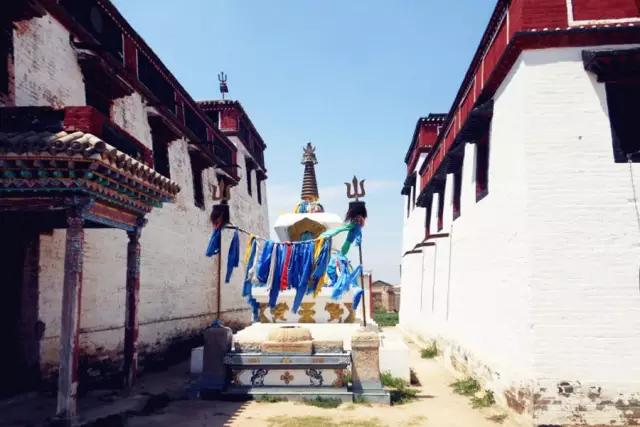
In 1949-1952, it was once the location of the Banner Government.
Author: Wu Yelian
Source: All Inner Mongolia