Wenchang, Hainan: A Fusion of Mural Art, Cuisine, and Coastal Traditions
Located in the Northeast of Hainan Province, Wenchang, one of the three historical towns of Hainan, once had names such as Zibei, Wude, and Pingchang. In 627 AD, Pingchang was renamed Wenchang, and by 1995, it was abolished as a county and established as a city named Wenchang.

Wenchang boasts beautiful mountains and rivers and fantastic scenery. 'Copper Drum Peak,' known as 'China's Great Barrier Reef,' is located here; Cloud Bay Underwater Natural Park (Coral Garden); Coconut Bay with its unique seaside coconut forest; Highlong Bay with its picturesque scenery; Feng Bay with its mysterious and charming features; Eight-Door Bay Red Tree Forest ( 'Asia's First Lighthouse'); the Wenchang Temple; and the fairytale-like Seven Islands.
Wenchang is the birthplace of Minnan culture in Hainan, and its food culture is also very colorful. Local specialties include Tan Nu Wenchang Chicken, Wenchang Full House, Re-established Red Burn, Jinshan Pancake, Coconut Sugar, Yellow Lantern Chili Sauce, Coconut Boat, Phoenix Knot Rice Cake, Wenchang Letter Envelope Biscuits, Pomei Zongzi, Peanut Cake, Seafood Feast, etc.
Puffing Fish (), also known as 'Black Fish,' is a deep-sea wild fish. The main fishing port for deep-sea big mackerel in Hainan is Pufeng Port. The ancestor of Pufeng Chen family valued mackerel, so he was called 'Black Fish Ancestor'. He served mackerel to the Emperor Wanyan during the reign of the Wanli period (1585 AD) while serving as a fifth-grade official in Yaizhou, and the Emperor Wanyan and the Great God worshipped him, and it was named a tribute product. The recommended way to eat it is to pan-fry mackerel.
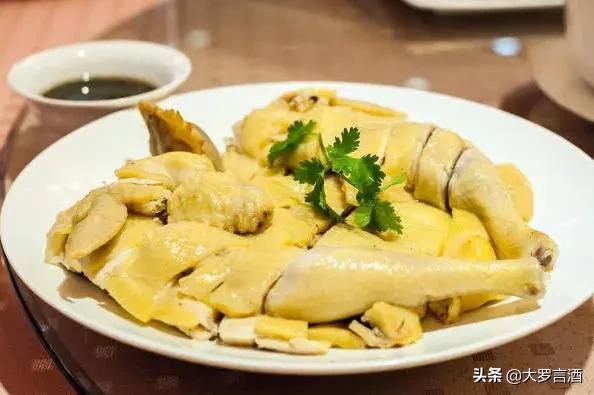
White Cut Wenchang Chicken is one of the four famous dishes of Hainan and a classic dish in the Cantonese cuisine. Singapore's national dish of Hainan chicken rice was developed from Wenchang chicken rice. Wenchang chicken is smooth and tender, with thin skin and crispy bones, not greasy, and has a strong aroma. White cut Wenchang chicken is the most traditional way to eat it. The ingredients for white cut Wenchang chicken are very demanding, and the cooking skills also require high standards.
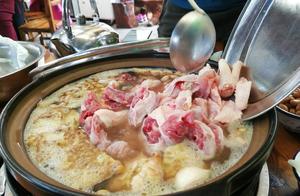
Sticky Rice Vinegar () is a traditional folk snack in Pufeng Town, Wenchang. It uses the sour vinegar produced during the fermentation process of wine, plus vegetables (such as stone scallion), seafood, animal internal organs (such as beef brisket), crispy bones, shellfish, and other ingredients to make a snack. The auxiliary ingredients are combined with chili peppers, sugar, MSG, minced garlic, etc. It is slightly spicy, sweet and sour, and delicious. It can be eaten as a snack before a meal or as a main dish.
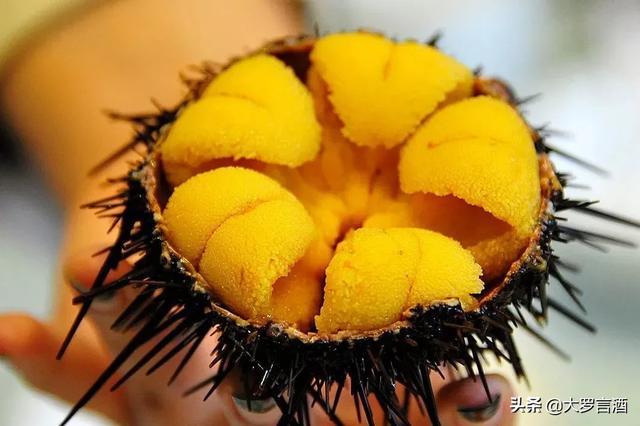
Sea urchin () ranks as the first treasure of the Longlou Four Treasures, known for its tender, delicious, and smooth meat. Many seafood shops in Longlou use sea urchin as their signature dishes, attracting diners from home and abroad. The main ways to prepare sea urchin are steaming sea urchin and sea urchin fried rice. Steaming sea urchin is the best way to present the freshness and deliciousness of sea urchin.
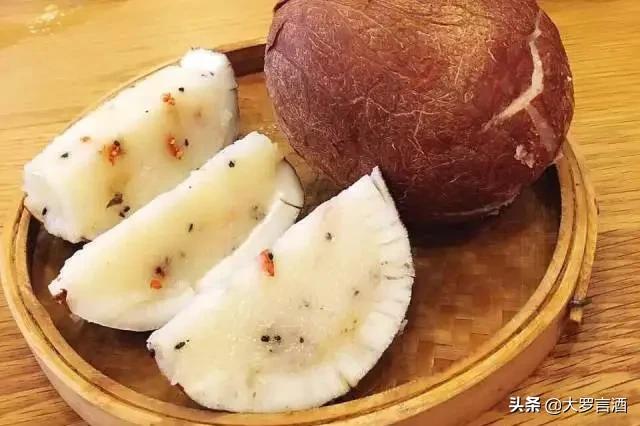
Pearl Oyster (), also known as 'Water Chestnut,' is about the size of pearls. It is soft, fragrant and chewy, and will not rot even after being cooked for a long time. It is a must-have dish to eat coconut chicken in Sanya and Hainan.
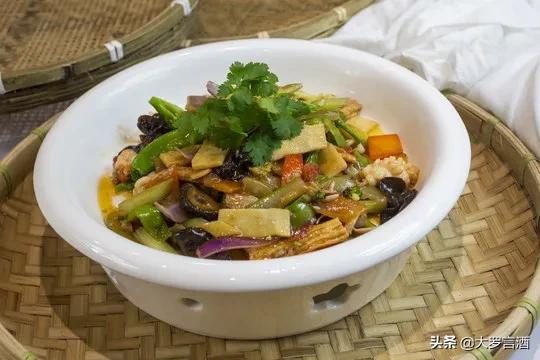
Platform Dishes () are the most renowned dishes in Wenchang banquets. In Wenchang, this dish is an indispensable main course in banquets. Different chefs have different materials, but they generally include dried shrimp, dried squid, pork belly, dried pork skin, loofah, dried shiitake mushrooms, green onion, fresh cloud ear mushrooms, green pepper, red radish, winter mushrooms, wood ear mushrooms, onion, celery, sausage, bamboo fungus, etc.
Wenchang Letter Envelope Biscuits () is famous for the Wenchang triangular building. Wenchang has several tea shops that sell 'triangular building' made to order. These tea shops are mainly distributed near Wenchang Middle School and in the old market area. A cup of fresh and elegant tea is paired with a freshly baked triangular building, which is really refreshing.
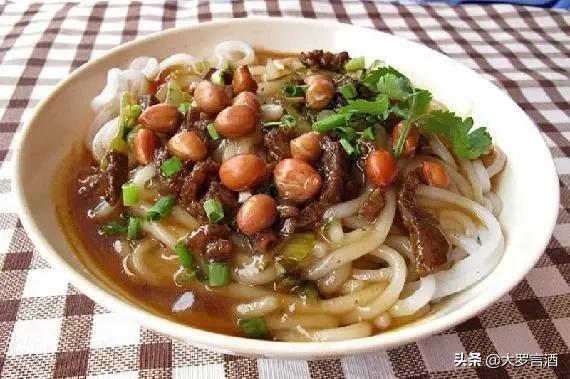
Bao Luo Fen () originated in the Bao Luo Town of Wenchang. Its powder is slightly thicker than 'Hainan Powder'. In many parts of North China, it is called 'Soup Powder'. The true Bao Luo Fen is translucent, soft and tough, with a taste that melts in your mouth but still has a chewy texture. Unlike Bao Luo Fen, which is more crispy and less soft, Bao Luo Fen is named after Bao Luo Town, so it is called Bao Luo Fen.
Wenchang people have the habit of building houses and decorating them with murals. The murals are drawn on the walls of the houses. People often paint auspicious symbols such as '' (magpies on plum blossoms), pine, bamboo, and plum blossoms, which symbolize wealth and prosperity ('golden fish and lotuses') and longevity ('carp and dragon'), etc.
The colors of these murals have remained unchanged over time, mainly because of the way the ancient painters prepared their dyes. In the past, folk mural artists used powdered stone mined from the hillside, combined with rice wine and red sugar, and then diluted with water. As people's living standards improved, building houses became more elaborate, and folk mural artists adapted to this trend. In addition to inheriting the traditional methods of using dyes, they also innovated. They also used advertising dyes, large red, peacock blue, and other colors to paint the murals, making the colors of the murals more vibrant and pleasing to the eye.
16
“”
“”“”
“”“”“”
*