Although less famous than Hongcun, Chengkan's ancient village scenery and cultural heritage are no less impressive.
The renowned Chinese ink painter Liu Haiwu once said, “It is” Huangshan Scenic Area and Ancient Huiizhou Folk Residences are dazzling pearls for Anhui Province. Chengkan Ancient Town, located at the foot of Huangshan, also known as Baigua Village, was praised by Zhu Xi as “Chengkan Shuangxianli, the first village in Jiangnan,” which perfectly combines natural outer eight and human inner eight, and always maintains harmony between people and nature. It is a mysterious ancient village. Because of the popularity of the Mango TV variety show “Dad Went to Sea” and “The Idol Master”, it has become widely known. If Jiangnan’s ancient towns are like water villages, then Huiizhou ancient towns are definitely rural towns with a literary atmosphere. The scenery here is no less than that of nearby Huiizhou ancient villages such as Hongcun and Xidie.
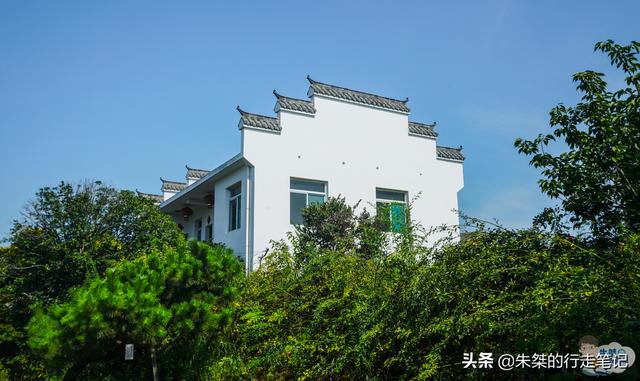
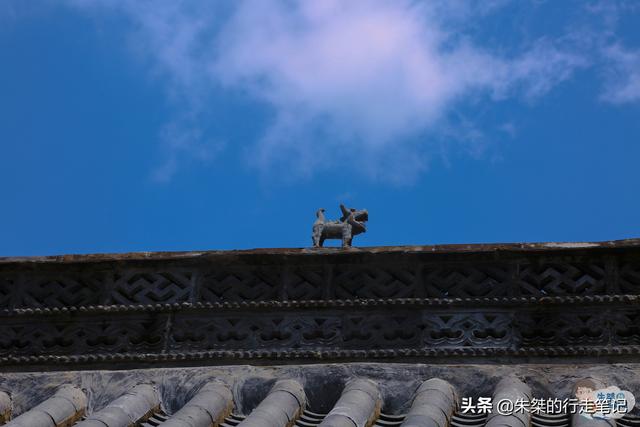
The saying “If you visit Chengkan, you will never encounter a difficulty” has been heard by everyone who has visited Chengkan. Surrounded by mountains and rivers, shrouded in mist, and with mountains hidden in the distance, the idyllic atmosphere makes people think freely. Zhu Xi praised “Chengkan Shuangxianli, the first village in Jiangnan,” which is a typical Hui style building, preserved for over a hundred years, which gives it a unique flavor. Chengkan was originally named Longxi, also known as Baigua Village, located on the south slope of Huangshan, Chengkan is the oldest and most complete eight wind water ancient village in, with a history of 1800 years. This ancient village is built on the mountains and by the water, with the ancient Longxi River flowing like a jade belt, forming a “5” shape and passing through the village from north to south. It shines brightly with the combination of nature’s gifts and human wisdom. Although it lags behind Hongcun and Xidie in terms of fame, its scenery and cultural heritage are no less impressive.
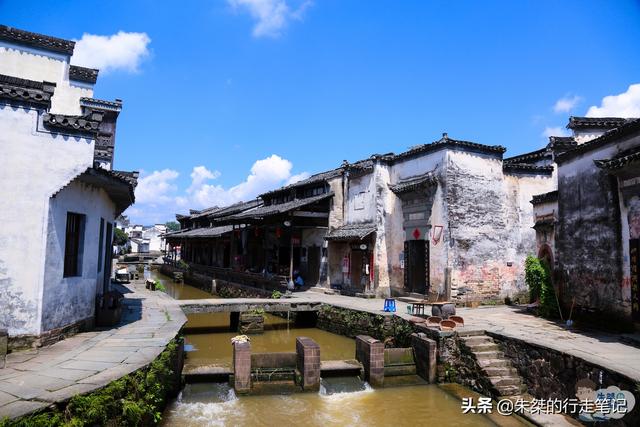
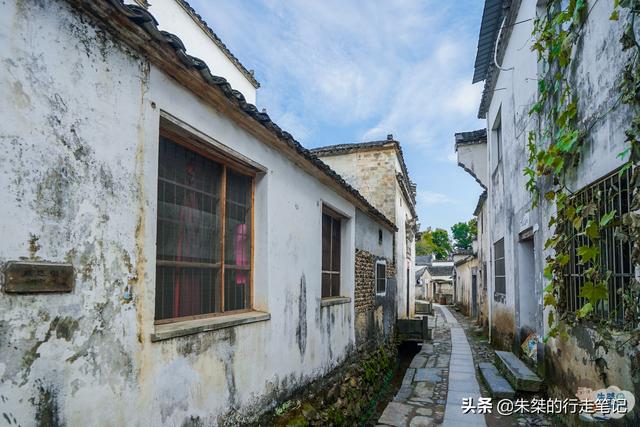
Chengkan is like an ancient scripture, without noisy sounds and complicated thoughts. The entire village structure is designed according to the eight diagram. The village is laid out according to the “Yin (Kan) and Yang (Cheng) two energies are unified, heaven and man are one” eight wind water theory. It is mainly “Cheng” means upward to the sky, and “Kan” means sink into the ground as a place, the Longxi River formed the boundary between the eight yin and yang fish, and the two temples in the north and south of the village were like the eyes of the fish, respectively, on the four sides of the village were eight peaks, forming eight. Chengkan is built on the mountains and by the water, and there are three streets and ninety-nine alleyways, like a chessboard maze, forming a perfect eight diagram.
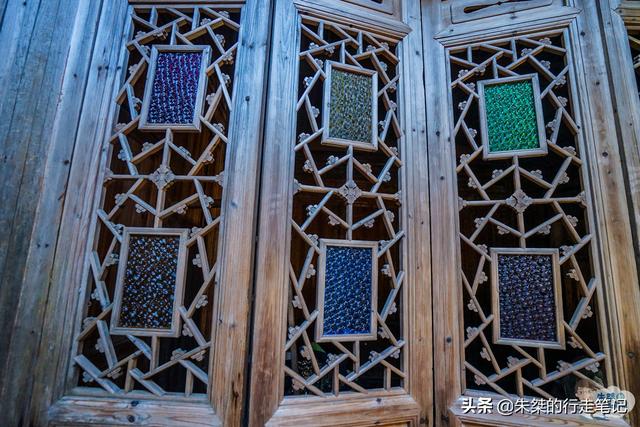
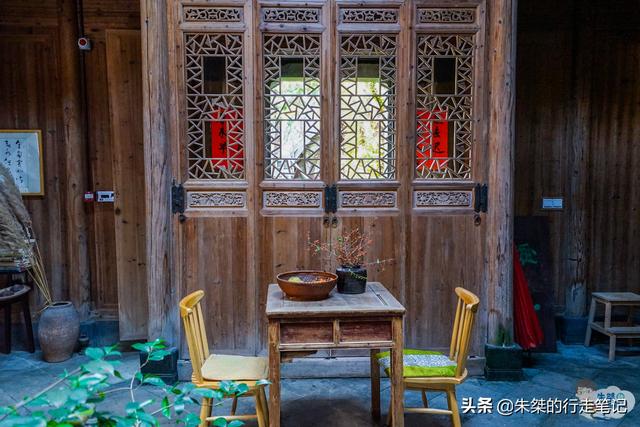
Compared to Hongcun, Chengkan’s tourism development is not high, and the commercial atmosphere is not strong. There are still many elegant ancient buildings in the village, full of cultural heritage. Throughout the ages, the theory of Feng Shui has occupied an important position in Chinese culture, and the “Yijing” is a typical example. “Gathering water is like gathering wealth, absorbing four rivers into the village.” Chengkan’s birth and development, and its complete preservation to this day, are closely related to its unique geographical location and environment.
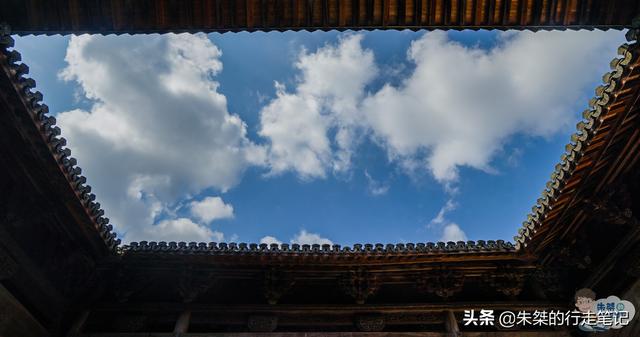
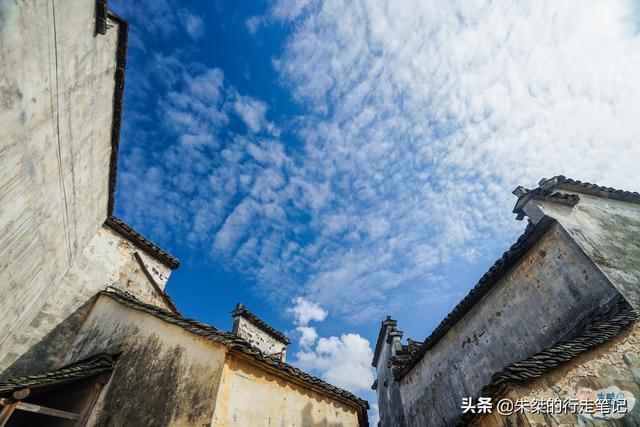
Chengkan’s ‘Kan’ culture is also one of its features. There is a saying: “If you visit Chengkan, you will never encounter a difficulty.” At the edge of Yongxing Lake, there is a Qingstone Bridge with a central axis, with two stone beasts on either side to protect it. The first step into the village is to cross the ‘safe Kan’ guarded by the stone beasts. Men step over the central axis with their left foot, and women step over with their right foot. Crossing this ‘Kan’ can bring you a lifetime of peace and safety. Chengkan Village is surrounded by rivers, so there are many bridges in Chengkan, among which the Ming Dynasty’s well-shaped and beautiful Huanxi Bridge is famous. The Huanxi Pavilion on Huanxi Bridge is a place for villagers to rest and gather.
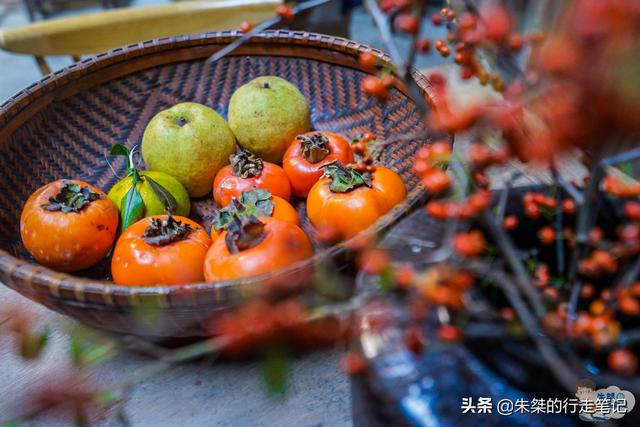
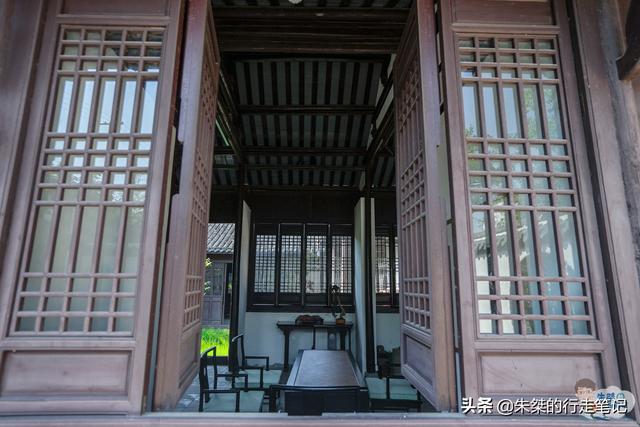
In today’s highly developed tourism industry, the people of Chengkan still maintain their simple and honest lifestyle. Maybe there are different opinions on Feng Shui theory, and there are professional explanations, all of which are just beliefs and forces within people. I think Chengkan’s “lifetime without difficulty” can be interpreted as a peaceful heart is the source of the power of overcoming difficulties. ‘Lifetime without difficulty’ is a beloved expression of Chengkan Village by people, and it is also a beautiful wish for themselves.