Guangdong's First World Heritage Site: 'Strange' Houses Attract Numerous Tourists
For domestic tourists in Guangdong, it's often difficult for them to name several famous attractions, but with a little prompt, they immediately remember them and are stimulated to take a trip. Kaiping is just like that place.
What's special about Kaiping? It was the earliest place in China to initiate overseas gold rushes during the late Qing Dynasty, with a large number of villagers living or permanently residing abroad.
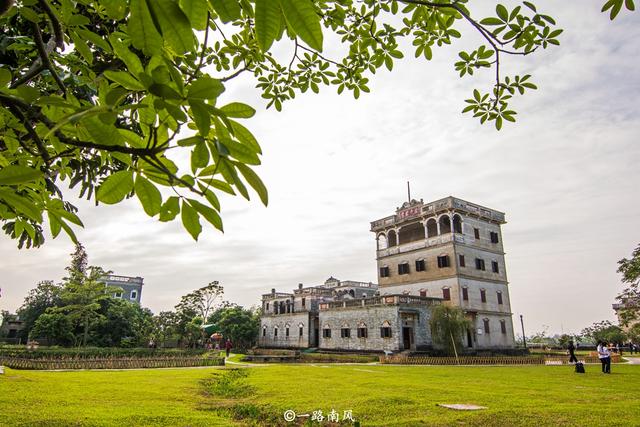
Kaiping boasts Guangdong's first World Cultural Heritage site – the Kaiping Lou (Pagodas) and Villages. The houses here are generally of peculiar shapes, resembling fortresses. These buildings, neither Chinese nor Western, attracted tourists as early as the 20th century and successfully drew in movie stars like Stephen Chow and Bruce Lee. Their film *The Grandmaster* was a huge success, achieving the highest box office revenue for a Hong Kong film. Kaiping's tourism industry has soared thanks to this film's boost, and many tourists come specifically to visit.
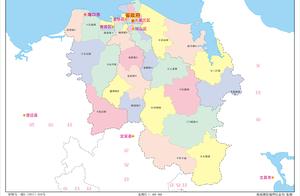
The Kaiping Lou and Villages are not just a single tourist attraction; they consist of numerous ancient villages and gardens within Kaiping District, Guangzhou, including Li Garden, Zili Village, Jinjiang River Village, and Ma Jiang Long.
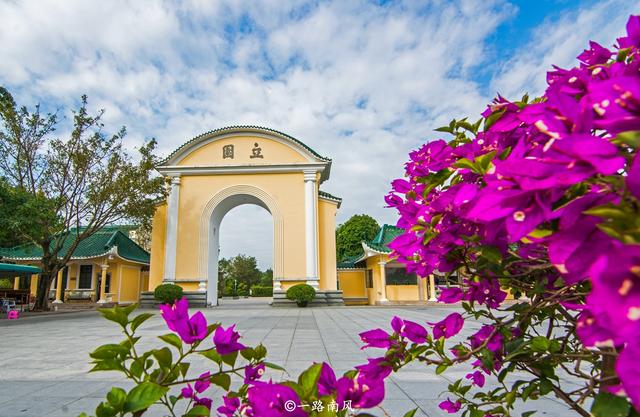
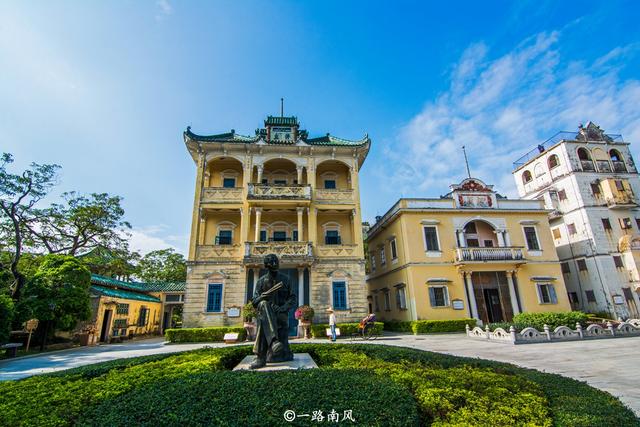
Li Garden is a private garden built by American-returned overseas Chinese Xie Weli, with a history of over 80 years. It took ten years to build this garden complex, with buildings of varying heights and shapes, all exhibiting a combination of Eastern and Western styles. The main color of the walls is yellow, and the roofs are in the traditional Lingnan style. These houses, initially appearing strange, reveal a special beauty when examined closely. They didn't appear awkward because of the style mixing, but instead possessed a unique aesthetic.
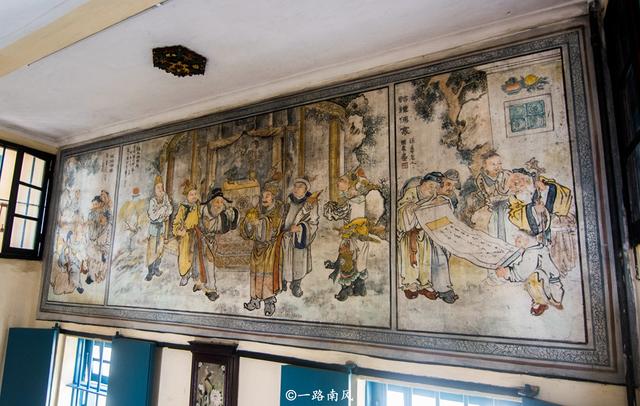
Besides the exterior mixing, each building in Li Garden also has a mixed style, such as Western-style staircases, windows, and halls, while the walls are decorated with Chinese folk stories, with the 'Guzi Yi Birthday Celebration' mural being a favorite among many wealthy Chinese families.
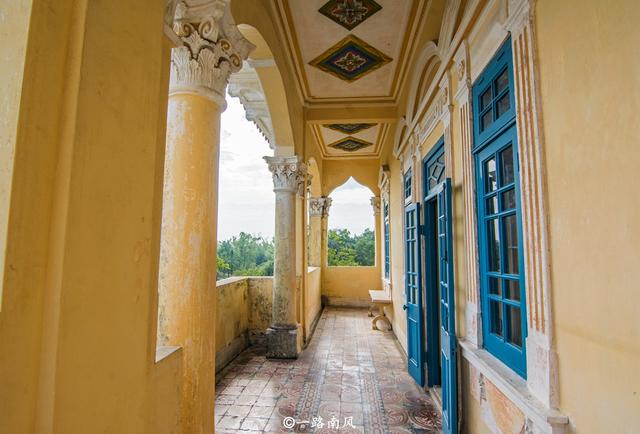
Yellow walls, blue windows, and doors add to the charm. The balconies of these houses are spacious, offering excellent viewing platforms. The graceful arched gates, intricately carved columns, and domes with floral patterns – every detail interprets the beauty of Western art.
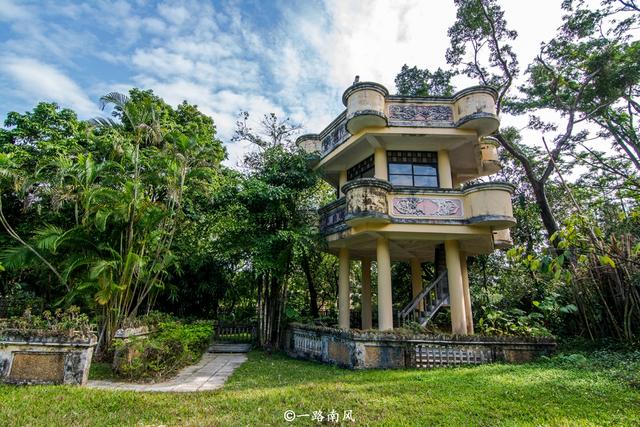
Li Garden is a large garden, with lush greenery and winding paths, and a small river in the center, adding to its charm.
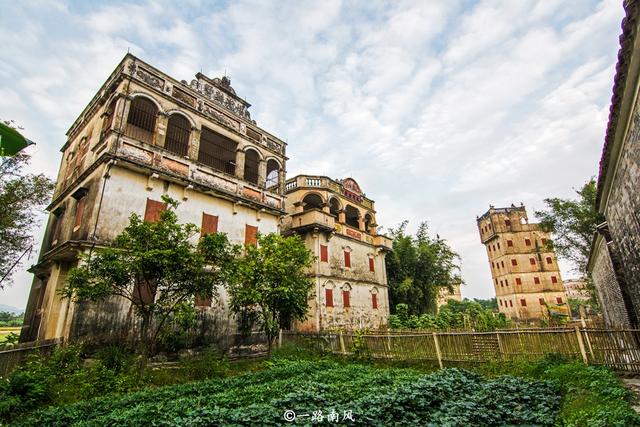
Zili Village and Li Garden are both located between fields, but Zili Village has a stronger rural character, with the surrounding fortresses surrounded by fish ponds and fields.
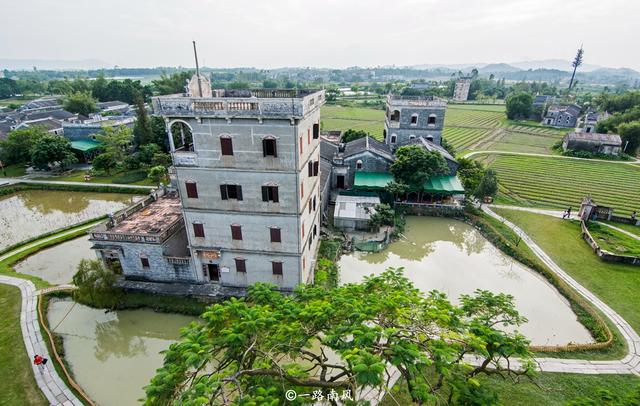
Zili Village is the main filming location for *The Grandmaster*, where many of Bruce Lee's shots were filmed.
Zili Village's four seasons offer different scenic views, with spring harvests, summer with phoenix flowers. Walking along the village path, appreciating the scenic views of the countryside and villages from different perspectives is very magnificent.
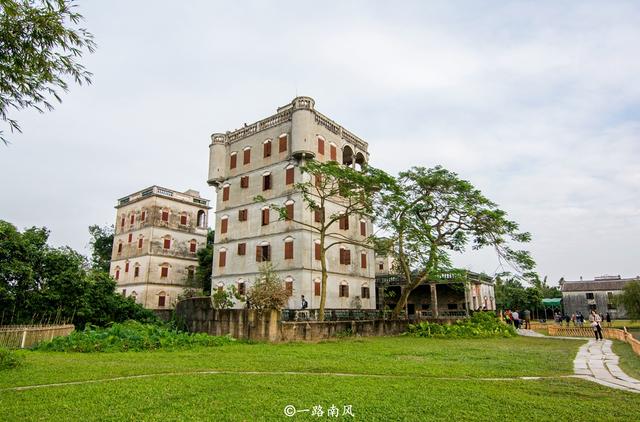
Ming Shi Lou (Memorial Stone Tower) is a famous building in Zili Village, and a must-visit attraction, usually with flow control during peak periods.
Ming Shi Lou was built in 1925, with a history of nearly 100 years. Its owner, Xie Run Sheng, was once the wealthiest person in the area, returning from business in the United States to build a large residence in his hometown.
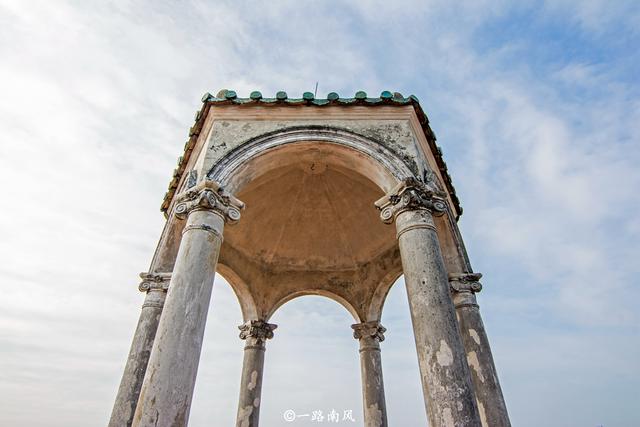
The exterior of Ming Shi Lou looks ordinary, also with the 'peculiar' neither Chinese nor Western style, but the interior decoration is very luxurious. Inside the building, the eclectic styles of Ionic columns, Roman railings, and Baroque curves combined with Chinese tiled pavilions are all distinctive.
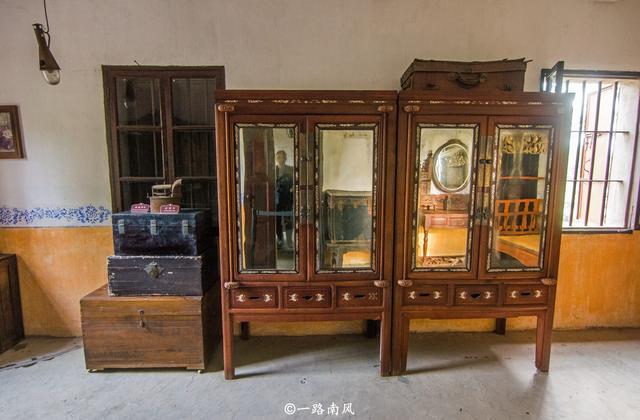
In the 1950s, the Fang family left Ming Shi Lou, and many objects were preserved in their original state, witnessing the changes of the times.
Have you ever been to these places for tourism?