Magnificent Horse-Chestnut Blossoms in Gaoligong – The Peak of Spring's Beauty
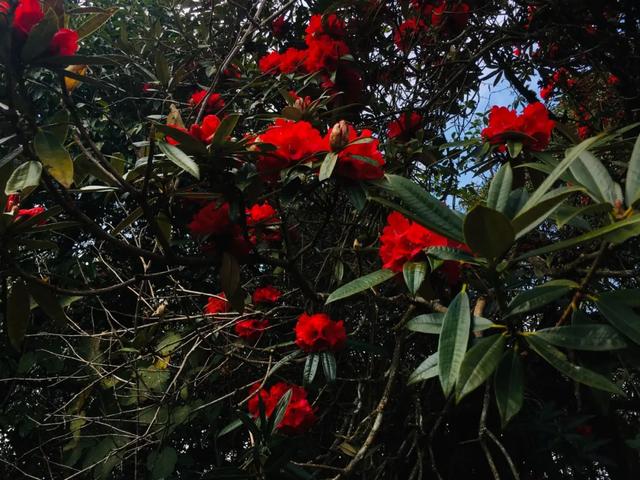
Every late February, a flower familiar to the people of—the horse-chestnut tree—blooms profusely on the slopes and valleys of the Gaoligong Mountains, reaching its peak in early March.
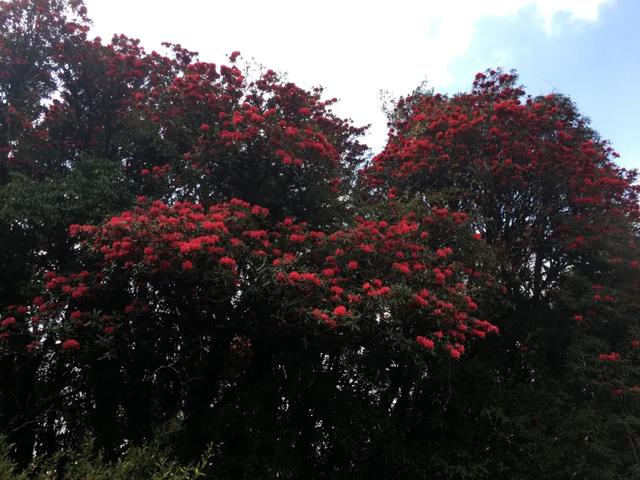
Just as the primroses, peach blossoms, and honeysuckle vines represent the 'Spring' movement in Beethoven's music, the flamboyant horse-chestnut tree becomes the main melody when it is in full bloom amidst the vast Gaoligong Mountains.
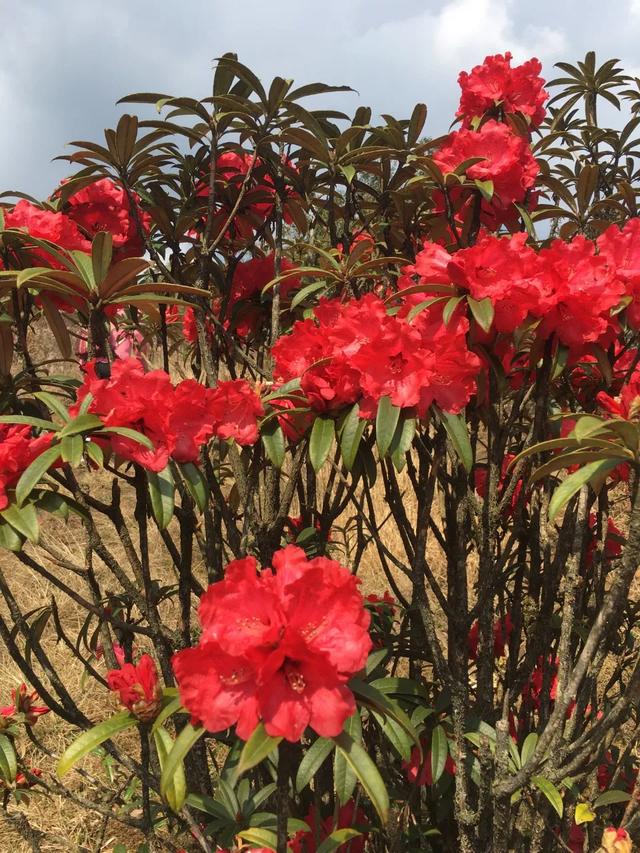
This year, we were fortunate to visit the Gaoligong Mountains, walking along a well-known forest path to a small village, feeling the most intense spring vibes in the slightly intoxicated mist, it cannot be helped that this is a kind of small happiness in life.
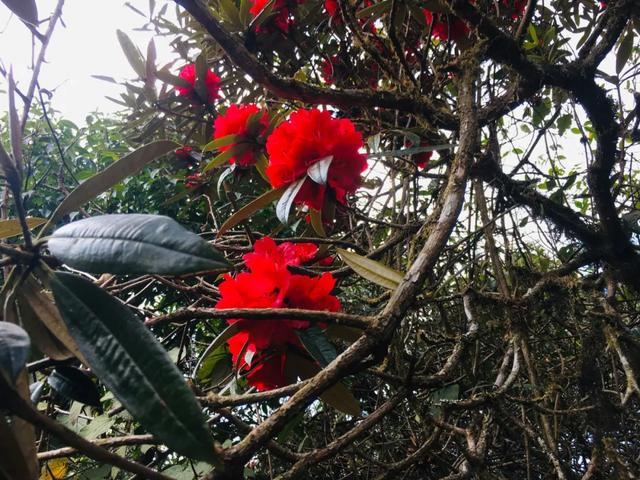
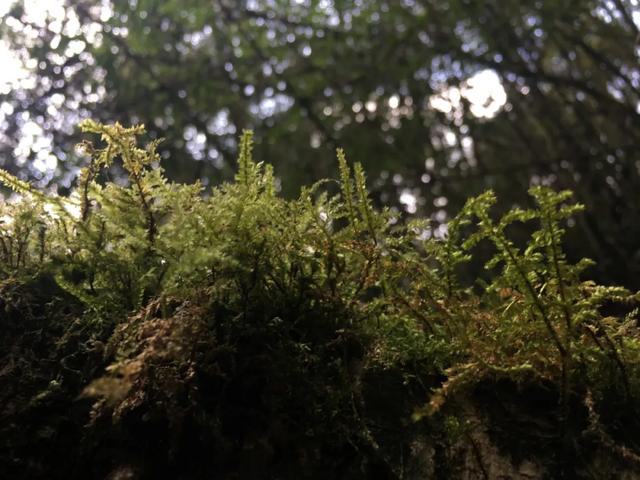
Not to mention the various ancient trees with different postures and many kinds, wherever you look, there are green moss and various blooming flowers in season, these blooming horse-chestnut trees are enough to attract people's attention.
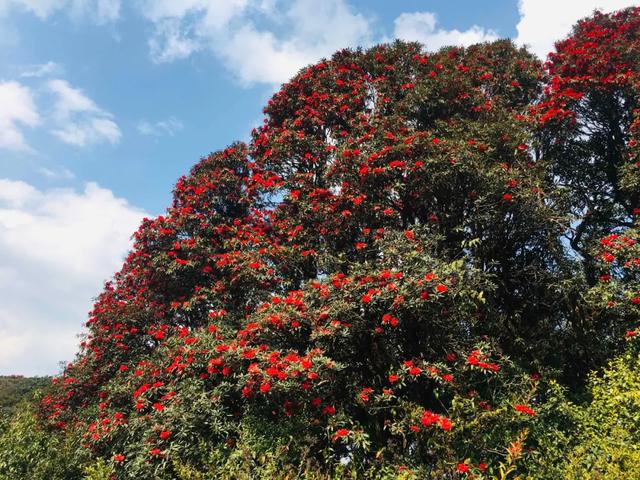
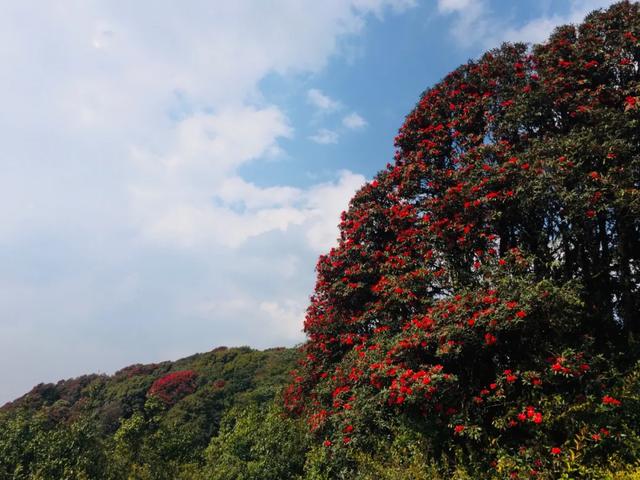
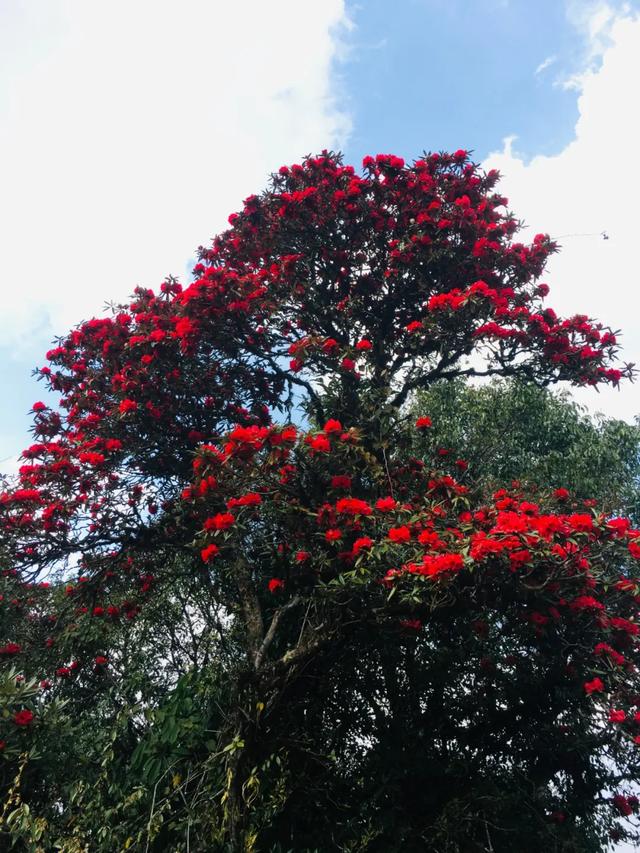
When walking in the mountains, the horse-chestnut trees in sight are mostly large trees, the tree trunks are mighty, as if they are a series of strong arms, trying to raise the branches to the highest point, and then at the top of the branches, suddenly burst out of red flowers, clusters, groups, patches, in the blue sky, particularly eye-catching.
In, the locals call horse-chestnut tree 'GuoXie flower'. In childhood memories, this flower always accompanies me, and when the flowers bloom, I always like to pick it up to suck the sweet honey from the flower tube, sometimes when I'm thirsty, I'll directly chew the petals, the taste is a little sour, and I don't even mind being stained purple and red. Later, after leaving home for a long time, whenever I see this tree, my heart is always warm, and I always think of my childhood friends. Time has scattered people all over the world, but some things can arouse those fragmented memories.
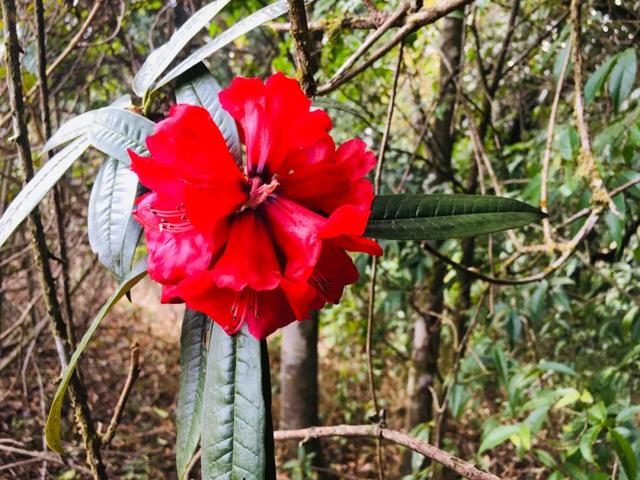
When I was young, I heard from my elders that there was a research team to a nearby in the deep mountains to find a giant horse-chestnut tree. They searched all over the deep mountains without success. It is said that they finally found it at , also called. Later, because of the interest in this past event, I learned more about this flower, and I know that its scientific name is horse-mallow, also known as horse-chestnut, horse-nose, and red mountain tea. As for its other name 'large tree horse-chestnut', it comes from the title 'plant hunter' given to British botanist George Forrest.
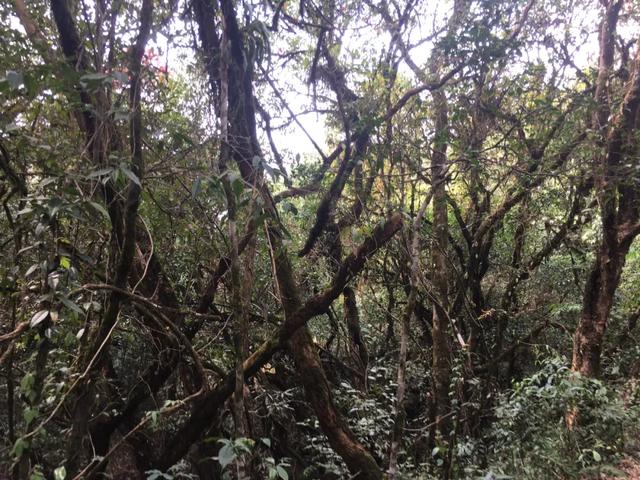
The Gaoligong Mountains have achieved Forrest's most brilliant and glorious moment in his life. Between 1904 and 1931, he entered the mountains seven times, collecting a large number of plant specimens and corresponding seeds, birds, and insects. In 1919, he discovered a horse-chestnut tree that was 280 years old. He let the workers cut down the tree, made the leaves into pressed leaf specimens, and cut a circular disk specimen from the trunk to send to Britain for display in the British Museum exhibition hall, which caused a sensation throughout the Western plant world, and this huge horse-chestnut tree was also named 'large tree horse-chestnut' by Forrest and Taylor.
The Chinese plant community has also dispatched personnel to the Gaoligong Mountains to search for it, and eventually they found the horse-chestnut tree that Forrest discovered, and they also discovered an even larger one.
Many of us have lived in the Gaoligong Mountains for generations, and we have become accustomed to everything here and regarded it as a natural thing. Even now, it is difficult to imagine the many plants we see today having drifted across the sea to this place more than a century ago, and now they are thriving in European gardens.
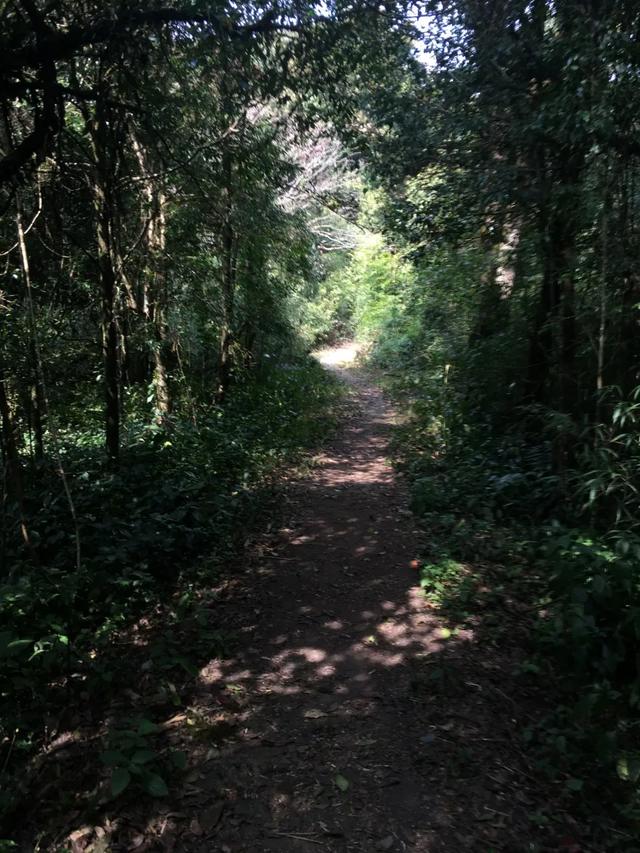
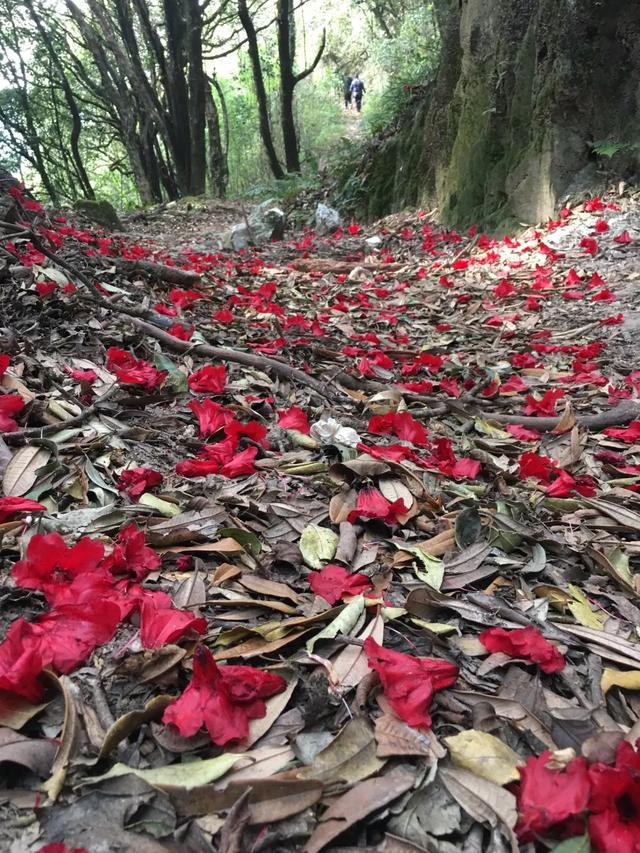
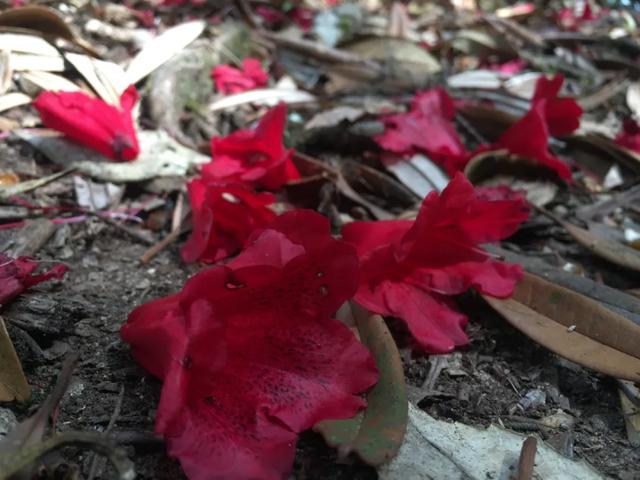
Under the trees, in the forest, covered with fallen petals, they are curved and extended to a great distance, adding a touch of beauty to the forest path. Walking further, some stones still have the footprints of horses, I don't know how many horses have walked and happened to step on to form such traces.
The companions in this trip seem to have become a trip to the ancient times. If time is curved and space is folded, at some point, the horse-drawn carts and 'plant hunters' with golden hair are climbing the quiet mountain road... I have walked through the roads they have walked and seen the flowers they have seen, the wind blows through the treetops, and the birds sing in the branches. We all bathed in the same spring colors, which is not an encounter? The empty mountain is silent, only the wind and bird sounds occasionally sound, as if responding to the thoughts that surge in my heart.
Looking back, the way I came has already disappeared, only the small patch of forest behind me is covered with fallen flowers, the forest is dark and deep, the trees are casting shadows, everything seems to be as it was at the beginning.
Artwork: Yanzi
Source: