What is the Temperature at the Summit of Mount Everest?
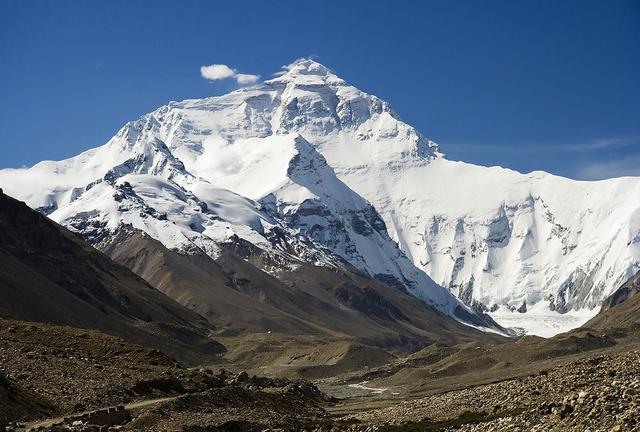
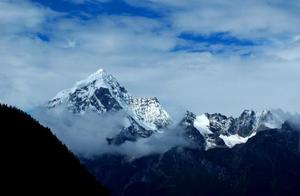
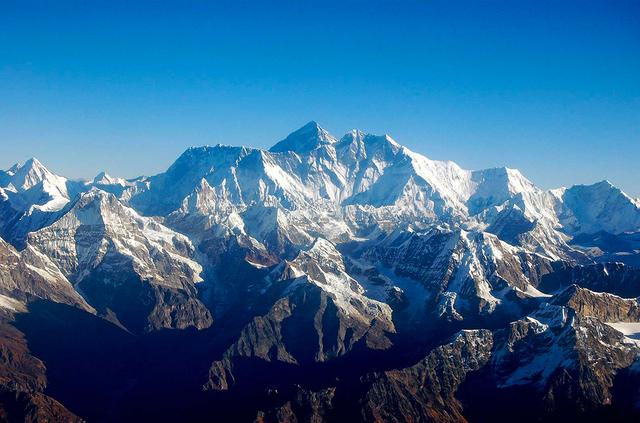
In southwest China, the Himalayas stretch for over 2400 kilometers. Of these, Mount Everest is located in the central part of the Himalayas and is the highest peak in the world.
How high is Mount Everest?
Mount Everest is the main peak of the Himalayas. According to measurements made by Chinese scientists in 2005, the summit height of Everest is 8844.43 meters. If the snow and ice thickness are included, Everest's height can reach 8848 meters. The height of Everest also increases by about 1 centimeter per year due to the continuous squeezing of the Indian and Australian plates and the Eurasian plate at a rate of 5 centimeters.
How was Mount Everest formed?
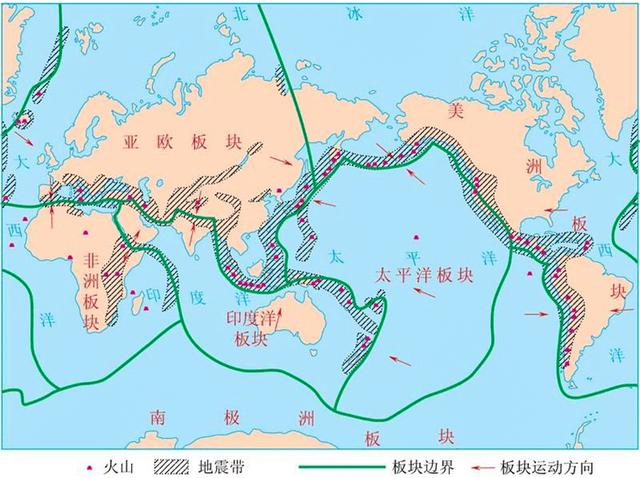
60 million years ago, the area that is now the Himalayas was essentially the ocean. Due to the influence of the movement of the Earth's crust, the collision and squeezing of the Indian-Australian plate and the Eurasian plate gradually formed the Himalayas, and created Everest's birth.
As the world's highest peak, it's not easy to climb and conquer Mount Everest. This is because Mount Everest is at a high altitude, and as you climb higher, the air becomes increasingly thin, and the wind speeds are very fast.
What is the temperature at the summit of Mount Everest?
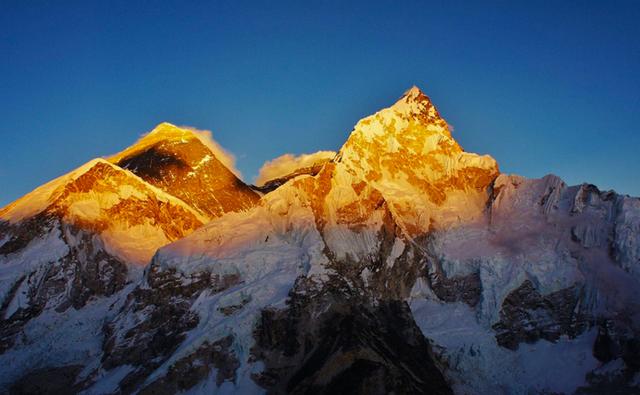
Because there is no weather station at the summit of Mount Everest, it is difficult to measure its temperature. There is a weather station located at an altitude of about 5050 meters on the South, which is the closest to the summit.
When the altitude increases by 100 meters, the temperature decreases by about 0.6 degrees. Mount Everest's altitude is 8848 meters, so the temperature is 53 degrees lower than at sea level of the same latitude. Mount Everest is located at north latitude 27°59′, and it is north of the Tropic of Cancer, so the highest temperature on Mount Everest will not exceed 0 degrees.
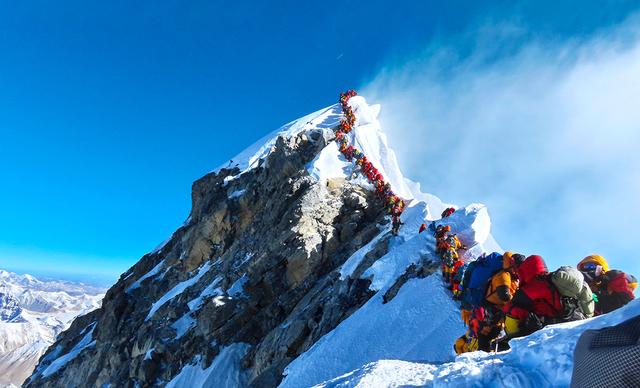
As the world's highest peak, Mount Everest is also a place closer than ever to the heavens,
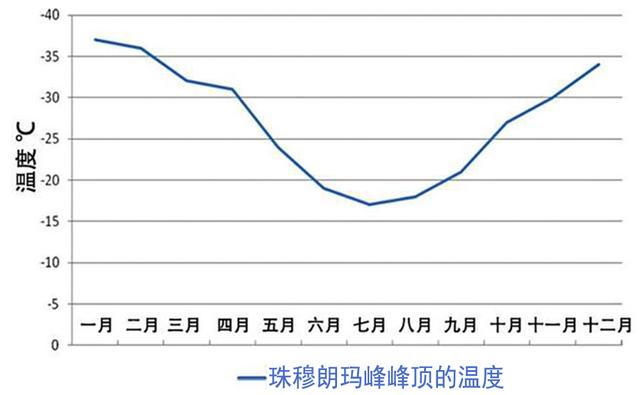
Why does the temperature at the summit of the mountain become lower than the ground?
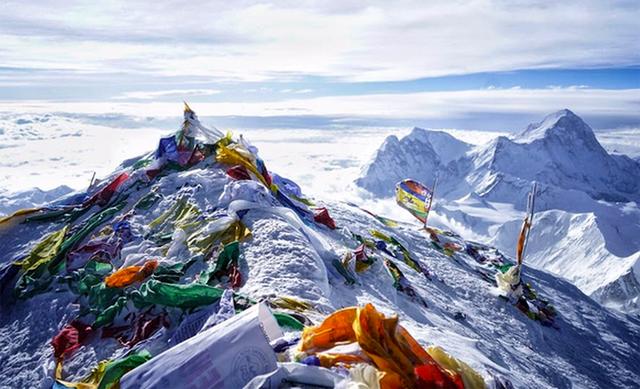
The air around the Earth is the atmosphere, which tightly wraps around the Earth, influenced by gravity, it creates atmospheric pressure. The Earth's atmosphere can play a warming role, and the reason why the surface temperature can remain stable is due to this.
At the summit of Mount Everest, the atmospheric pressure is only 30% of that at sea level. Because the higher the altitude, the thinner the air. Thin air reduces the warming effect, so the temperature naturally becomes lower. In addition, the high-altitude area of Mount Everest has been covered with snow for a long time, which increases the reflection of solar radiation, and reduces the amount of heat absorbed by the surface, so the temperature at the summit of Mount Everest becomes lower.
30%