The Most Beautiful Yushan in Jiangnan
Because of a segment about 'Shajiajin', one learns about Yushan, and thanks to 'The Temptation of Wife and Husband,' one remembers Yangcheng Lake.
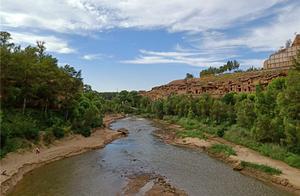
Enjoying the Sweetness of Yangcheng Lake, one sees a vast expanse of Jiangnan countryside: trees are lush and green, water flows gracefully, pavilions and bridges and farmhouses are nestled amidst a sea of trees, creating a vibrant scene.
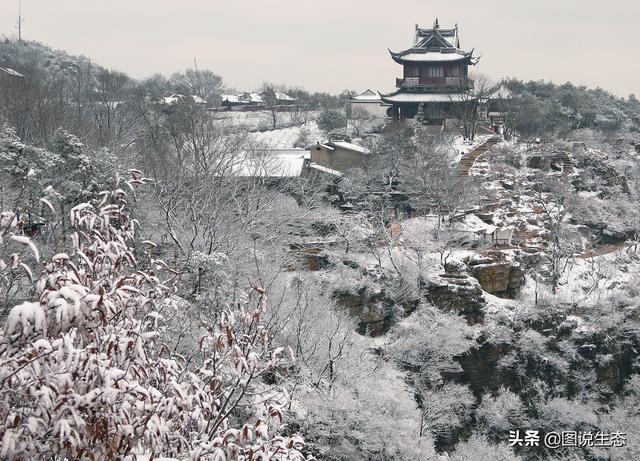
This is Yushan Forest Park, bringing a touch of poetic beauty to Jiangnan.
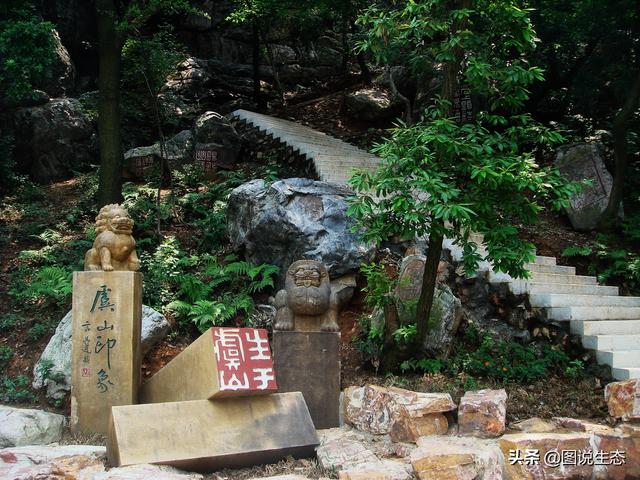
Changshu City Yushan Forest Park is located in the northwestern part of Changshu City's urban ring, the 'National Historical and Cultural City,' boasting a prime location, stunning natural scenery, abundant cultural heritage, making Yushan a renowned tourist destination in Jiangnan.
Yushan Forest Park was established in March 1960. After decades of hard work, it was completed as a National Forest Park in 1982. Subsequently, it was successively rated as a First-Level National Forest Park, a First-Level National Tourist Attraction, a Jiangsu Provincial Tourist Resort, and a National Ecological Tourism Demonstration Zone, earning accolades such as the 'Nation's Top Ten Forests' and 'China's Most Beautiful Forest'.
By focusing on ecological preservation, Yushan Forest Park has opened a path for green development, embodying the sustainable development concept of 'Green Hills and Green Valleys,' benefiting local communities and boosting local livelihoods.
Because of its wealth, people's pursuit of green living has become even more keen. The urgent desire for forest life and a slow-paced lifestyle has led to increasing tourism in this suburban forest park and state-owned forest,
Yushan Forest Park is located in the Yangtze River Delta urban agglomeration, with airports, high-speed railways, and highways all within a 2-hour drive.
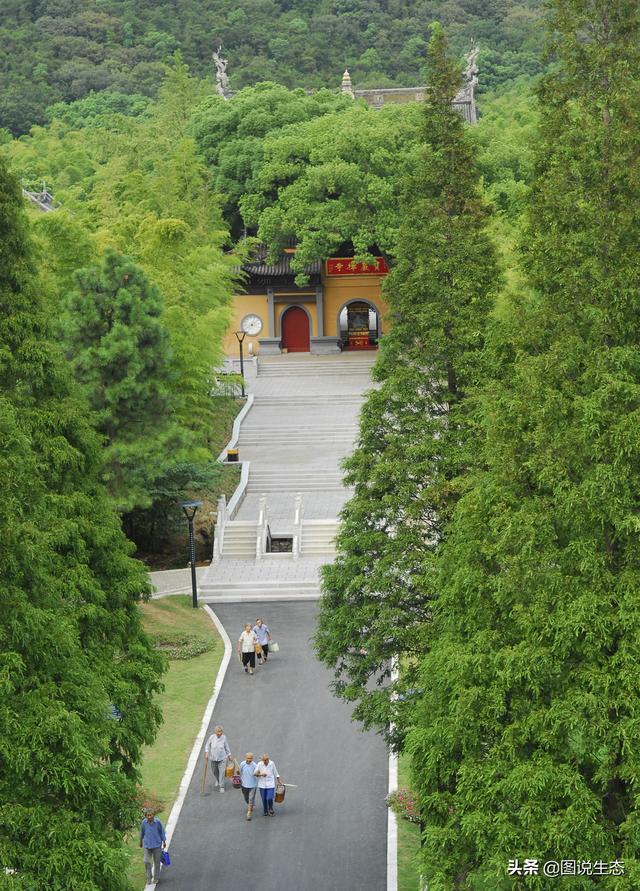
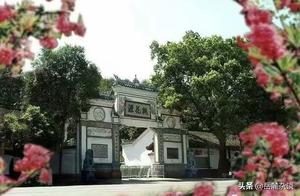
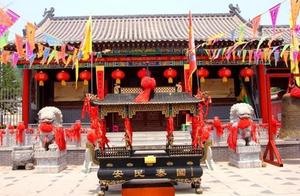
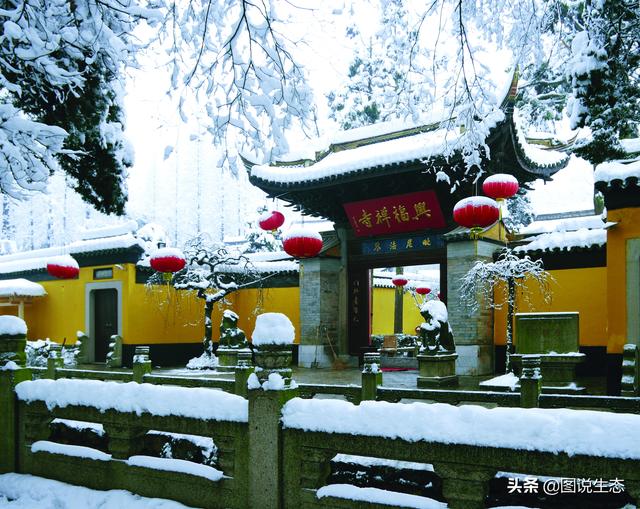
Compared to large-scale forests in Northeast China, Yushan Forest Park has more humanistic heritage. Yushan School of Painting, Yushan Poetry School, Yushan Music School, Yushan Calligraphy School, and Yushan Seal Carving School have exerted a profound influence on Chinese literature and art. Sites like the Zhongyun Tomb, the Yanzi Tomb, Mr. Weng Tong's Hidden Pavilion, Huang Gongwang's Memorial Hall, and the Xingfu Temple (a thousand-year-old Buddhist temple) are all provincial-level protected sites, inextricably linked to the mountains, water, and city.
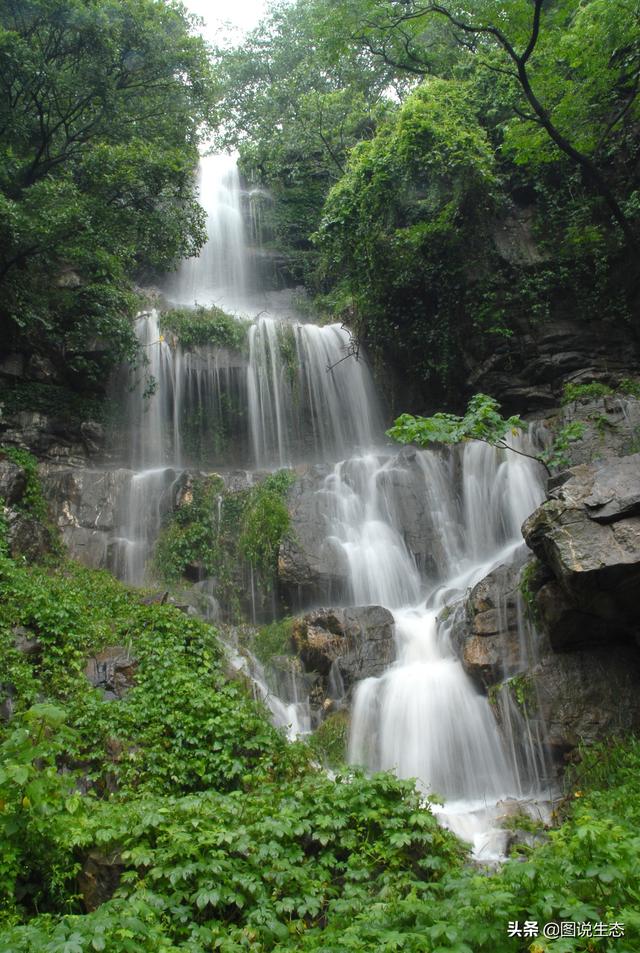
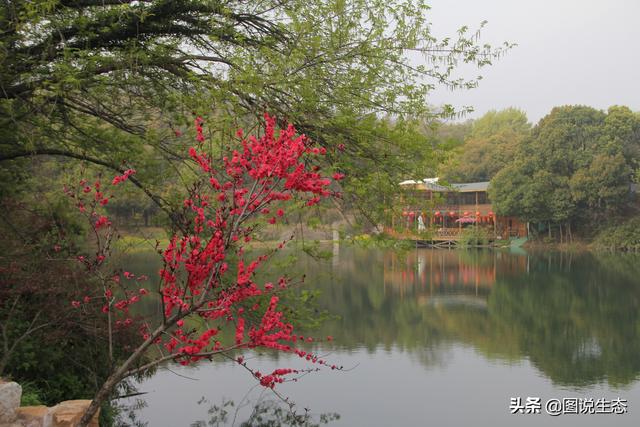
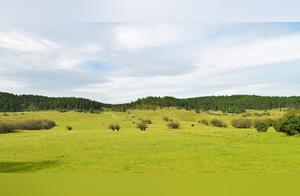
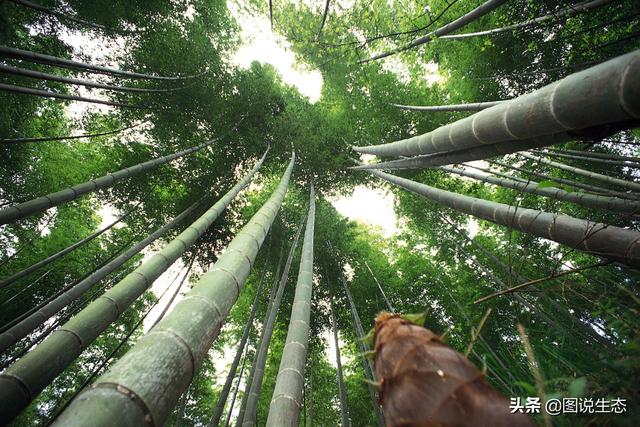
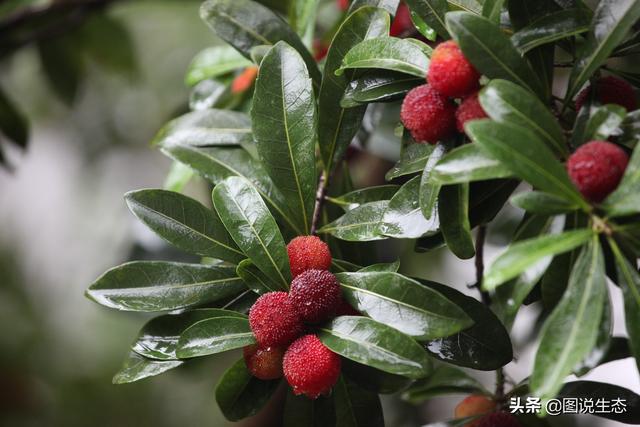
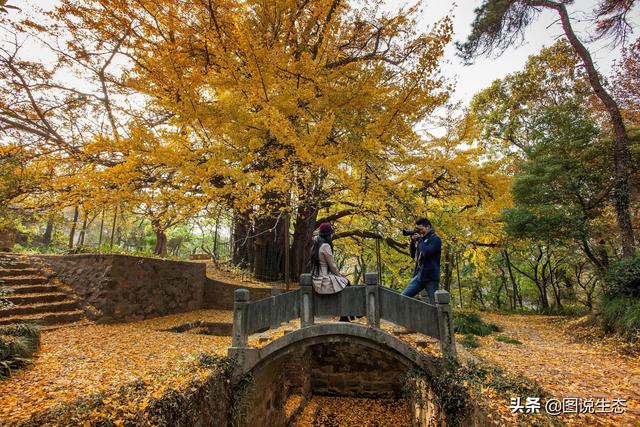
Most notably is the Bawei Ecological Tourism Garden, situated in the emerald valley of Bawei at the foot of Yushan. It's the most ecologically rich natural garden within Yushan National Forest Park. Featuring a large-scale mixed forest of needle-leaved and broad-leaved trees, the garden boasts a diverse range of plant species, with orchards, fruit tree gardens, bamboo species gardens, and plum and peach orchards. Key attractions include Fuhai Pool, Bawei Garden, Jiefo Stone, and Gezhu Bridge. Every June and July, Bawei plums and peaches burst into bloom, attracting tourists from all over. This 900-year-old custom of 'seeing plums and going to Bawei' endures to this day.
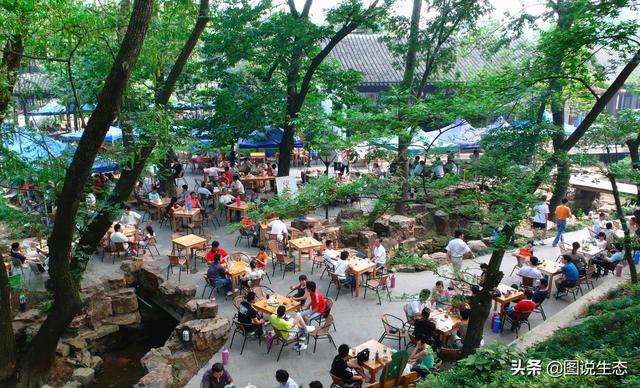
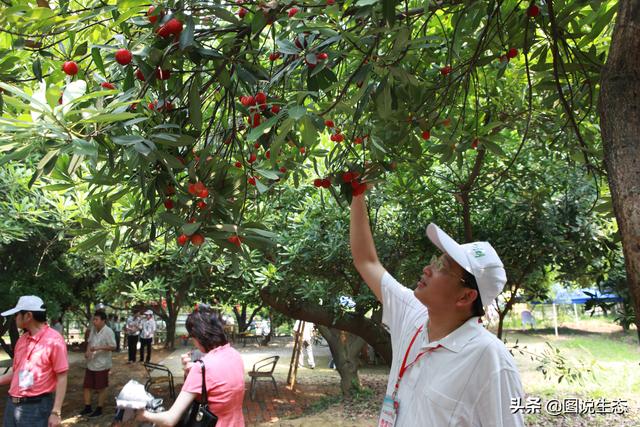
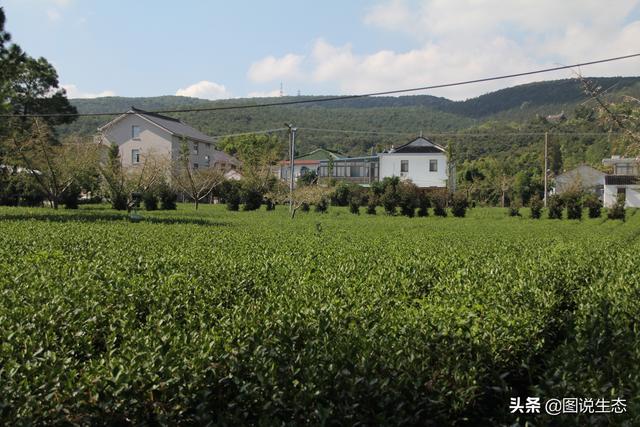
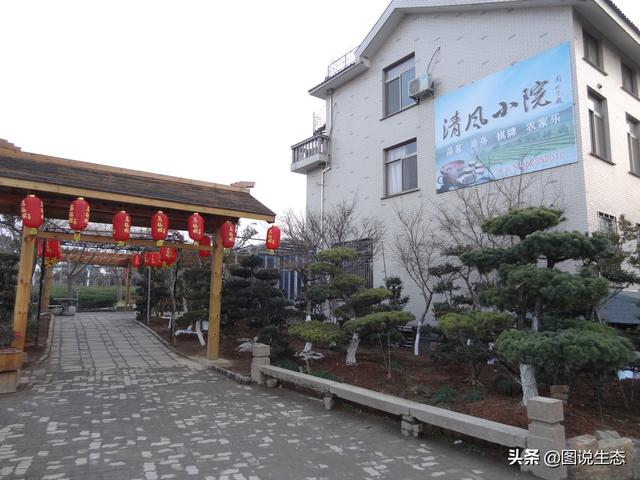
Over the years, Yushan Forest Park has leveraged its unique natural advantages, meticulously crafting the 'Rural Leisure Tourism District Planning and Design Scheme,' continuously promoting the revitalization of Xingfu and Sanfeng villages, integrating tea culture, and vigorously developing the 'Yushan Home' Forest Ecological Leisure Tourism Industry. Currently, over 100 'farmhouse stays' have been established. Simultaneously, utilizing water and landscape construction, the park fully taps into its sightseeing and leisure functions, developing and expanding the forest economy. Plum, grape, pear, and tea (including Green Breeze and Guihua board chestnuts) specialty crops thrive, while seasonal delicacies are offered year-round. Starting the day with a cup of green tea and finishing with a home-cooked meal, visitors from everywhere, along with local residents, flock to Yushan.
Visiting Yushan, one ascends to Weimou Terrace and gazes at the sea from the Viewing Platform. The wooden staircase groans beneath one's feet, revealing the events and stories of the past. From the summit, the horizon is dotted with faint lines, and the vast Yangtze River stretches far into the distance.
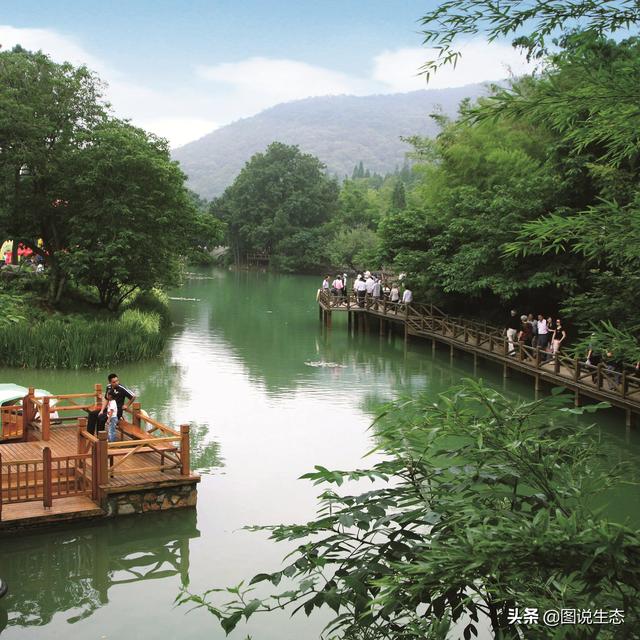
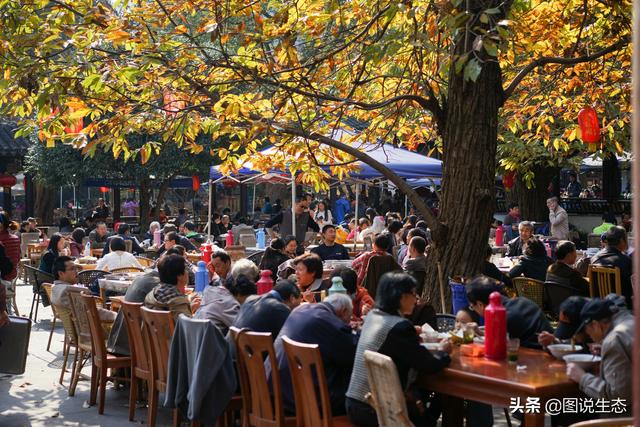
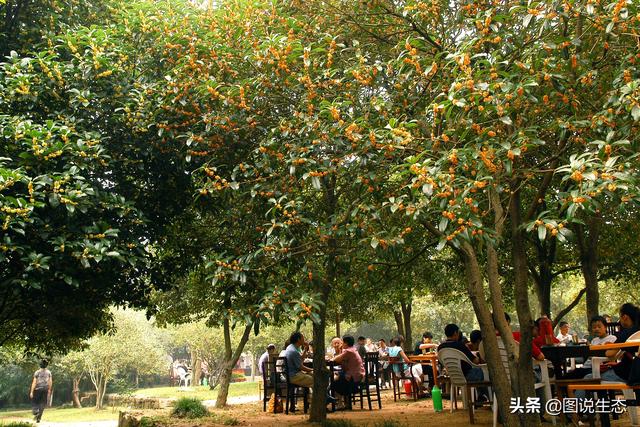
Passing through the Baigui Garden, one finds elegantly designed halls, winding corridors, and scattered pavilions, seeking a secluded spot among the trees to relax and savor a cup of Yushan green tea, experiencing the ecological and slow-paced lifestyle. Listening to the birdsong in the forest, one truly feels the beauty and poetry of Jiangnan.
“”20712141038200
“”“”