Guangdong Concealed a Remarkably Skilled Landscape Wonder, Condensing All the Beauty of the Three Gorges – Have You Been There?
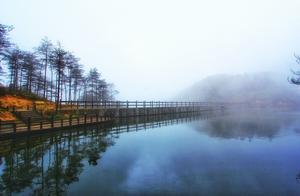
Ancient poet Liu Yuxi once described the scenery of Yanxi River as 'If you ask about the affairs of Lianzhou, the only thing that compares to the mountains is a painting.' Now, this area – Huangchuan Three Peaks – exudes a certain charm, with its mountains shrinking like a knife cutting through Qi and the rushing water resembling urgent firewood. As a major tributary of the Pearl River system, Huangchuan Three Peaks originates from Xingzi Red Rock Mountain and merges into the North River at the Lianjiang mouth, stretching 20 kilometers with mountains, water, forests, bamboo, flowers, grass, poets, and literati.
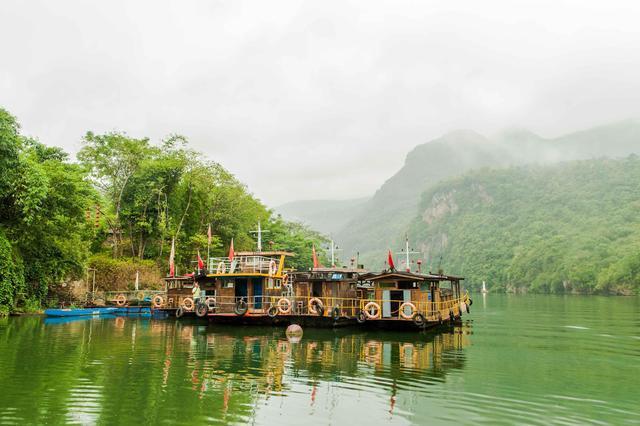
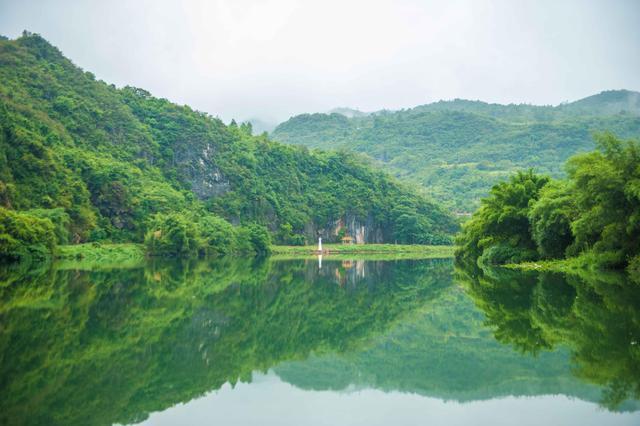
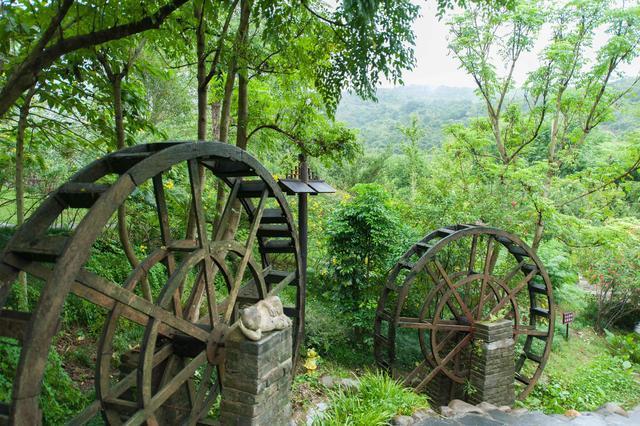
Huangchuan culture has documented origins dating back to the Han Dynasty's Emperor Yuan-Ding's fifth year in autumn. The 'Huangchuan Eight Scenery' included: distant views of the Jinfeng peak, evening haze over the Gueifeng peak, rocks dripping with moss, the spring swell of the Shuangxi River, the dawn moon at Lengga, the rain over Dragon Lake, the blessing of Kunhu Lake, and the cold forest of Jingfu. Today, Huangchuan Three Peaks boasts three gorges – Yaotiao Gorge, Lengga Gorge, and Xiannv Gorge – standing majestically.
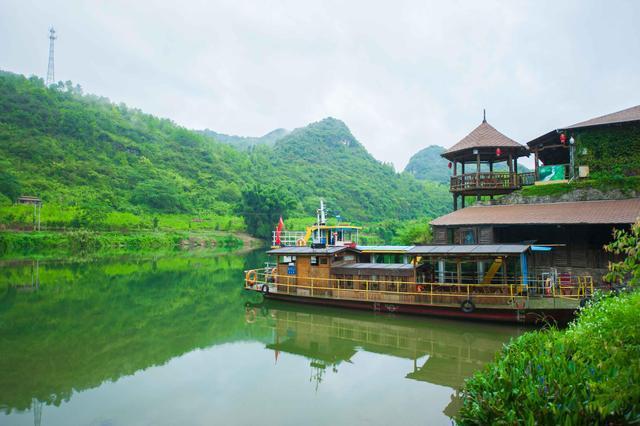
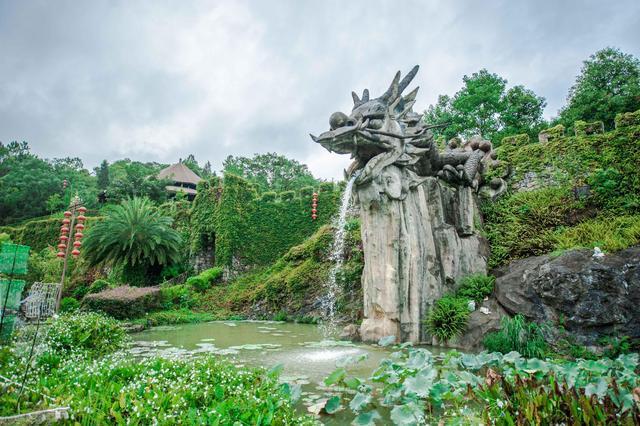
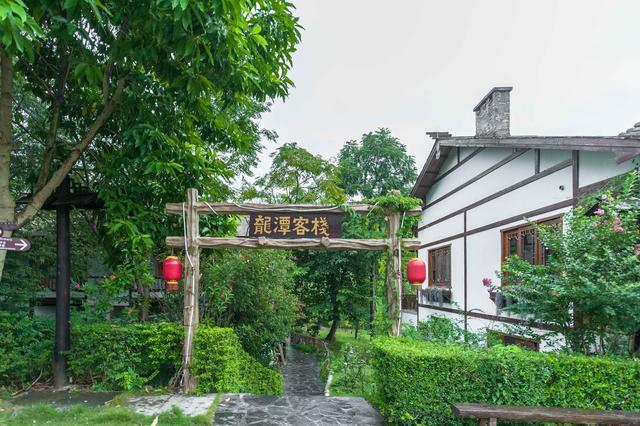
Yaotiao Gorge, or 'Sheep Jump Gorge,' where sheep can actually jump? It's true! As the shortest and narrowest of the three gorges in Lianjiang, Yaotiao Gorge is less than one kilometer long and only 30 meters wide. Legend has it that a sheep jumped across the gorge one day, causing a landslide and collapse. The sheep could no longer return home and began standing on the left mountain every day, year after year, eventually becoming a stone statue. It is said that the rock on the left side resembling a sheep is the sheep's yearning stone. When visitors come, they should carefully look for the rock shape.
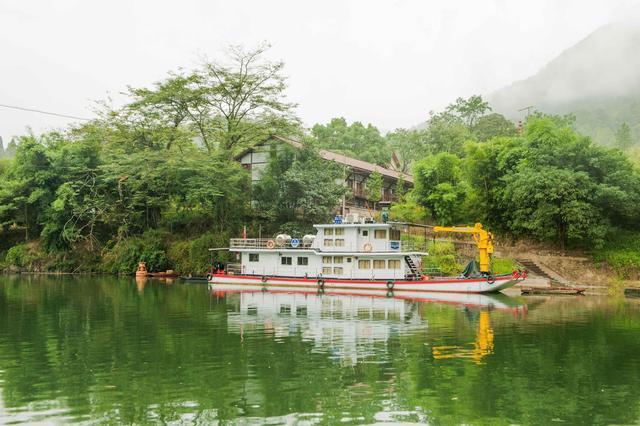
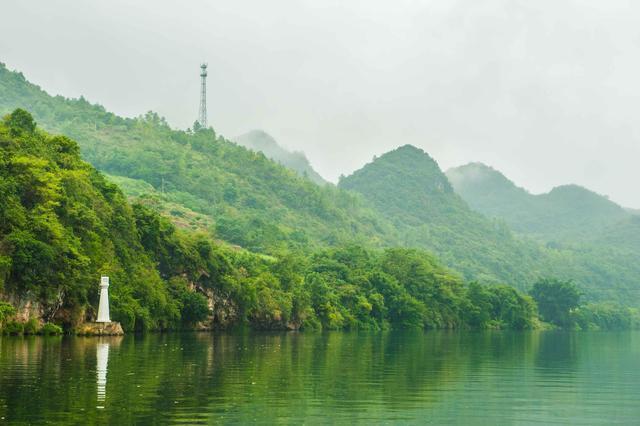
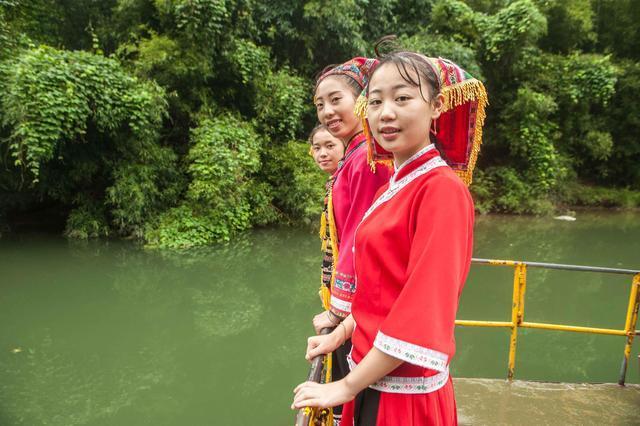
Known for its majestic and ruggedness, Lengga Gorge features a giant stone resembling a young maiden, hence its name 'Maiden Gorge.' It's said that this gorge is the throat of the Lianjiang waterway. The flowing water is a source of great poetry and courage. During the Tang Dynasty, renowned writer Han Yu wrote about it: 'The river wraps its arms around the spring's breath, fighting thunder and wind, chasing away fish and dragons. The flowing stream shoots down like a raging waterfall, rolling and crashing like thunder and waves. The boat drifts, stones shatter like ten thousand tiles, and at this distance, life is like a hair pulled by a heron.' This scene and poem inspire a sense of grandeur.
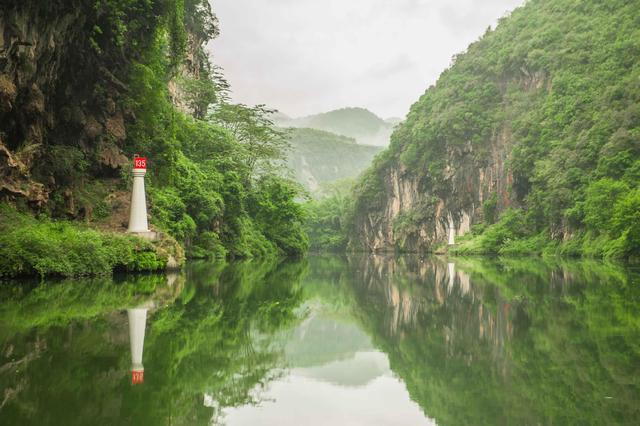
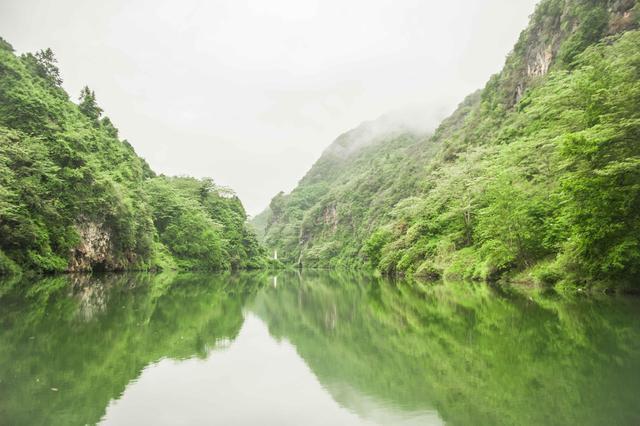
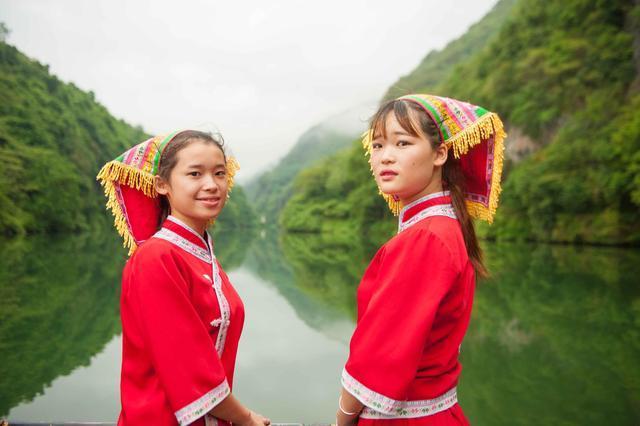
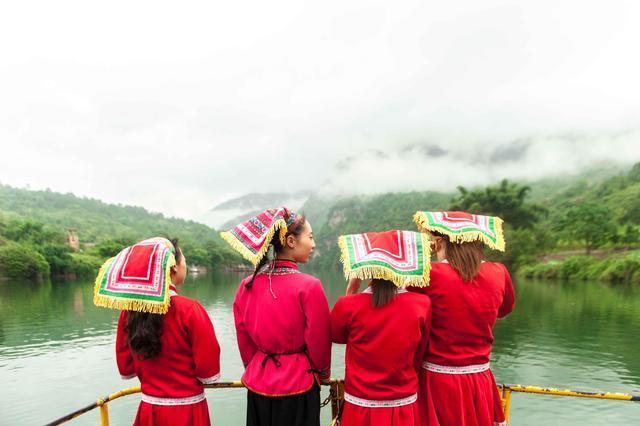
The most recent name is Xiannv Gorge. Legend has it that the celestial fairies, seeing the beautiful scenery here, agreed to come down to Earth on July 7th. Suddenly, a gust of wind blew, carrying away five of the fairies. The youngest fairy kept crying and searching for her sisters, and her tears formed this river. This section of the river is more narrow and treacherous than the previous two, with winding bays and strangely shaped cliffs that attract attention.
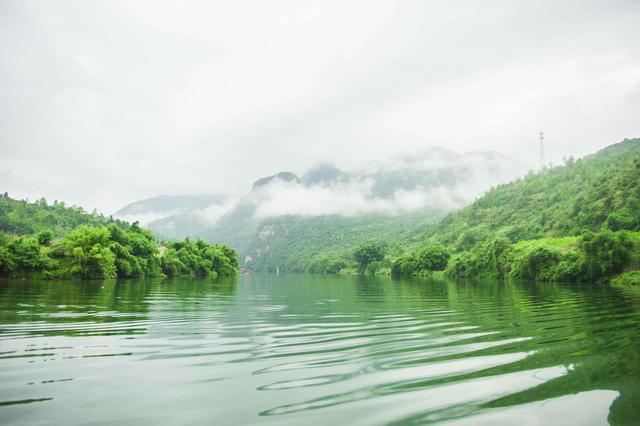
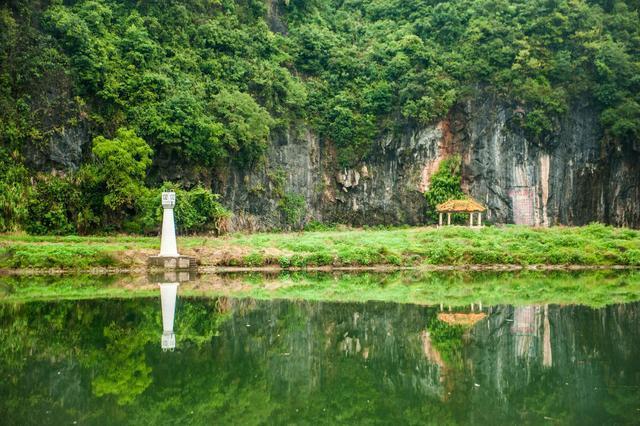
Stone in the water, water in the stone, a scene that is both poetic and magnificent. With good words and beautiful scenery, Qing Dynasty official Lin Hua wrote in 'Lianxia Journey' about the uniqueness of the Lianxia gorge, particularly the 'turtle rock,' which is remarkably rare, even when compared to the Three Gorges. This gorge condensed all the beauty of the Three Gorges. I think no matter how beautiful or eloquent the description is, it can't compare to the experience of witnessing this natural wonder firsthand. What are you waiting for? Leave a comment below, telling us if you want to visit here.