Past Life Repair, Present Life Restore; Huizhou Does Not Produce Lu Village
Spring has arrived in Houchi, but the person who wrote 'One lifetime of obsession, no dream to Houchi' has never come.
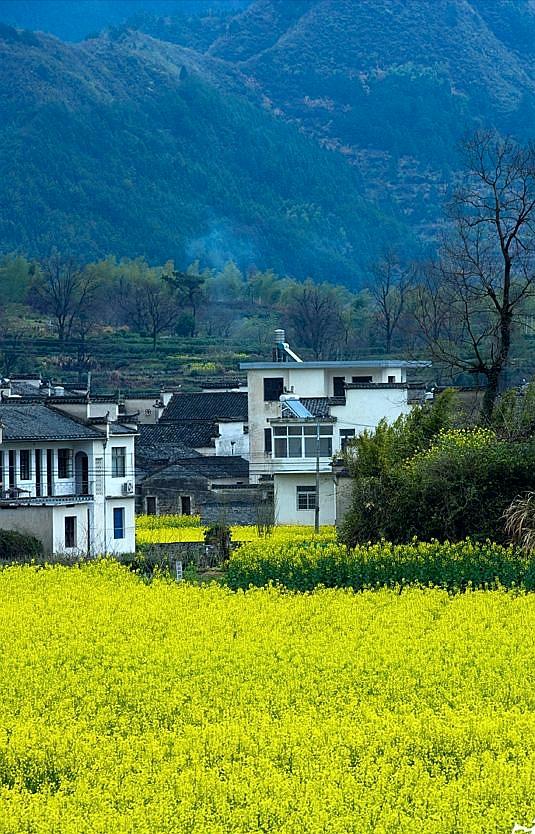
Although only a stone's throw from the world-renowned Hongcun, the 200-year-old Lu Village still retains its original ecological state. While Hongcun has been completely submerged in the hustle and bustle of commercialization, the tranquil Lu Village, covered in lush green rice paddies, appears serene and peaceful. A village that looks deceptively quiet, a completely unknown ancient Hui Village, holds countless stories of love, hate, and intrigue.
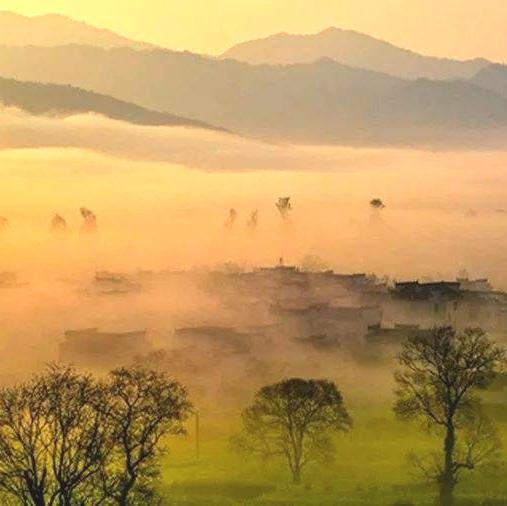
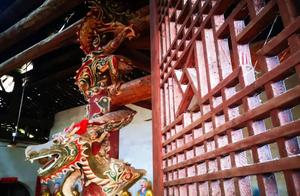
Lu Village is located in the north of Yixian County, Anhui Province, just 2 kilometers from Hongcun, and is a village primarily inhabited by the Lu family. Lu Village is renowned for its grand scale and exquisitely carved wooden buildings. The wooden buildings are known as China's first wooden carving building.
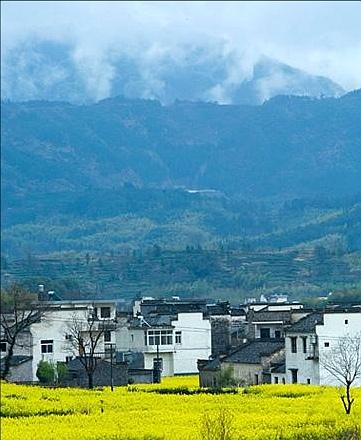
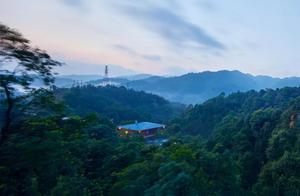
Five-mile Lu Village, three-mile smoke, two streams converge, hundred households, pavilions, towers, wooden carvings, small bridges, flowing water, peach blossoms, heavenly sky. Lu Village backs against the Yellow Mountains' and is formed by water. The flowing water from the mountains forms the Feng Stack River, which flows through the village.
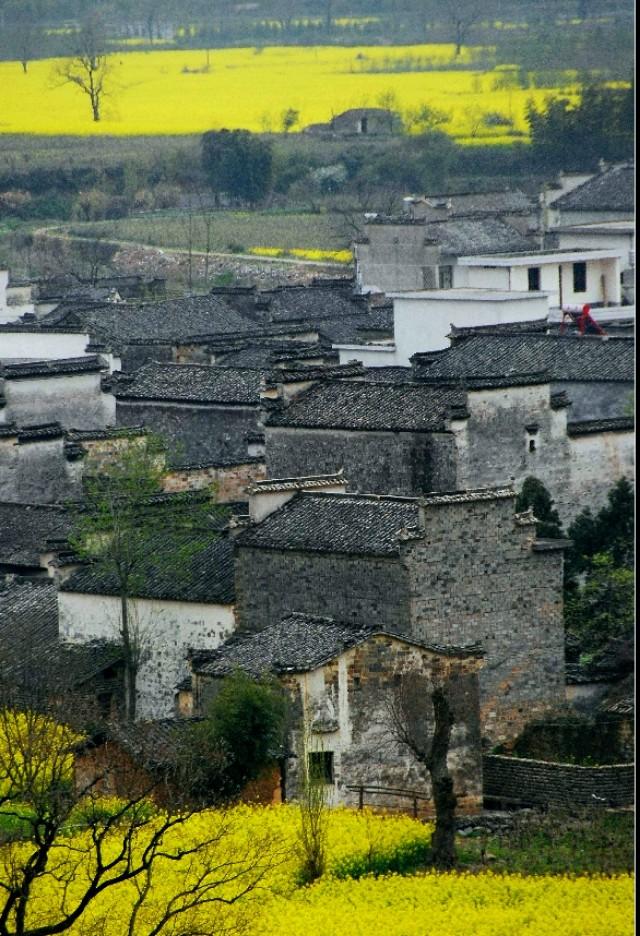
Green mountains, flowing water, narrow alleys, high walls, deep courtyards, winding and quiet. Step-by-step stone staircases, stone bridges, being in a mountain village, yet also like being in a water town.
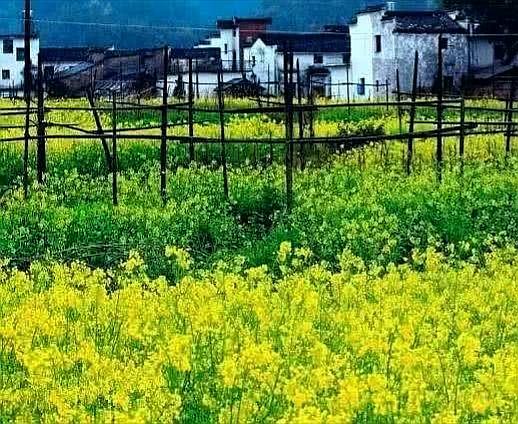
If one speaks of great seclusion in the city and small seclusion in the wilderness, then Lu Village is great seclusion in Hongcun and small seclusion in itself. There may not be a place quieter than Lu Village, truly elegant and atmospheric.
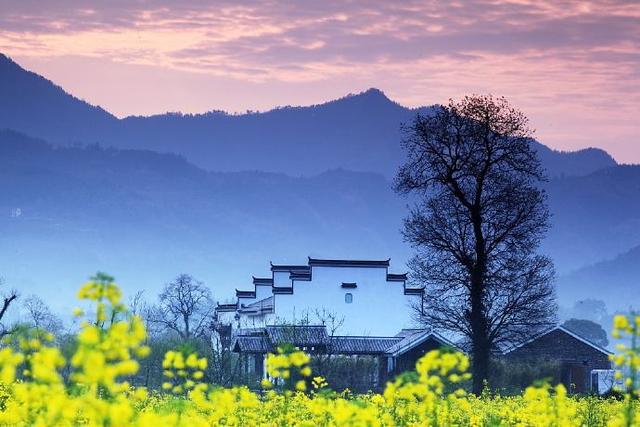
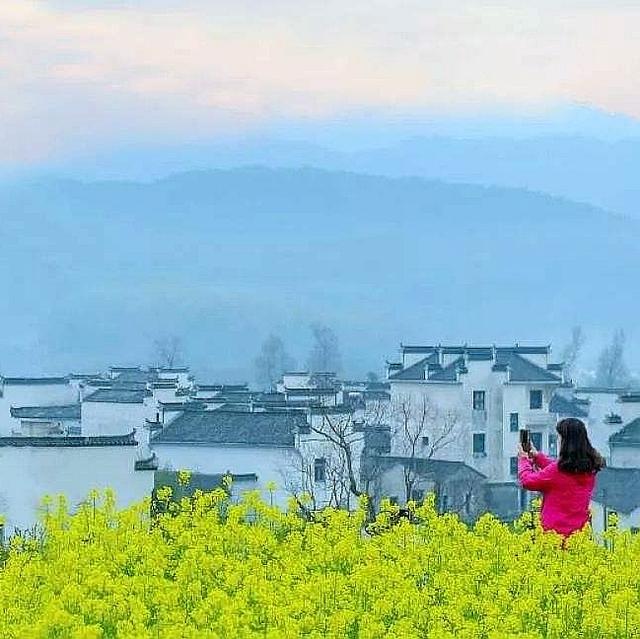
Lu Village Lu is the descendant of Jiang Taigong, migrating to Lu Village since the late Southern Tang Dynasty, with a history of over a thousand years. Lu Village has a flourishing literary style, with talented people emerging in each dynasty, leaving behind buildings like Zhisheng Hall, Sijidang, Sicheng, and the Glass Hall, examples of Hui style residences.
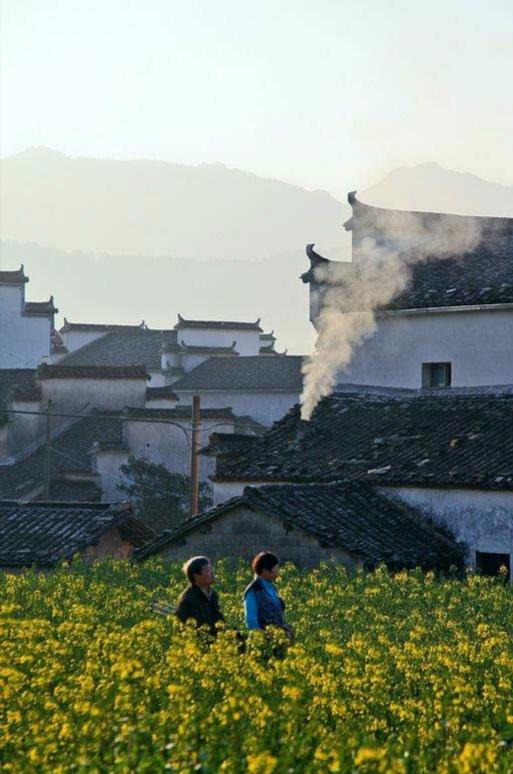
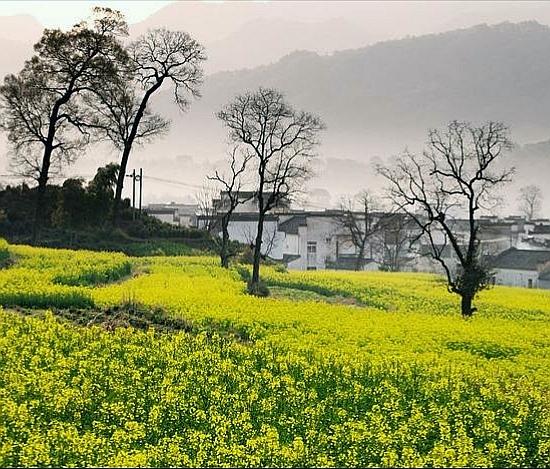
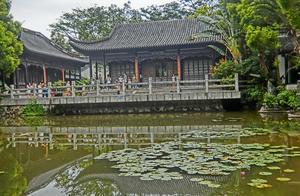
Lu Village's ancient dwellings everywhere showcase the depth of Hui culture. Backed by mountains and water, tall horse-head walls, transparent courtyards, flying corner eaves, and numerous exquisite carvings of wood, brick, and stone, have formed a distinctive Hui architectural style.
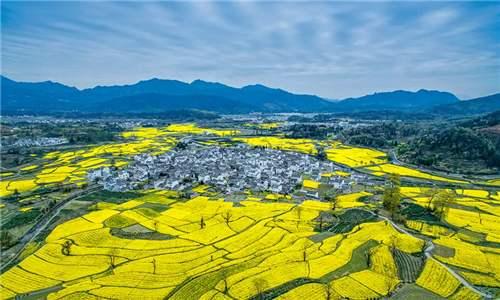
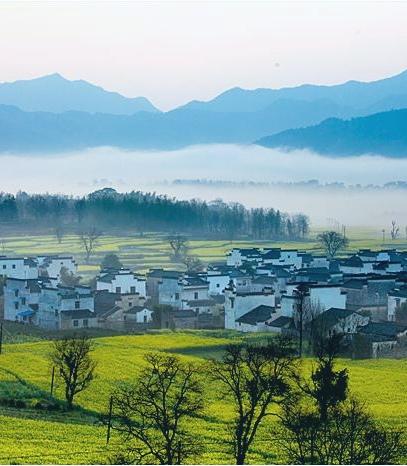
At the foot of the Yellow Mountains, misty clouds, many houses with red walls and grey tiles. The deep residences by the small bridge and flowing water, like a picture, lost in time, no one to collect. This horse-shaped ancient village is Lu Village, a picture-like village. Many people go to Lu Village and then leave with an unshakeable emotion.
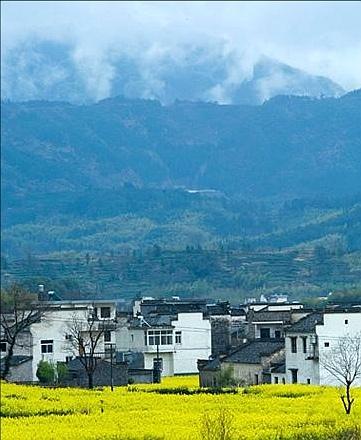
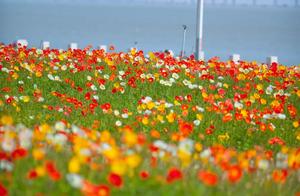
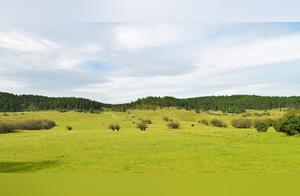
The rice paddies in the mountains are newly yellow and still green, vividly spread out in the wild surrounded by mountains, under the foothills, oilseed flowers and white bloom, this village is Lu Village in spring. When the sun sets, the residual light of the setting sun quietly falls on the red peppers and golden oilseed flowers. At this time, the village elders choose to sit in front of their homes, watching familiar or unfamiliar passersby, smiling kindly. Today's Hongcun is also Lu Village, both are beautiful in Houchi and are a combination of scenery and culture. This beauty, unless you personally see it and experience it, is difficult to understand from thin photos and pale words.