Ancient Temple in Gansu Gorge, Located in a Strategic Silk Road Pass, Tang Xuanzang Once Practiced Here
Gannan, the 'Westernmost Territory'.A place with mountains, plateaus, plains, valleys, deserts, and oases.
The Hexi Corridor, a vital passage for China to the West.
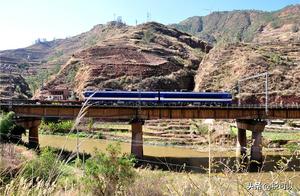
Hexi was the northwest-southeast extending plain, located north of the Qilian Mountains, south of the Helan Mountains, west of the Uisshao Ridge, east of the Gansu-Xinjiang border, about 1000 kilometers long, a prosperous land and a strategically important area throughout history. It was'the first stop on the Silk Road westwards'.
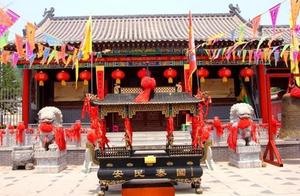
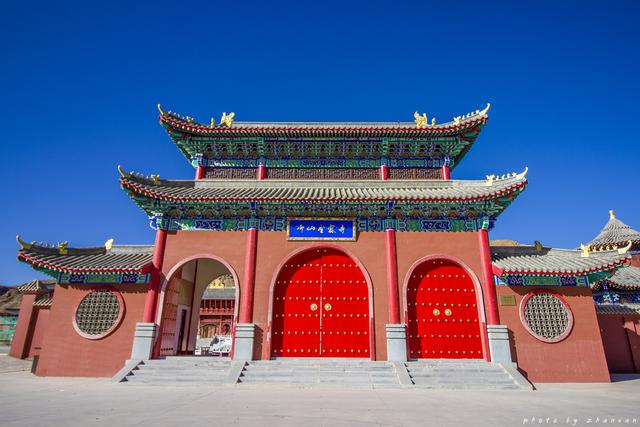
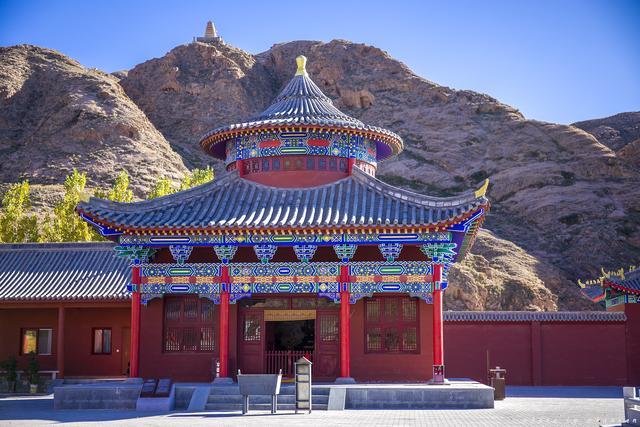
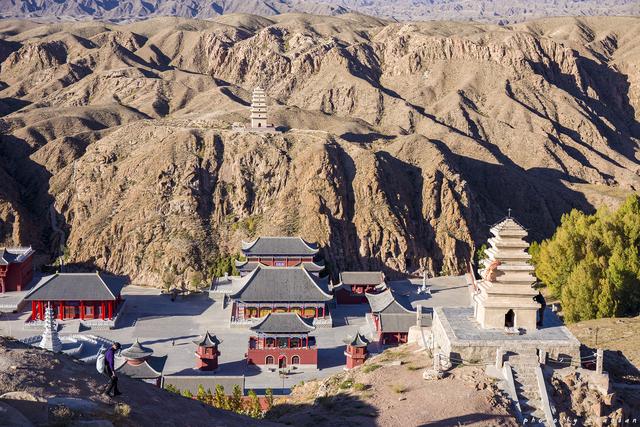
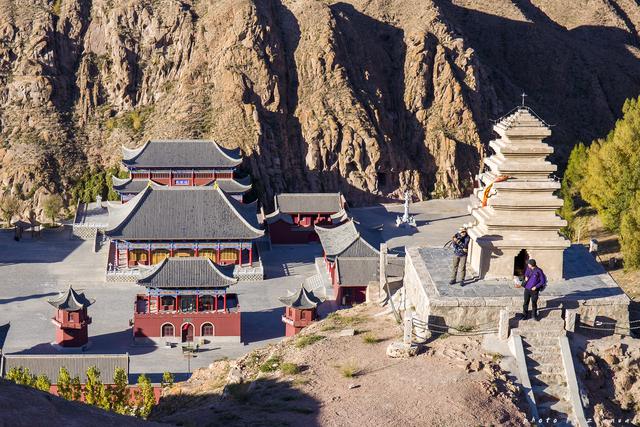
'the throat of the Silk Road'.The San Yong Temple, located in the San Yong Valley of Yiwang County, Jingchang, has a thousand-year history connected with the Mogao Caves of Dunhuang.Among the few well-preserved thousand-year-old temples in China, the San Yong Temple is of great significance.
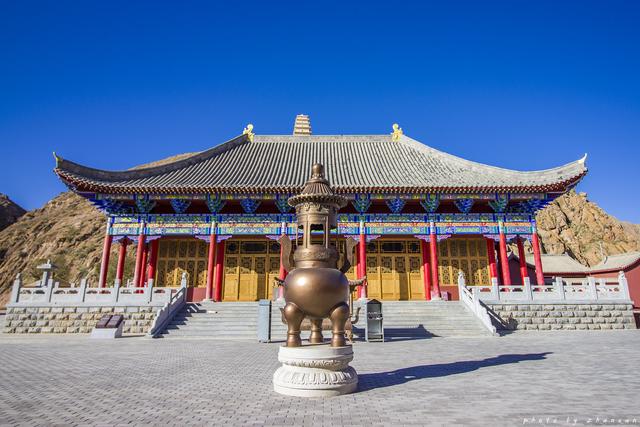
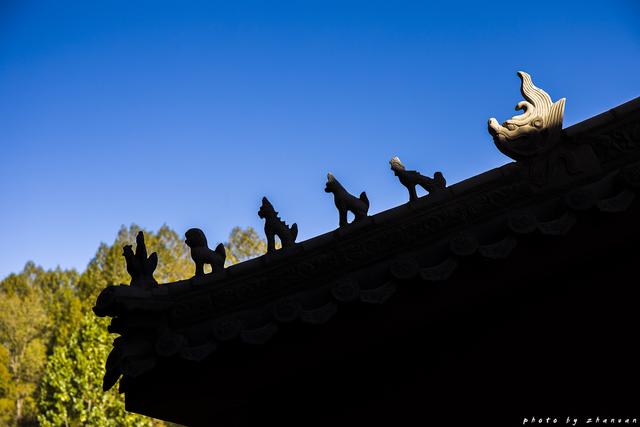
The legend says that the monk Liu Saiha traveled to the San Yong Valley and predicted that the mountain would open and a Buddha image would appear, bringing peace and prosperity.
He was a monk named Liu Saiha, who became a monk at the age of 30 and took the name Shrieha Da.
Liu Saiha devoted 40 years to Buddhism, spending 20 years studying and teaching, and then 22 years spreading Buddhist teachings in Hexi.
Liu Saiha's predictions were remarkably accurate, and many events he prophesied came true over decades or even centuries.
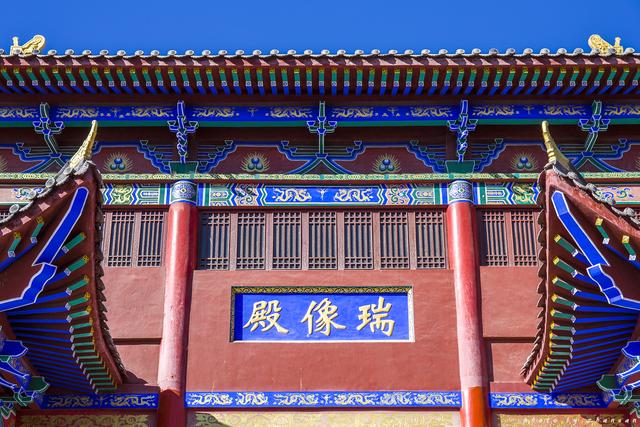
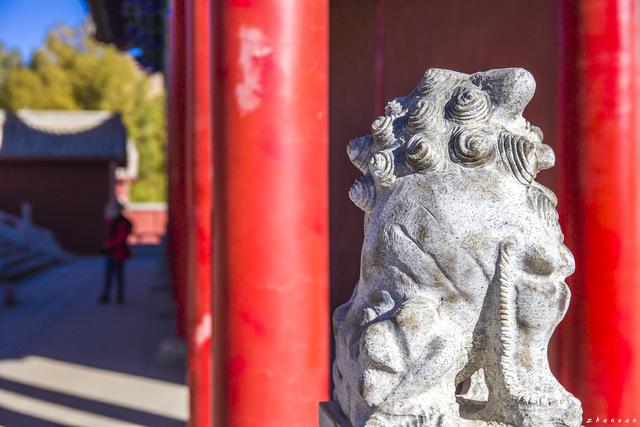
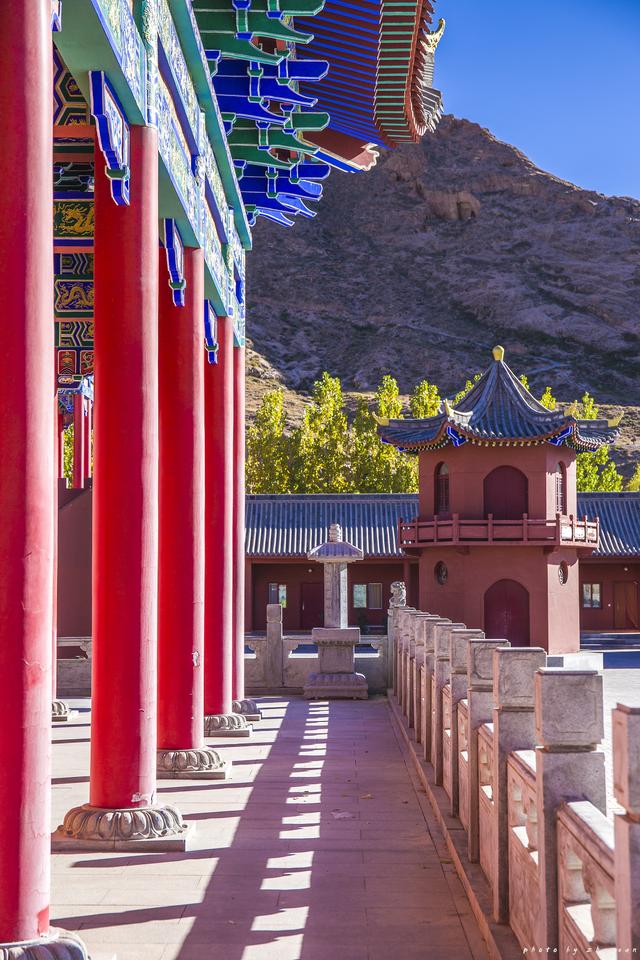
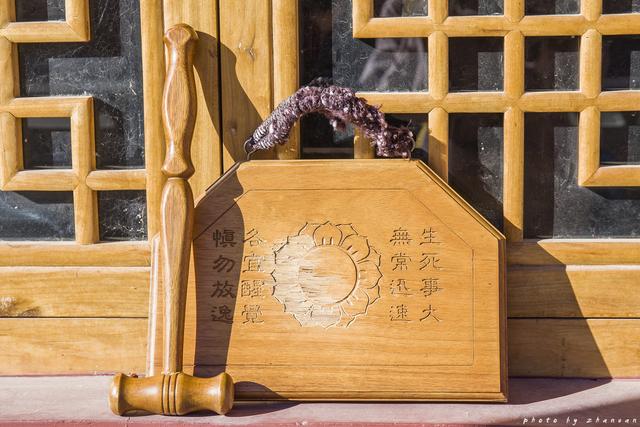
During the Tang Dynasty, with the flourishing of Buddhism, San Yong Temple became a center for the fusion of Western Buddhist culture along the Silk Road.
The Tang Emperors valued the temple, and the appearance of cranes and phoenixes shading the sun symbolized good fortune. Emperor Taizong sent envoys to provide support. In the 18th year of the Zhenguan reign, Tang Sanzang, a Buddhist scholar, visited San Yong Temple during his journey to obtain scriptures, lectured on the origin of the stone Buddha image, and after returning to the Tang Dynasty, he built the small Wild Goose Pagoda in Xi'an, modeled after the San Yong Temple's San Yong Pagoda.
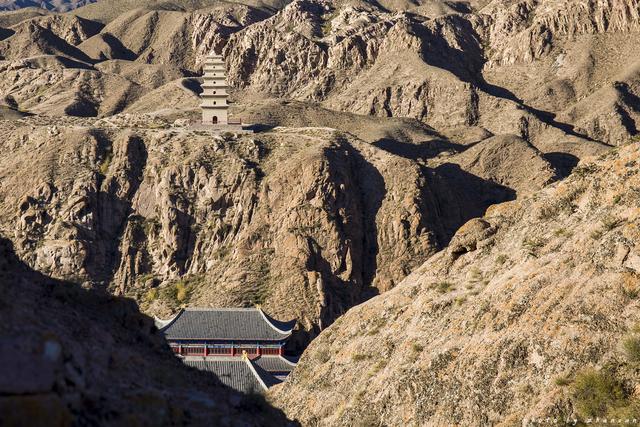
The San Yong Temple’s two large pagodas are among the earliest existing pagoda structures in Hexi.
The two large pagodas stand opposite each other on the peaks before and after the temple, overlooking the San Yong Valley.The large pagoda is 16.2 meters high, constructed of hollow bricks with murals and inscriptions, and the small pagoda is 4.9 meters high, similar in shape to the large pagoda.During his return journey from obtaining scriptures, Tang Sanzang visited San Yong Temple for one month, lectured on Buddhism, and after returning to the Tang Dynasty, he built the small Wild Goose Pagoda in Xi'an, modeled after the San Yong Pagoda.
The 'Om Pame Pime Mohe' mantra stone carvings are preserved on the cliffs before the San Yong Temple, written in six scripts.
The six-character script is from Eight Si Ba Ba Weng, Mongolian, Hui, and Western Xia scripts.
Tips: Address: No. 10 kilometers north of Chengbei, Yiwang County, Jingchang City, Gansu Province
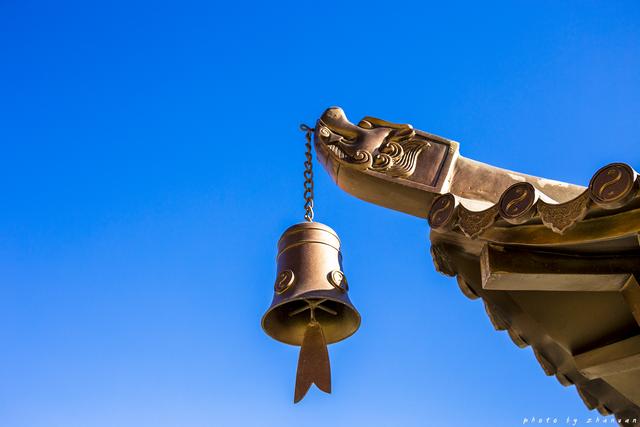
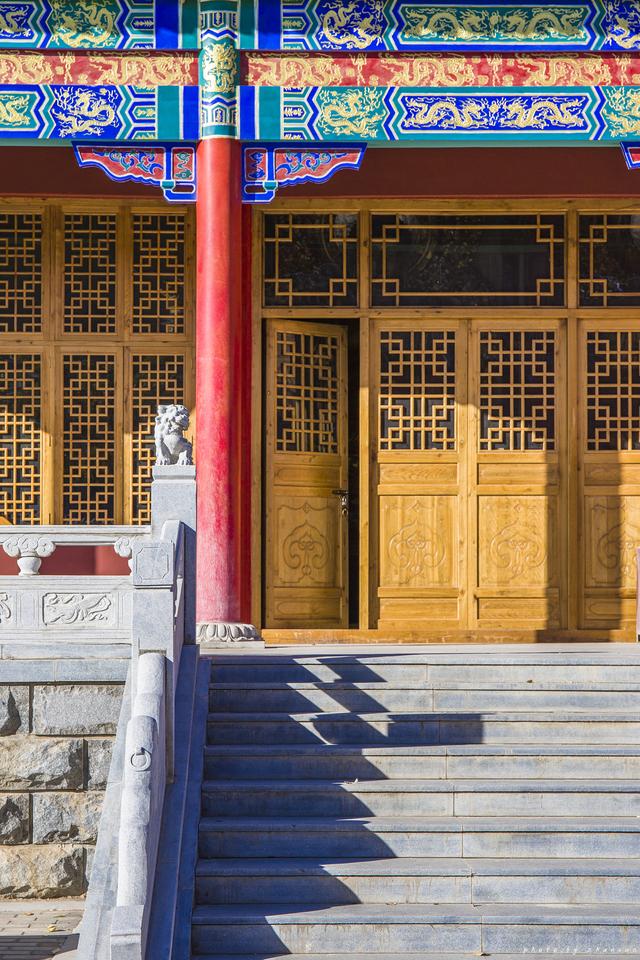
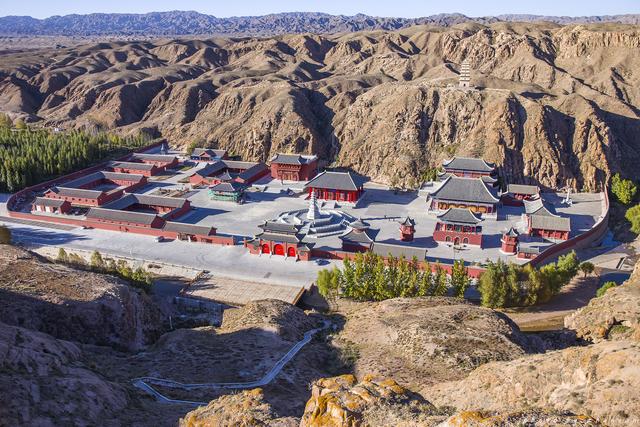
16.24.9
“”“”“”
10