A Thousand-Year-Old Village in Deep Yunnan Mountains Still Maintains a Matriarchal Society with Women Holding Supreme Status
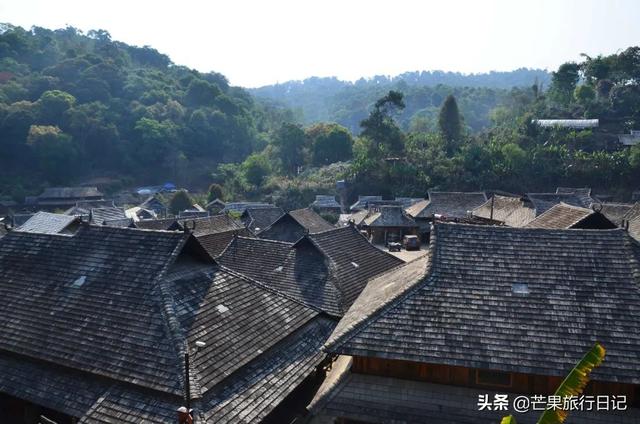
Mango Travel Diary: There's a thousand-year-old village in the deep mountains of Yunnan, rumored to be in a matriarchal society, adhering to matriarchal customs, women hold the highest status, don't marry out but 'adopt' men, and can divorce their husbands if they don't like them.
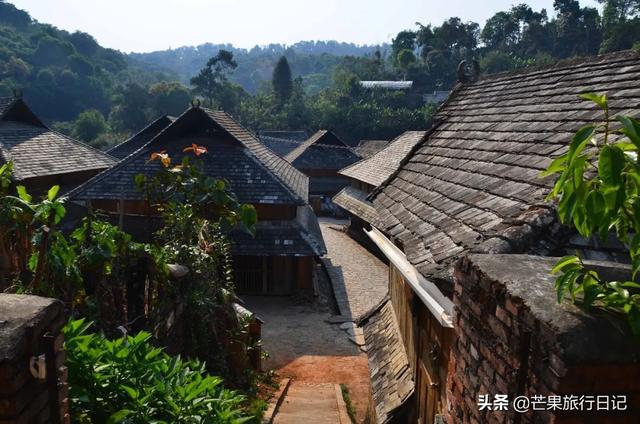
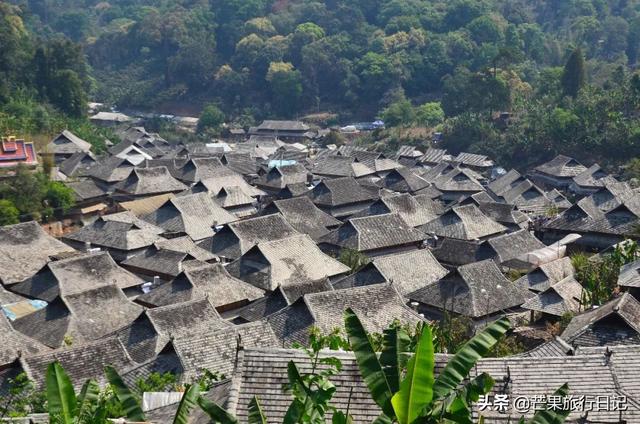
This thousand-year-old village is called Nujiang Village, located in the Huimin Hani Autonomous County of Lancang Lahu Autonomous Prefecture, City, Yunnan Province. It has only about 100 households, surrounded by mountains and water on four sides, primitive and ancient, like a paradise on earth.
Nujiang Village is a (Thai) village, said to have a history of a thousand years. Unfortunately, there is not much related historical data available, and the information online is limited, so much of the information is compiled by Mango based on local narration.
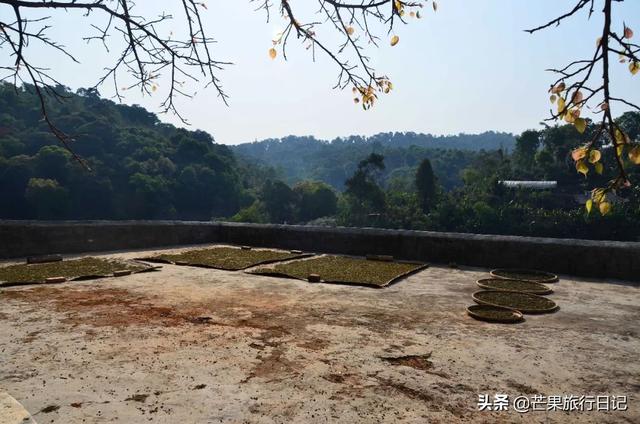
Nujiang Village was once a poor small mountain village, but now it's gradually known to the public because of Pu'er tea. It's part of the 10,000-mu ancient tea garden in Jingmai Mountain, with an altitude of about 1500 meters, which is very suitable for tea tree growth. Every family grows tea, and the villagers are also very enthusiastic. As long as tourists pass by, the owners will warmly invite you in for tea.
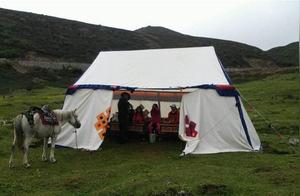
I met a (Thai) beautiful sister, wearing their traditional costumes, enthusiastically brewing tea for us, explaining the relevant knowledge of tea and some history of Nujiang Village. She said her family has lived here for generations, with several brothers and sisters, and she is the eldest daughter, managing all the affairs of the family.
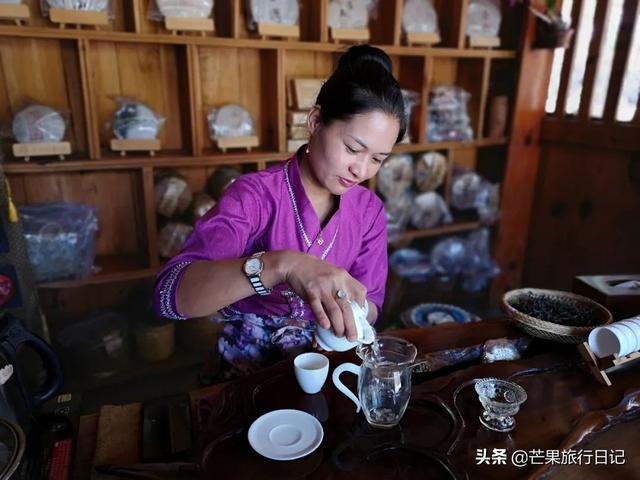
Her family is a relatively large tea farmer in the local area, planting a large area of tea. All external events are handled by her. She said that their village is ruled by women, men are basically adopted as upper-door step husbands, and I am also 'adopted' as a husband, but she said she had already divorced her husband.
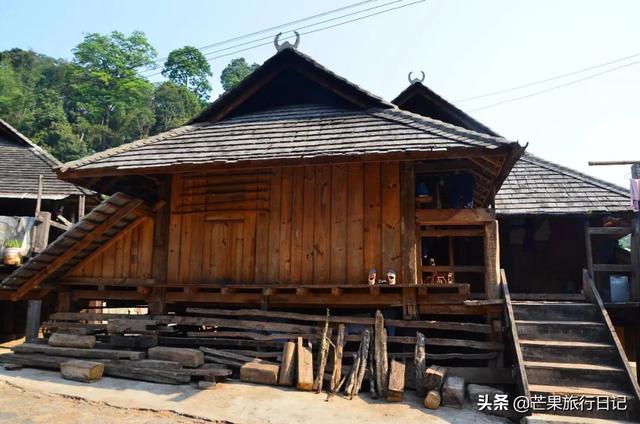
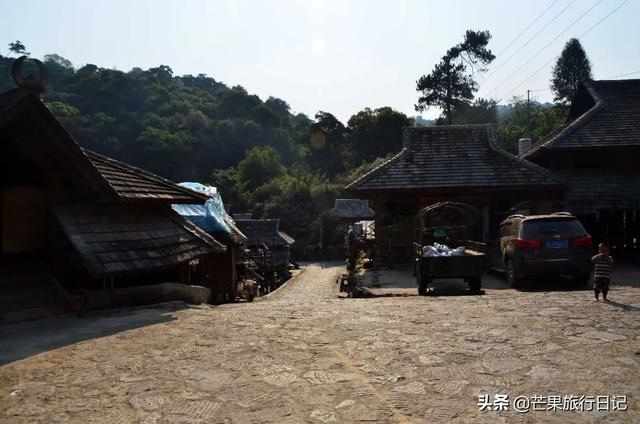
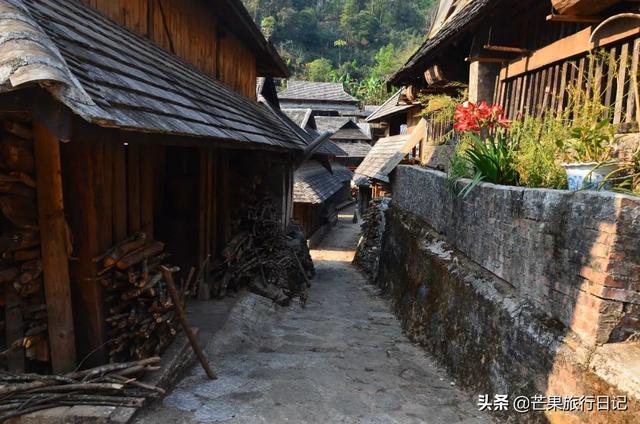
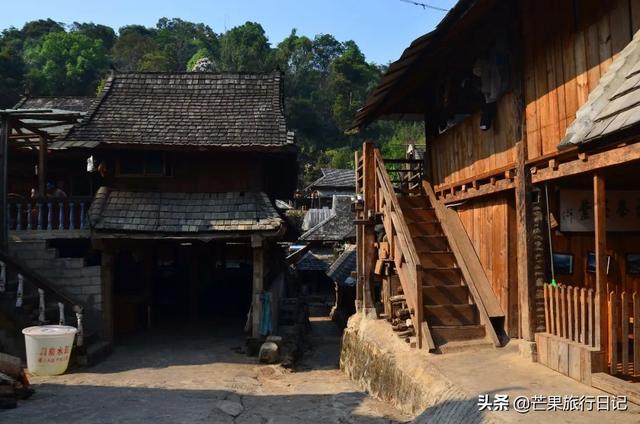
Nujiang Village became famous because of tea and gradually had some tourists. The local government built a new village to protect this thousand-year-old village, and it's prohibited from building new houses in the old village. The houses in the old village are made of traditional dried plank style wooden houses, generally two stories high, one floor for raising chickens and ducks and storing goods, and the second floor for living.
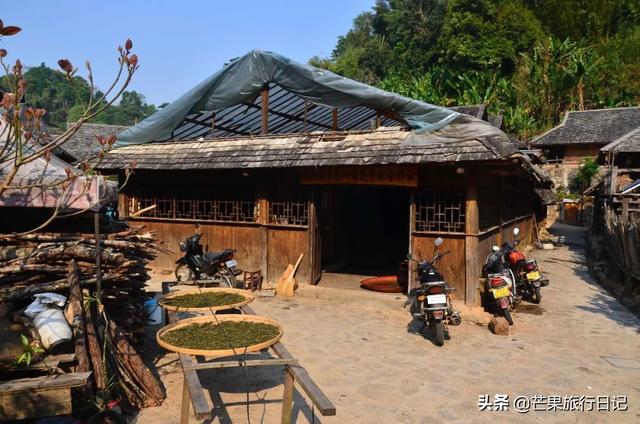
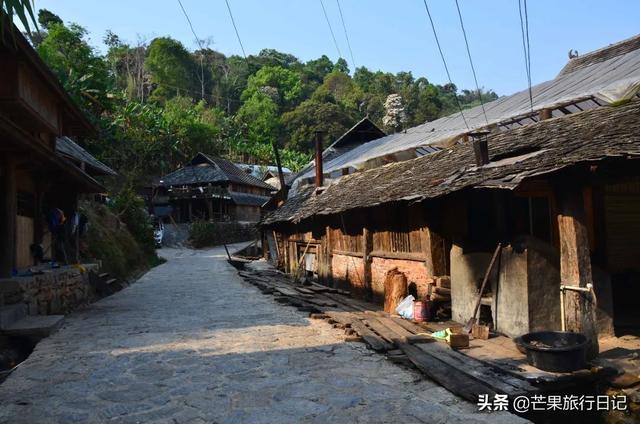
We were visiting Jingmai Mountain to apply for World Heritage status at the time, and Nujiang Village was on Jingmai Mountain. It's unknown whether it will charge entrance fees in the future. However, we went there and it wasn't crowded, and we occasionally saw one or two villagers. Many houses had their doors wide open, like a feeling of not picking up lost items or not closing the door at night.
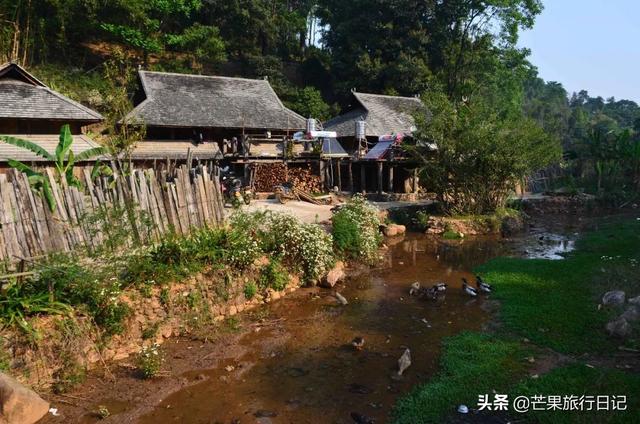
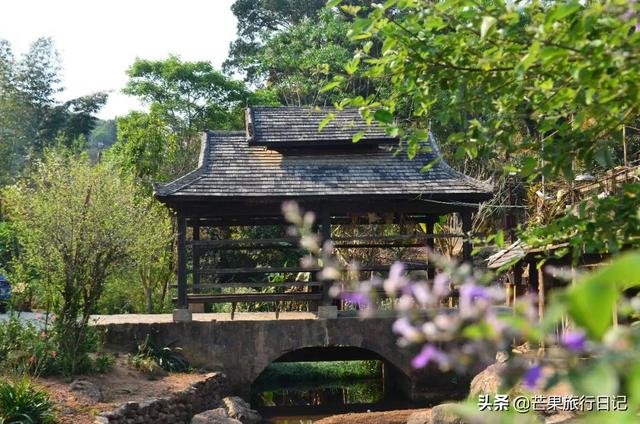
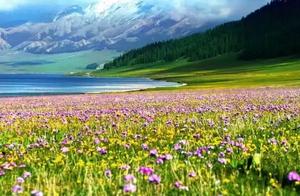
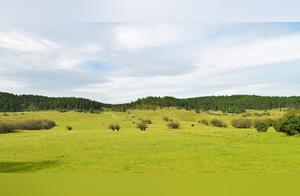
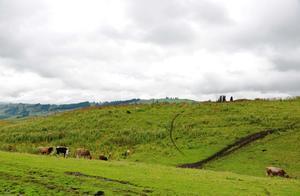
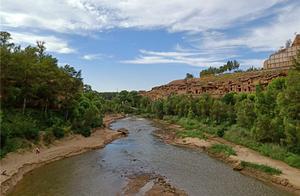
The village is located in the middle of the mountain, surrounded by four sides of primitive forests, and a small river winds through the village. Ducks play in the river, and the riverbank is two-story wooden houses. Flowers bloom everywhere, and there's a wooden bridge spanning across, with pavilions and fences for people to rest.
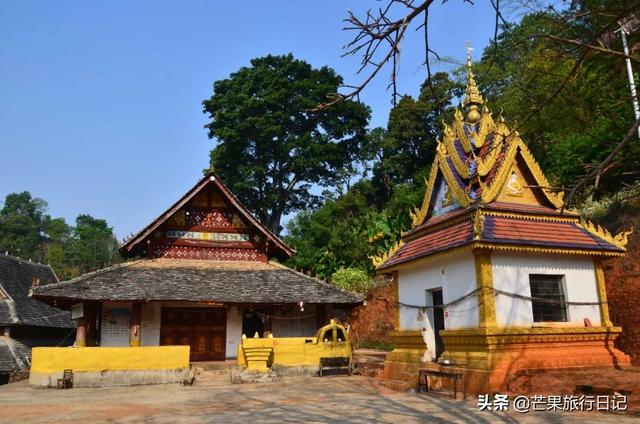
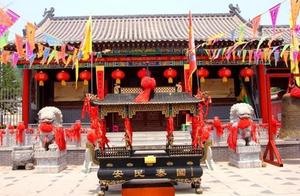
The most eye-catching building in the village is a temple, which is golden and magnificent amidst a group of black, white, and gray buildings. It's said to be a newly built temple, as the previous temple was destroyed. I met a household in Nujiang Village, the male owner was a monk when he was young, and became a commoner after a few years. He said this was the custom of here, men would be sent to become monks at the age of fifteen, and then return to the commoner life if they didn't want to marry.
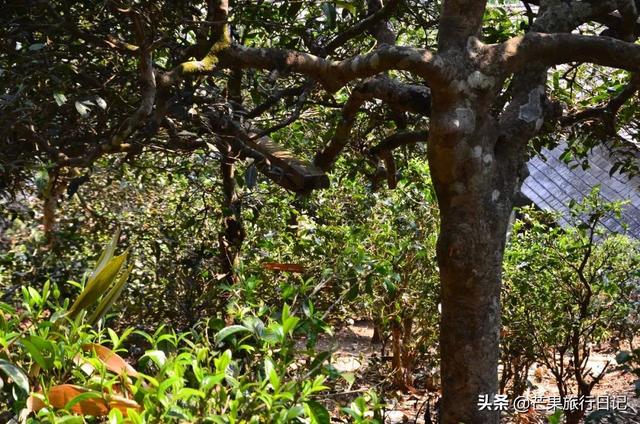
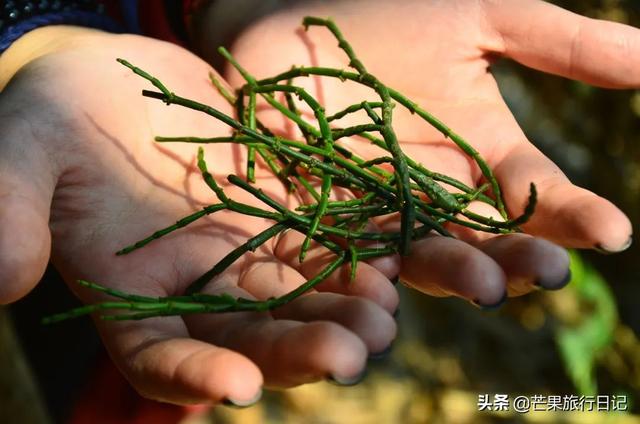
Because Nujiang Village is a place where ancient tea trees grow, you can see hundreds of years old tea trees at random. The locals took us to see a tea tree that is several hundred years old, which looks not very big, and even less impressive than many street trees in cities, because ancient tea trees grow very slowly. I once saw a household's tea garden, and the owner took us to see a thousand-year-old tea tree. He said that this tea tree produced very few crab leg feet, which could sell for $4,000 a kilogram.
We climbed to the observation point of Nujiang Village, and looked at the panoramic view of the village. The ancient village surrounded by tea trees and wildflowers, and the smoke rose from the kitchen. Occasionally, I heard the sound of chickens and dogs, and my heart became quiet.
Nujiang Village, a thousand-year-old village still in a matriarchal society, does it count as a dream paradise for many women? I am Mango, traveling around China alone, welcome to follow Mango's Travel Diary, sharing travel experiences every day.