Promotion of Excellent Historical and Cultural Towns in China – Eightyiuzhu Town, Pizhou City, Jiangsu Province
3545
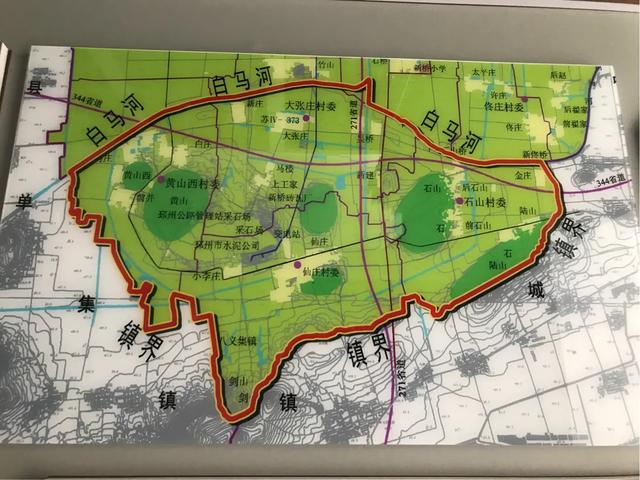
Eightyiuzhutoicatedin the western area of Pizhou City, 35 kilometers east of the city center and 45 kilometers west of the Xuzhou City center. It is bordered by Tanjiazhen and Tuzhanshen to the north and east, Zhangxushxiang to the south, and connects with Danduzhen and Xuhuazhuang to the west. The location is very obvious.
10-12/25
Eightyiuzhutoicated in the gently undulating plains, with soil composed of light sub-clay, supporting a load capacity of 10-12 tons per square meter. The terrain is generally flat, with an average elevation of 25 meters above sea level. The town is influenced by the Tanlu Fault Zone earthquake.
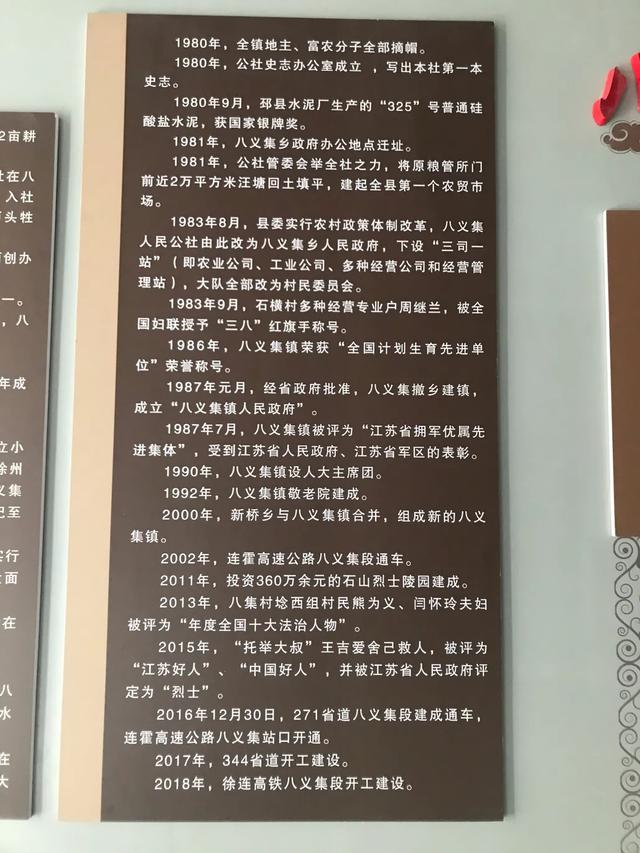
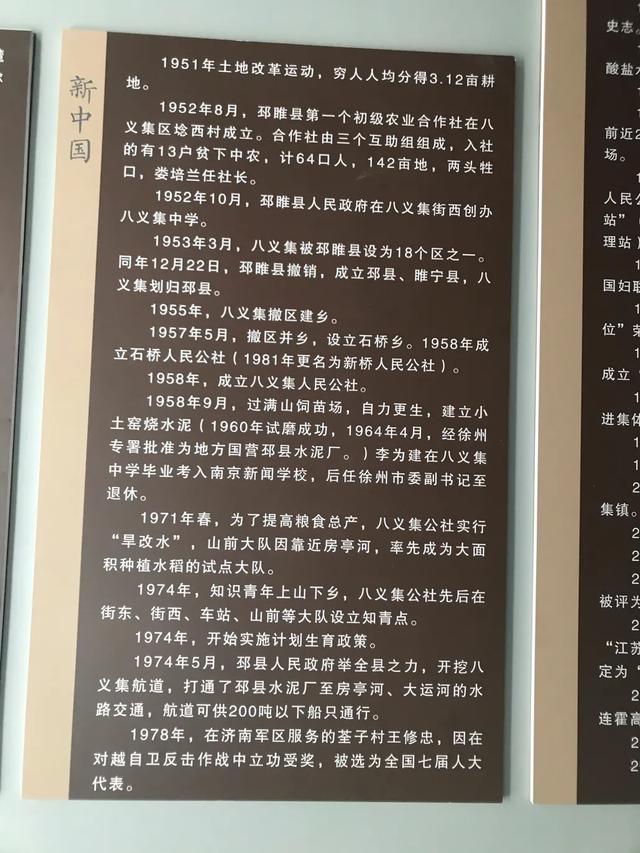
The origin of Eightyiuzhu, the town is known for its gathering, and gradually prospered due to gathering.
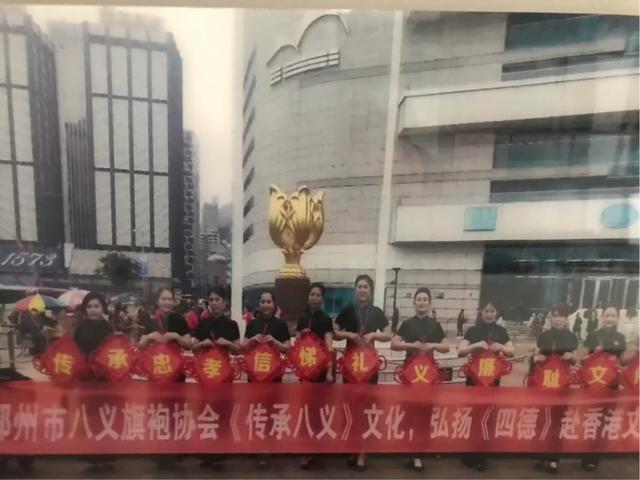
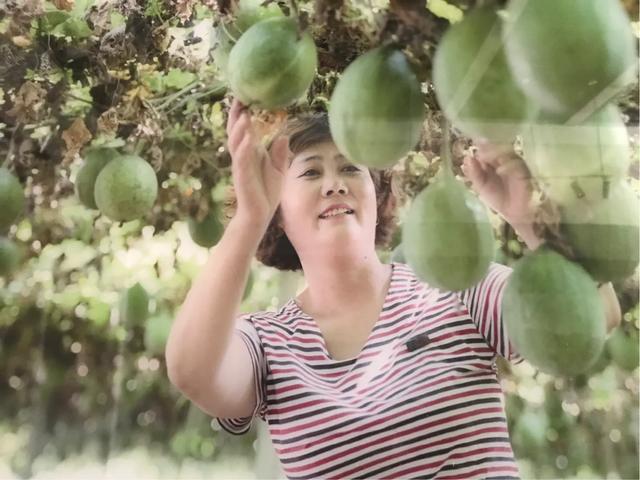
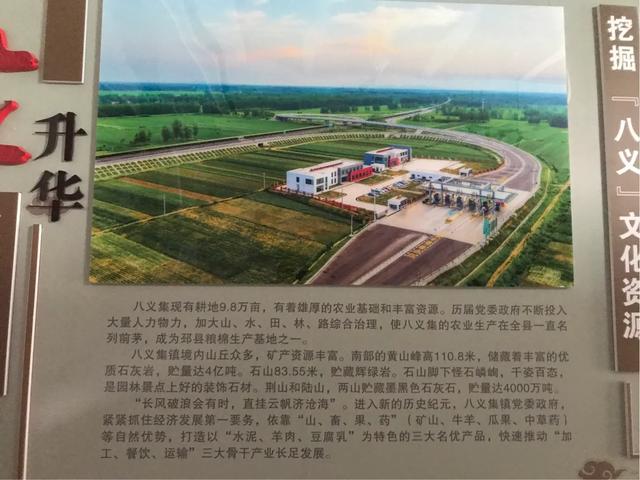
Among the numerous renowned and vibrant towns across China, Eightyiuzhu is neither rich in resources nor boasting beautiful scenery, nor does it have prominent figures or a rich history. Instead, it has calmly adapted to the turbulent changes throughout China's five thousand years of history, moving forward step by step through turbulent times, leaving a series of somewhat unclear footprints.
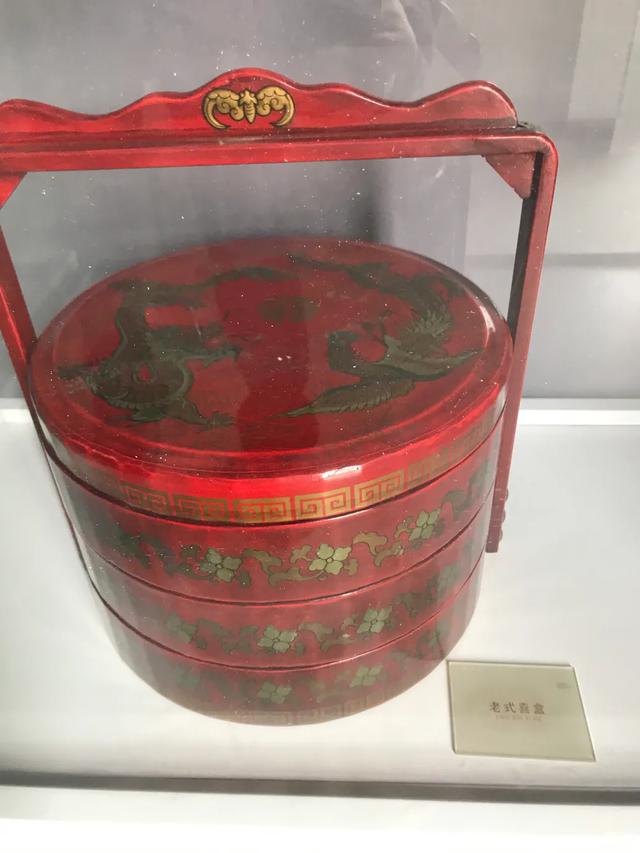
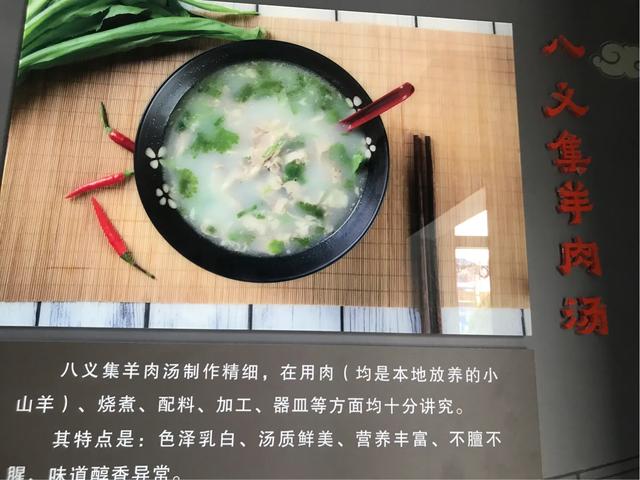
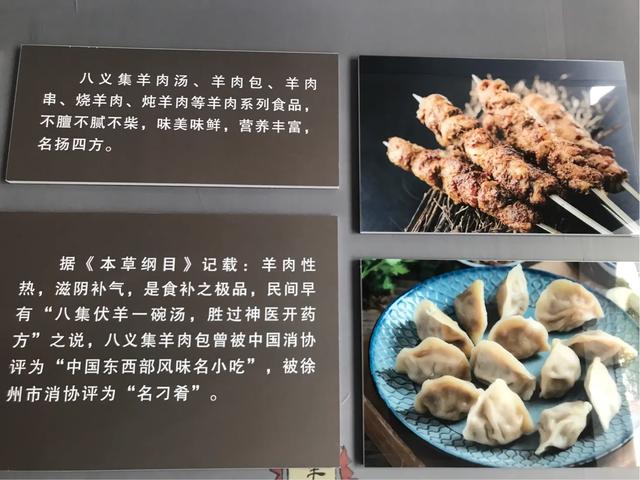
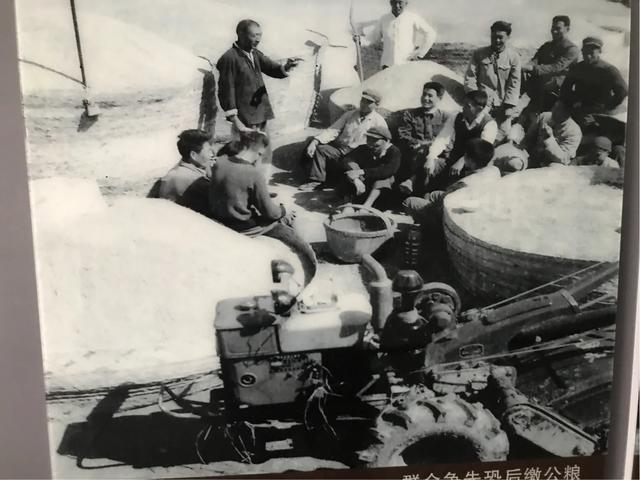
Legend has it that long, long ago, the city of Xuzhou was frequently plagued by war and unrest, causing hardship for its citizens and making life difficult. Consequently, many families fled the city, seeking refuge in various locations. A portion of these people, supporting each other, headed east for nearly a hundred miles, where they discovered a place with abundant vegetation, undulating hills, fragrant flowers, and a tranquil atmosphere. The locals then formed groups to clear land, dig wells, build roads, and bridges, working diligently day and night. After decades of cultivation and construction, along with the flourishing of their lives, the formerly barren and uninhabited land was transformed into a prosperous area with lush trees, fertile fields, flocks of chickens and pigs, and neatly arranged houses. With no longer any fear of famine or war, the locals enjoyed a life of contentment, as if they were in a paradise on earth.
The legend says that one day, Zhang Fulao, one of the Eight Immortals, while descending to the underworld to punish evil and reward virtue, rescued the people, he rode a donkey through this place, seeing green grass, crisscrossing fields, fragrant rice, and simple people. He rested on the mountain and felt refreshed. He exclaimed, 'The hillside is full of fruits, the forest is full of birds, the paradise of the gods is often visited, but such a scene is rare in the human world!' The sound of the gods spread throughout the area. Subsequently, he rode his donkey to the heavens. The villagers spread the news, and the name 'Full of Fruits' became popular. (Today, on the right slope of Fruit Mountain, you can still find Zhang Fulao's stone chair and donkey's water pool, as well as scattered donkey footprints.)
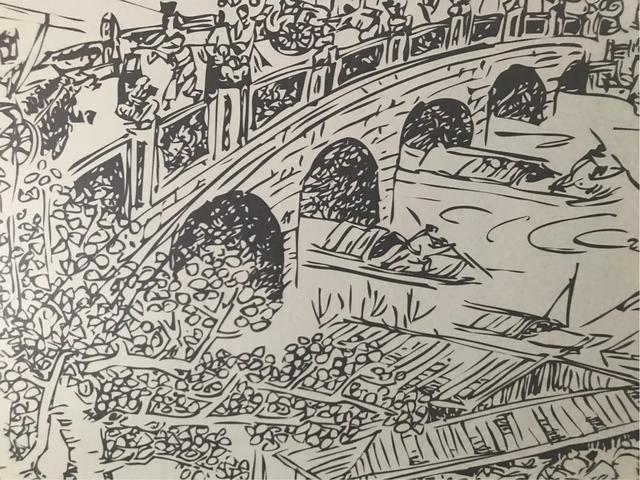
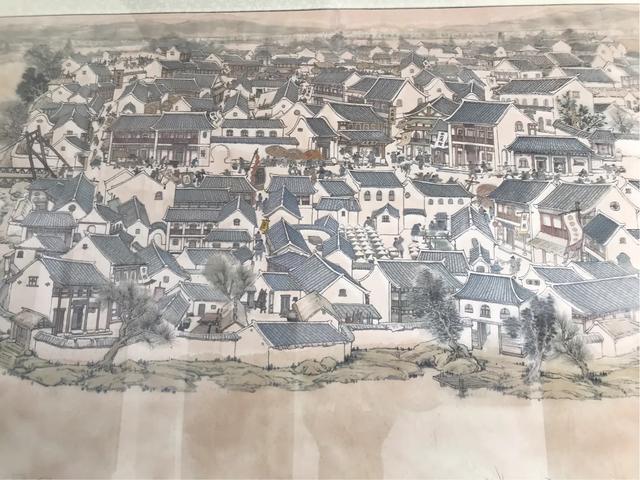
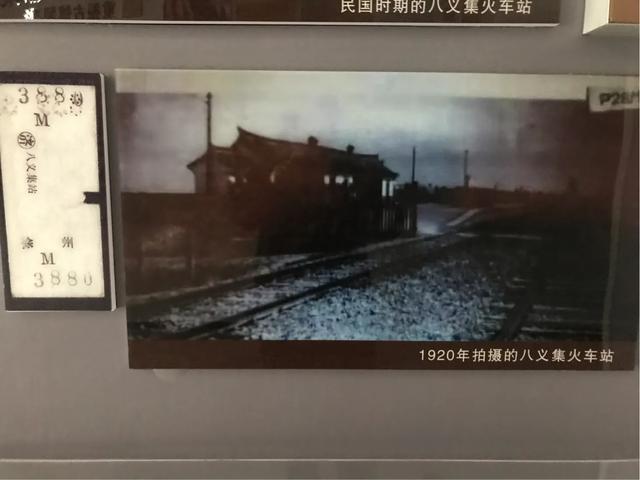
With the gradual cessation of war and the slow development of handicraft and trade, people living in the mountains and hills found it inconvenient to travel, so a portion of the villagers spontaneously migrated to transportation routes or flat land. After about several hundred years, in a convenient riverside place, oil workshops, cloth shops, tobacco shops, money changers, theaters, schools, wine shops, restaurants, warehouses, postal stations, docks, etc., gradually became complete, and merchants from all over the world came and traded. Industries and businesses diversified, and the population gathered, shops lined the streets, rice, wheat, fish, livestock, handicrafts, furniture, ironware, fruits and vegetables, etc., were traded in large quantities, and the market naturally formed.
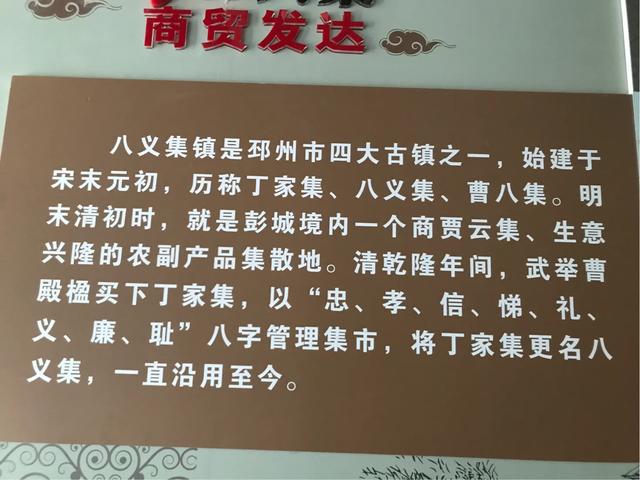
By the end of the Song Dynasty and the beginning of the Yuan Dynasty, the Ding family in Fruit Mountain became prosperous, and they began to operate the market jointly with government and private individuals, named 'Dingjiazhut', and belonged to the township under the administration of the county, becoming a throat between Pengcheng and Pizhou. Within a radius of dozens of kilometers, it gradually developed into a land with merchants gathered, goods circulated, and a treasure land. Surrounding the town on both sides of the river, the villagers increased day by day, and various industries flourished, with handicrafts, commerce, and fishing being the most prosperous.