Billions Spent on the World's Largest Resort – It Became a Global Ghost Town, Idle for at Least 65 Years
Nowadays, people are increasingly fond of traveling, and more and more resort destinations are recognized by tourists, so the current resort destinations can be said to be built bigger and bigger. Have you ever imagined what the world's largest resort would look like? A large-scale project in Germany was aiming for the title of the world's largest resort, and after completion, it is estimated to be able to accommodate at least 20,000 guests. This project is called Prora. It was Hitler's ambitious plan, because his purpose was to create a huge seaside resort.
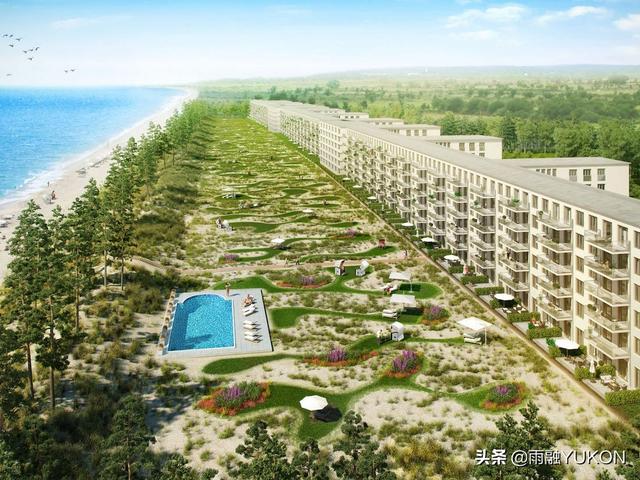
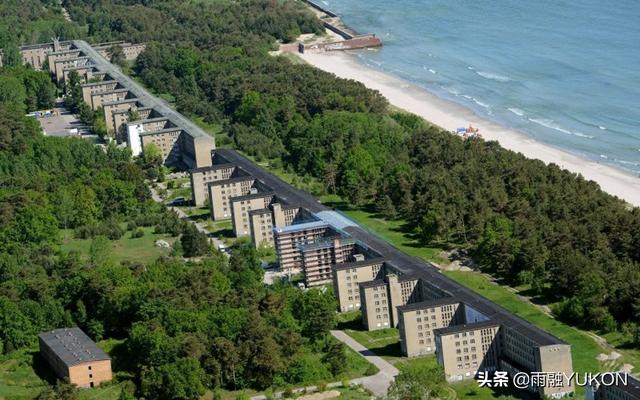
The resort was built in 1936, and in the years of construction, it was truly a national effort. Because in those years, Germany's major construction companies and nearly 9,000 workers came to this island to build the resort. In 1938 alone, the building cost reached 2.375 billion marks, which is approximately 9 billion RMB today. The scale of the project was even listed as a marvel by some experts. People at that time were very much looking forward to this resort, expecting to have a vacation here one day.
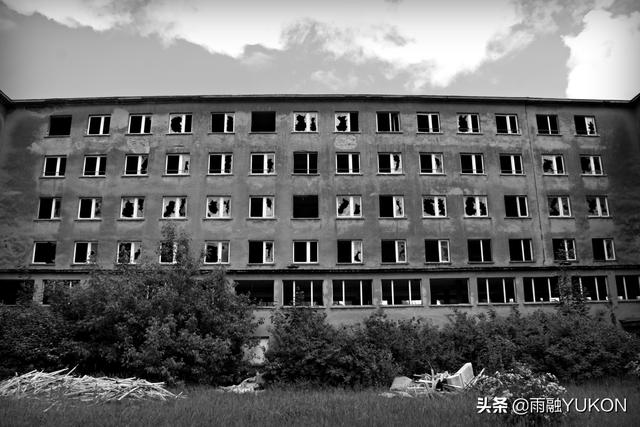
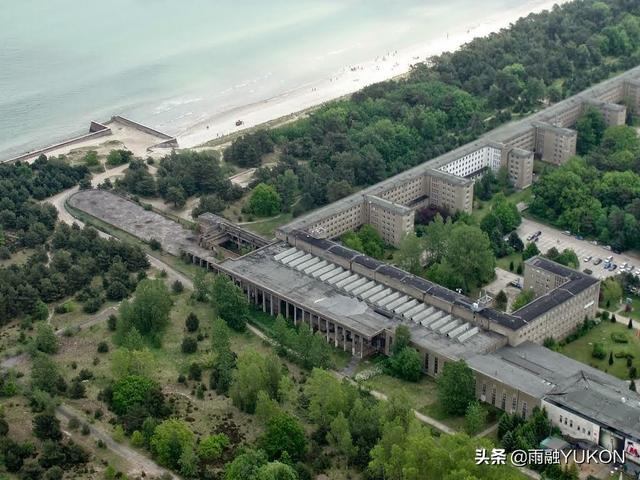
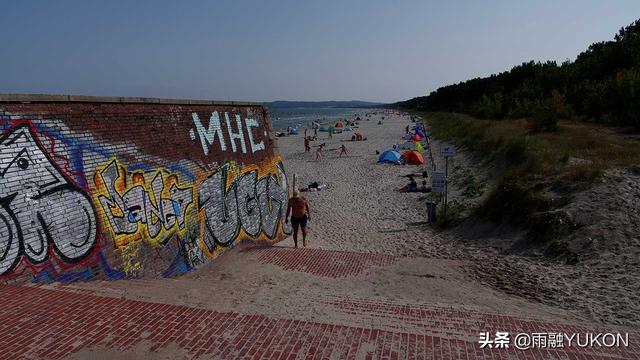
So, how big is this resort? The entire Prora architectural complex runs parallel to the beach, stretching for 4.5 kilometers, and you can only see the complete appearance of the architectural complex from a high altitude. The accompanying is also a similar long beach. Originally, it seemed that this resort could become the world's first largest resort because the entire resort has more than 20,000 beds and various facilities. Its design was even awarded at the Paris World Expo, and even included a cinema and theater and swimming pool. But the project was halted due to World War II.
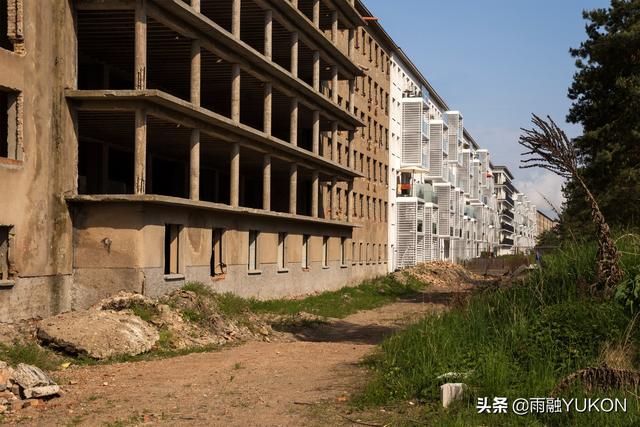
With the outbreak of World War II, all workers were transferred to weapons factories for work, so this place was naturally idle. From then on, it became a white elephant, because it was built in a short period of time with national strength. So, although this building is a white elephant, it also played a certain role in the war. For example, during the bombing process of the Allies, it was once used as a refugee camp. During the war, it also served as a temporary sanatorium.
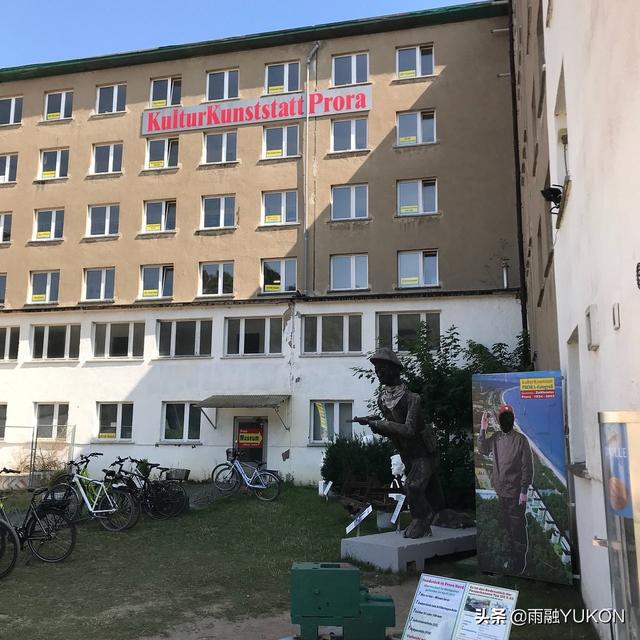
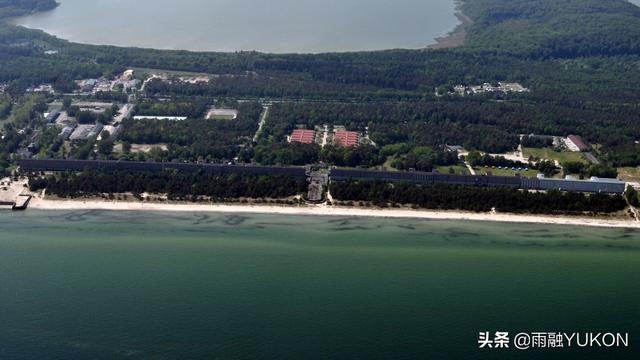
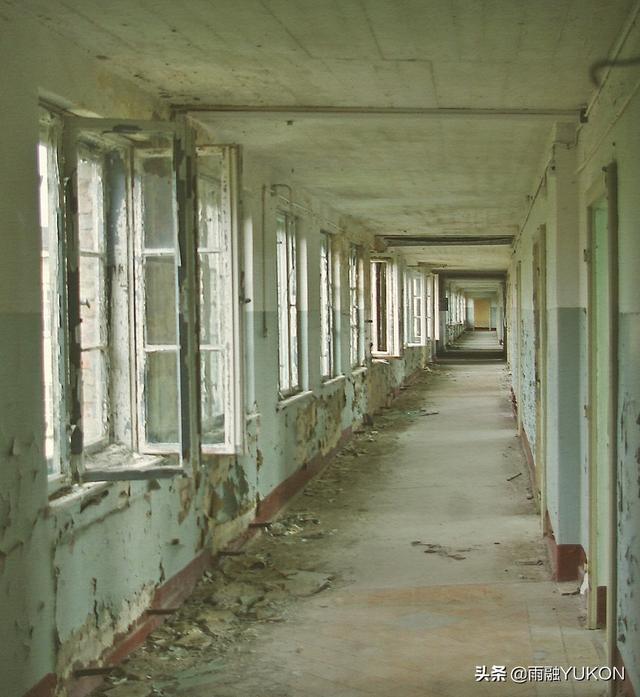
After the establishment of the Federal Republic of Germany, it was almost demolished. Fortunately, it was later listed as a landmark and spared from demolition. From 1990 to 1992, it was temporarily used as the venue for the German Federal Military Technical School. Later, it was also used to accommodate refugees from the Balkans for two years, and then it was vacant again. The buildings were subjected to various damages and corrosion. Although a youth hostel was opened in the middle, it did not truly start to revitalize the white elephant. Despite the fact that part of the building was occupied, it took until 2004 to really start to revitalize.
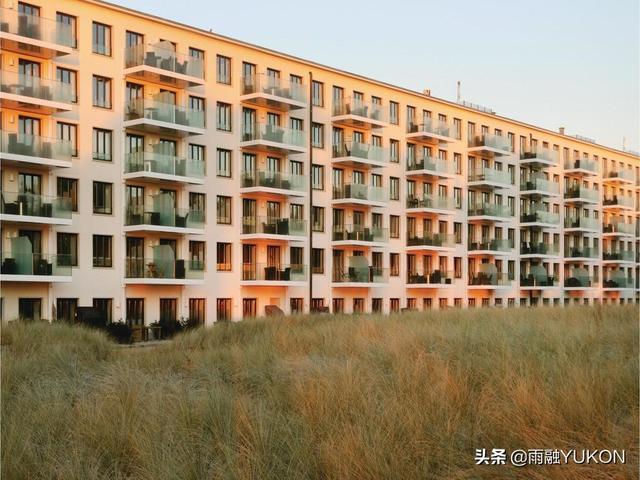
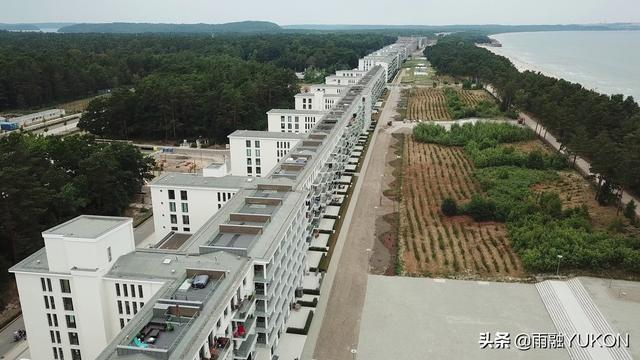
In 2004, after 65 years of being idle and vacant, the various rooms finally began to be sold individually and used for various purposes. For example, in 2004, Building No. 6 was sold to a wealthy man at a price of 6.25 million euros, and in 2005, someone bought District No. 3 to be converted into a hotel. Building No. 1 and Building No. 2 announced their sale to be converted into apartments and shops. Building No. 5 was converted into a more complete and comfortable youth hostel. Starting from the second half of 2008, a plan was formally approved to gradually transform this place into a modern tourist resort.
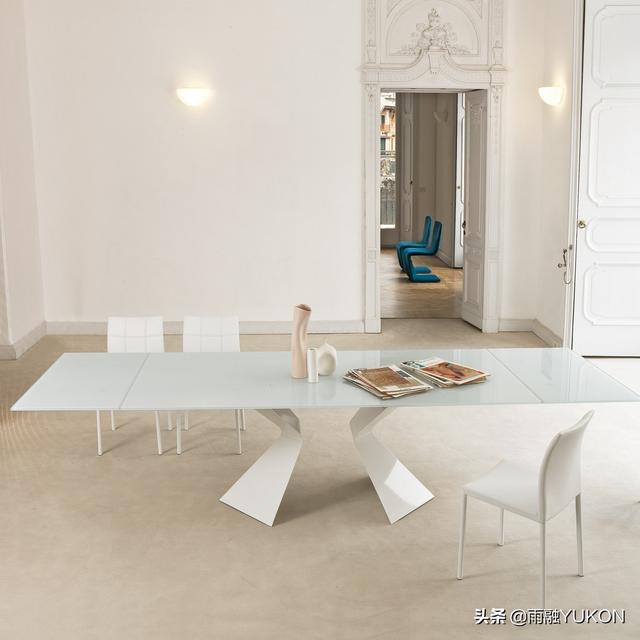
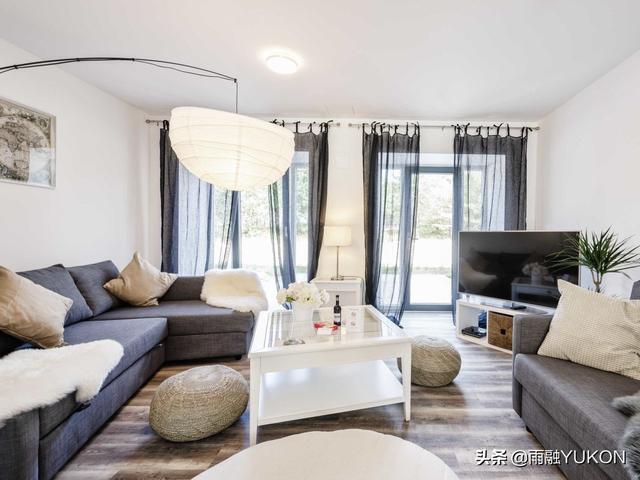
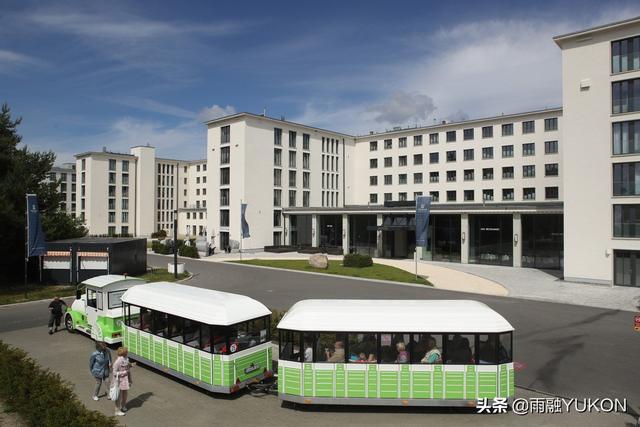
And various shops, hostels, tennis courts, hotels, and even elderly people's resorts were built. The renovated houses were also sold at a price of 700,000 euros per unit (as of 2013). By 2017, most of the apartments in Building No. 1 had been sold and used as vacation homes in Hamburg or Berlin. Some people even turned some of their apartments into guesthouses for tourists to stay in. Although Prora did not regenerate as a whole, it could not be evaluated as the first largest resort in a whole form, but it completed its mission from a white elephant to a resort in an unconventional way.