Built by the Water, Jiangnan on the Loess Plateau—Wen County
A town built beside the water—Wen County
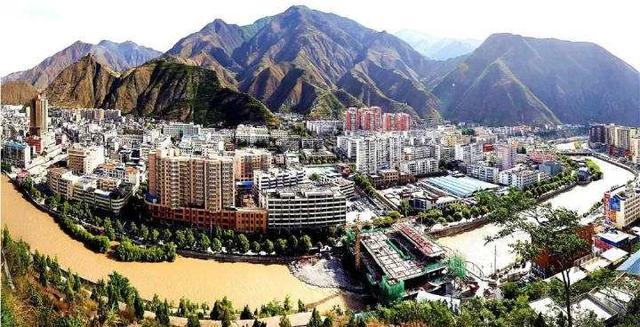
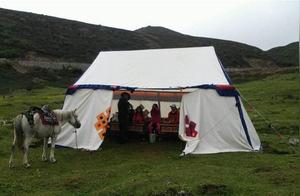
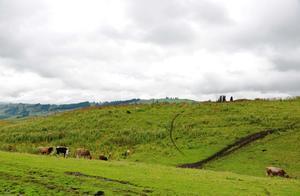
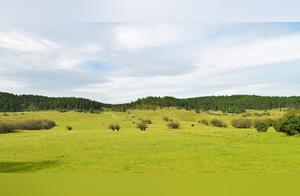
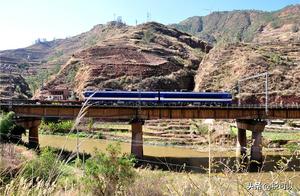
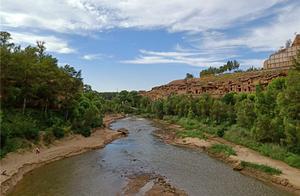
Wen County belongs to Longnan City, Gansu Province, located at the southernmost end of Gansu Province, bordering Sichuan Province and Shaanxi Province, situated in the Qinba Mountains. The name 'Wen County' is derived from the use of 'wen' (literature) from ancient Wenzhou. Wen County is located in the west Qinling Mountains and the Qinling Mountains belt, with an altitude range of 550-4187 meters, belonging to the northern edge of subtropical climate, with no scorching summer and no severe winter, often referred to as 'Jiangnan on the Loess Plateau'. Wen County has abundant tourism resources, including Wen County Tianchi National Forest Park, Wen County Huanglingou National Wetland Park, Baihe River National Park of the Giant Panda National Park, Gansu Baihe River National Nature Reserve, and Wen County Jian Shan Giant Panda Nature Reserve. Wen County is also known as 'Giant Panda Hometown', with approximately one-tenth of the national giant panda population residing within it.
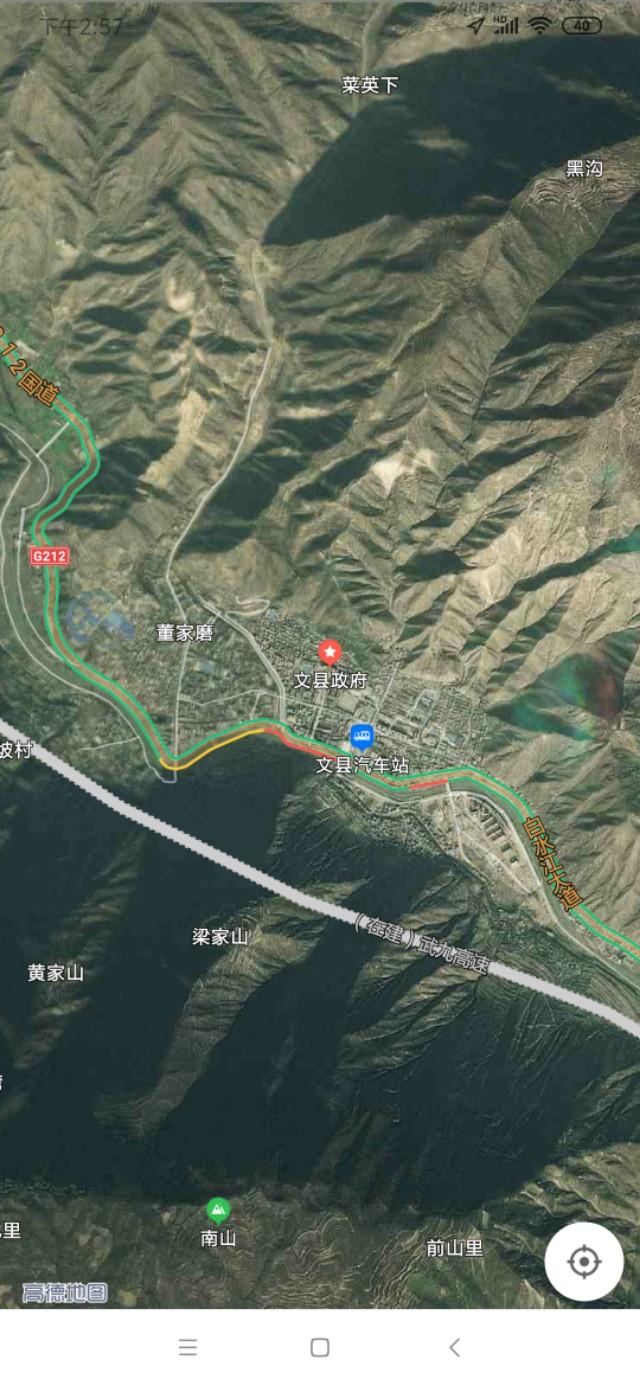
Wen County has a long history, with human activity dating back to the era of primitive tribal communes.
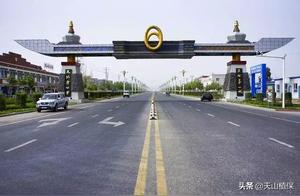
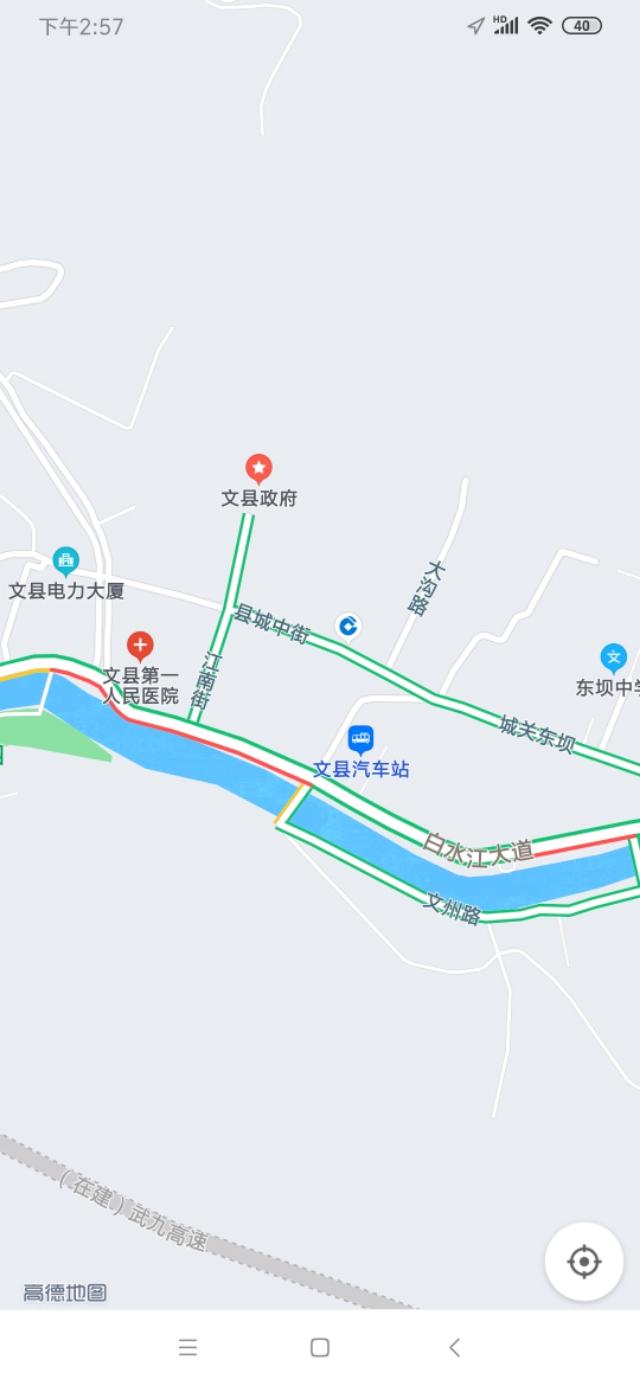
Wen County is a typical town built beside the water, as seen on the map, the two sides are mountains, the county town is not large, with a narrow and elongated shape, the Baihe River runs through the entire urban area.
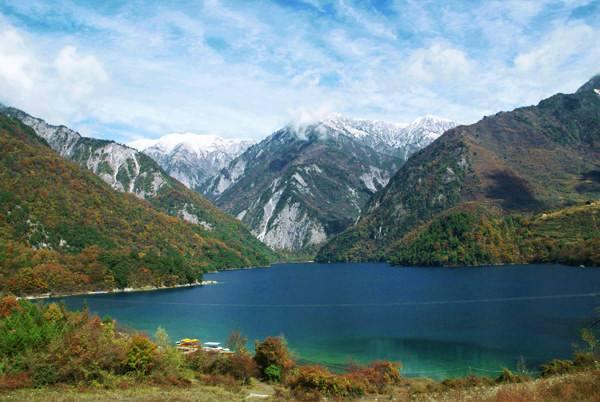
With the rise of self-driving tourism, many people drive to Gansu for travel, and Wen County is a must-visit place. It is also a must-pass town when visiting Jiuzhaigou County.
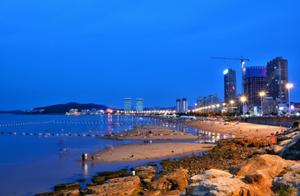
If you have time, you can stay here for a few days to experience the peace of the town and the local customs, and also taste local delicious snacks. Walking along the streets of the town after dinner is also a way of life.