300 Bodies on Mount Everest, All With Names and Surnames: Why Don't Their Countries or Families Collect Them?
There are over 300 bodies on Mount Everest, all with names and surnames, why don't their countries or families go to collect them?
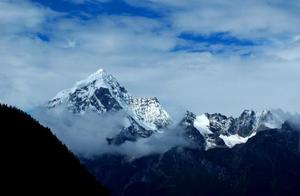
Mount Everest is no stranger to many people. It is the world's highest peak, with an altitude of 8848 meters. Due to the high altitude, it is perpetually cold and covered in snow, known as the 'Third Pole' outside of Antarctica and the Arctic, inspiring awe and respect, but for many climbers, climbing Mount Everest is a lifelong pursuit.
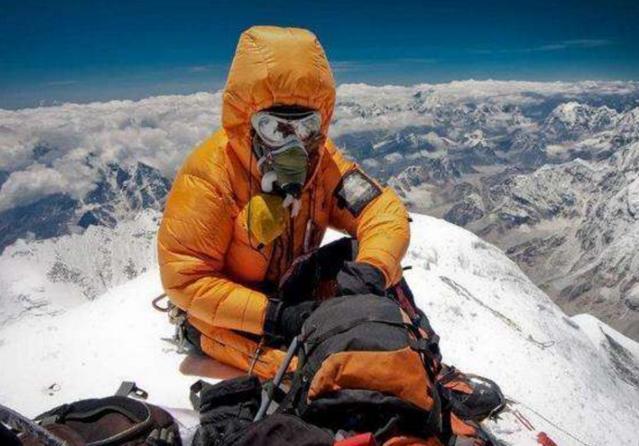
The frightening aspect of Mount Everest is not only its high altitude and low temperature, but also the thin air. As everyone knows, the higher the altitude, the lower the oxygen content. It is said that the oxygen content on Everest is only one-fourth of that in a plain area. Climbers need not only strong physical strength but also sufficient oxygen supply when climbing. This shows how perilous climbing Mount Everest is.
Many climbers attempt to reach the summit of Mount Everest, but only a few succeed. Many climbers return halfway due to exhaustion, and some encounter avalanches or other disasters, lying eternally on the mountain!
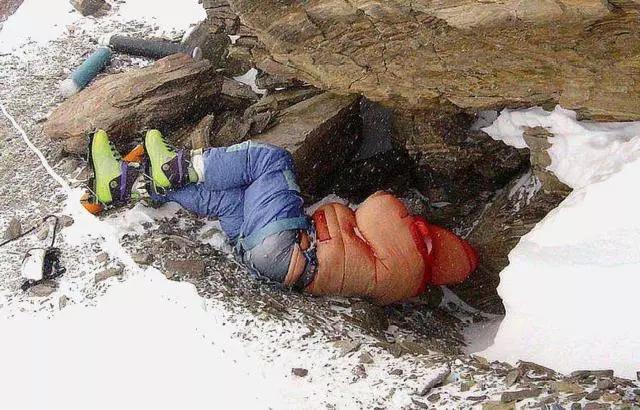
According to statistics, there are currently over 300 climber bodies on Mount Everest. 'Sleeping Beauty' is one of the most famous. She was an American climber, Francis Ah-See, who died in 1998 at the age of 40 with her husband. After returning from the mountain, she collapsed due to lack of oxygen and exhaustion, and her husband never returned. When Francis Ah-See was discovered, she was already dying, and she finally rests with Mount Everest at 8600 meters, and people call her 'Sleeping Beauty'!
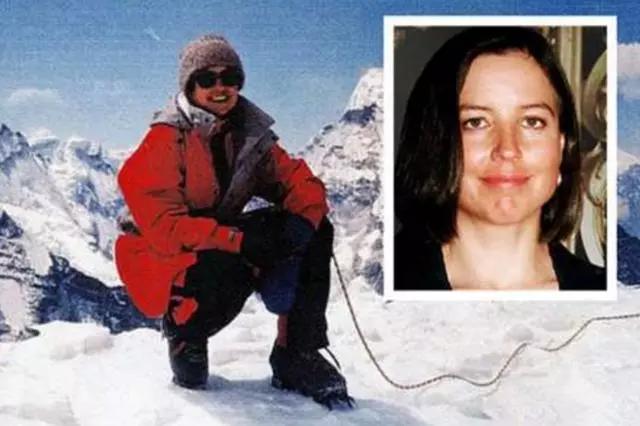
Someone might raise the question: these climbers mostly have names and surnames, why don't their countries or families go to collect them? Imagine, who wouldn't be worried if a loved one disappeared? Their families are also very anxious and want to bring them back, but reality is cruel, and they are powerless.
The high altitude and thin air of Everest create a harsh environment. It's very difficult for professional climbing teams to bring professional equipment to climb Everest. It's even more difficult for ordinary people to climb Everest and bring back the remains of their loved ones; it's truly 'more difficult than ascending to the sky'!
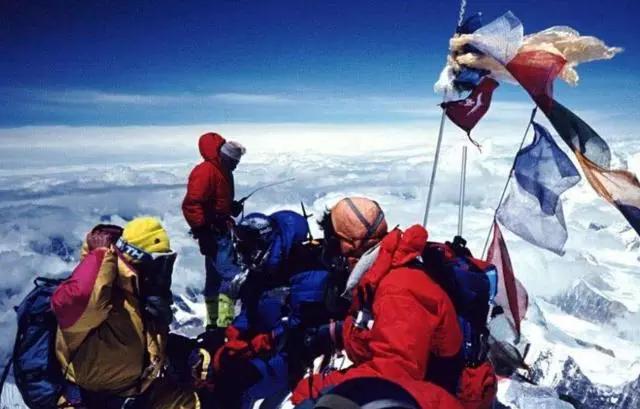
Moreover, many climbers have a lifelong dream of climbing Mount Everest. For them, dying and resting on Everest is the best form of farewell and burial – it's their spiritual home.