Why the Name Jiangsu? Many Tourists Can't Answer It, It's Because of Two Cities
Many tourists know that Jiangsu is a province rich in tourism resources, but when asked why the province's name came about, the answers are few.
Jiangsu Province was once part of the Jiangnan region in ancient times. Later, Jiangnan was split into two parts: Jiangnan left took the first character from Anqing and the Huzhou Prefecture, and Jiangnan right took the first character from Jiangning and Suzhou Prefecture, thus naming Jiangsu. Whenever this explanation is given, many of my friends suddenly realize.
The problem is, where did Suzhou, Jiangning, and Huzhou go? In fact, Jiangning was the old name of Nanjing.
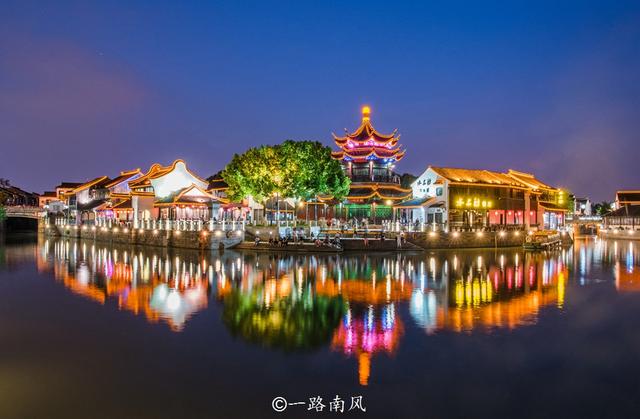
By taking the first characters of Jiangning and Suzhou Prefecture as the province's name, it's evident that these two cities were already very powerful in the past.
Compared to Nanjing, Suzhou's tourist attractions are more concentrated and relatively sophisticated. Its beauty is comparable to that of Hangzhou and is hailed as 'Heaven on Earth'
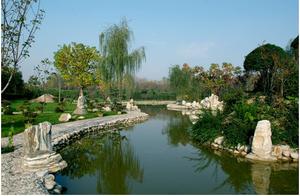
Suzhou's tourism resources are mainly classical gardens, and 'Suzhou Classical Gardens', a World Heritage site, is a tourist landmark for Suzhou City and even Jiangsu Province.
In addition to classical gardens, Suzhou's several tourist streets are also distinctive.
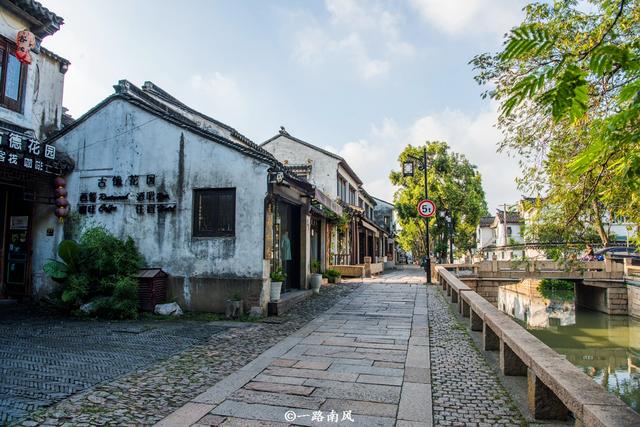
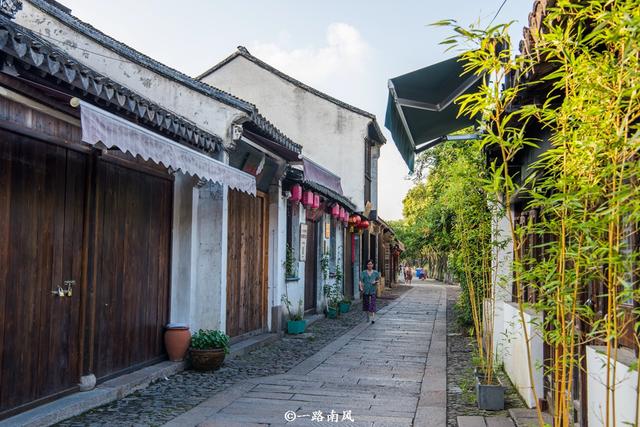
Pingle Old Street, located in the eastern part of Suzhou City, is a section of riverside stone-paved street, with green willows and bamboo along the banks, white walls and gray tiles, full of Jiangnan charm.
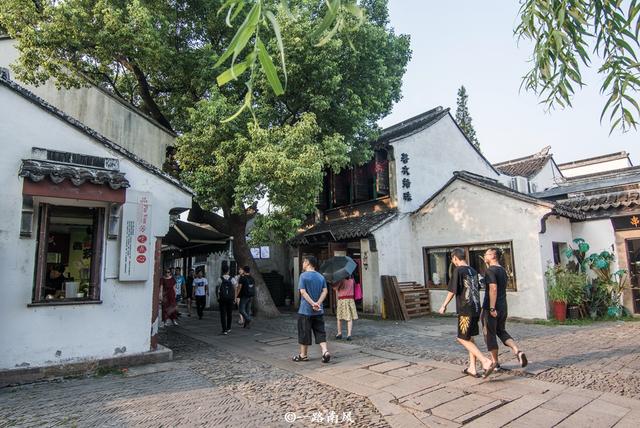
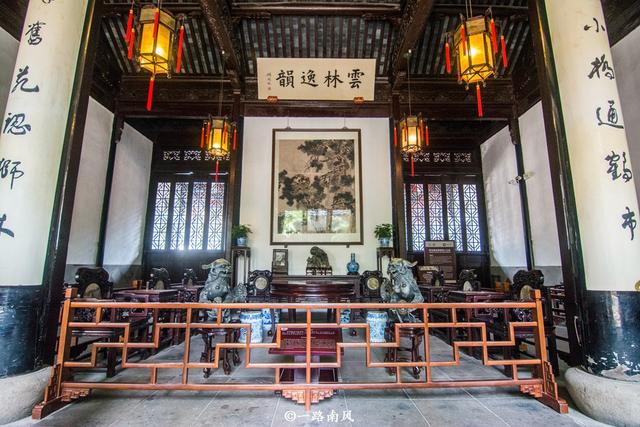
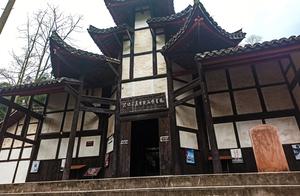
Pingle Old Street has retained the layout from the Tang and Song Dynasties. Besides the commercially intensive main street, there are also distinctive alleys such as Lion Temple Lane, Fragrant Lane, Donghuaqiao Lane, and so on. The Kunqu Museum and Pingtan Museum are also located in this area, with the Kunqu Museum, built during the Qing Dynasty's Qianlong reign, being particularly distinctive. It was originally the Jinhe Hall, funded and built by merchants from Shanxi.
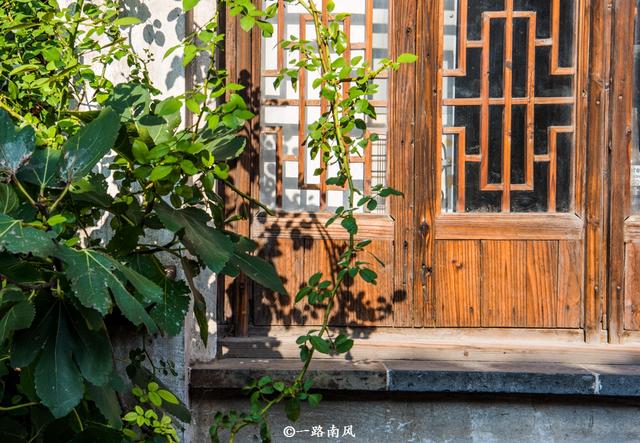
What attracts the most attention when traveling to Pingle Old Street are the seemingly simple but full of Jiangnan charm windows. These windows are made of wood, with part of the wood hollowed out, and some have carvings.
The sunlight reflects the shadows of green trees and plants on the wooden windows, adding a more serene and elegant atmosphere.
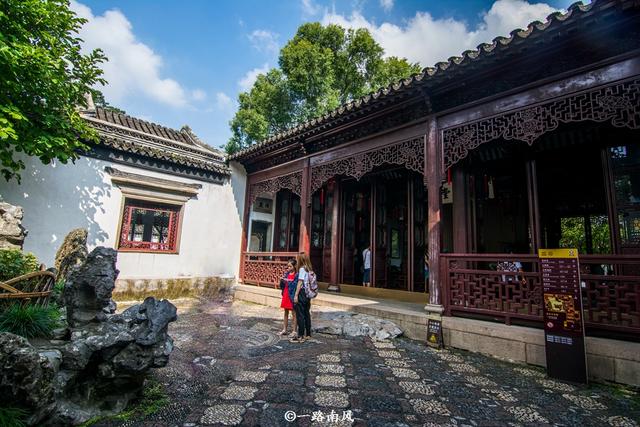
Lion Hill's fame is not as high as that of Lion Grove Garden and Liu Yuan Garden, but it is also popular with tourists. It is located in the northeastern part of Gusu District, adjacent to Lion Grove Garden and Pingle Old Street.
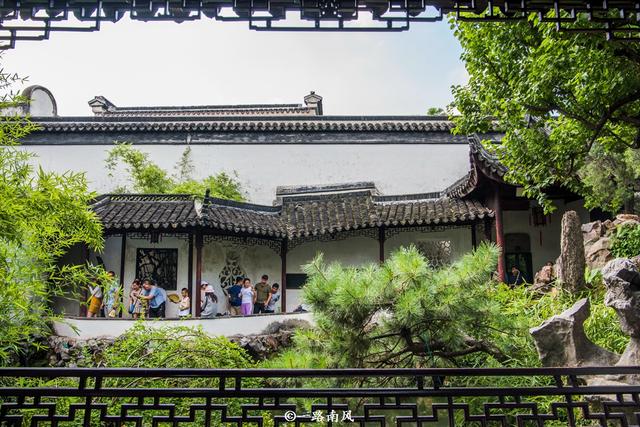
Like other classical gardens, Lion Hill is winding and charming, with evergreen pine trees, combined with bamboo and seasonal flowers. It showcases the charm of the garden in a small space, and its layout is full of poetry. The most beautiful part is the mountain inside the garden.
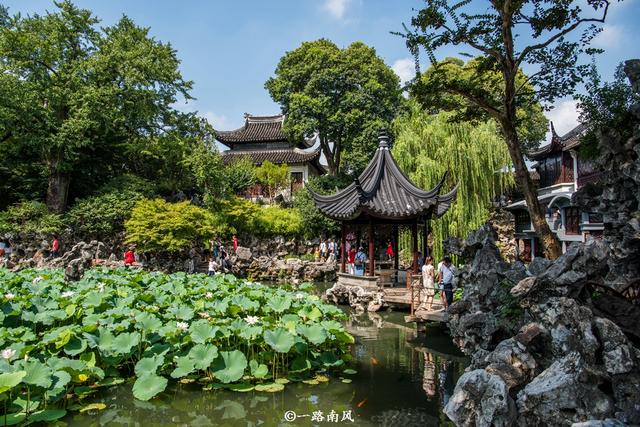
Lion Hill's mountain covers an area of about 0.15 hectares, which is the largest and most complex group of mountains in Suzhou. Visitors can climb the mountain and enjoy the beautiful and creative scenery along the winding pathways.