Major Discovery! This Lifestyle 'Bad Habit' of Seniors Could Be the Secret to Longevity?
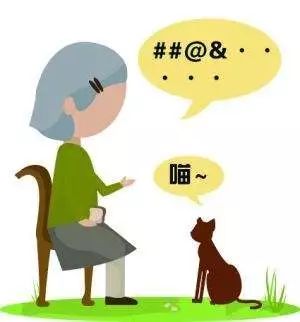
If the nagging of elderly people once annoyed you, even made you feel irritated, then you should be grateful now, because it fully demonstrates that your elderly relative's mental health, brain flexibility, and the habit of incessant nagging will help him live longer.

The elderly often nag for a reason
These monotonous phrases – 'It's cold out there, wear more,' 'Eat more, don't starve yourself,' 'You don't listen to me,' 'What I said before' – you can listen to them until your ears are filled with wax, but the elderly will continue to nag every day, regardless of whether it's useful or not. Why do people become increasingly talkative as they get older?
Psychological research shows that for psychological health, people need various environmental stimulation. If there is a lack of this stimulation, people will become stiff, leading to oversensitivity.
After retiring from work or labor, the elderly will focus excessively on some 'useless' things. For example, they are keen to reminisce about the past, causing them to drone on and on. When their children return home from work, the elderly will happily share their pent-up thoughts.
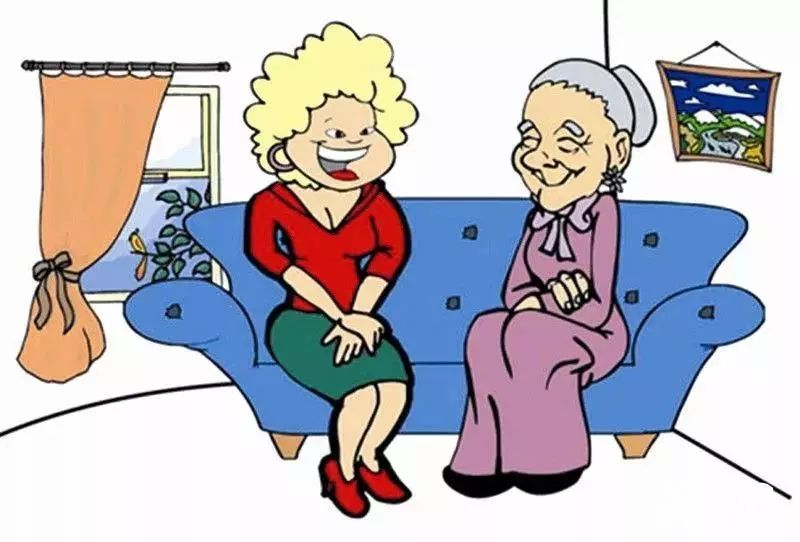
Young adults' living habits and thinking styles are different from those of the elderly, so the elderly need to keep talking to express their opposition and opinions. For these reasons, many elderly people inevitably become talkative.
However, many young people don't understand or even dislike their elderly relatives' constant nagging, thinking it's a 'special disease' of the elderly. Unknowingly, incessant nagging can benefit the elderly in the following three ways.
Nagging promotes mental health
If the elderly don't nag or speak much, and bury their dissatisfaction, it accumulates over time and becomes unable to eat, can't sleep well, easily leading to neurological dysfunction, such as primary hypertension, cerebral arteriosclerosis, coronary heart disease and tumor, etc. If the elderly can release pressure and insecurity through simple, trivial language, their mental and physical health will be better.
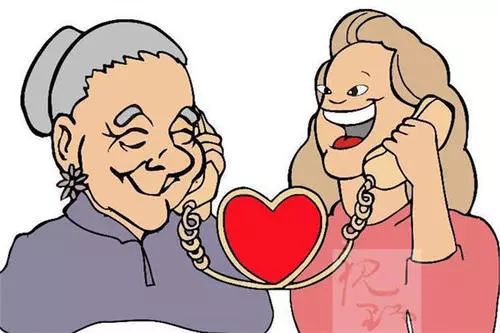
Furthermore, whether it's nagging family members or strangers, it shows that the elderly are willing to communicate, avoiding isolation, which is a healthy attitude.
Nagging promotes brain flexibility
The elderly's repetitive talking about the same thing helps improve memory.
The human brain uses and wastes, and every time you speak, you need to think logically, refine language, and organize it. Talking more can stimulate brain cells, keep them active and excited, effectively delaying the aging process of the brain.
The brain has a specialized language area, and if you speak too little, the excitation of the language area in the brain will weaken, which is not conducive to the healthy operation of the brain. Talking more can promote the development of these functional areas.
Some elderly people don't have anything to say, which means their thinking is uninterrupted, which can effectively prevent cognitive impairment.
Nagging slows down aging
People who often speak can keep their mouth muscles and pharynx exercised, which is beneficial for maintaining the patency of the ear canal and external ear pressure, which can help with tinnitus and hearing loss. Talking stimulates eye muscles and trigeminal nerve movement, which can also prevent nearsightedness, cataracts and vision decline.
cn/mmbiz_png/OO4xl2ehiaoGgHqOnBhsVfODV7tRia1Y9SibBx34XwwSTWD0xbQH5ibibzTQiciaHzfXvOZEYUkniaq72rPLia2LCUqKMiaQ/640?wx_fmt=png");
For some household chores, ask the elderly to express their opinions, let the elderly fully participate. If the elderly are blamed or complained about, children should not argue, but nod and encourage the elderly to be happy.

Listen to the elderly's nagging and fulfill part of their words, so that the elderly feel that their words are being heard and respected. Respect their opinions.
However, if there are special situations, such as suddenly liking to talk to themselves, speaking randomly, forgetting what they said, and answering questions sluggishly, it may be a sign of cognitive impairment.