Living Like a Lazy Top: Recharge with Mindful Moments
Through simple mindfulness breaks, we can more easily perceive our thoughts, emotions and habits, clearly know what we truly need and want, make wiser choices about our lifestyles.

Ring~Ring~Ring! My brain, in a hazy, dim fog, hears jarring sounds. My alarm clock rings.
It's Monday, an endless list of to-do items begins to spin in my slowly waking brain. It's time to jump out of bed and head straight into a busy day. No matter how I feel, I have no choice.
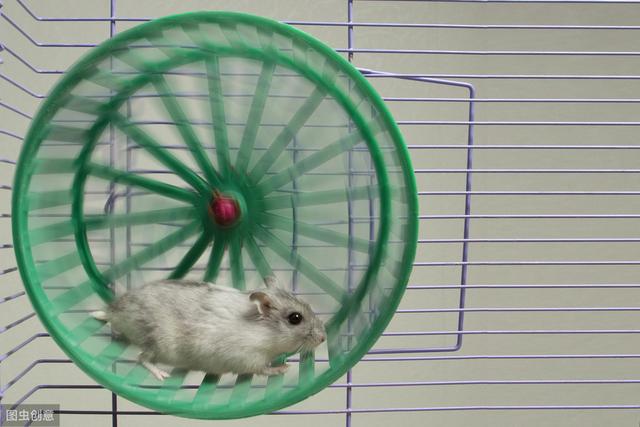
Do you feel a tightening in your chest reading this? If so, you're not alone. For many of us, most of our lives are like running in a hamster wheel.
A period of time after, this sense of tension evolves into a slow, persistent state of stress, leading us into a state of constant fight or flight—a body's heightened alertness in response to perceived danger.
You might think, 'But I don't have any stressful events!' However, whether facing a real threat or constantly self-criticizing, the body's reactions are broadly similar: breathing becomes shallower, heart rate increases, and muscles tense, preparing for action to ensure our safety.
We might feel our shoulders rising, or experience pressure in our chest. When our inner alarm bell begins to scream, our brain's speed of planning, organizing and overall assessment diminishes—'It's an emergency! Let's do something!'When we face truly dangerous situations, this rapid shift of attention can save lives. But if we are constantly in this state, it's unproductiveIt consumes a lot of time and energy, and gives little opportunity for creative thinking, goal setting, and resource allocation
Let alone living happily and fulfilled.
How mindfulness helps you reclaim your time
Mindfulness offers some practical tools to reclaim your time, break free from the 'hamster wheel,' and honestly face yourself. Through simple five-minute mindfulness breaks, we can better understand our thoughts, body sensations, emotions, behaviors and habits.
When our body is in a state of panic, or when stress raises our shoulders and causes our stomach to knot, we can more easily recognize it. We can choose to stop and take a few deep breaths, allowing our brain to know 'it's really not an emergency,' and then let our body gradually calm down. It's in this state of calm and stable attention that we can more clearly think and choose our reactions, instead of making impulsive reactions.
Once you start practicing mindfulness, you open up space for purposeful planning, goal setting and creative thinking. We choose mindfulness, we choose to no longer be exhausted and confused by 'putting out the fire' (listening to the alarm bells in our heads ringing at any moment).Mindfulness helps us clarify our inner strength and the direction in which to develop, and how to embody self-value.We can become aware ofWhat fuels our energy, what drains our energy, where we direct our energy, and focus our attention

We have the energy to step outside our comfort zone, challenge ourselves, overcome obstacles, and succeed in the areas that are most important to us.In the morning, connect with your breath:
Before you start your workday, spend five minutes connecting with your breath, noticing your body sensations. Notice how your breathing is, how your shoulders and other body parts feel.Form a habit:
If you like, use an app or follow a guided mindfulness meditation audio (the Calm Home app has free audio practice guidance). Spend five minutes comfortably sitting, noticing your breath. If five minutes is still too long for you, start with one minute. Our goal is to form a practice habit. Figure out where, when, how and why you'll set aside this time, know your motivation, and this will help you encourage yourself to keep going.Practice mindfulness in short bursts:
Throughout the day, find opportunities to pause and notice what's happening in the present moment. We can take mindful breaks anywhere – during a commute, while drinking water or tea.Mindful breaks are high-quality rest, helping you recharge your tired mind and body in time.
Below is an example of a mindful tea break to introduce the technique.

- Mindful Tea
- Pause, focus all your attention on your beloved cup.
- Shift your attention to the sensations you can currently notice through the object.
Enjoy several sips, feeling the warm liquid slide down your throat.
While drinking tea, be aware of 'you are drinking tea.'How's that feel now?
Over a week, practice five-minute mindfulness meditations and mindful breaks every day, and eventually, mindful breaks will become a habit, and this habit will
Break your anxiety and depression, habitual thinking patterns, allowing you to live more calmly and fully.