Where Do These 'Frozen Chicken Legs' in Supermarkets Come From? Salesperson's Slip of the Tongue – Listen to This Before You Buy Again
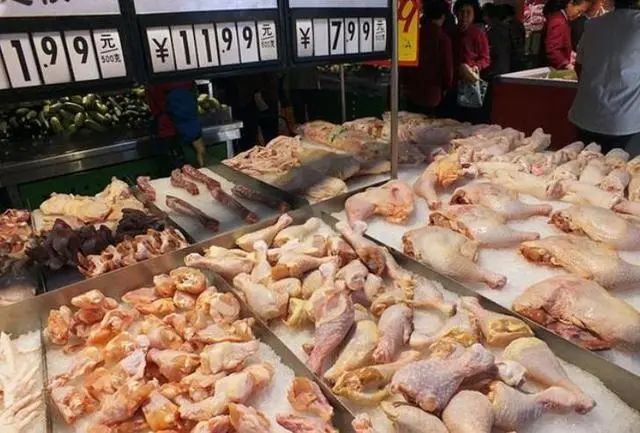
For example, we frequently eat chicken wings, chicken feet, and chicken legs, which are now often sold separately. This has led to a certain level of curiosity: where do these constantly available 'parts' come from? Let's take a look to find out!
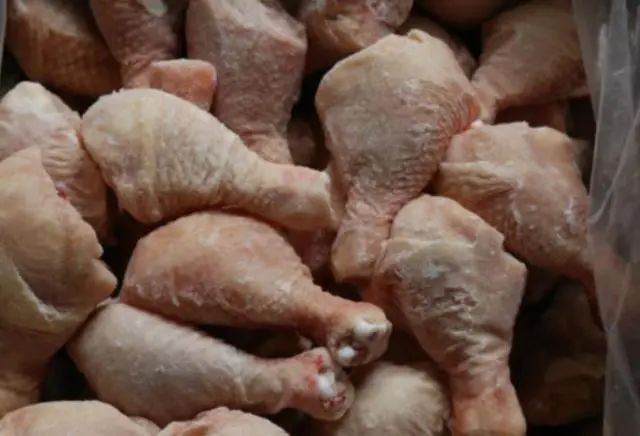
The sources of these frozen meats and poultry parts are essentially two channels. One is the farms themselves. These farms will sign contracts in advance with various supply stalls and supermarkets, fulfilling the requirements of these stores or markets to divide and sell whole chickens. For example, if a region is known for making chicken nuggets, they'll need a lot of chicken breast for chicken floss, while stalls only selling chicken legs and feet will typically sell them to braising shops and restaurants, effectively dividing and selling them to meet diverse needs, creating a mutually beneficial situation.
The other channel is import. Many meat products sold in foreign countries have reached saturation, and they have global supply chains. With the development of global trade and the increased focus on international commerce, food products are increasingly transported to domestic markets via frozen chains, and quality is strictly monitored, allowing consumers to purchase with confidence.
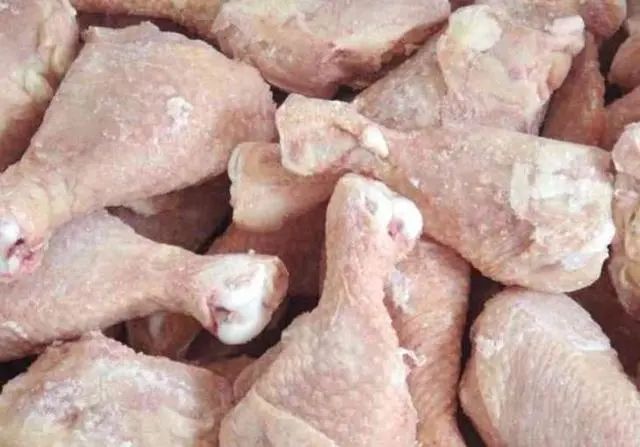
So, how do you select these frozen parts? Let's use chicken legs as an example. When purchasing chicken legs, you can use your hand to press them. High-quality chicken legs will feel firm and elastic when pressed, and will immediately return to their original shape when you release them. Conversely, poor-quality chicken legs will feel soft and will leave a clear indentation when you release them—avoid purchasing these.
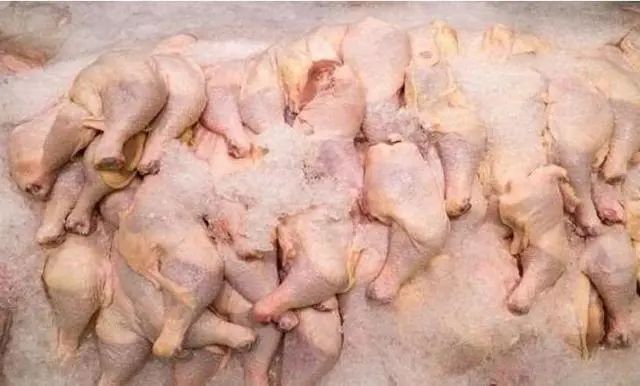
Furthermore, the appearance of the chicken legs is also important. Normal chicken legs typically have a pale yellow meat color. If the chicken legs contain a significant amount of blood clots, or if the meat color is grayish, the chicken legs are likely not fresh. Try to avoid purchasing these. Finally, smell is crucial. After freezing, normal chicken legs will have a layer of frost. Remove this frost layer before smelling the chicken leg. If it has an unusual odor, the chicken leg is likely not fresh and may even be spoiled.