Some Fitness Terms! Let's Learn Them!
Many friends often hear coaches or fitness buddies saying unfamiliar fitness terms during workouts. Today, let's summarize these terms and share them with everyone!

1. Aerobic Exercise
Aerobic exercise refers to low-intensity, rhythmic movements with longer durations (approximately 30 minutes or more). The intensity is at a moderate or higher level (60% to 80% of your maximum heart rate)! Examples include running, jumping rope, and swimming!
2. Anaerobic Exercise
Anaerobic exercise is characterized by short distances, fast speeds, and limited endurance. It involves movements where you cannot maintain a regular breathing rhythm during training, sometimes even holding your breath!
3. Heart Rate
Heart rate refers to the number of times your heart beats per minute. Different exercises require different heart rates!
4. Body Fat
The human body can be simply divided into visceral fat and subcutaneous fat. Body fat refers to subcutaneous fat. Body fat percentage = (Total Weight – Lean Body Weight) / Total Weight x 100%. Generally, men should aim for 15%, and women should aim for 20%.
5. Lean Body Weight
This refers to the weight remaining after removing fat. It's the most commonly used term in bodybuilding. Whether you get fit or not depends on your lean body weight and body fat percentage.
6. Basal Metabolic Rate
The human body consumes energy as long as it's active, and as long as your body is moving, it burns more calories. The basal metabolic rate is the amount of heat your body can consume in a day even when you're not doing anything. The more muscle you have, the higher your basal metabolic rate!
7. Muscle Fatigue
Muscle fatigue refers to the point where you can no longer complete one more rep with a given weight, achieving a certain level of muscle tiredness. It's a good way to deepen muscle stimulation and increase muscle endurance!
8. Rest Intervals
Rest intervals refer to the time between sets in weight training. However, few people can effectively control rest intervals (they often go off to brag while training!). Rest intervals for muscle gain or fat loss range from 30 seconds to 180 seconds.
9. Stretching
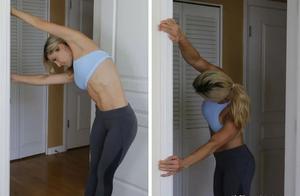
Stretching involves extending your muscles. Stretching movements should avoid forward and backward shaking, hold the muscle stretched to its maximum point for 15-20 seconds, and coordinate with breathing. Stretching is typically done after training!
10. What is RM?
Many articles you read will see numbers like 8RM or 12RM. RM stands for 'Repetition Maximum'. For example, 8RM means the maximum weight you can lift for 8 repetitions (if you can do one more, you can't.)

Okay, that's the end of this article. Follow me to learn more about fitness knowledge!